
Neuroinflammation and Cytokine Signaling: The Biological Underpinnings of Luteal Phase Dysphoria
Discuss this resourceUpdated August 2026
This article explores the inflammatory hypothesis of Premenstrual Dysphoric Disorder (PMDD), detailing how progesterone fluctuations trigger systemic cytokine release and central nervous system neuroinflammation during the luteal phase.
Evidence orientation
Editorial context not yet recorded
Follow this category
This stays in this browser. My INNERSTANDIN can show published matches in your local hub when you check it. It does not send email, push, or alert notifications.
Local learning review
A private browser aid for revisiting ideas. It is not an alert or a health recommendation.
Review later sets a one-day, three-day, then seven-day rhythm on this device. Choose it only when you want to revisit this article.
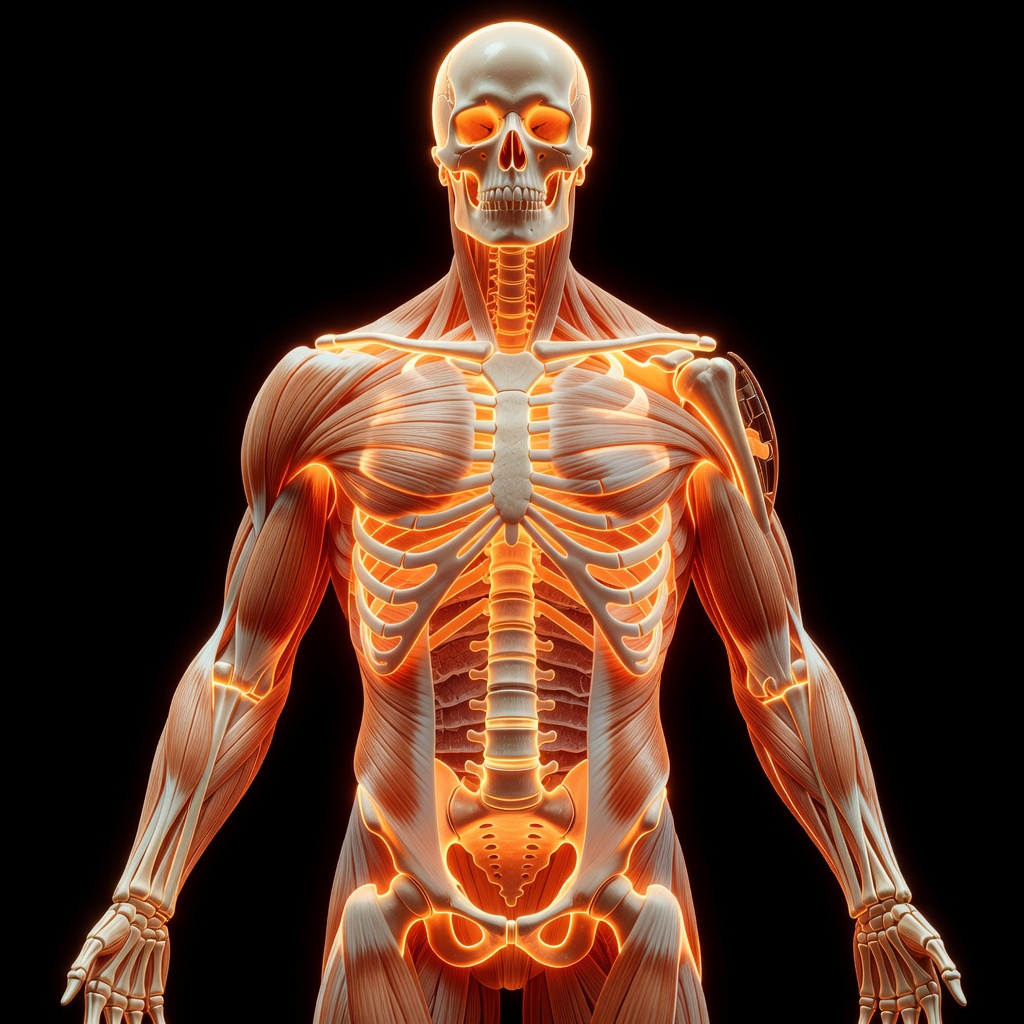
For many individuals, the luteal phase—the window between ovulation and menstruation—is not merely a hormonal shift but a profound neurobiological event. Emerging research suggests that the mood disturbances associated with Premenstrual Dysphoric Disorder (PMDD) are not 'all in your head' but are, in fact, rooted in a dysregulated immune response to progesterone metabolites.
The Progesterone-Cytokine Connection
During the luteal phase, the corpus luteum secretes progesterone, which is metabolized into allopregnanolone (ALLO). In a neurotypical brain, ALLO acts as a positive allosteric modulator of GABA-A receptors, promoting a calming effect. However, in those with PMDD, there appears to be a paradoxical response. Research indicates that progesterone metabolites can trigger the release of pro-inflammatory cytokines—signaling molecules like IL-6, TNF-alpha, and IL-1beta—within the brain.
Neuroinflammation: The Gatekeeper of Mood
When these cytokines cross the blood-brain barrier or are produced locally by microglia (the brain's resident immune cells), they induce a state of neuroinflammation. This state alters the metabolism of tryptophan. Instead of being converted into serotonin and melatonin, the presence of inflammatory cytokines diverts tryptophan toward the kynurenine pathway. This results in the production of quinolinic acid, a neurotoxin that can cause oxidative stress and neuronal excitability, directly correlating with feelings of anxiety, irritability, and depression.
The Role of Microglial Priming
Why are some individuals more susceptible? The theory of 'microglial priming' suggests that chronic systemic inflammation—driven by diet, gut microbiome imbalances, or environmental toxins—primes microglia to overreact to hormonal shifts. When progesterone levels rise, these primed cells transition from a resting state to an activated, pro-inflammatory phenotype, effectively causing an 'auto-inflammatory' event that disrupts neurotransmitter homeostasis.
Root-Cause Considerations
To manage luteal phase dysphoria, one must look beyond the hormones and toward the immune system. Supporting gut health to reduce systemic endotoxins, managing blood sugar to prevent insulin-driven inflammation, and utilizing anti-inflammatory lifestyle interventions may serve as the foundation for mitigating the severity of PMDD symptoms.
Conclusion
Understanding PMDD as an inflammatory condition changes the paradigm of treatment. By addressing the biological underpinnings—specifically cytokine signaling and microglial activation—we can move away from treating symptoms and toward supporting the body's ability to maintain neuro-immune balance.
This article is provided for informational and educational purposes only. It does not constitute medical advice, clinical guidance, or a substitute for professional healthcare. Information reflects cited research at time of publication. Always consult a qualified healthcare professional before acting on any health information.
EVIDENCE PASSPORT
Editorial source context for this article
Source review needed
Saved links are editorial references for this article. They may support specific claims rather than every sentence. Open and assess each source in context. This passport does not independently verify them.
Editorial context
A complete editorial reading has not been recorded for this article, and no source links are saved on its record.
Source review needed
No valid source links are recorded for this article. Supplementary research, where available, is listed separately below.
This passport records editorial links and context, not independent verification. Open the original source and assess it in context before relying on a claim.
Medical Disclaimer
The information in this article is for educational purposes only and does not constitute medical advice, diagnosis, or treatment. Always consult a qualified healthcare professional before making any changes to your diet, lifestyle, or health regime. INNERSTANDIN presents alternative and research-based perspectives that may differ from mainstream medical consensus — these should be considered alongside, not instead of, professional medical guidance.
Read Full DisclaimerContinue the thread
Keep this question moving.
Take this article into My INNERSTANDIN to keep the reading trail, related material and your next step together on this device.
Explore this in the Body Map
Explore related body structures and their educational pages in the interactive Body Map.
Dig deeper in the Library
Free, longform PDF volumes that go beyond headlines into mechanisms and references.