
Neurovascular Unit Dysregulation: How Chronic Systemic Inflammation Compromises Paracellular Transport
Discuss this resourceUpdated August 2026
A deep dive into the cellular mechanisms where systemic inflammatory markers disrupt the blood-brain barrier's integrity, focusing on the failure of tight junctions and the neurovascular unit's role in long-term cognitive health.
Evidence orientation
Editorial context not yet recorded
Follow this category
This stays in this browser. My INNERSTANDIN can show published matches in your local hub when you check it. It does not send email, push, or alert notifications.
Local learning review
A private browser aid for revisiting ideas. It is not an alert or a health recommendation.
Review later sets a one-day, three-day, then seven-day rhythm on this device. Choose it only when you want to revisit this article.
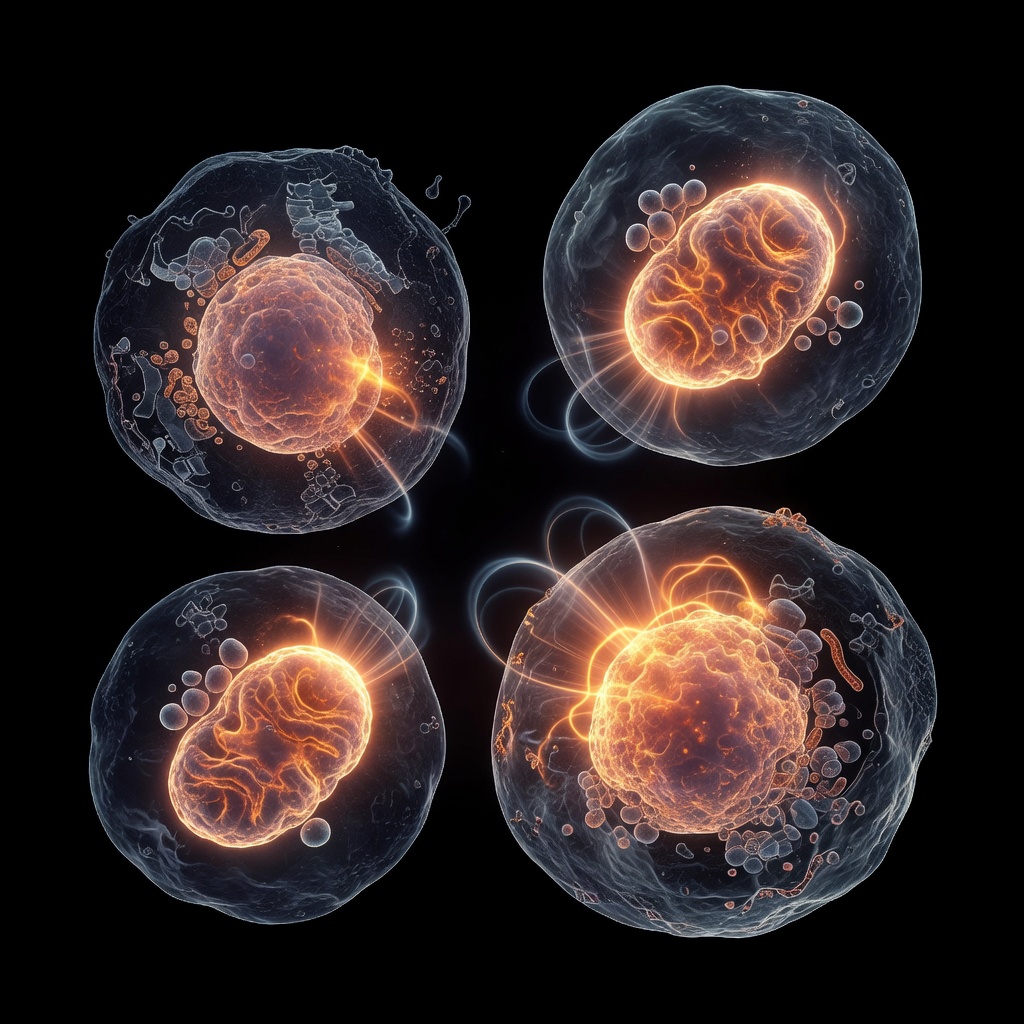
Today, we explore how chronic systemic inflammation (CSI) acts as a primary disruptor of the NVU, specifically through the breakdown of paracellular transport mechanisms. ## The Architecture of the Neurovascular Unit. The NVU is not a single structure but a collaborative assembly of cells working in synchrony. It comprises: 1. Endothelial Cells: The primary building blocks of the brain's capillaries. Unlike peripheral endothelial cells, these are tightly packed to restrict the movement of substances. 2. Astrocytes: Glial cells that extend 'end-feet' to wrap around the capillaries, providing metabolic support and signalling to regulate blood flow. 3. Pericytes: Contractile cells embedded in the capillary basement membrane that help maintain the structural integrity of the barrier and regulate the 'tightness' of the junctions. 4. Microglia: The brain's resident immune cells, constantly surveying the environment for threats. 5. Basement Membrane: An extracellular matrix that provides the structural scaffolding for these interactions. When these components function in harmony, they ensure that the brain receives necessary nutrients (via highly regulated transcellular transport) while excluding pathogens and large inflammatory molecules. ## The Mechanisms of Paracellular Transport.
To understand how the barrier fails, we must understand how it stays closed. In the brain, the gaps between endothelial cells are sealed by Tight Junctions (TJs). This method of sealing prevents 'paracellular transport'—the unregulated movement of solutes between cells. Tight Junctions are composed of several key proteins: Claudins and Occludins: These are the 'zips' that physically hold the cell membranes together. Zonula Occludens (ZO-1, 2, 3): These act as the anchors, tethering the claudins and occludins to the cell’s internal cytoskeleton. Under healthy conditions, the NVU ensures that paracellular leakage is virtually non-existent, forcing almost all molecules to go through the 'front door' (transcellular transport) where they can be properly screened and metabolised. ## The Systemic Trigger: Chronic Low-Grade Inflammation.
The greatest threat to this delicate balance is chronic systemic inflammation. Whether originating from intestinal permeability (leaky gut), metabolic syndrome, chronic infections, or persistent psychological stress, systemic inflammation introduces a cocktail of pro-inflammatory cytokines into the bloodstream—most notably Tumour Necrosis Factor-alpha (TNF-α), Interleukin-6 (IL-6), and Interleukin-1 beta (IL-1β). When these cytokines reach the NVU, they don't necessarily need to cross the barrier to cause damage. Instead, they bind to receptors on the luminal (blood-facing) side of the endothelial cells. This binding triggers an internal signalling cascade within the NVU that begins the process of dysregulation. ## Molecular Mechanisms of Barrier Failure.
The transition from a healthy NVU to a dysregulated one involves several critical steps: ### 1. Activation of Matrix Metalloproteinases (MMPs). Systemic inflammation stimulates the release and activation of MMPs, specifically MMP-2 and MMP-9. These enzymes are designed to break down the extracellular matrix. In the context of the NVU, they begin to digest the basement membrane and, crucially, the tight junction proteins themselves.
As claudin-5 and occludin are degraded, the 'zip' begins to loosen. ### 2. Redistribution of ZO-1. Chronic cytokine exposure leads to the phosphorylation of the ZO-1 anchor proteins. When ZO-1 is compromised, the remaining tight junction proteins lose their structural support and migrate away from the cell-to-cell interface, further opening the gaps between cells. ### 3. Reactive Astrogliosis.
Astrocytes, sensing the inflammatory signalling, shift from a supportive role to a reactive state. Their end-feet may retract from the capillaries, and they begin to release their own pro-inflammatory signals (chemokines) which further recruit immune cells to the area, creating a self-perpetuating cycle of local inflammation. ## The Consequence: Paracellular Leakage and Neuroinflammation. Once the tight junctions are compromised, the barrier becomes 'leaky'. This is the onset of paracellular transport dysregulation. Substances that were previously excluded can now enter the brain parenchyma: Fibrinogen and Albumin: These large blood proteins, when they leak into the brain, are neurotoxic and trigger further microglial activation. Environmental Toxins and Pathogens: Microbial debris (like Lipopolysaccharides or LPS) can enter the central nervous system, directly irritating neuronal tissues. Peripheral Immune Cells: T-cells and macrophages can infiltrate the brain in large numbers, leading to an environment of chronic neuroinflammation.
The result is a 'foggy' brain, characterised by slowed processing speeds, cognitive fatigue, and, over time, the accumulation of proteins associated with Alzheimer’s and Parkinson’s disease. ## The Root Cause Approach: Restoring NVU Integrity. At INNERSTANDING, we believe that understanding the mechanism dictates the solution. To address NVU dysregulation, one must look beyond the brain and focus on the systemic environment: Addressing Gut Health: Since the gut is a major source of systemic LPS, healing the intestinal lining is often the first step in protecting the brain. Metabolic Optimisation: Stabilising blood sugar and improving insulin sensitivity reduces the glycation and oxidative stress that damage the endothelium. Targeted Phyto-nutrients: Compounds such as Sulforaphane, Curcumin, and Resveratrol have been shown to inhibit MMP activity and support the expression of tight junction proteins. Circadian Rhythm Alignment: The NVU undergoes essential repair and 'flushing' (via the glymphatic system) during deep sleep. Chronic sleep deprivation is a direct driver of BBB permeability. ## Conclusion. Neurovascular Unit dysregulation is not an overnight occurrence; it is the result of persistent systemic signals telling the brain’s gates to open.
By understanding that paracellular transport failure is a symptom of systemic 'fire,' we can shift our focus toward cooling the systemic environment. Protecting the tight junctions of the NVU is perhaps the most significant step one can take in the pursuit of lifelong cognitive clarity and neurological resilience. The barrier is dynamic, and with the right physiological interventions, its integrity can be restored.
This article is provided for informational and educational purposes only. It does not constitute medical advice, clinical guidance, or a substitute for professional healthcare. Information reflects cited research at time of publication. Always consult a qualified healthcare professional before acting on any health information.
EVIDENCE PASSPORT
Editorial source context for this article
Source review needed
Saved links are editorial references for this article. They may support specific claims rather than every sentence. Open and assess each source in context. This passport does not independently verify them.
Editorial context
A complete editorial reading has not been recorded for this article, and no source links are saved on its record.
Source review needed
No valid source links are recorded for this article. Supplementary research, where available, is listed separately below.
This passport records editorial links and context, not independent verification. Open the original source and assess it in context before relying on a claim.
Medical Disclaimer
The information in this article is for educational purposes only and does not constitute medical advice, diagnosis, or treatment. Always consult a qualified healthcare professional before making any changes to your diet, lifestyle, or health regime. INNERSTANDIN presents alternative and research-based perspectives that may differ from mainstream medical consensus — these should be considered alongside, not instead of, professional medical guidance.
Read Full DisclaimerContinue the thread
Keep this question moving.
Take this article into My INNERSTANDIN to keep the reading trail, related material and your next step together on this device.
Explore this in the Body Map
Explore related body structures and their educational pages in the interactive Body Map.
Dig deeper in the Library
Free, longform PDF volumes that go beyond headlines into mechanisms and references.