
NLRP3 Inflammasome Signaling: The Molecular Driver Behind Idiopathic Recurrent Pericarditis
Discuss this resourceUpdated May 2026
An in-depth exploration of the molecular mechanisms driving chronic pericardial inflammation, focusing on the NLRP3 inflammasome, IL-1 cytokine signaling, and the transition from idiopathic labels to autoinflammatory understanding.
Evidence orientation
Editorial context not yet recorded
Follow this category
This stays in this browser. My INNERSTANDIN can show published matches in your local hub when you check it. It does not send email, push, or alert notifications.
Local learning review
A private browser aid for revisiting ideas. It is not an alert or a health recommendation.
Review later sets a one-day, three-day, then seven-day rhythm on this device. Choose it only when you want to revisit this article.
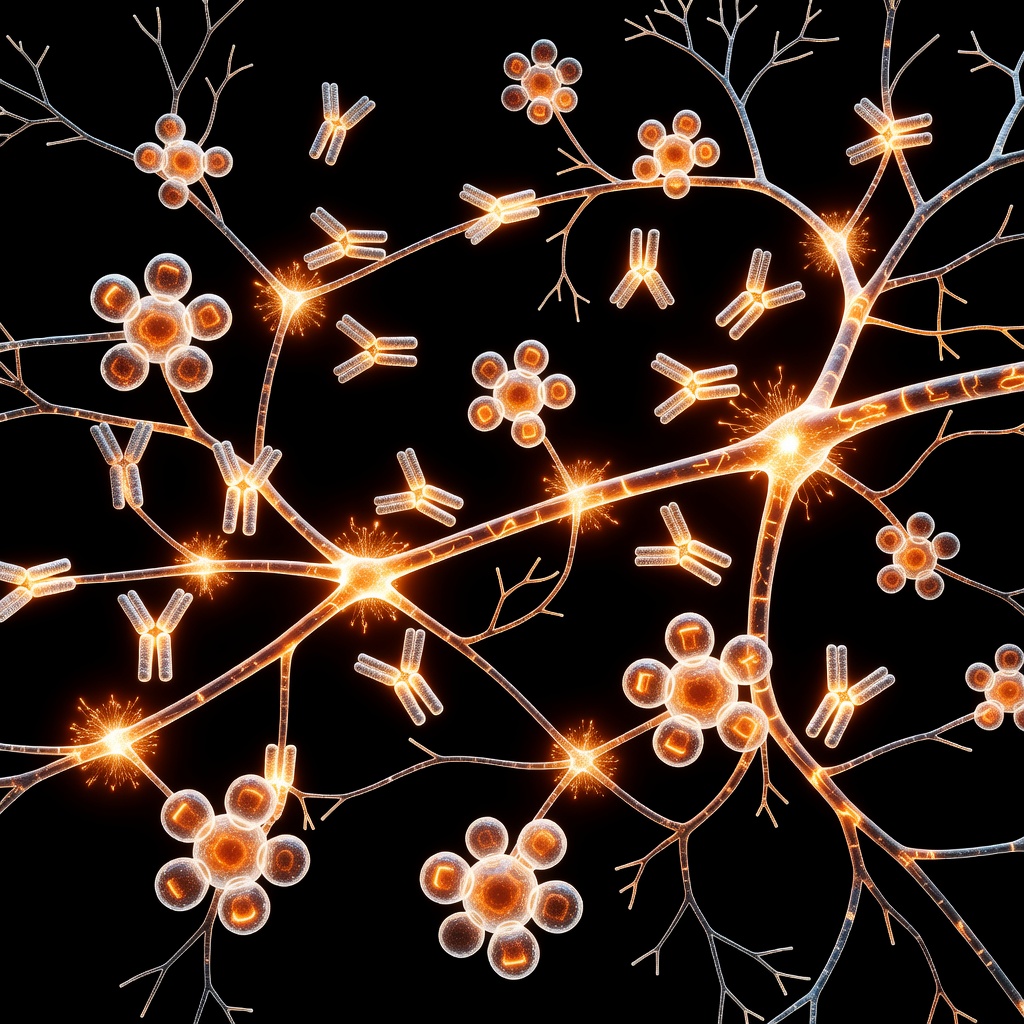
For decades, the label ‘idiopathic’ in Idiopathic Recurrent Pericarditis (IRP) served as a frustrating placeholder for a lack of molecular clarity. Patients suffering from the debilitating cycle of chest pain, fever, and pericardial effusion were often treated with a blunt-force approach of non-steroidal anti-inflammatory drugs (NSAIDs) and corticosteroids. However, recent breakthroughs in immunocardiology have pulled back the curtain on the root cause of this condition. We now understand that IRP is primarily an autoinflammatory disease, driven by the dysregulation of a specific intracellular protein complex: the NLRP3 inflammasome.
The Pericardium: A Sentinel Under Siege
The pericardium is a double-walled sac that encases the heart, providing lubrication and acting as a physical barrier against infection and over-expansion. While it is a resilient structure, it is densely populated with innate immune cells, particularly macrophages. These cells act as sentinels, equipped with pattern recognition receptors (PRRs) that monitor for signs of cellular stress or microbial invasion. In the context of IRP, the delicate balance of these sentinels is disrupted, leading to a self-perpetuating cycle of inflammation that targets the cardiac membrane.
The Autoinflammatory Shift
Historically, recurrent pericarditis was often grouped with autoimmune diseases. However, the distinction is vital for effective treatment. Unlike autoimmune diseases, which are driven by adaptive immunity (T-cells and B-cells producing specific antibodies), IRP is driven by the innate immune system. The star of this innate response is the NLRP3 (Nucleotide-binding oligomerization domain, Leucine-rich Repeat and Pyrin domain-containing protein 3) inflammasome. When this system malfunctions, it triggers an overproduction of pro-inflammatory cytokines, specifically Interleukin-1 beta (IL-1̢̣), without the need for an external pathogen.
The Two-Step Dance of the NLRP3 Inflammasome
The activation of the NLRP3 inflammasome is not a single event but a tightly regulated two-step process. In healthy individuals, this ensures that the body does not trigger a massive inflammatory response unnecessarily. In IRP patients, this regulation fails.
Signal 1: The Priming Phase
The first step involves the ‘priming’ of the cell. This is usually triggered by endogenous ‘danger signals’ known as Damage-Associated Molecular Patterns (DAMPs) or exogenous Pathogen-Associated Molecular Patterns (PAMPs). These signals bind to Toll-like receptors on the macrophage surface, activating the NF-̢̣B pathway. This pathway leads to the increased gene expression of NLRP3 itself and the precursor form of the cytokine IL-1̢̣ (pro-IL-1̢̣). At this stage, the ‘gun’ is loaded but not yet fired.
Signal 2: The Activation and Assembly Phase
The second signal is what triggers the physical assembly of the inflammasome complex. This can be caused by various cellular stressors common in pericardial injury, such as potassium efflux, mitochondrial ROS (Reactive Oxygen Species) production, or the presence of uric acid crystals. Once triggered, the NLRP3 protein recruits an adapter protein called ASC and an enzyme called pro-caspase-1.
This assembly forms the active NLRP3 inflammasome. The caspase-1 enzyme then undergoes auto-cleavage and becomes active, acting as molecular scissors that cut pro-IL-1̢̣ into its highly potent, active form: IL-1̢̣.
IL-1̢̣: The Master Cytokine of Pericarditis
Once IL-1̢̣ is secreted from the cell, it acts as a powerful orchestrator of inflammation. It binds to IL-1 receptors on the pericardial mesothelial cells and surrounding blood vessels, leading to:
- Vasodilation and Permeability: Causing the characteristic fluid buildup (pericardial effusion).
- Neutrophil Recruitment: Drawing more immune cells into the pericardial space, which release further proteases and oxidative stress markers.
- Pain Sensitization: Directly stimulating nociceptors (pain-sensing nerves) in the pericardium, resulting in the sharp, pleuritic chest pain typical of the condition.
Crucially, IL-1̢̣ can also stimulate the further production of itself, creating a ‘feed-forward’ loop. This explains why pericarditis so frequently recurs; the molecular machinery is primed to react to the very damage that the inflammation itself causes.
Why Does It Recur? The Role of DAMPs
The ‘idiopathic’ nature of IRP often stems from the fact that the original trigger (perhaps a minor viral infection) has long since vanished. However, the initial inflammation causes pericardial cell death. These dying cells release DAMPs, such as ATP and heat-shock proteins, back into the pericardial microenvironment. These DAMPs then act as ���Signal 2,’ re-activating the NLRP3 inflammasome in a continuous cycle of sterile inflammation. This creates a state of ‘pericardial hyper-responsiveness’ where even minor physical stress can trigger a full-blown flare.
From Theory to Therapy: The Biological Revolution
Understanding the NLRP3-IL-1̢̣ axis has fundamentally changed the clinical management of IRP. Traditional therapies like corticosteroids often provided temporary relief but frequently led to ‘steroid dependence’ and actually increased the risk of future recurrences by interfering with the natural resolution of inflammation.
Modern treatment now targets the root cause directly. Biological agents such as Anakinra (an IL-1 receptor antagonist) and Rilonacept (an IL-1̢̣ and IL-1̡̣ cytokine trap) have shown remarkable efficacy in clinical trials like RHAPSODY and AIRTRIP. By blocking the signal of the IL-1 cytokine, these drugs effectively ‘silence’ the alarm set off by the NLRP3 inflammasome, allowing the pericardium to heal and breaking the cycle of recurrence.
Conclusion: A New Era for Pericardial Health
The shift from viewing recurrent pericarditis as a mysterious ‘idiopathic’ ailment to a specific molecular disorder of the NLRP3 inflammasome represents a triumph of translational medicine. For patients, this means moving away from the side effects of chronic steroid use and toward precision therapies that address the underlying molecular drivers. As we continue to map the intricate signaling pathways of the cardiac membrane, the goal is no longer just managing the pain of pericarditis, but achieving long-term remission through targeted immunological control.
This article is provided for informational and educational purposes only. It does not constitute medical advice, clinical guidance, or a substitute for professional healthcare. Information reflects cited research at time of publication. Always consult a qualified healthcare professional before acting on any health information.
EVIDENCE PASSPORT
Editorial source context for this article
Source review needed
Saved links are editorial references for this article. They may support specific claims rather than every sentence. Open and assess each source in context. This passport does not independently verify them.
Editorial context
A complete editorial reading has not been recorded for this article, and no source links are saved on its record.
Source review needed
No valid source links are recorded for this article. Supplementary research, where available, is listed separately below.
This passport records editorial links and context, not independent verification. Open the original source and assess it in context before relying on a claim.
Medical Disclaimer
The information in this article is for educational purposes only and does not constitute medical advice, diagnosis, or treatment. Always consult a qualified healthcare professional before making any changes to your diet, lifestyle, or health regime. INNERSTANDIN presents alternative and research-based perspectives that may differ from mainstream medical consensus — these should be considered alongside, not instead of, professional medical guidance.
Read Full DisclaimerContinue the thread
Keep this question moving.
Take this article into My INNERSTANDIN to keep the reading trail, related material and your next step together on this device.
Explore this in the Body Map
Explore related body structures and their educational pages in the interactive Body Map.
Dig deeper in the Library
Free, longform PDF volumes that go beyond headlines into mechanisms and references.