
The Silent Pathogen: How Oral Dysbiosis Seeds Neurodegeneration
Published April 2026
An investigative look at how Porphyromonas gingivalis translocates from the gums to the brain, contributing to Alzheimer's through the action of gingipains and amyloid-beta response.
Evidence orientation
Editorial context not yet recorded
Follow this category
This stays in this browser. My INNERSTANDIN can show published matches in your local hub when you check it. It does not send email, push, or alert notifications.
Local learning review
A private browser aid for revisiting ideas. It is not an alert or a health recommendation.
Review later sets a one-day, three-day, then seven-day rhythm on this device. Choose it only when you want to revisit this article.
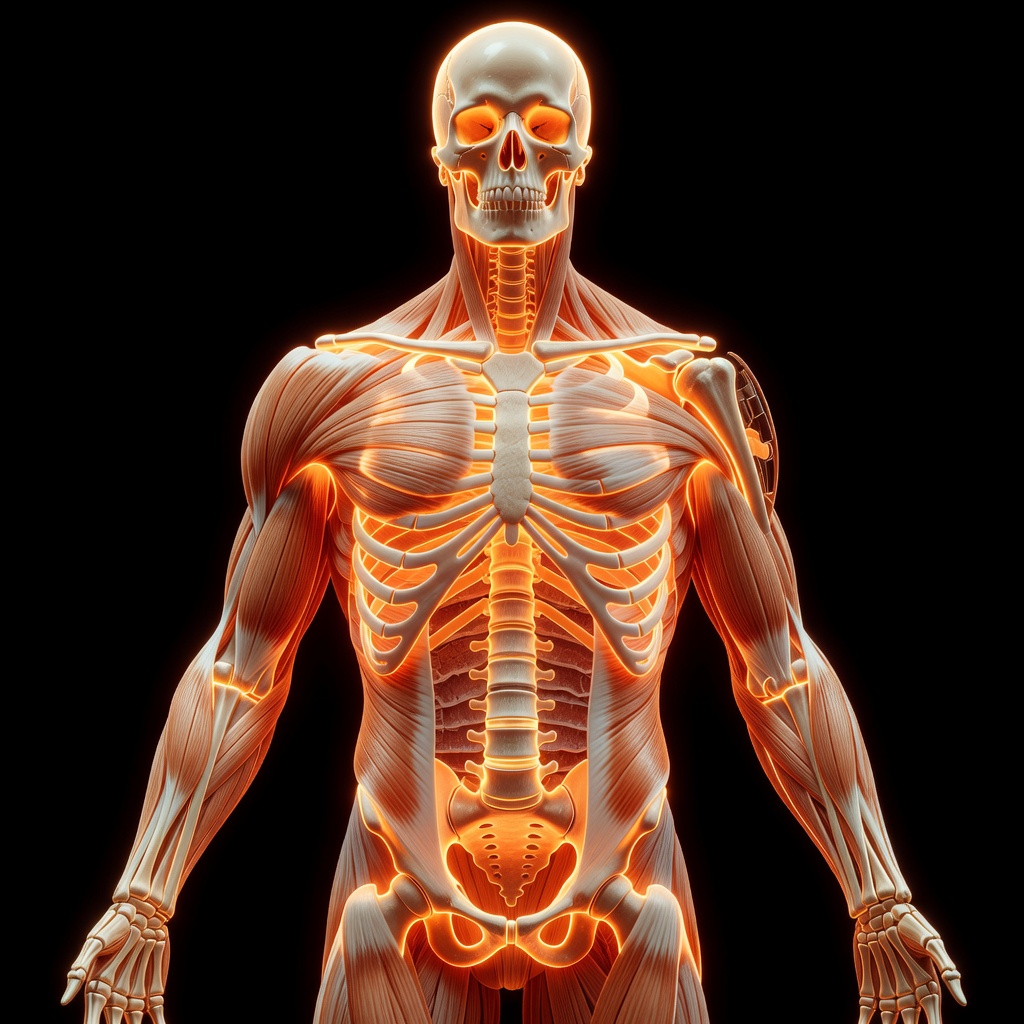
Modern dentistry has long focused on the mechanical aspects of oral health—drilling, filling, and scaling. However, this narrow focus ignores a profound biological reality: the oral cavity is a primary driver of systemic longevity and neuroprotection. Emerging research identifies Porphyromonas gingivalis, a keystone pathogen in periodontal disease, as a significant player in the pathogenesis of Alzheimer's Disease. Unlike the simplistic view of plaque as a mere hygiene failure, the presence of P. gingivalis represents a breakdown of the oral-blood barrier, allowing for the translocation of toxic proteases known as gingipains to the brain. Investigative studies have identified these gingipains in the brains of Alzheimer's patients, where they correlate with tau protein aggregation and neuronal damage.
The biological mechanism involves the degradation of tight junction proteins, compromising the blood-brain barrier's integrity. Furthermore, the brain's production of amyloid-beta—traditionally viewed as a purely pathological byproduct—is now being reconsidered as an antimicrobial response to these oral invaders. When we view neurodegeneration through this lens, the systemic importance of the oral microbiome becomes undeniable. Mainstream medicine often treats the mouth and brain as separate entities, yet the molecular evidence suggests they are inextricably linked via a pathway of chronic inflammatory translocation. Section 1: The Trojan Horse of Oral Pathogens.
P. gingivalis does not act alone; it reshapes the entire microbial community, turning a symbiotic environment into a dysbiotic one. By subverting the host immune system, it creates a persistent inflammatory state that facilitates its entry into the bloodstream. This bacteremia is not a transient event but a chronic seeding of the systemic circulation. Section 2: Gingipains and Neuronal Destruction. Once in the brain, gingipains act like molecular scissors, cleaving essential proteins required for neuronal health.
They induce oxidative stress and trigger a cytokine storm within the microglial cells, the brain's immune defenders. This sustained activation leads to collateral damage of healthy neurons, accelerating the cognitive decline associated with dementia. Section 3: Reevaluating the Amyloid Hypothesis. If amyloid-beta is indeed an antimicrobial peptide, then clearing it without addressing the underlying infection—such as oral dysbiosis—is fundamentally flawed. True prevention must start with the stabilization of the oral microbiome, moving beyond superficial cleanings toward the eradication of keystone pathogens and the restoration of the oral barrier.
This requires a paradigm shift in both dentistry and neurology, recognizing that the health of the gingival crevice is a prerequisite for the health of the hippocampus.
This article is provided for informational and educational purposes only. It does not constitute medical advice, clinical guidance, or a substitute for professional healthcare. Information reflects cited research at time of publication. Always consult a qualified healthcare professional before acting on any health information.
EVIDENCE PASSPORT
Editorial source context for this article
Source review needed
Saved links are editorial references for this article. They may support specific claims rather than every sentence. Open and assess each source in context. This passport does not independently verify them.
Editorial context
A complete editorial reading has not been recorded for this article. Source links remain available for you to open and assess directly.
Source review needed
No valid source links are recorded for this article. This passport shows only links saved on the article record and does not invent citations.
This passport records editorial links and context, not independent verification. Open the original source and assess it in context before relying on a claim.
Medical Disclaimer
The information in this article is for educational purposes only and does not constitute medical advice, diagnosis, or treatment. Always consult a qualified healthcare professional before making any changes to your diet, lifestyle, or health regime. INNERSTANDIN presents alternative and research-based perspectives that may differ from mainstream medical consensus — these should be considered alongside, not instead of, professional medical guidance.
Read Full DisclaimerContinue the thread
Keep this question moving.
Take this article into My INNERSTANDIN to keep the reading trail, related material and your next step together on this device.
Explore this in the Body Map
See where this hits your biology. Interactive anatomy, threats, and protective protocols.
Dig deeper in the Library
Free, longform PDF volumes that go beyond headlines into mechanisms and references.