
P-21: Boosting BDNF for Enhanced Learning and Memory
Updated May 2026
P-21 is a derivative of CNTF that enhances neurogenesis and memory formation. We explore its potential as a 'nootropic' peptide for the high-pressure British educational and corporate sectors.
Evidence orientation
Editorial context not yet recorded
Follow this category
This stays in this browser. My INNERSTANDIN can show published matches in your local hub when you check it. It does not send email, push, or alert notifications.
Local learning review
A private browser aid for revisiting ideas. It is not an alert or a health recommendation.
Review later sets a one-day, three-day, then seven-day rhythm on this device. Choose it only when you want to revisit this article.
Overview
In the modern landscape of cognitive enhancement, the boundary between biological necessity and technological intervention has become increasingly blurred. We live in an era characterized by an unprecedented cognitive load—a relentless stream of data, high-stakes professional environments, and an educational system that demands near-superhuman levels of retention and synthesis. Yet, simultaneously, our biological hardware is under siege from environmental toxins, nutritional deficiencies, and chronic stress.
Enter P-21. A synthetic peptide derivative of Ciliary Neurotrophic Factor (CNTF), P-21 represents a pinnacle in the field of nootropic research. Unlike traditional stimulants—such as caffeine or modafinil—which merely "borrow" energy from the future and tax the adrenal system, P-21 operates on a fundamental, structural level. It does not simply mask fatigue; it facilitates neurogenesis (the birth of new neurons) and synaptogenesis (the creation of new synaptic connections).
P-21 is a "peptidomimetic" compound, specifically designed to bypass the limitations of its parent molecule, CNTF. While CNTF showed massive promise in treating neurodegenerative conditions, its clinical utility was hampered by its inability to cross the blood-brain barrier (BBB) and its tendency to trigger systemic inflammation. P-21 solves these issues. It is a truncated, highly potent four-amino acid sequence that penetrates the central nervous system to directly stimulate the brain's "growth factors," most notably Brain-Derived Neurotrophic Factor (BDNF).
For the high-pressure sectors of the United Kingdom—from the frantic trading floors of the City of London to the rigorous academic halls of Oxbridge—P-21 is emerging as the "gold standard" for those seeking a structural, rather than merely functional, edge. This article provides a deep dive into the molecular mechanics, environmental context, and hidden potential of this remarkable peptide.
The Biology — How It Works
To understand P-21, one must first understand the hierarchy of neurotrophic factors. The brain is not a static organ; it is a plastic, ever-evolving network. This plasticity is governed by proteins known as neurotrophins.
The CNTF Connection
P-21 was developed through the work of researchers looking to harness the power of Ciliary Neurotrophic Factor. In its natural form, CNTF is a potent survival factor for neurons. However, the body treats exogenous CNTF as a foreign invader when administered systemically, often resulting in the production of neutralizing antibodies and weight loss (cachexia).
Researchers identified that only a small portion of the CNTF molecule—an epitope—was responsible for its neurogenic effects. By isolating this specific sequence and modifying it to enhance stability and permeability, they created P-21. Specifically, P-21 mimics the C-terminal portion of CNTF.
BDNF: The Brain’s Fertilizer
While P-21 is derived from CNTF, its primary mechanism involves the upregulation of Brain-Derived Neurotrophic Factor (BDNF). BDNF is often referred to by neuroscientists as "Miracle-Gro for the brain." It is a protein that acts on certain neurons of the central nervous system and the peripheral nervous system, helping to support the survival of existing neurons and encouraging the growth and differentiation of new neurons and synapses.
Key Fact: BDNF is essential for Long-Term Potentiation (LTP), the process by which synaptic connections become stronger with frequent activation. LTP is the cellular basis for learning and memory formation.
Overcoming the Blood-Brain Barrier
The most significant biological achievement of P-21 is its bioavailability. Most peptides are degraded by enzymes in the gut or cannot pass the tightly packed endothelial cells of the blood-brain barrier. P-21 is unique because its small molecular size and specific amino acid arrangement allow it to cross from the bloodstream into the brain parenchyma with remarkable efficiency, where it can begin its work at the cellular level.
Mechanisms at the Cellular Level
P-21 does not just increase BDNF; it orchestrates a complex biochemical dance that reverses cellular aging and enhances communication between neurons.
Inhibition of I-2PP2A
Perhaps the most "exposing" truth about P-21 is its interaction with PP2A (Protein Phosphatase 2A). PP2A is a major enzyme in the brain responsible for dephosphorylating Tau proteins. When Tau proteins become hyperphosphorylated, they form "tangles," which are a hallmark of Alzheimer’s disease and general cognitive decline.
There is a naturally occurring protein in our brains called I-2PP2A which, as the name suggests, inhibits the beneficial PP2A enzyme. High levels of I-2PP2A lead to neurodegeneration. P-21 acts as a potent inhibitor of I-2PP2A. By neutralizing this inhibitor, P-21 allows PP2A to remain active, thereby preventing Tau tangles and keeping the cellular "skeleton" of the neuron intact and functional.
Synergy with the TrkB Receptor
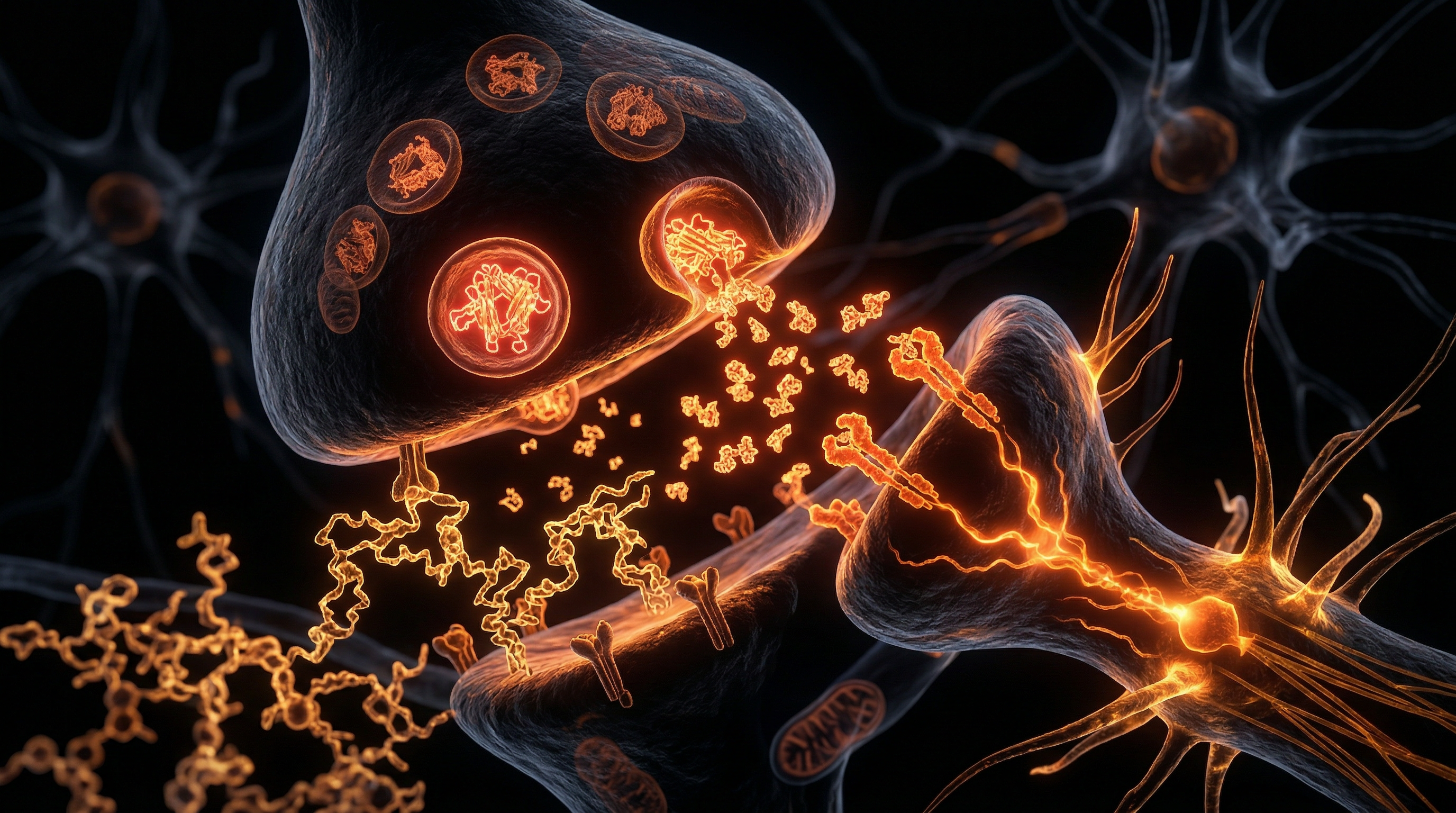
BDNF works by binding to a receptor called TrkB (Tropomyosin receptor kinase B). P-21 increases the expression of BDNF, which then floods the TrkB receptors. This binding triggers a signaling cascade (the PI3K/Akt and MAPK/ERK pathways) that:
- Promotes neuronal differentiation.
- Increases the complexity of dendritic branching.
- Enhances synaptic vesicle release, making signal transmission faster and more reliable.
Neurogenesis in the Subgranular Zone
One of the most profound effects of P-21 is its ability to stimulate the Subgranular Zone (SGZ) of the hippocampus. The hippocampus is the seat of memory and spatial navigation. For decades, the mainstream scientific establishment claimed that adult humans could not grow new brain cells. We now know this is false. P-21 directly promotes the proliferation of neural stem cells, effectively allowing the brain to "refresh" its hardware.
- Neuronal Maturation: P-21 doesn't just create "baby" neurons; it ensures they mature into fully functioning, integrated cells.
- Improved Integration: These new neurons are more easily integrated into existing circuits, improving "fluid intelligence."
Environmental Threats and Biological Disruptors
The sudden surge in interest for peptides like P-21 is not a coincidence. It is a biological reaction to an increasingly hostile environment. Our innate capacity to produce BDNF is being systematically throttled by modern living.
The Glyphosate and Pesticide Burden
In the UK, agricultural runoff and the widespread use of glyphosate-based herbicides have introduced neurotoxic compounds into the food chain. Glyphosate has been shown to disrupt the gut microbiome—the "second brain." Since a significant portion of the body's neurochemicals are synthesized in the gut, this disruption leads to a direct decline in neuroplasticity.
Electromagnetic Fields (EMFs) and Calcium Signaling
The saturation of urban environments with 5G and high-frequency EMFs has been linked by some researchers to the disruption of Voltage-Gated Calcium Channels (VGCCs) in the brain. When these channels are over-activated by external frequencies, it leads to an influx of calcium, causing oxidative stress and mitochondrial dysfunction, which in turn suppresses BDNF production.
Fluoridation and the Pineal Gland
The continued fluoridation of water supplies in various UK regions is a point of contention. Scientific literature suggests that fluoride can accumulate in the brain and the pineal gland, potentially lowering IQ and inhibiting the natural neurogenic processes that P-21 is designed to enhance.
Statistic: Research indicates that chronic exposure to environmental neurotoxins can reduce endogenous BDNF levels by as much as 40% over a decade of adult life.
The Cascade: From Exposure to Disease
What begins as a "foggy brain" or minor forgetfulness is often the first step in a biological cascade that leads to total cognitive collapse.
Chronic Neuro-inflammation
Environmental stressors trigger the brain’s immune cells—the microglia. In a healthy state, microglia clean up debris. In a state of chronic stress or toxicity, they become hyper-activated, releasing inflammatory cytokines like TNF-alpha and IL-6. This "cytokine storm" in the brain creates an environment where neurogenesis is impossible.
Excitotoxicity
When the brain is inflamed and BDNF is low, the neurotransmitter glutamate (the brain's primary "on" switch) can become toxic. Without the protective effects of neurotrophins, neurons become over-excited and literally "burn out" and die. This is known as excitotoxicity. P-21 serves as a vital buffer against this process, increasing the resilience of neurons to glutamate-induced stress.
The Metabolic Link
There is a growing consensus that cognitive decline is "Type 3 Diabetes." Insulin resistance in the brain prevents neurons from utilizing glucose effectively, leading to cellular starvation. P-21’s ability to enhance mitochondrial biogenesis helps to bypass this metabolic bottleneck, providing neurons with the energy required for repair and growth.
What the Mainstream Narrative Omits
The suppression of P-21's potential is a classic example of the "sickness over wellness" paradigm prevalent in modern medicine.
The Patent Problem
Natural peptides and their direct mimics are difficult to patent in the same way as novel, synthetic pharmaceutical drugs. Because P-21 is based on a naturally occurring protein fragment (CNTF), the profit margins for Big Pharma are significantly lower. Consequently, large-scale clinical trials—which cost hundreds of millions of pounds—are rarely funded for these types of compounds.
The "Symptom Management" Industry
The medical-industrial complex is built on managing chronic symptoms rather than providing cures or structural enhancements. A drug that a patient must take every day for thirty years to manage "brain fog" or "depression" is far more profitable than a peptide protocol that restores the brain's innate neurogenic capacity.
The Cognitive Liberty Debate
There is a deeper, more philosophical reason for the "omission" of P-21 from mainstream discourse. If the general population had access to tools that significantly enhanced memory, learning, and critical thinking, the current socio-economic structures—which often rely on a degree of public compliance and cognitive "autopilot"—might be challenged.
- Education: If students can synthesize information 30% faster, the current examination-based system becomes obsolete.
- Corporate: If workers can maintain high-level cognitive function into their 70s, the "retirement and replace" model of the corporate world is disrupted.
The UK Context
The United Kingdom presents a unique environment for the adoption of P-21, driven by both intense professional pressure and a shift in the regulatory landscape.
The "City" and Corporate Burnout
In London’s financial district, the culture of "presenteeism" and 100-hour work weeks has led to a crisis of burnout. Traditional stimulants like cocaine or excessive caffeine lead to cardiovascular issues and eventual "crashing." P-21 is being adopted by high-level executives as a "sustainable" alternative—a way to maintain cognitive sharpness without the physiological toll of stimulants.
The Academic Arms Race
In the UK’s elite universities, the use of "smart drugs" is an open secret. However, students are moving away from the "jittery" effects of Ritalin toward the "calm clarity" provided by neurogenic peptides. P-21 is particularly prized for its ability to improve verbal fluency and complex problem-solving, which are essential for the humanities and sciences alike.
Regulatory Status in the UK
As of the current writing, P-21 occupies a legal "grey area" in the UK. While not licensed by the MHRA (Medicines and Healthcare products Regulatory Agency) for medical use, it is not a scheduled substance under the Misuse of Drugs Act. It is currently categorized as a "research chemical," allowing individuals to exercise their biological sovereignty to acquire it for personal research.
Callout: The UK's "Nootropic Underground" is one of the most sophisticated in the world, with a high concentration of biohackers utilizing P-21 to counteract the "brain drain" of modern British life.
Protective Measures and Recovery Protocols
If one decides to explore the potential of P-21, it should not be done in isolation. A holistic approach is required to maximize the neurogenic "window" that the peptide opens.
Administration and Dosage
P-21 is typically administered via subcutaneous injection or intranasal spray. The intranasal route is often preferred by biohackers as it provides a direct pathway to the brain via the olfactory bulb, potentially bypassing what remains of the blood-brain barrier.
- Dosage: Common research protocols suggest 1mg to 5mg per day.
- Cycle: It is often cycled (e.g., 4 weeks on, 2 weeks off) to prevent any potential downregulation of receptors, although evidence for P-21 tolerance is minimal.
Nutritional Co-Factors
To build new brain cells, the body needs the "raw materials." P-21 should be paired with:
- Omega-3 Fatty Acids (DHA/EPA): The structural components of neuronal membranes.
- Magnesium L-Threonate: The only form of magnesium that effectively crosses the BBB to support synaptic plasticity.
- Choline Sources (Alpha-GPC or CDP-Choline): To support the increased demand for acetylcholine during periods of heightened learning.
Lifestyle Synergies
- Intermittent Fasting: Fasting naturally boosts BDNF. Combining fasting with P-21 creates a powerful synergistic effect on neurogenesis.
- Cold Exposure: Short bursts of cold (ice baths or cold showers) release norepinephrine and "cold shock proteins" that further protect neurons from damage.
- High-Intensity Interval Training (HIIT): Exercise is the most potent natural trigger for BDNF. Performing HIIT while on a P-21 protocol can "turbocharge" the growth of the hippocampus.
Avoiding "Neurogenesis Killers"
While using P-21, it is imperative to eliminate factors that stifle brain growth:
- Refined Sugars: High blood sugar (hyperglycaemia) is a direct inhibitor of BDNF.
- Alcohol: Even moderate alcohol consumption is neurotoxic and halts the birth of new neurons in the SGZ.
- Sleep Deprivation: The brain "cleans" itself during deep sleep via the glymphatic system. Without sleep, the debris P-21 helps to clear (like Tau) will simply re-accumulate.
Summary: Key Takeaways
P-21 represents a significant leap forward in our ability to consciously direct our own biological evolution. It is more than a "study drug"; it is a tool for neurological restoration.
- Neurogenic Power: P-21 is a derivative of CNTF that stimulates the growth of new neurons and synapses by mimicking natural growth factors.
- BDNF Upregulation: It increases the brain's primary "growth fertilizer," leading to improved memory, faster learning, and enhanced mood.
- Structural Defense: By inhibiting the I-2PP2A protein, P-21 protects the brain from the "tangles" and decay associated with Alzheimer’s and general cognitive decline.
- Environmental Shield: It provides a necessary biological buffer against the "neurotoxic soup" of modern life—from glyphosate to EMFs.
- Cognitive Sovereignty: In a world that demands more from our brains while simultaneously poisoning them, P-21 offers a path to reclaiming and enhancing our most valuable asset: our mind.
As we move further into an age of information density and environmental complexity, the ability to maintain a plastic, growing, and resilient brain is no longer a luxury—it is a survival necessity. P-21, though currently relegated to the fringes of "research," may soon be recognized as one of the most important discoveries in the history of cognitive science. For those within the UK’s high-pressure sectors, it offers a glimpse into a future where cognitive decline is no longer an inevitability, but a choice.
The question is no longer if we can enhance the human brain, but whether we have the courage to use the tools already at our disposal to do so. In the pursuit of "Innerstanding," P-21 is an essential ally.
This article is provided for informational and educational purposes only. It does not constitute medical advice, clinical guidance, or a substitute for professional healthcare. Information reflects cited research at time of publication. Always consult a qualified healthcare professional before acting on any health information.
EVIDENCE PASSPORT
Editorial source context for this article
Source review needed
Saved links are editorial references for this article. They may support specific claims rather than every sentence. Open and assess each source in context. This passport does not independently verify them.
Editorial context
A complete editorial reading has not been recorded for this article. Source links remain available for you to open and assess directly.
Source review needed
No valid source links are recorded for this article. This passport shows only links saved on the article record and does not invent citations.
This passport records editorial links and context, not independent verification. Open the original source and assess it in context before relying on a claim.
Medical Disclaimer
The information in this article is for educational purposes only and does not constitute medical advice, diagnosis, or treatment. Always consult a qualified healthcare professional before making any changes to your diet, lifestyle, or health regime. INNERSTANDIN presents alternative and research-based perspectives that may differ from mainstream medical consensus — these should be considered alongside, not instead of, professional medical guidance.
Read Full DisclaimerContinue the thread
Keep this question moving.
Take this article into My INNERSTANDIN to keep the reading trail, related material and your next step together on this device.
Explore this in the Body Map
See where this hits your biology. Interactive anatomy, threats, and protective protocols.
Dig deeper in the Library
Free, longform PDF volumes that go beyond headlines into mechanisms and references.