
The Genomic Tax: How PARP-1 Activation Bankrupts Your Cellular Energy
Published April 2026
An investigative look at the metabolic competition between DNA repair enzymes and longevity proteins for the limited supply of NAD+.
Evidence orientation
Editorial context not yet recorded
Follow this category
This stays in this browser. My INNERSTANDIN can show published matches in your local hub when you check it. It does not send email, push, or alert notifications.
Local learning review
A private browser aid for revisiting ideas. It is not an alert or a health recommendation.
Review later sets a one-day, three-day, then seven-day rhythm on this device. Choose it only when you want to revisit this article.
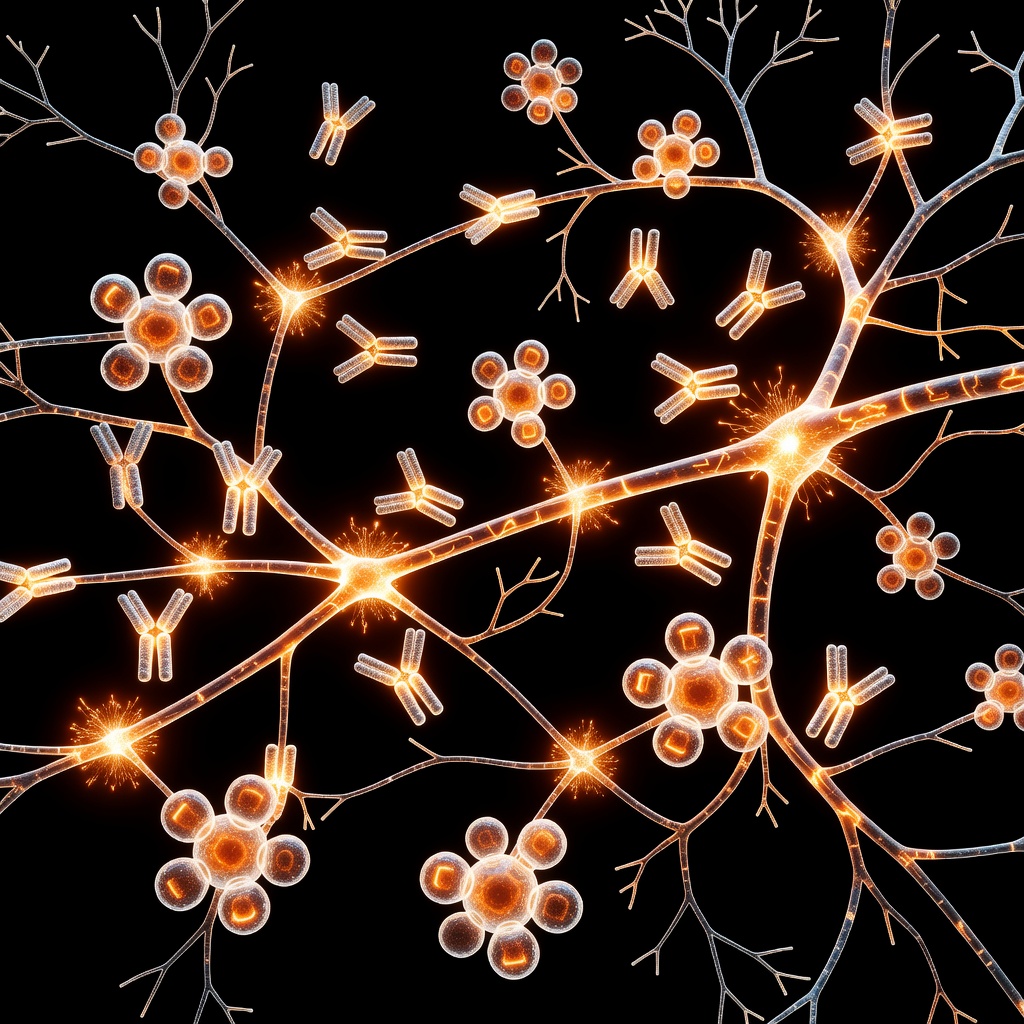
Cells operate on a strict energy budget, and in the hierarchy of survival, DNA repair often takes precedence over metabolic vitality. This tension is best exemplified by the relationship between PARP-1 (Poly ADP-ribose polymerase) and Sirtuins. Both groups of enzymes require NAD+ as a co-substrate, but they use it for very different purposes. PARP-1 is the cell’s primary DNA damage sensor. When DNA strands break due to oxidative stress, radiation, or environmental toxins, PARP-1 activates and consumes vast quantities of NAD+ to create polymers of ADP-ribose, which signal the repair machinery.
In the event of chronic genomic instability—a hallmark of the modern lifestyle—PARP-1 becomes hyper-activated. This creates a 'genomic tax' that bankrupts the cell’s NAD+ reserves, leaving almost nothing for the Sirtuins, the enzymes responsible for longevity, gene silencing, and mitochondrial biogenesis. Mainstream medicine focuses on treating the symptoms of low energy, but ignores this silent bankruptcy. When NAD+ is diverted to repair, Sirtuin 1 (SIRT1) activity drops, leading to the acetylation of PGC-1alpha and a subsequent decline in mitochondrial function. This explains the characteristic fatigue and metabolic slowing associated with age and chronic stress.
To counteract this, we must adopt a dual strategy: reducing the triggers for DNA damage (such as environmental pollutants and high-glycemic diets) and supporting the pool of NAD+ to satisfy both the repair and longevity pathways. Interestingly, some research suggests that small-molecule inhibitors of PARP can actually extend lifespan in certain models by sparing NAD+ for Sirtuin activity, though this must be balanced against the need for effective DNA repair. The goal is not to stop repair, but to ensure the energy tax doesn't lead to metabolic insolvency. By understanding this internal competition, we can better appreciate why antioxidant support and DNA protection are foundational to any NAD+ restoration protocol.
This article is provided for informational and educational purposes only. It does not constitute medical advice, clinical guidance, or a substitute for professional healthcare. Information reflects cited research at time of publication. Always consult a qualified healthcare professional before acting on any health information.
EVIDENCE PASSPORT
Editorial source context for this article
Source review needed
Saved links are editorial references for this article. They may support specific claims rather than every sentence. Open and assess each source in context. This passport does not independently verify them.
Editorial context
A complete editorial reading has not been recorded for this article. Source links remain available for you to open and assess directly.
Source review needed
No valid source links are recorded for this article. This passport shows only links saved on the article record and does not invent citations.
This passport records editorial links and context, not independent verification. Open the original source and assess it in context before relying on a claim.
Medical Disclaimer
The information in this article is for educational purposes only and does not constitute medical advice, diagnosis, or treatment. Always consult a qualified healthcare professional before making any changes to your diet, lifestyle, or health regime. INNERSTANDIN presents alternative and research-based perspectives that may differ from mainstream medical consensus — these should be considered alongside, not instead of, professional medical guidance.
Read Full DisclaimerContinue the thread
Keep this question moving.
Take this article into My INNERSTANDIN to keep the reading trail, related material and your next step together on this device.
Explore this in the Body Map
See where this hits your biology. Interactive anatomy, threats, and protective protocols.
Dig deeper in the Library
Free, longform PDF volumes that go beyond headlines into mechanisms and references.