
Pathogenic Biofilms: The Protective Fortresses Hiding Chronic Infections
Updated May 2026
Many chronic infections persist because pathogens construct extracellular matrixes known as biofilms, which act as physical shields against antibiotics and immune cells. Learning to disrupt these biological fortresses is a key frontier in modern functional medicine.
Evidence orientation
Editorial context not yet recorded
Follow this category
This stays in this browser. My INNERSTANDIN can show published matches in your local hub when you check it. It does not send email, push, or alert notifications.
Local learning review
A private browser aid for revisiting ideas. It is not an alert or a health recommendation.
Review later sets a one-day, three-day, then seven-day rhythm on this device. Choose it only when you want to revisit this article.
Overview
For decades, the medical establishment has operated under a reductive, almost primitive, understanding of microbiology. The prevailing "germ theory" suggests that pathogens—bacteria, fungi, and parasites—exist primarily as lone, free-floating entities (known as planktonic cells) that circulate in our fluids, waiting to be picked off by a well-aimed antibiotic or a robust immune response. This simplistic model is not just outdated; it is dangerously incomplete. In reality, over 80% of microbial infections in the human body are not planktonic at all. Instead, they exist as Pathogenic Biofilms: sophisticated, multicellular fortresses that represent one of the most formidable challenges in modern clinical medicine.
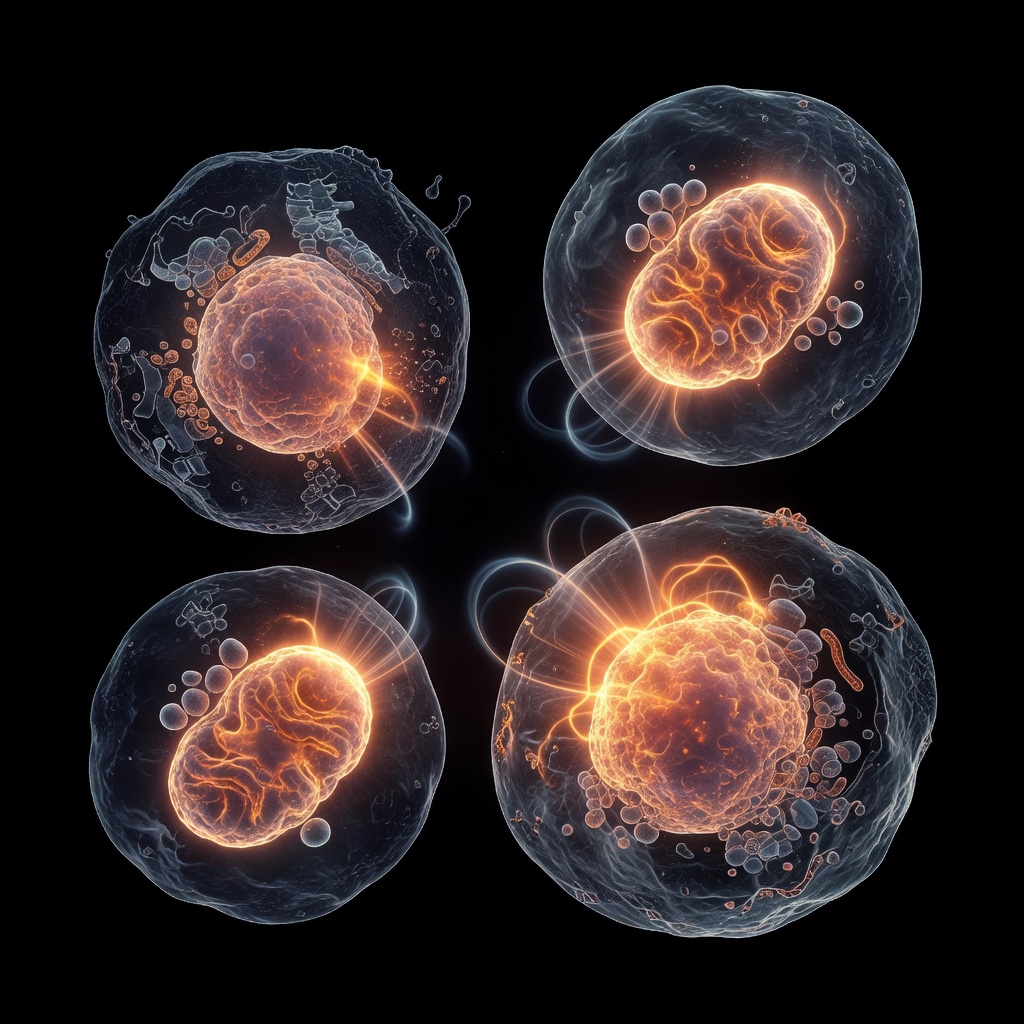
A biofilm is a structured community of microorganisms encapsulated within a self-produced, slimy matrix of Extracellular Polymeric Substances (EPS). Imagine a city under a massive, impenetrable dome—a biological "walled garden" where pathogens can communicate, trade genetic secrets, and hide from the outside world. Within these fortresses, bacteria can become up to 1,000 times more resistant to antibiotics than their free-floating counterparts. This is not merely an adaptation; it is a profound evolutionary strategy for survival that predates humanity by billions of years.
The implications for public health are staggering. If you suffer from a "chronic" condition—be it Small Intestinal Bacterial Overgrowth (SIBO), Lyme disease, chronic sinusitis, recurring Urinary Tract Infections (UTIs), or systemic Candida overgrowth—you are likely not fighting a simple infection. You are fighting a fortified biological occupation. These biofilms act as a physical shield, rendering traditional treatments useless and allowing pathogens to persist in a state of metabolic hibernation, only to re-emerge the moment treatment ceases. At INNERSTANDING, we believe that exposing the mechanics of these biological fortresses is the first step toward reclaiming biological sovereignty and overcoming the epidemic of chronic illness that the mainstream narrative fails to address.
According to the National Institutes of Health (NIH) and the Centers for Disease Control (CDC), biofilms are responsible for approximately 65% of all microbial infections and more than 80% of chronic infections in humans.
##
The Biology — How It Works
The formation of a biofilm is not a random event; it is a highly orchestrated, multi-stage developmental process that transforms individual microbes into a collective superorganism. To understand how to dismantle these fortresses, we must first understand how they are built from the ground up.
The Five Stages of Biofilm Development
The life cycle of a pathogenic biofilm typically follows five distinct phases:
- Initial Attachment (Reversible): Planktonic bacteria move through the body using flagella or pili. They encounter a surface—whether it be the lining of the gut, the wall of an artery, or a medical implant—and adhere to it through weak Van der Waals forces. At this stage, the bacteria are still vulnerable.
- Irreversible Attachment: The microbes begin producing "sticky" appendages and start secreting the first layers of the Extracellular Polymeric Substance (EPS). They transition from a mobile state to a sedentary one, essentially "gluing" themselves to the host tissue.
- Maturation I (Microcolony Formation): The bacteria begin to multiply rapidly within the protective slime. They are no longer individual actors; they are a community. They start to stack on top of one another, forming three-dimensional microcolonies.
- Maturation II (The Fortress Complete): The biofilm reaches its full structural complexity. It develops a sophisticated architecture featuring water channels that function like a primitive circulatory system, delivering nutrients and removing waste products from the deep interior of the colony. The EPS matrix hardens, often incorporating host materials like fibrin, calcium, and magnesium to reinforce its walls.
- Dispersal (The Biological Bomb): Once the colony reaches a certain density, or if environmental conditions become unfavourable, the biofilm "ruptures." It releases a wave of planktonic bacteria back into the bloodstream or surrounding tissues to colonise new areas. This is often when a patient experiences a "flare-up" of symptoms.
The Architecture of the Extracellular Polymeric Substance (EPS)
The EPS is the "concrete" of the biofilm fortress. It is a complex cocktail of polysaccharides, proteins, lipids, and extracellular DNA (eDNA). This eDNA is particularly insidious; it acts as a structural scaffold, providing the matrix with its physical integrity and acting as a reservoir for antibiotic resistance genes.
The matrix is not just a physical barrier; it is a biochemical filter. The negative charge of many polysaccharides in the EPS can trap positively charged antibiotic molecules, preventing them from ever reaching the bacteria inside. Furthermore, the oxygen and nutrient gradients within the biofilm mean that the bacteria in the deep interior are metabolically inactive. Since most antibiotics work by disrupting active metabolic processes (like cell wall synthesis), these "sleeping" bacteria are essentially invisible to the drugs.
##
Mechanisms at the Cellular Level
Inside the biofilm, the rules of biology change. The pathogens engage in behaviours that are impossible for isolated cells, creating a collective intelligence that is geared toward one goal: the evasion of the host immune system.
Quorum Sensing: The Language of Pathogens
Pathogens within a biofilm communicate via a process called Quorum Sensing (QS). They secrete chemical signalling molecules known as autoinducers (such as Acyl-homoserine lactones or AHLs in Gram-negative bacteria). As the population of bacteria increases, the concentration of these molecules rises. When a specific threshold (a "quorum") is reached, the bacteria collectively change their gene expression.
This allows the colony to coordinate its activities as if it were a single organism. They can decide when to produce more toxins, when to strengthen the EPS matrix, and when to launch a dispersal event. Quorum sensing is the "brain" of the biofilm fortress, and without it, the colony cannot maintain its structural or functional integrity.
Horizontal Gene Transfer (HGT)
The biofilm environment is a hotbed for Horizontal Gene Transfer. Because the cells are packed so closely together within the matrix, they can easily exchange plasmids—small loops of DNA that often contain the instructions for antibiotic resistance. In a biofilm, a single bacterium that has developed resistance to a drug can "teach" that resistance to the entire community in a matter of hours. This makes the biofilm a training ground for "superbugs," accelerating the evolution of resistance far faster than would occur in the open environment of the blood or lymph.
The Role of Persister Cells
Perhaps the most dangerous residents of the biofilm are Persister Cells. These are not genetic mutants; rather, they are phenotypic variants that have entered a state of profound metabolic dormancy. While the immune system or antibiotics might kill 99% of the active bacteria in a biofilm, the persisters remain untouched. Once the "threat" (the course of antibiotics) has passed, these persisters wake up and begin rebuilding the fortress. This is the primary mechanism behind the "relapsing-remitting" nature of chronic infections like Borrelia (Lyme) or recalcitrant Candida.
Efflux Pumps
Bacteria within biofilms often overexpress efflux pumps—sophisticated molecular machines that literally pump toxins and antibiotics out of the cell before they can do any damage. Combined with the physical barrier of the EPS, these pumps create a multi-layered defence system that makes the internal environment of the biofilm virtually sterile of any pharmaceutical intervention.
##
Environmental Threats and Biological Disruptors
The modern world is saturated with environmental factors that do not just harm the host, but actively encourage the formation and strengthening of pathogenic biofilms. In our pursuit of "hygiene" and industrial progress, we have inadvertently created a world that is a playground for biofilm-forming organisms.
Heavy Metals as Structural Scaffolds
It is a well-established but often ignored fact in functional medicine that biofilms have a high affinity for heavy metals. Toxic metals such as Mercury (Hg), Lead (Pb), Aluminium (Al), and Cadmium (Cd) are often sequestered by the biofilm matrix. The bacteria use these metals to cross-link the EPS, making the "concrete" significantly harder to break down.
Furthermore, the presence of these metals creates an environment of oxidative stress that can actually trigger bacteria to form biofilms as a protective measure. Patients with high heavy metal burdens often find that their chronic infections are impossible to clear until a comprehensive chelation and biofilm disruption protocol is implemented.
The Fluoride Factor
In the UK, many regions still undergo water fluoridation, a practice that the FSA (Food Standards Agency) and the NHS continue to support despite mounting evidence of neurotoxicity and metabolic disruption. From a microbiological perspective, fluoride can act as a catalyst for certain types of biofilm formation. Some research suggests that fluoride can alter the surface tension and attachment capabilities of oral and gut bacteria, potentially favouring the growth of more pathogenic, biofilm-forming species over beneficial, commensal flora.
Microplastics and the "Plastisphere"
The Environment Agency in the UK has recently begun investigating the "Plastisphere"—a term used to describe the microbial communities that live on the surface of microplastic particles in our waterways. These microplastics serve as the perfect "mobile scaffolding" for biofilms. When we ingest microplastics through contaminated water or food, we are not just ingesting plastic; we are ingesting pre-formed, highly resilient pathogenic biofilms that are ready-made to colonise the human gut.
Glyphosate and the Disruption of the Microbiome
The widespread use of glyphosate-based herbicides in UK agriculture is a primary driver of gut-based biofilm issues. Glyphosate disrupts the Shikimate pathway in beneficial gut bacteria, leading to a state of profound dysbiosis. When the "good" bacteria are decimated, the "bad" bacteria (like Clostridium difficile or Pseudomonas aeruginosa) are given the space and resources to build their biofilm fortresses without competition.
A 2021 study revealed that microplastics in human digestive tracts can increase the virulence of certain gut pathogens by providing a stable substrate for biofilm maturation, potentially bypassing the acidic environment of the stomach.
##
The Cascade: From Exposure to Disease
The progression from a simple exposure to a chronic, biofilm-mediated disease is a downward spiral that often spans years, if not decades. This cascade is frequently misdiagnosed by mainstream practitioners as "autoimmune" or "idiopathic" because they fail to see the underlying biological structures.
The Gut: Ground Zero
The majority of chronic biofilms originate in the gastrointestinal tract. Conditions like Small Intestinal Bacterial Overgrowth (SIBO) are, in many cases, simply a failure to address biofilms in the upper intestine. When the mucus lining of the gut (the glycocalyx) is compromised, pathogens attach to the intestinal epithelium and begin building. These biofilms produce metabolic byproducts like endotoxins (LPS) and ammonia, which degrade the tight junctions of the gut lining, leading to "Leaky Gut" (intestinal permeability).
Systemic Dissemination
Once the gut barrier is breached, fragments of these biofilms or the toxins they produce enter the systemic circulation. This triggers a state of chronic, low-grade inflammation. The immune system, unable to find the "source" of the infection (because it is hidden behind a biofilm wall in the gut or tissues), begins to attack the body's own tissues—a phenomenon known as molecular mimicry.
Specific Pathogenic Fortresses
- Lyme Disease (Borrelia burgdorferi): The Borrelia spirochete is a master of biofilm formation. This is why many Lyme patients fail "standard" 21-day antibiotic protocols. The spirochetes simply retreat into their fortresses and wait out the storm.
- Chronic Sinusitis: Research has shown that up to 75% of patients undergoing surgery for chronic sinusitis have biofilms present on their sinus mucosa. This explains why repeated rounds of nasal steroids and antibiotics rarely provide a long-term cure.
- Urinary Tract Infections (UTIs): Recurrent UTIs are almost always biofilm-mediated. The bacteria (often E. coli) burrow into the bladder lining and form Intracellular Bacterial Communities (IBCs), which are essentially biofilms inside the host's own cells.
- Dental Biofilms: The most common biofilm we encounter is dental plaque. However, when these biofilms migrate below the gum line (periodontitis), they can enter the bloodstream and contribute to arterial plaque and heart disease.
##
What the Mainstream Narrative Omits
The refusal of the medical-industrial complex to prioritise biofilm research and treatment is not merely an oversight; it is a structural failure of the "silver bullet" pharmaceutical model.
The Fallacy of the Culture Test
The "Gold Standard" for diagnosing infections in the UK is the microbial culture. A sample (blood, urine, or swab) is taken and grown in a petri dish. However, this test only detects planktonic bacteria. Biofilm-dwelling bacteria are, by definition, attached to surfaces and often metabolically inactive. They do not "grow out" in a standard culture. Consequently, millions of patients are told they "don't have an infection" simply because the test is designed to find the wrong form of the pathogen.
The Antibiotic Resistance Mirage
The NHS and the MHRA (Medicines and Healthcare products Regulatory Agency) are rightfully concerned about antimicrobial resistance (AMR). However, their narrative focuses almost entirely on genetic mutations. They rarely mention adaptive resistance—the temporary resistance granted by the biofilm matrix. By ignoring biofilms, they are attempting to solve the AMR crisis with one hand tied behind their backs. If you don't break the shield, the drug doesn't work, regardless of how "sensitive" the bacteria are on a lab report.
The "Sterile Body" Myth
Mainstream medicine often treats the body as a collection of sterile compartments. We now know that the "human" body is more microbial than human. The goal should not be to "sterilise" the body (which leads to more resilient biofilms), but to manage the ecosystem. The mainstream narrative omits the fact that our own beneficial microbes also form biofilms—protective ones that prevent pathogens from gaining a foothold. When we use broad-spectrum antibiotics, we destroy our "good" fortresses, leaving the land wide open for pathogenic colonisation.
##
The UK Context
In the United Kingdom, several unique factors contribute to the prevalence and persistence of pathogenic biofilms. From our aging infrastructure to our specific regulatory environment, the UK is a "perfect storm" for chronic biofilm-mediated illnesses.
The Aging Water Infrastructure
Much of the UK's water piping, particularly in cities like London, Manchester, and Birmingham, is over a century old. These pipes are lined with "environmental biofilms" that can harbour pathogens like Legionella and Pseudomonas. While water treatment facilities do their best to chlorinate the water, the Environment Agency has noted that the structural complexity of these pipe-based biofilms makes total eradication impossible. This means UK citizens are constantly re-exposed to biofilm fragments through their taps and showers.
Antibiotic Over-Prescribing in Primary Care
Despite numerous "stewardship" programmes, the UK's primary care system has historically over-prescribed short courses of antibiotics. These sub-lethal doses are exactly what trigger bacteria to enter "survival mode" and form biofilms. In the UK context, we are seeing the fallout of decades of this practice in the form of rising rates of chronic SIBO and treatment-resistant UTIs.
The Impact of UK Agricultural Runoff
The UK's rivers are currently facing a crisis of pollution. Runoff from factory farms and sewage overflows contains not only pathogens but also high levels of nitrogen and phosphorus. These nutrients act as "biofilm fertilisers," leading to massive microbial blooms in our waterways. When these ecosystems are disrupted, the risk of zoonotic (animal-to-human) biofilm transmission increases, particularly for those living in rural areas or engaging in water-based recreation.
Regulatory Blind Spots
While the MHRA is rigorous in its assessment of new drugs, there is a distinct lack of focus on biofilm disruptors. In the US, some progress has been made in identifying enzymes and chelators for clinical use, but the UK's NICE (National Institute for Health and Care Excellence) guidelines remain stubbornly focused on traditional monotherapy (one drug, one bug), which is fundamentally ill-equipped to handle the multi-layered defence of a biofilm.
##
Protective Measures and Recovery Protocols
Dismantling a pathogenic biofilm requires a strategic, multi-phase approach. You cannot simply "blast" it with antimicrobials; you must first weaken the structure, then dissolve the matrix, and finally clear the debris while supporting the host's underlying biology.
Phase 1: Breaking the "Glue" (Chelation)
As established, biofilms use minerals like calcium, magnesium, and iron (and heavy metals) to reinforce their walls. Using Biofilm Disruptors that include chelating agents is essential.
- EDTA (Ethylenediaminetetraacetic acid): A powerful chelator that can strip the minerals from the EPS matrix, causing it to collapse.
- Bismuth Thiol: A specialised compound that has shown remarkable efficacy in penetrating the "slime" layer of gut-based biofilms.
Phase 2: Enzymatic Dissolution
The most effective way to "melt" the EPS matrix is through the use of systemic and proteolytic enzymes. These enzymes digest the proteins, fats, and sugars that make up the fortress.
- Serratiopeptidase (Serrapeptase): Derived from the silkworm, this enzyme is a master at breaking down fibrin, a common structural component of biofilms in the blood and tissues.
- Nattokinase: Similar to Serrapeptase, it excels at dissolving the proteinaceous "scaffold" of the biofilm.
- Lumbrokinase: The most potent of the fibrinolytic enzymes, particularly useful for deep-seated systemic biofilms.
- Interphase/Alpha-Galactosidase/Cellulase: Enzymes that target the polysaccharides (sugars) of the matrix.
Phase 3: Targeted Antimicrobials
Only after the matrix has been compromised should you introduce antimicrobials. This ensures the pathogens are in their vulnerable planktonic state.
- Allicin (from Garlic): A potent biofilm-penetrant that inhibits quorum sensing.
- Berberine: Disrupts the cell membranes of pathogens exposed by the enzyme phase.
- Oil of Oregano (Carvacrol): Proven to inhibit the attachment phase of biofilm formation.
- Silver Hydrosol: Small-particle silver can penetrate the weakened matrix and deliver an oxidative "kill" to the resident bacteria.
Phase 4: Quorum Sensing Inhibitors
To prevent the "biological bomb" of dispersal from leading to a massive flare-up, you must quiet the communication between the microbes.
- Rosmarinic Acid (found in Rosemary and Oregano): Can interfere with the signalling molecules bacteria use to coordinate.
- Baicalein (from Chinese Skullcap): A well-documented quorum sensing inhibitor that is particularly effective against Staphylococcus and Pseudomonas biofilms.
Phase 5: Debris Clearance and Binders
As the biofilms dissolve, they release a flood of heavy metals, endotoxins, and dead cellular material. If not "mopped up," this can lead to a Herxheimer Reaction (a massive inflammatory detox response).
- Activated Charcoal and Zeolite: Essential binders to trap the released toxins in the gut.
- Modified Citrus Pectin: Excellent for binding the heavy metals that were sequestered in the biofilm matrix.
Clinical studies have shown that combining the enzyme Serratiopeptidase with antibiotics can increase the efficacy of the treatment by up to 50% in patients with chronic respiratory biofilms.
##
Summary: Key Takeaways
The revelation that chronic disease is often a battle against fortified biological structures changes everything about how we approach health. The era of the "magic bullet" is over; we are now in the era of "Biological Siege Warfare."
- Biofilms are the rule, not the exception. If an infection has persisted for more than a few weeks, it is likely no longer planktonic but has formed a biofilm.
- Traditional testing is failing us. Negative cultures do not mean you are pathogen-free; they often mean the pathogens are simply too well-protected to be caught.
- The matrix is the target. You cannot kill the bacteria until you dissolve the "concrete" EPS matrix using enzymes and chelators.
- Environmental toxins are the architects. Heavy metals and microplastics provide the raw materials for these pathogenic fortresses.
- The UK faces a silent crisis. Aging water infrastructure and historical antibiotic overuse make the UK a primary battleground for biofilm-related illness.
At INNERSTANDING, we recognise that the medical establishment's refusal to adapt to these biological truths is a form of scientific stagnation. To truly heal, one must stop fighting the symptoms and start dismantling the fortresses. The path to recovery is not found in another round of standard antibiotics, but in the sophisticated, sequential disruption of the pathogenic biofilm. Knowledge of these structures is the ultimate tool for reclaiming your biological autonomy in an increasingly complex and contaminated world.
This article is provided for informational and educational purposes only. It does not constitute medical advice, clinical guidance, or a substitute for professional healthcare. Information reflects cited research at time of publication. Always consult a qualified healthcare professional before acting on any health information.
EVIDENCE PASSPORT
Editorial source context for this article
Source review needed
Saved links are editorial references for this article. They may support specific claims rather than every sentence. Open and assess each source in context. This passport does not independently verify them.
Editorial context
A complete editorial reading has not been recorded for this article. Source links remain available for you to open and assess directly.
Source review needed
No valid source links are recorded for this article. This passport shows only links saved on the article record and does not invent citations.
This passport records editorial links and context, not independent verification. Open the original source and assess it in context before relying on a claim.
Medical Disclaimer
The information in this article is for educational purposes only and does not constitute medical advice, diagnosis, or treatment. Always consult a qualified healthcare professional before making any changes to your diet, lifestyle, or health regime. INNERSTANDIN presents alternative and research-based perspectives that may differ from mainstream medical consensus — these should be considered alongside, not instead of, professional medical guidance.
Read Full DisclaimerContinue the thread
Keep this question moving.
Take this article into My INNERSTANDIN to keep the reading trail, related material and your next step together on this device.
Explore this in the Body Map
See where this hits your biology. Interactive anatomy, threats, and protective protocols.
Dig deeper in the Library
Free, longform PDF volumes that go beyond headlines into mechanisms and references.