The Science of Bioregulator Peptides: A Russian Breakthrough in Organ Longevity
An educational deep-dive into the history and biological mechanisms of bioregulator peptides, a legacy of forty years of Soviet research now available for cellular rejuvenation and organ-specific support.

Overview
In the shadows of the Cold War, while the West was pouring billions into the burgeoning pharmaceutical model of symptom suppression, a different kind of biological revolution was taking place behind the Iron Curtain. Within the secretive laboratories of the Soviet Military Medical Academy, researchers were tasked with a seemingly impossible mission: to find a way to enhance the resilience of soldiers, submariners, and cosmonauts against the ravages of radiation, extreme stress, and biological decay. The result of this four-decade-long endeavour was the discovery of Bioregulator Peptides—a breakthrough in regenerative medicine that remains one of the most significant, yet under-reported, milestones in the history of human longevity.
These are not the long-chain proteins or synthetic hormones that modern medicine typically relies upon. Bioregulator peptides, specifically those pioneered by Professor Vladimir Khavinson, are ultra-short chains of amino acids—often only two, three, or four molecules long. Their profound power lies in their ability to cross the cellular membrane and interact directly with the DNA double helix. They act as biological "keys" that unlock specific genes, re-initiating the synthesis of proteins that are essential for the repair and maintenance of specific organs.
While Western medicine has focused on the "Chemical Model"—treating the body as a bag of enzymes and receptors to be manipulated by foreign compounds—the Russian school of thought embraced the Information Model. They recognised that ageing and disease are essentially a loss of biological information. As we age, the signal between our DNA and our cellular machinery becomes corrupted or "silenced." Bioregulator peptides restore this signal.
Today, this legacy of Soviet science is finally becoming accessible to the public, offering a paradigm shift in how we approach cellular rejuvenation. We are no longer limited to merely slowing down the clock; through the targeted application of these organ-specific bioregulators, we now have the tools to potentially reset it. In this deep-dive, we will explore the intricate mechanisms of these peptides, the environmental onslaught they are designed to counter, and why this technology has remained on the fringes of mainstream UK healthcare despite its overwhelming clinical success.
##
The Biology — How It Works
Peptides, one of the secret Russian military health marvels, now available. 40 years research
Harness the restorative power of bioregulator peptides, a breakthrough in cellular science designed to support specific organ health and longevity. These short-chain amino acids act as biological messengers, helping to restore optimal protein synthesis and systemic balance.
Vetting Notes
Pending
To understand bioregulator peptides, one must first understand the "Central Dogma" of molecular biology: the flow of genetic information from DNA to RNA to Protein. Every function in your body—from the beating of your heart to the detoxification of your liver—is driven by proteins. These proteins are not merely dietary components; they are the structural and functional building blocks of life, synthesized within your cells according to the instructions held in your genetic code.
The Role of Short-Chain Peptides
Peptides are, by definition, short chains of amino acids linked by peptide bonds. While the body utilizes long-chain proteins (like insulin or growth hormone) for systemic signalling, short-chain bioregulators operate at a more fundamental, epigenetic level. Because they are so small (less than 5 kDa in molecular weight), they possess the unique ability to bypass the digestive system's proteolytic enzymes and the blood-brain barrier, reaching the nucleus of the cell.
Once inside the nucleus, these peptides perform a specific, non-random task. They recognise and bind to the promoter regions of specific genes. This binding causes a conformational change in the DNA structure, effectively "unzipping" the gene and allowing the enzyme RNA polymerase to begin the process of transcription. This is the birth of new protein synthesis.
Organ Specificity: The Biological Homing Device
One of the most remarkable aspects of Khavinson’s discovery is organ-specificity. A peptide derived from the heart tissue will only stimulate protein synthesis in the heart; a peptide from the liver will only affect the liver. This occurs because the amino acid sequence of the peptide matches a specific "docking station" on the DNA of that particular organ's cells.
Callout: Research conducted at the St. Petersburg Institute of Bioregulation and Gerontology has demonstrated that organ-specific peptides can increase the lifespan of laboratory animals by 30-40%, primarily by restoring the functional activity of the organs to youthful levels.
The Feedback Loop of Life
In a young, healthy body, this process is self-regulating. When a cell performs its function, it naturally breaks down proteins into small peptide fragments. These fragments then travel to the nucleus to signal for more protein production. This is a perfect circular economy of cellular repair. However, as we age, or when we are exposed to environmental toxins, this feedback loop breaks down. The concentration of endogenous peptides drops, protein synthesis slows, and the organ begins to atrophy. This is the biological definition of ageing. Bioregulator peptides provide an exogenous "top-up" of these vital signals, re-establishing the youthful cycle of repair.
##
Mechanisms at the Cellular Level
The sophistication of bioregulator peptides becomes even more apparent when we examine their interaction with the epigenetic landscape of the cell. They do not change the genetic code (the DNA sequence); instead, they change the expression of that code.
Epigenetic Regulation and Histone Modification
Within the nucleus, DNA is wrapped around proteins called histones. When DNA is tightly packed (heterochromatin), the genes are "silent" and cannot be read. When it is loosely packed (euchromatin), the genes are active. Ageing is characterized by an increase in heterochromatin—our genes are literally being locked away.
Bioregulator peptides have been shown to facilitate the transition from heterochromatin to euchromatin. They interact with histone acetyltransferases (HATs) and histone deacetylases (HDACs), ensuring that the genetic library remains open for business. This prevents the "cellular senescence" that leads to organ failure.
Telomere Elongation
Perhaps the most famous of these peptides is Epitalon (the pineal gland bioregulator). In human clinical trials, Epitalon was found to stimulate the production of Telomerase, the enzyme responsible for lengthening the protective caps on our chromosomes known as telomeres.
- —Telomeres act as a molecular countdown clock; each time a cell divides, they get shorter.
- —When they become too short, the cell dies or becomes "zombie-like" (senescent).
- —Epitalon is one of the few substances known to science that can reliably upregulate telomerase activity, effectively extending the replicative limit of our cells—the so-called Hayflick Limit.
Ribosomal Efficiency
Beyond DNA, these peptides also influence the ribosomes—the cellular factories where proteins are actually assembled. By optimising the interaction between messenger RNA (mRNA) and transfer RNA (tRNA), bioregulators ensure that the proteins produced are folded correctly. Misfolded proteins are a hallmark of neurodegenerative diseases like Alzheimer's and Parkinson's. By maintaining "proteostasis" (protein homeostasis), bioregulators protect the cell from the internal clutter that leads to disease.
Mitochondrial Synergy
While the primary action is in the nucleus, the result is felt in the mitochondria. As protein synthesis is restored, the enzymes involved in the Krebs Cycle and the Electron Transport Chain are replenished. This results in a measurable increase in ATP (Adenosine Triphosphate) production. The cell quite literally has more energy to perform its duties, whether that is pumping blood, filtering toxins, or firing neurons.
##
Environmental Threats and Biological Disruptors
We do not live in the same world our ancestors did. The modern environment is a minefield of "peptide-disruptors" that accelerate the depletion of our natural bioregulatory stores. In the UK, we are subject to a cocktail of synthetic chemicals that interfere with the very biological pathways described above.
Endocrine Disruptors and Xenohormones
Compounds such as Bisphenol A (BPA), phthalates, and per- and polyfluoroalkyl substances (PFAS)—often referred to as "forever chemicals"—are ubiquitous in the UK water supply and food packaging. These chemicals mimic natural hormones and bind to receptors, sending false signals to the nucleus. This "noise" drowns out the subtle signals of our natural bioregulator peptides, leading to hormonal imbalances and reproductive issues.
Glyphosate and the Gut-Brain Axis
The widespread use of Glyphosate in UK industrial agriculture is a catastrophic threat to peptide health. Glyphosate is a chelator that strips essential minerals (like manganese and zinc) from the body—minerals that are required as co-factors for the enzymes that produce peptides. Furthermore, glyphosate disrupts the Shikimate pathway in our gut microbiome. Our gut bacteria are themselves a source of signalling peptides; when the microbiome is decimated by glyphosate, we lose a critical branch of our internal communication network.
Electromagnetic Fields (EMF) and Voltage-Gated Ion Channels
The proliferation of 4G, 5G, and ubiquitous Wi-Fi in the UK has created an environment of constant electrosmog. Research suggests that EMFs can disrupt Voltage-Gated Calcium Channels (VGCCs) in the cell membrane. This causes an efflux of calcium into the cell, triggering a cascade of oxidative stress and peroxynitrite formation. This oxidative storm damages the delicate peptide-DNA binding sites, making it harder for bioregulators to do their job.
Callout: The UK Environment Agency has reported that "forever chemicals" (PFAS) have been detected in over 3,000 locations across the UK, with levels in some areas exceeding safe limits for human health by factors of ten or more. These chemicals directly interfere with cellular protein folding.
##
The Cascade: From Exposure to Disease
The path from environmental exposure to chronic disease is not an overnight event; it is a slow, insidious cascade of peptide depletion and cellular miscommunication. This process follows a predictable trajectory that mainstream medicine often fails to recognise until it is too late.
Stage 1: Functional Depletion
At this stage, there is no "disease" according to the NHS. The patient feels "tired," "foggy," or "stressed." On a biological level, the concentration of organ-specific peptides is beginning to drop. The feedback loop of protein synthesis is slowing down. The body is still functioning, but it is no longer optimising.
Stage 2: Epigenetic Silencing
As environmental toxins accumulate, the cell begins to shield its DNA. Methylation patterns change. Genes that were once active in repairing the arterial walls or regenerating liver tissue are "silenced." This is where we see the rise of sub-clinical markers: slightly elevated blood pressure, rising fasting glucose, or suboptimal liver enzymes.
Stage 3: The Protein Deficit
With the "blueprints" in the DNA now inaccessible, the cell cannot produce enough proteins to keep up with the rate of damage. In the heart, this might mean a lack of elastin and collagen in the vessel walls (leading to atherosclerosis). In the brain, it might mean a lack of neurotrophic factors (leading to cognitive decline).
Stage 4: Symptomatic Disease
Only at this final stage does mainstream medicine step in. By now, the organ has suffered structural damage. The NHS model at this point is typically to prescribe a synthetic chemical to block a pathway (like a beta-blocker) or replace a missing hormone (like insulin). While this can prevent immediate death, it does nothing to address the underlying lack of protein synthesis and peptide signalling.
The "Peptide Gap" between health and disease is where the most profound damage occurs. Bioregulators are designed to bridge this gap, intervening at Stage 1 or 2 to prevent the descent into Stage 4.
##
What the Mainstream Narrative Omits
The glaring omission in the mainstream medical narrative is the concept of Bioregulation. If you consult the NHS website or speak to a typical GP, you will hear a great deal about "managing" conditions through pharmaceutical intervention and lifestyle "moderation." You will hear almost nothing about the possibility of regenerating organ function at the DNA level.
The Profitability of Chronic Management
The UK pharmaceutical industry is a multi-billion pound sector built on the back of chronic disease. There is very little financial incentive to promote a class of substances that are:
- —Naturally occurring (and therefore difficult to patent in their base form).
- —Highly effective at restoring health (which reduces the need for long-term "management" drugs).
- —Extremely safe with virtually no side effects (which reduces the need for secondary drugs to treat the side effects of the primary ones).
The "Russian Science" Bias
There is also a significant geopolitical bias in Western academia. Because the majority of the research on bioregulators was published in Russian journals during the 20th century, it was largely ignored by the English-speaking scientific community. Despite thousands of published papers and decades of clinical data involving millions of Russian citizens, the MHRA (Medicines and Healthcare products Regulatory Agency) and other bodies remain fixated on the "New Chemical Entity" model of drug development.
The Myth of Irreversible Decline
The mainstream narrative operates on the assumption that ageing is an inevitable, one-way process of decay. They view the body as a machine that simply wears out. Bioregulator science proves that the body is not a machine, but a dynamic information system. If you can restore the information (the peptides), you can restore the function. The idea that we can "re-programme" our cells for longevity is a threat to the established medical hierarchy because it places the power of health back into the hands of the individual.
##
The UK Context
In the United Kingdom, the landscape for bioregulator peptides is complex, governed by a mixture of stringent regulations and a growing underground movement of "informed health seekers."
Regulatory Stance (MHRA & FSA)
The MHRA classifies most substances based on their intended use. Because bioregulator peptides are derived from natural sources and are used to "support" or "maintain" health, they often fall into a grey area. In the UK, they are generally not licensed as "medicines" (which requires tens of millions in clinical trial funding) but are instead available through specialised practitioners and "research" suppliers.
The FSA (Food Standards Agency) oversees the "Novel Foods" register. Since many of these peptides were not widely consumed in the UK prior to 1997, they face hurdles in being sold as simple "food supplements." This regulatory friction is why you won't find high-quality bioregulators on the shelves of Boots or Holland & Barrett.
The Role of Pioneers
The availability of these Russian breakthroughs in Britain is largely due to the work of independent health researchers and platforms like INNERSTANDING. Figures such as Clive de Carle have been instrumental in bypassing the mainstream blackout, sourcing authentic Khavinson peptides directly from the St. Petersburg Institute and making them available to the UK public. These pioneers recognise that in the face of a failing national health service, individuals must have access to the "Arsenal" of tools necessary for self-preservation.
The Burden on the NHS
The UK is currently facing an unprecedented crisis of chronic illness. The NHS is buckling under the weight of an ageing population suffering from multiple comorbidities. By ignoring the science of bioregulation, the UK government is missing an opportunity to dramatically reduce the burden of age-related disease. A population that uses bioregulators to maintain heart, brain, and immune health would require a fraction of the hospital beds currently occupied by those in the advanced stages of cellular decay.
##
Protective Measures and Recovery Protocols
For those ready to move beyond the mainstream narrative, implementing a bioregulator protocol requires a strategic, organ-specific approach. It is not about taking a "multivitamin" of peptides; it is about targeted intervention.
The "Core Four" Strategy
For general longevity and systemic resilience, four key bioregulators form the foundation of most recovery protocols:
- —Epitalon (Pineal Gland): The "Master Regulator." It normalises melatonin production, lengthens telomeres, and resets the circadian rhythm. It is the cornerstone of any anti-ageing programme.
- —Vivilow / Ventfort (Blood Vessels): Critical for the UK population, given the high rates of cardiovascular disease. It restores the integrity of the vascular endothelium, the "inner lining" of the blood vessels, ensuring efficient nutrient delivery and toxin removal.
- —Vladonix (Thymus Gland): The "Immune Architect." As we age, the thymus shrinks (involution), leading to a drop in T-cell production. Vladonix restores thymic function, essential for defending against viruses and policing the body for cancer cells.
- —Sigumir (Cartilage/Bone): Addresses the "wear and tear" of the musculoskeletal system, stimulating the synthesis of type II collagen and proteoglycans.
Targeted Organ Support
For specific health challenges, the protocol expands:
- —Pinealon / Cerluten (Brain): For cognitive decline, brain fog, or recovery from neuro-trauma. These peptides stimulate Brain-Derived Neurotrophic Factor (BDNF).
- —Svetinorm (Liver): Essential for those exposed to high levels of environmental toxins or glyphosate. It enhances the liver's enzymatic detoxification pathways (Cytochrome P450).
- —Libidon (Prostate) / Glandokort (Adrenals): For hormonal and stress-response support.
The Cycle Protocol
Bioregulators are typically taken in "cycles." Unlike pharmaceuticals that must be taken every day for life, peptides trigger a biological process that continues after you stop taking them.
- —Initial Phase: A 10-to-30-day course of the chosen peptides.
- —Dormant Phase: A break of 3 to 6 months.
- —Maintenance: Repeating the cycle twice a year to maintain youthful protein synthesis.
Callout: Clinical observations show that the effects of a single 30-day course of bioregulator peptides can persist for up to six months, as the newly synthesised proteins and restored genetic pathways remain active long after the peptide has been cleared from the system.
Complementary Measures
To maximise the efficacy of bioregulators, one must address the environmental threats mentioned earlier:
- —Clean Water: Use a high-quality filter to remove fluoride, chlorine, and PFAS.
- —EMF Mitigation: Reduce Wi-Fi exposure at night and use wired connections where possible.
- —Mineral Support: Ensure adequate intake of magnesium, zinc, and selenium to provide the co-factors for protein synthesis.
##
Summary: Key Takeaways
The science of bioregulator peptides represents the "missing link" in modern biology—the bridge between our genetic potential and our actualised health. By understanding and applying this Russian breakthrough, we can move from a state of passive decay to one of active regeneration.
- —Bioregulators are Information Molecules: They are ultra-short amino acid chains that interact directly with DNA to trigger protein synthesis.
- —Organ Specificity is Key: Each peptide acts as a "key" for a specific organ, making it possible to target the heart, brain, liver, or immune system with surgical precision.
- —The Soviet Legacy: This technology is the result of 40 years of rigorous research by Professor Vladimir Khavinson and the Soviet military, involving millions of clinical subjects.
- —Epigenetic Reset: Peptides do not change your DNA; they "unlock" genes that have been silenced by age and environmental toxins, including the activation of the telomerase enzyme.
- —Mainstream Neglect: The UK’s medical establishment focuses on symptom management, ignoring the regenerative potential of peptides due to geopolitical bias and the pharmaceutical profit model.
- —Environmental Defense: Bioregulators are a necessary "Arsenal" against the modern onslaught of glyphosate, PFAS, and EMFs, which disrupt our natural cellular communication.
- —A Protocol for Life: Through strategic cycling of organ-specific peptides, it is possible to maintain functional vitality far beyond what is currently considered "normal" for the ageing process.
In the final analysis, bioregulator peptides are more than just a supplement; they are a biological imperative for anyone living in the 21st century. They offer a way to reclaim our genetic heritage and ensure that our organs remain as resilient as they were in our youth. The information is now in your hands; the next step is yours to take.
This article is provided for informational and educational purposes only. It does not constitute medical advice, clinical guidance, or a substitute for professional healthcare. Information reflects cited research at time of publication. Always consult a qualified healthcare professional before acting on any health information.
RESEARCH FOUNDATIONS
Biological Credibility Archive
Citations provided for educational reference. Verify via PubMed or institutional databases.
Medical Disclaimer
The information in this article is for educational purposes only and does not constitute medical advice, diagnosis, or treatment. Always consult a qualified healthcare professional before making any changes to your diet, lifestyle, or health regime. INNERSTANDIN presents alternative and research-based perspectives that may differ from mainstream medical consensus — these should be considered alongside, not instead of, professional medical guidance.
Read Full DisclaimerReady to learn more?
Continue your journey through our classified biological research.
DISCUSSION ROOM
Members of THE COLLECTIVE discussing "The Science of Bioregulator Peptides: A Russian Breakthrough in Organ Longevity"
SILENT CHANNEL
Be the first to discuss this article. Your insight could help others understand these biological concepts deeper.
THE ARSENAL
Based on Arsenal & Product Reviews — products curated by our research team for educational relevance and biological support.
Peptides, one of the secret Russian military health marvels, now available. 40 years research

Albedextrin – Specialist Cyclodextrin Complex
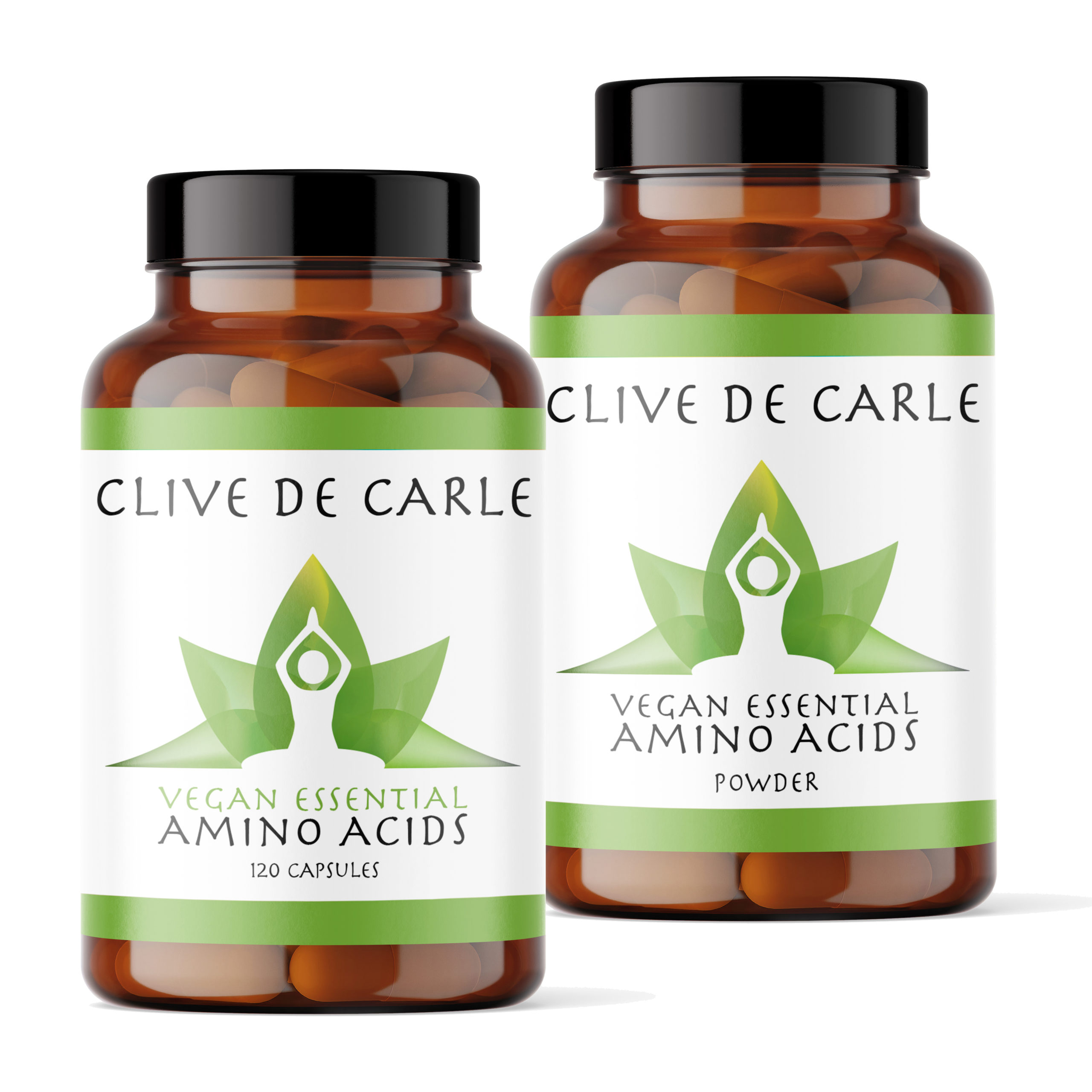
Vegan Essential Amino Acids – Plant-Powered Protein Building
INNERSTANDING may earn a commission on purchases made through these links. All products are selected based on rigorous educational relevance to our biological research.
RABBIT HOLE
Follow the biological thread deeper