
Bile, Bioaccumulation, and the Liver's Hidden Burden
Published April 2026
Investigating how PFAS chemicals hijack the liver's bile acid recycling system to remain in the body and trigger fatty liver disease.
Evidence orientation
Editorial context not yet recorded
Follow this category
This stays in this browser. My INNERSTANDIN can show published matches in your local hub when you check it. It does not send email, push, or alert notifications.
Local learning review
A private browser aid for revisiting ideas. It is not an alert or a health recommendation.
Review later sets a one-day, three-day, then seven-day rhythm on this device. Choose it only when you want to revisit this article.
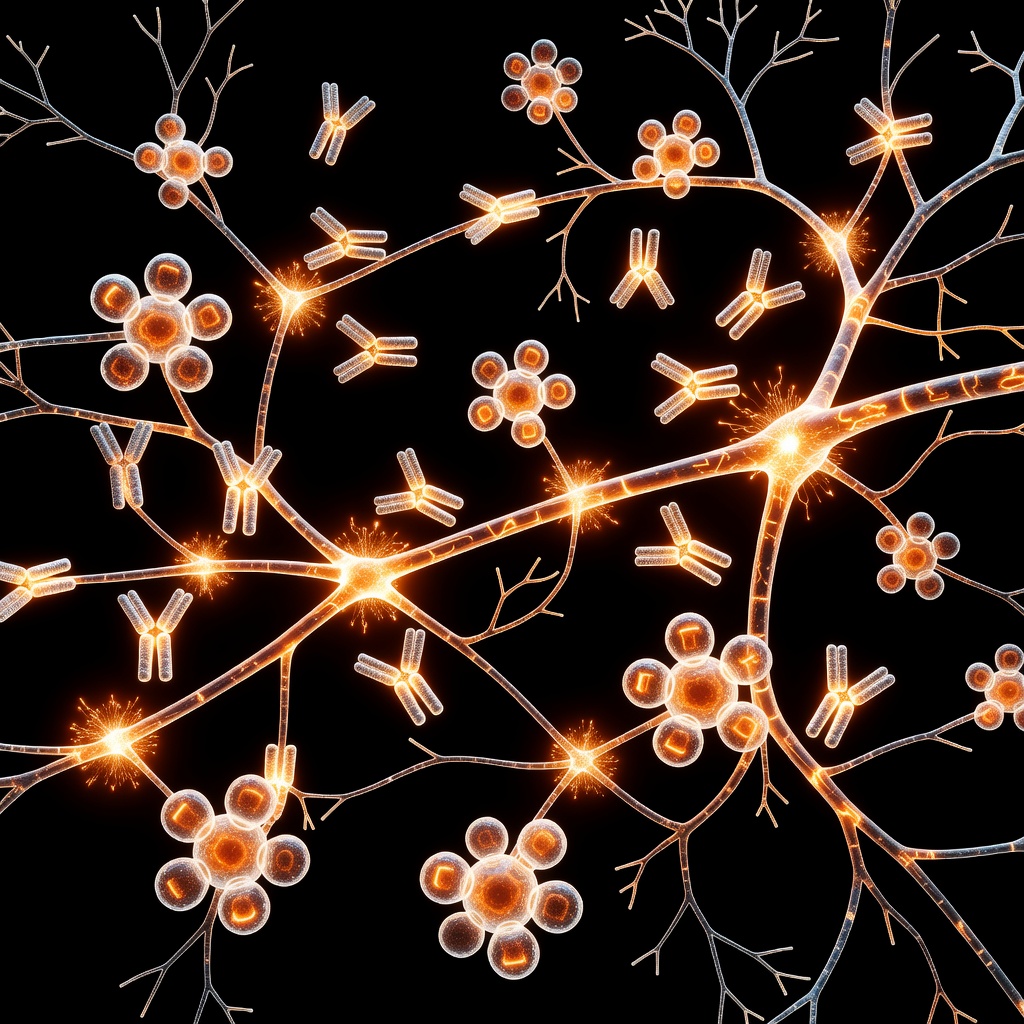
The human liver is the primary battlefield for environmental detoxification, but with PFAS, the liver faces an enemy it was never evolved to handle. Unlike traditional toxins that are processed and excreted via urine or feces, PFAS chemicals utilize a biological 'backdoor' to remain in the body for years. This mechanism is the enterohepatic circulation, and its disruption is a primary driver of the burgeoning Non-Alcoholic Fatty Liver Disease (NAFLD) epidemic across the UK.
The Enterohepatic Loop: A Trap for Toxins
When the liver filters the blood, it deposits toxins into the bile, which is then sent to the intestines for excretion. However, the body is designed to conserve bile acids, reabsorbing about 95% of them in the terminal ileum to be returned to the liver. PFAS molecules are chemically similar enough to bile acids that they are recognized by the same transport proteins, such as the Organic Anion Transporting Polypeptides (OATPs). Instead of being excreted, PFAS is efficiently reabsorbed and shuttled back to the liver. This creates a closed loop of toxicity where the chemical is recycled indefinitely, leading to half-lives in humans that can exceed a decade. Mainstream 'liver flushes' and generic detoxes fail because they do not address this specific protein-mediated recycling mechanism.
Steatosis and the Hijacking of Lipid Signaling
Once trapped in the liver, PFAS begins to alter the physical structure of the organ. By activating PPAR-alpha, as discussed in previous explorations, PFAS promotes the accumulation of triglycerides and interferes with the export of Very Low-Density Lipoproteins (VLDL). This results in hepatic steatosis—fatty liver. Recent UK-based longitudinal studies suggest that even 'low' levels of PFAS exposure are correlated with elevated ALT enzymes, a marker of liver damage. However, because these levels are often 'sub-clinical' by NHS standards, the underlying chemical cause is rarely investigated. The liver becomes 'congested,' not just with fat, but with persistent chemicals that prevent the organ from performing its 500+ other vital functions.
The Microbiome-Bile Interface
An often-overlooked aspect of this axis is the gut microbiome. Certain bacteria in the gut are responsible for deconjugating bile acids, which can influence how much PFAS is reabsorbed. A dysbiotic gut—common in the UK due to ultra-processed diets—may actually increase the reabsorption rate of PFAS. Furthermore, PFAS itself acts as an antimicrobial agent of sorts, shifting the balance of the microbiome toward pro-inflammatory species. This 'leaky gut' allows PFAS and other lipopolysaccharides to enter the portal circulation, further inflaming the liver. Breaking this cycle requires specific sequestering agents, such as non-absorbable resins or specific types of fermentable fiber, that can bind PFAS in the gut and force its excretion, bypassing the OATP recycling system.
This article is provided for informational and educational purposes only. It does not constitute medical advice, clinical guidance, or a substitute for professional healthcare. Information reflects cited research at time of publication. Always consult a qualified healthcare professional before acting on any health information.
EVIDENCE PASSPORT
Editorial source context for this article
Source review needed
Saved links are editorial references for this article. They may support specific claims rather than every sentence. Open and assess each source in context. This passport does not independently verify them.
Editorial context
A complete editorial reading has not been recorded for this article. Source links remain available for you to open and assess directly.
Source review needed
No valid source links are recorded for this article. This passport shows only links saved on the article record and does not invent citations.
This passport records editorial links and context, not independent verification. Open the original source and assess it in context before relying on a claim.
Medical Disclaimer
The information in this article is for educational purposes only and does not constitute medical advice, diagnosis, or treatment. Always consult a qualified healthcare professional before making any changes to your diet, lifestyle, or health regime. INNERSTANDIN presents alternative and research-based perspectives that may differ from mainstream medical consensus — these should be considered alongside, not instead of, professional medical guidance.
Read Full DisclaimerContinue the thread
Keep this question moving.
Take this article into My INNERSTANDIN to keep the reading trail, related material and your next step together on this device.
Explore this in the Body Map
See where this hits your biology. Interactive anatomy, threats, and protective protocols.