
Phylogenetic Persistence: Analyzing the Evolutionary Selective Pressure of the Appendix as an Immune Sentinel
An in-depth exploration of the human appendix, debunking its vestigial status by analyzing its role as a critical immune reservoir and microbial 'safe house' through an evolutionary lens.

# Phylogenetic Persistence: Analyzing the Evolutionary Selective Pressure of the Appendix as an Immune Sentinel ## Introduction: Beyond the Vestigial Narrative For over a century, the vermiform appendix has been unfairly maligned as a biological remnant—a useless 'vestigial' organ destined to be phased out by the slow march of evolution. This narrative, popularised by Charles Darwin, suggested that the appendix was merely a shrunken remains of the cecum, once used by our herbivorous ancestors to digest cellulose. However, modern evolutionary biology and mucosal immunology have turned this theory on its head. Within the framework of INNERSTANDING’s root-cause approach, we must view the appendix not as an evolutionary accident, but as a highly specialised immune sentinel and microbial reservoir. Recent phylogenetic analyses indicate that the appendix has evolved independently in diverse mammalian lineages at least 30 times, and once gained, it is almost never lost.
This 'phylogenetic persistence' suggests a powerful selective pressure, indicating that the organ provides a significant survival advantage. This article explores the root functions of the appendix, focusing on its role as a 'safe house' for beneficial bacteria and its sophisticated immunological architecture. ## Evolutionary Lineage and the Persistence Factor To understand the appendix, one must first look at its distribution across the animal kingdom. Far from being unique to humans, the appendix is found in various mammals, including rodents, monotremes like the platypus, and several species of primates. The persistent appearance and retention of the appendix across millions of years of evolution suggest that its presence is not accidental. If the organ were truly vestigial and a source of lethal infection (appendicitis) without any counterbalancing benefit, natural selection would have likely eliminated it entirely.
Instead, research led by Dr. William Parker of Duke University suggests that the appendix evolved to perform a critical role in maintaining the delicate balance of the gut microbiome. The selective pressure favouring the appendix is likely linked to the prevalence of diarrhoeal diseases throughout human history. In environments where pathogens like cholera or dysentery could purge the entire contents of the gut, the appendix served as a biological 'reset button.' This continuity across species highlights a fundamental biological necessity rather than a redundant failure of design. ## The Safe House Hypothesis: A Microbial Sanctuary The core of the appendix’s functional significance lies in the 'Safe House Hypothesis.' Positioned at the junction of the small and large intestines, the appendix is a narrow, blind-ended tube that remains relatively isolated from the main flow of the digestive tract. This unique anatomy allows it to serve as a protected reservoir for a diverse array of commensal (beneficial) bacteria.
Within the appendix, these microbes are encased in a dense, protective biofilm—a matrix of extracellular polymeric substances that shields them from the 'flushing' effect of intestinal distress. When an individual suffers from a severe gastrointestinal infection that clears the colon of its native flora, the beneficial bacteria stored in the appendix can emerge to repopulate the gut. This rapid recolonisation is essential for restoring digestive function and preventing the opportunistic overgrowth of pathogenic species like Clostridium difficile. In an ancestral context, where water-borne pathogens were a constant threat, this function could mean the difference between life and death, providing a clear evolutionary rationale for the organ’s persistence. ## Immunological Architecture: The Sentinel’s Post Beyond its role as a microbial library, the appendix is a powerhouse of the mucosal immune system. It contains a remarkably high concentration of Gut-Associated Lymphoid Tissue (GALT).
In fact, the density of lymphoid follicles in the appendix is comparable to that of the tonsils in the upper respiratory tract. This tissue is essential for the maturation of B-lymphocytes and the production of Immunoglobulin A (IgA) antibodies. IgA is the primary antibody involved in mucosal immunity, responsible for 'tagging' harmful pathogens while simultaneously facilitating the growth of beneficial biofilms. The appendix acts as a training ground where the immune system learns to distinguish between friend and foe. By sampling the contents of the gut via specialised M-cells and dendritic cells, the appendix helps to orchestrate a controlled immune response, ensuring that the body does not overreact to food antigens or commensal bacteria.
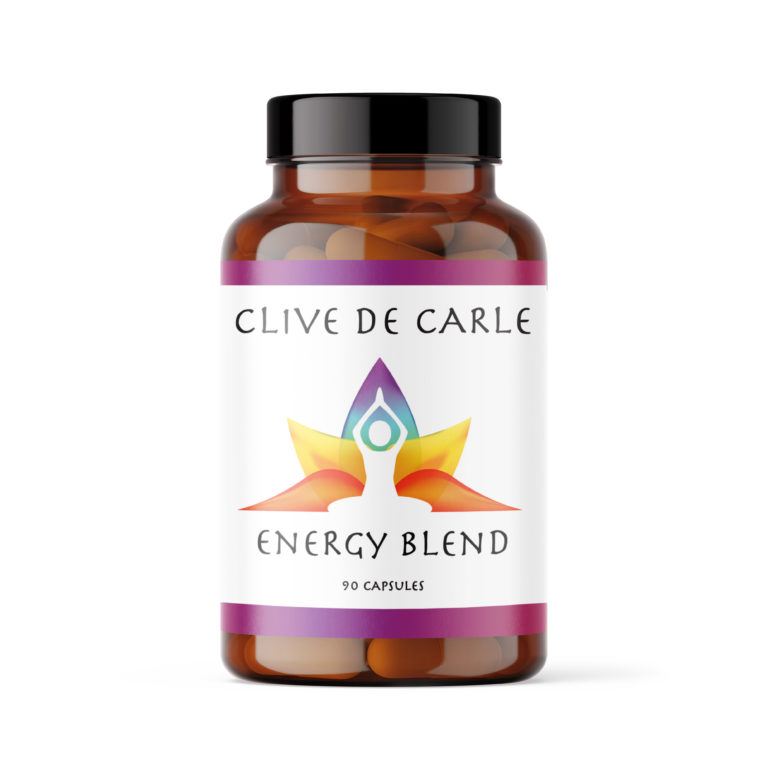
Energy Blend Supports
Energy Blend is a comprehensive formula designed to fuel your body at a cellular level, promoting sustained physical stamina and mental clarity without synthetic spikes. It targets fundamental metabolic pathways to ensure your nervous system and hormonal activity remain balanced and resilient.
Vetting Notes
Pending
This makes it a central hub for 'immune tolerance,' a concept vital to preventing autoimmune and inflammatory conditions throughout the body. It is effectively a secondary lymphoid organ, as active and vital as any lymph node in the neck or groin. ## The Hygiene Hypothesis and Evolutionary Mismatch If the appendix is so beneficial, why is it famous primarily for becoming inflamed and potentially bursting? The answer lies in the concept of evolutionary mismatch. For the vast majority of human history, our immune systems were constantly challenged by parasites, bacteria, and environmental microbes. In the modern, hyper-sanitised world, particularly in the UK and other developed nations, the immune system often lacks these traditional targets.
The 'Hygiene Hypothesis' suggests that in the absence of external challenges, the immune system can become hypersensitive or poorly regulated. In the case of the appendix, a lack of early-life microbial exposure or an overactive immune response can lead to an obstructive inflammatory event—appendicitis. Furthermore, modern diets low in fibre and high in processed sugars can alter the transit time and consistency of waste, increasing the risk of 'fecaliths' (hardened stools) blocking the narrow opening of the appendix. Thus, appendicitis is not evidence of a faulty organ, but rather a symptom of a mismatch between our ancestral biology and our modern lifestyle. ## Root-Cause Implications for Gut Health Recognising the appendix as a functional immune organ has significant implications for how we approach gut health and surgical interventions. While an acute appendectomy is often a life-saving necessity, the long-term consequences of losing this microbial reservoir are becoming clearer.
Studies have suggested that individuals without an appendix may have a higher susceptibility to certain types of gut dysbiosis and may take longer to recover from antibiotic treatments or bouts of food poisoning. From a root-cause perspective, preserving the health of the appendix involves supporting the mucosal barrier and maintaining a high-fibre diet that prevents luminal obstruction. For those who have already undergone an appendectomy, the focus must shift to proactive microbiome management. This includes the regular consumption of fermented foods, diverse plant-based fibres, and targeted probiotics to compensate for the loss of this natural reservoir. Maintaining the health of the ileocecal valve and the surrounding tissues is paramount for ensuring that the rest of the immune system can handle the burden originally shared by the appendix. ## Conclusion: The Enduring Sentinel The vermiform appendix is a testament to the complexity and foresight of human evolution.
It is neither a mistake nor a useless remnant; it is a sophisticated sentinel standing guard at the crossroads of the digestive and immune systems. By serving as a safe house for our microscopic allies and a training ground for our immune cells, it ensures the resilience of the human host in a world teeming with microbial challenges. As we continue to uncover the intricacies of the gut-brain-immune axis, the appendix serves as a reminder that every part of our anatomy has a story to tell—and a vital role to play in our holistic well-being. At INNERSTANDING, we believe that understanding these deep-seated evolutionary functions is the first step toward true health, moving away from the 'symptom-suppression' model and toward a profound respect for our biological heritage.
This article is provided for informational and educational purposes only. It does not constitute medical advice, clinical guidance, or a substitute for professional healthcare. Information reflects cited research at time of publication. Always consult a qualified healthcare professional before acting on any health information.
RESEARCH FOUNDATIONS
Biological Credibility Archive
Citations provided for educational reference. Verify via PubMed or institutional databases.
Medical Disclaimer
The information in this article is for educational purposes only and does not constitute medical advice, diagnosis, or treatment. Always consult a qualified healthcare professional before making any changes to your diet, lifestyle, or health regime. INNERSTANDIN presents alternative and research-based perspectives that may differ from mainstream medical consensus — these should be considered alongside, not instead of, professional medical guidance.
Read Full DisclaimerReady to learn more?
Continue your journey through our classified biological research.
THE ARSENAL
Based on Appendix Function & Immune Reservoir — products curated by our research team for educational relevance and biological support.
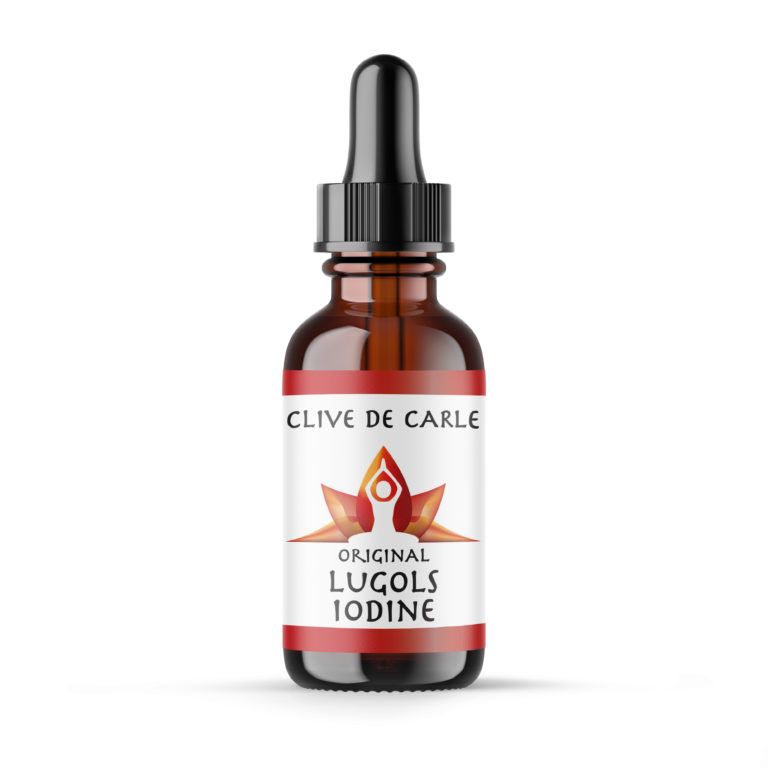
Lugol’s Iodine – Hormonal Issues, Menopause, Immune System, Brain Fog, Memory, Thyroid, Dry Skin
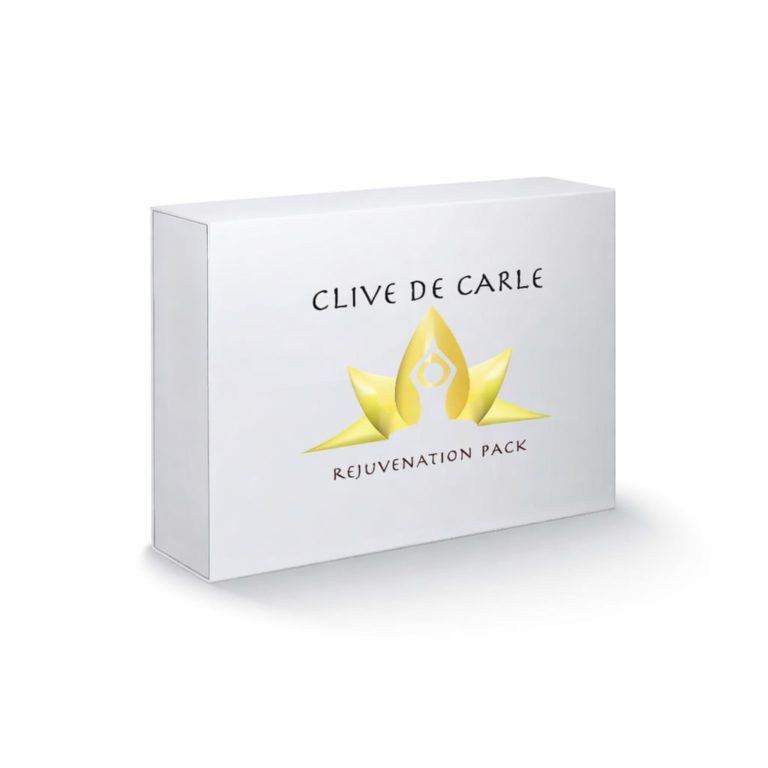
Rejuvenation Pack – Essential Vitamins and Minerals for Health Restoration
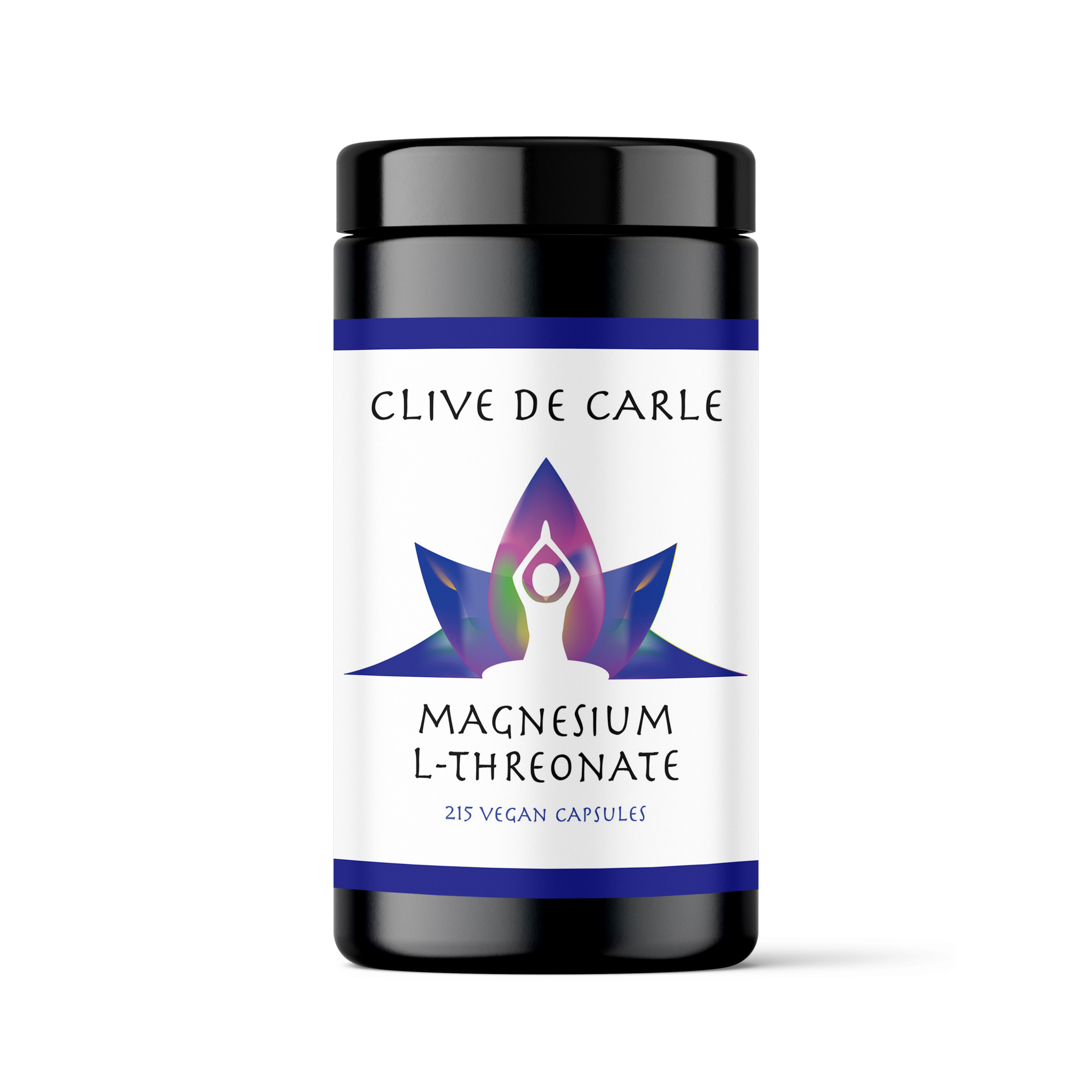
Magnesium L-Threonate
INNERSTANDING may earn a commission on purchases made through these links. All products are selected based on rigorous educational relevance to our biological research.
RABBIT HOLE
Follow the biological thread deeper