
Placental Bioaccumulation: Environmental Toxins and Fetal Development
Updated May 2026
The placenta can accumulate heavy metals and microplastics from the environment, threatening fetal endocrine health. This article explores the biological consequences of toxic exposure during UK pregnancies.
Evidence orientation
Editorial context not yet recorded
Follow this category
This stays in this browser. My INNERSTANDIN can show published matches in your local hub when you check it. It does not send email, push, or alert notifications.
Local learning review
A private browser aid for revisiting ideas. It is not an alert or a health recommendation.
Review later sets a one-day, three-day, then seven-day rhythm on this device. Choose it only when you want to revisit this article.
Overview
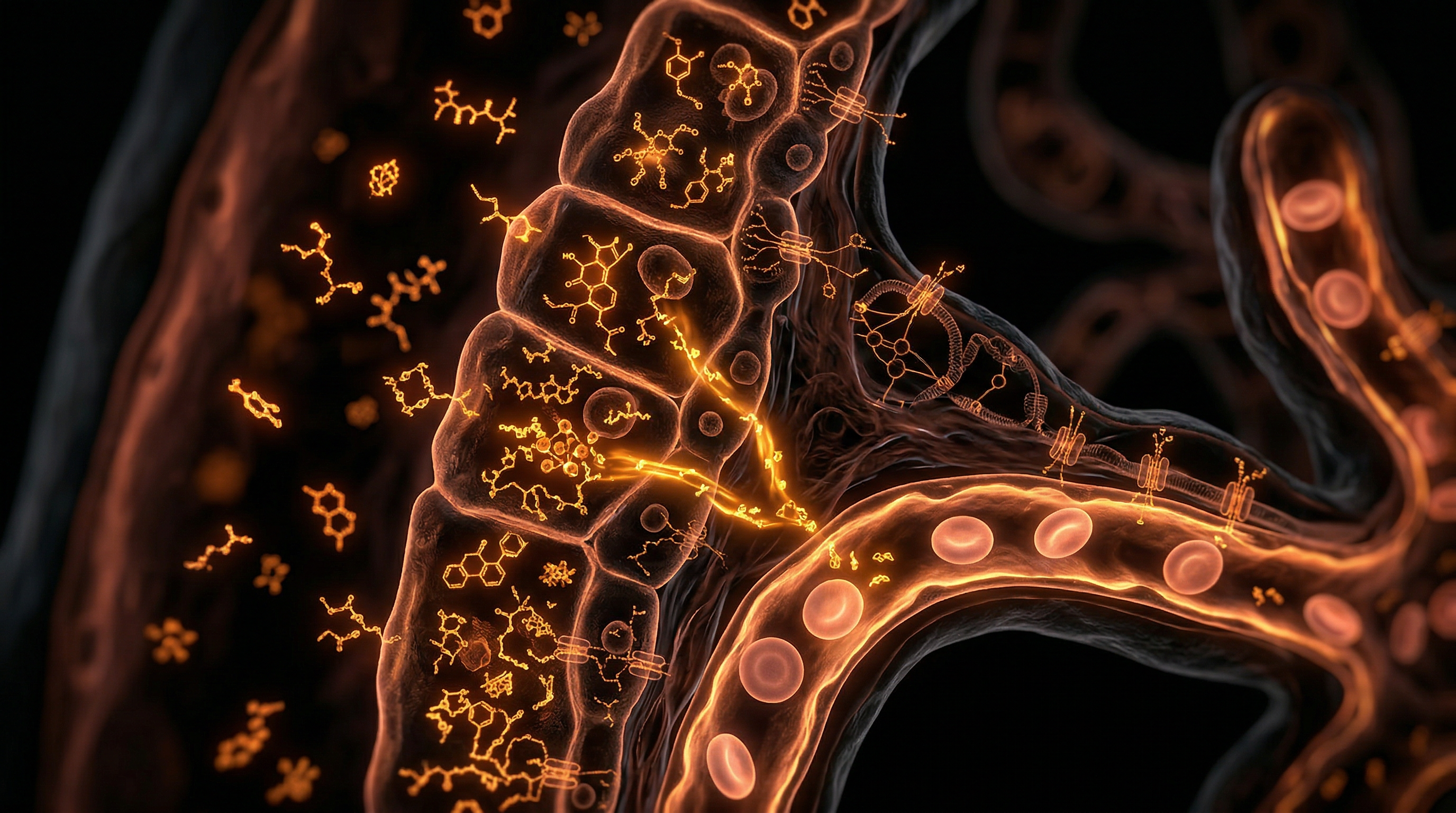
For decades, the medical establishment has presented the human placenta as a formidable, near-impenetrable barrier—a biological "sacred shield" designed by evolution to filter out the dross of the external world while siphoning life-sustaining nutrients to the developing foetus. This narrative, while comforting, is dangerously obsolete. As a senior biological researcher, I must assert that the modern placenta has been transformed from a selective filter into a biological reservoir—a dumping ground for the chemical debris of the Industrial and Information Ages.
The phenomenon of placental bioaccumulation represents one of the most significant, yet understated, crises in contemporary perinatal health. We are no longer dealing with a pristine internal environment. Instead, the womb has become the primary site for the first "body burden" of the next generation. From heavy metals like lead and cadmium to the ubiquitous presence of microplastics and endocrine-disrupting chemicals (EDCs), the foetal environment is being fundamentally altered.
This article provides a rigorous examination of how environmental toxins bypass maternal defences, accumulate within the placental tissue, and trigger a cascade of epigenetic and physiological disruptions that echo throughout a child’s life. In the UK, where industrial legacy and modern consumption patterns converge, the implications for birth trauma and long-term public health are profound. We must move beyond the "barrier myth" and confront the reality of the toxic gestational landscape.
Important Fact: Recent studies have identified over 200 industrial chemicals and pollutants in the umbilical cord blood of newborns, proving that the placenta is actively transmitting, rather than blocking, a vast array of synthetic toxins.
The Biology — How It Works
To understand bioaccumulation, we must first understand the architecture of the maternal-foetal interface. The placenta is a transient, discoid organ that facilitates the exchange of gases, nutrients, and waste. At its heart is the syncytiotrophoblast, a continuous, multinucleated layer of cells that forms the primary barrier between maternal blood and foetal circulation.
The Mechanism of Exchange
The placenta employs several transport mechanisms:
- Simple Diffusion: Small, lipophilic (fat-soluble) molecules pass through the membrane easily. Unfortunately, many modern toxins, including persistent organic pollutants (POPs), are highly lipophilic.
- Facilitated Diffusion and Active Transport: The placenta uses specific protein carriers to "pump" essential nutrients like glucose and amino acids. Crucially, many heavy metals "mimic" essential minerals (molecular mimicry), tricking these transporters into ushering toxins directly into the foetal blood supply.
- Endocytosis: The process of engulfing extracellular fluid. This is increasingly suspected as the route for microplastics and nanoplastics to enter the placental matrix.
The Accumulation Paradox
The placenta is metabolically active. It doesn't just pass substances; it processes them. It contains enzymes like Cytochrome P450, which attempt to detoxify xenobiotics. However, when the toxic load exceeds the organ's metabolic capacity, these substances become sequestered within the placental tissue itself. This "bioaccumulation" means that even if maternal blood levels of a toxin appear low, the placental concentration can be exponentially higher, creating a continuous, low-dose exposure for the foetus.
Statistic: The concentration of certain heavy metals, such as cadmium, can be up to 10 times higher in the placenta than in the maternal blood, acting as a "toxic sink" that eventually leaks into the foetal environment.
Mechanisms at the Cellular Level
When toxins accumulate in the placenta, they don't sit idly. They engage in a form of molecular warfare that compromises the organ’s structural and functional integrity.
Oxidative Stress and Mitochondrial Dysfunction
The most pervasive mechanism of damage is the induction of Oxidative Stress. Heavy metals (mercury, lead) and microplastics trigger the overproduction of Reactive Oxygen Species (ROS). These unstable molecules attack the mitochondrial membranes within the trophoblast cells.
- Mitochondrial DNA (mtDNA) damage: Unlike nuclear DNA, mtDNA is highly susceptible to oxidative damage. When placental mitochondria fail, the energy required for nutrient transport and hormone synthesis is depleted.
- Apoptosis: Excessive oxidative stress triggers programmed cell death in the placenta, leading to "thinning" of the barrier and premature placental ageing.
Epigenetic Programming
Perhaps the most insidious effect occurs at the level of gene expression. Toxins do not necessarily change the DNA sequence, but they alter the epigenetic tags (DNA methylation) that tell the body which genes to turn on or off.
- The "Barker Hypothesis": This principle suggests that the environment during pregnancy programs the foetus for future disease. Placental bioaccumulation of EDCs can "silence" genes responsible for metabolic regulation, predisposing the child to obesity and type 2 diabetes later in life.
- Transgenerational Effects: If the foetus is female, the toxins accumulating in the placenta can affect her developing oocytes (eggs). This means the environmental exposures of a pregnant woman today can theoretically affect her grandchildren.
Endocrine Disruption in the Placental Unit
The placenta is a powerhouse of hormone production, secreting progesterone, oestrogen, and human chorionic gonadotropin (hCG). Toxins like Bisphenol A (BPA) and Phthalates are structural analogues to these hormones. They bind to oestrogen receptors in the placenta, disrupting the delicate hormonal signaling required to maintain a healthy pregnancy and initiate labour.
Environmental Threats and Biological Disruptors
The modern environment presents a "cocktail effect" of toxins that the human evolutionary blueprint never prepared for.
1. Heavy Metals: The Persistent Invaders
- Lead (Pb): Despite being banned in petrol, lead persists in old UK housing (pipes and paint) and soil. It crosses the placenta via calcium transporters, directly impairing foetal brain development.
- Mercury (Hg): Primarily consumed through contaminated seafood. Methylmercury is a potent neurotoxin that the placenta actively transports into the foetal brain.
- Cadmium (Cd): Found in cigarette smoke and industrially grown leafy greens. Cadmium accumulates heavily in the placenta, interfering with zinc and copper transfer, which are essential for foetal growth.
2. Microplastics and Nanoplastics: The New Frontier
In a groundbreaking 2024 study, researchers found microplastics in 100% of human placentas tested. These fragments (polyethylene, polypropylene) are not just inert "bits of plastic." They carry chemical additives and adsorb other environmental toxins (like PCBs) onto their surfaces.
- Physical Obstruction: Nanoplastics are small enough to enter individual cells, potentially disrupting the cytoskeleton and intracellular transport.
- Inflammatory Response: The presence of foreign plastic particles triggers a chronic inflammatory response within the placental tissue, a condition now being linked to pre-eclampsia.
3. Endocrine Disrupting Chemicals (EDCs)
- PFAS (Forever Chemicals): Used in non-stick cookware and waterproof clothing. PFAS are virtually indestructible and have been shown to accumulate in the placenta, where they interfere with thyroid hormone signaling—critical for foetal neurological maturation.
- Phthalates: Found in "fragrance," plastics, and personal care products. They are known to anti-androgenic, meaning they can disrupt the development of the male reproductive system in utero (the "phthalate syndrome").
The Cascade: From Exposure to Disease
The bioaccumulation of toxins in the placenta is not a static event; it is the trigger for a lifelong cascade of physiological dysregulation.
Neurodevelopmental Impairment
The foetal brain is exquisitely sensitive to the chemical environment. Placental accumulation of lead, mercury, and certain pesticides (organophosphates) is strongly correlated with:
- Reduced IQ and cognitive processing speed.
- Increased prevalence of Autism Spectrum Disorder (ASD) and ADHD.
- Alterations in the HPA Axis (Hypothalamic-Pituitary-Adrenal), leading to a permanent state of hyper-cortisolism (the "stress response") in the child.
Metabolic and Endocrine Disorders
When the placenta is "toxic," it sends signals to the foetus that the external environment is harsh. This leads to intrauterine growth restriction (IUGR) or, conversely, metabolic "thrifty phenotype" programming.
- Insulin Resistance: Children exposed to high levels of placental EDCs are more likely to develop metabolic syndrome.
- Early Puberty: Exposure to xenoestrogens via the placenta is a primary suspect in the global trend of decreasing age of menarche in girls.
Birth Trauma and Perinatal Complications
Placental toxicity is a direct driver of birth trauma. A compromised placenta is more likely to fail during the rigours of labour, leading to:
- Placental Abruption: Where the placenta detaches prematurely.
- Foetal Distress: Leading to emergency Caesarean sections, which carry their own set of psychological and physical traumas for both mother and child.
- Pre-eclampsia: Now understood to be, in part, a vascular response to placental oxidative stress and inflammation caused by accumulated toxins.
What the Mainstream Narrative Omits
As a researcher for INNERSTANDING, it is my duty to highlight the gaps in the institutional narrative. Why is this crisis not headline news?
The Myth of "Safe Levels"
Regulatory bodies (like the FSA or the WHO) set "tolerable daily intakes" for toxins. However, these levels are calculated for adults, not for a developing foetus. Furthermore, they fail to account for the Synergistic Effect. Science typically tests one chemical at a time. In reality, a pregnant woman is exposed to a "chemical soup." The combination of low-level lead, low-level mercury, and low-level BPA may be far more toxic than the sum of their parts.
Regulatory Capture and Industrial Inertia
The chemical industry is a behemoth. The process for banning a substance like PFAS or certain phthalates takes decades of litigation and lobbying. By the time one chemical is restricted, industry often replaces it with a "sister chemical" (e.g., replacing BPA with BPS) that is often just as toxic but lacks the same regulatory history.
The Focus on Maternal Behaviour vs. Systems
Mainstream advice focuses heavily on maternal "lifestyle choices" (don't smoke, don't drink). While important, this places the entire burden on the individual woman while ignoring the systemic environmental poisoning that she cannot control—the air she breathes, the microplastics in the municipal water, and the toxins embedded in the industrial food chain.
Callout Fact: In many cases, a mother’s "body burden" is established long before she even becomes pregnant, as lipophilic toxins are stored in her adipose (fat) tissue and bone for years, only to be released into the bloodstream during the metabolic shifts of pregnancy.
The UK Context
The United Kingdom presents a unique and troubling case study for placental bioaccumulation.
The Industrial Legacy
As the birthplace of the Industrial Revolution, the UK's soil and waterways are heavily contaminated with heavy metals and "legacy" pollutants like PCBs. In cities like London, Birmingham, and Manchester, the air quality—specifically Particulate Matter (PM2.5)—is among the worst in Western Europe. Recent research has found carbon soot particles (from traffic pollution) on the foetal side of the placenta in UK-based mothers.
Water Quality and Microplastics
UK tap water is increasingly under scrutiny. With a Victorian-era piping system still prevalent in many cities, lead contamination remains a localized but serious threat. Furthermore, the UK’s "combined sewer overflows" have led to unprecedented levels of microplastics and pharmaceutical residues (including synthetic oestrogens from the contraceptive pill) entering the water cycle, which are not fully removed by standard treatment processes.
The NHS Guidelines Gap
The NHS provides basic nutritional advice for pregnancy but remains largely silent on Environmental Health Literacy. There is no routine screening for heavy metal load in expectant mothers, and very little guidance is provided on avoiding EDCs in household products. This creates a "knowledge gap" where only those with the financial means to seek private functional testing are aware of their toxic status.
Protective Measures and Recovery Protocols
While the situation is grave, we are not powerless. Protective measures can be taken to support placental health and mitigate the effects of bioaccumulation.
Preconception Detoxification (The 6-Month Window)
The most effective way to protect the placenta is to lower the maternal body burden before conception.
- Heavy Metal Chelation: Under professional guidance, using natural binders like zeolite, chlorella, or pharmaceutical chelators to clear stored metals.
- Fat-Cell Turnover: Since many toxins are stored in fat, a supervised period of healthy weight loss and "clean" eating can mobilize and clear these substances before pregnancy begins.
Nutritional Shielding
During pregnancy, specific nutrients can help the placenta defend itself against bioaccumulation:
- Selenium: A vital antagonist to mercury. It helps produce glutathione peroxidase, an enzyme that protects the placenta from oxidative damage.
- Sulforaphane: Found in broccoli sprouts; it activates the Nrf2 pathway, the body’s master antioxidant switch.
- High-Quality Folate (Methylfolate): Essential for DNA methylation. Avoiding synthetic folic acid in favour of natural folates helps support proper epigenetic programming.
- Iodine: Protects the foetal thyroid from being "blocked" by halogens like fluoride and bromide.
Environmental Auditing
Expectant parents must become rigorous "label readers":
- Filter Everything: Use high-quality (Reverse Osmosis or Berkey) water filters to remove microplastics, lead, and fluoride.
- Ditch the "Fragrance": Eliminate synthetic perfumes, scented candles, and "air fresheners," which are primary sources of phthalates.
- Organic Where It Matters: Focus on organic dairy and meats, as toxins bioaccumulate up the food chain into animal fats.
The "Fourth Trimester" Recovery
For those who have already given birth and suspect toxic exposure, the focus shifts to the infant’s microbiome and the mother’s recovery. Breastfeeding is a complex issue; while it provides essential antibodies, it is also a route for the excretion of certain maternal toxins. Supporting the infant's gut health with specific probiotics can help create a secondary barrier against the toxins they may have inherited in utero.
Summary: Key Takeaways
The evidence is undeniable: the placenta is no longer a pristine sanctuary. It is a biological recorder of our environmental failings. To secure the health of future generations, we must adopt a new paradigm of perinatal care.
- The "Barrier Myth" is Dead: The placenta actively accumulates and sometimes concentrates environmental toxins, including heavy metals and microplastics.
- Molecular Mimicry: Toxins trick the placenta’s transport systems to gain entry to the foetal bloodstream, bypassing natural defences.
- The Epigenetic Clock: Placental toxicity doesn't just cause immediate harm; it sets the "metabolic and neurological clock" for the child's entire life.
- Synergistic Toxicity: We must stop looking at chemicals in isolation. The "cocktail effect" of modern life is the true driver of the rise in developmental disorders.
- Sovereign Health: In the absence of robust UK government regulation, the responsibility falls to the individual to engage in environmental auditing and nutritional shielding.
The path to INNERSTANDING requires us to look beneath the surface—beyond the clinical summaries and into the very cells of the organ that connects us to our lineage. Only by acknowledging the reality of placental bioaccumulation can we begin to clear the path for a truly healthy next generation.
"References & Further Reading:"
- Ragusa, A., et al. (2021). "Plasticenta: First evidence of microplastics in human placenta." Environment International.
- Barker, D. J. P. (1990). "The foetal and infant origins of adult disease." BMJ.
- Grandjean, P., & Landrigan, P. J. (2014). "Neurobehavioural effects of developmental toxicity." The Lancet Neurology.
- The Environmental Working Group (EWG) Study on Cord Blood Contaminants.
This article is provided for informational and educational purposes only. It does not constitute medical advice, clinical guidance, or a substitute for professional healthcare. Information reflects cited research at time of publication. Always consult a qualified healthcare professional before acting on any health information.
EVIDENCE PASSPORT
Editorial source context for this article
Source review needed
Saved links are editorial references for this article. They may support specific claims rather than every sentence. Open and assess each source in context. This passport does not independently verify them.
Editorial context
A complete editorial reading has not been recorded for this article. Source links remain available for you to open and assess directly.
Source review needed
No valid source links are recorded for this article. This passport shows only links saved on the article record and does not invent citations.
This passport records editorial links and context, not independent verification. Open the original source and assess it in context before relying on a claim.
Medical Disclaimer
The information in this article is for educational purposes only and does not constitute medical advice, diagnosis, or treatment. Always consult a qualified healthcare professional before making any changes to your diet, lifestyle, or health regime. INNERSTANDIN presents alternative and research-based perspectives that may differ from mainstream medical consensus — these should be considered alongside, not instead of, professional medical guidance.
Read Full DisclaimerContinue the thread
Keep this question moving.
Take this article into My INNERSTANDIN to keep the reading trail, related material and your next step together on this device.
Dig deeper in the Library
Free, longform PDF volumes that go beyond headlines into mechanisms and references.