
Post-Antibiotic Microbiome Recovery: The Kinetic Role of the Appendicular Reservoir in Repopulating the Distal Colon
Discuss this resourceUpdated May 2026
An in-depth exploration of the appendix's vital role as a microbial 'safe house,' examining the mechanics of how it protects commensal bacteria from antibiotic disruption and facilitates the repopulation of the gut.
Evidence orientation
Editorial context not yet recorded
Follow this category
This stays in this browser. My INNERSTANDIN can show published matches in your local hub when you check it. It does not send email, push, or alert notifications.
Local learning review
A private browser aid for revisiting ideas. It is not an alert or a health recommendation.
Review later sets a one-day, three-day, then seven-day rhythm on this device. Choose it only when you want to revisit this article.
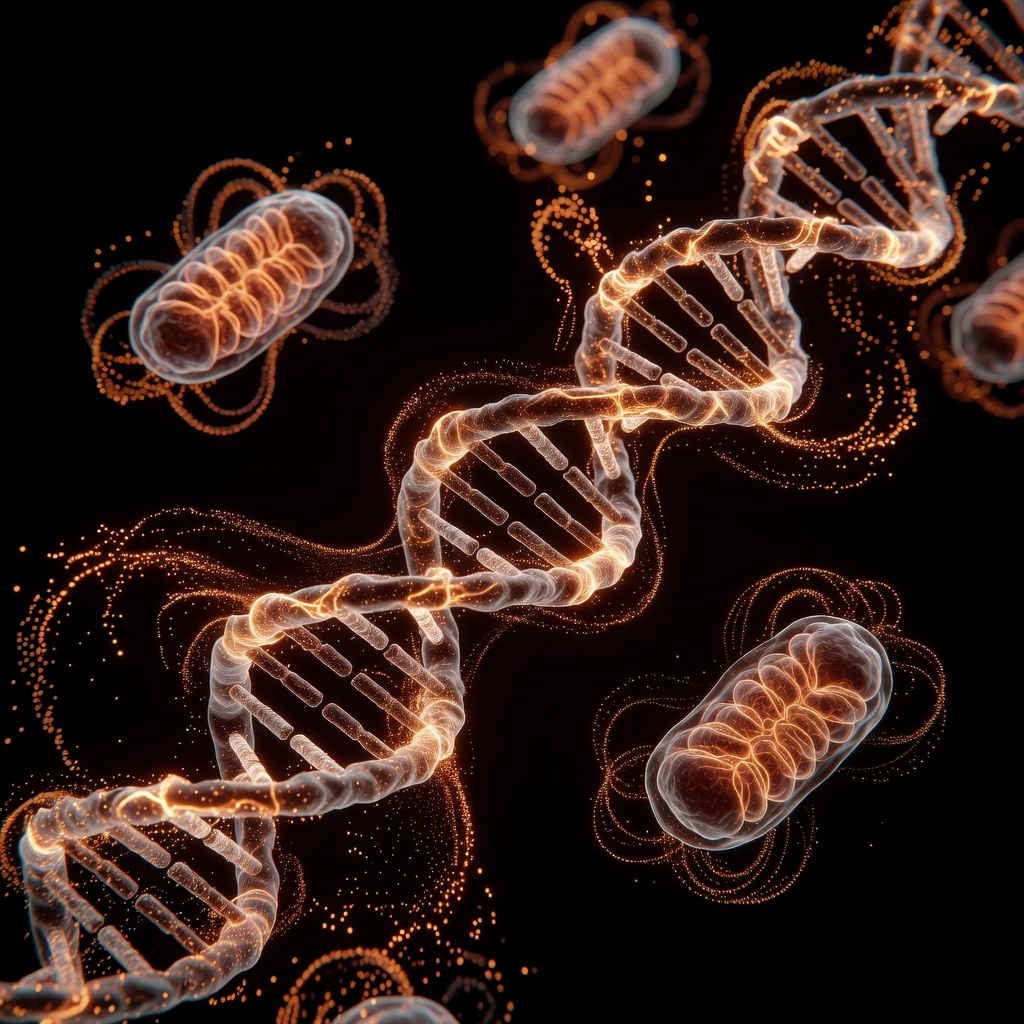
This perspective led to a century of elective appendectomies and a general disregard for the organ's physiological importance. \n\nRecent comparative genomic studies have shown that the appendix has evolved independently in more than 30 different mammalian lineages. This \"convergent evolution\" strongly suggests a vital functional advantage. We now understand that the appendix is a core component of the Gut-Associated Lymphoid Tissue (GALT) and acts as a reservoir for beneficial bacteria, particularly during times of gastrointestinal distress or medical intervention, such as antibiotic therapy.\n\n## The 'Safe House' Hypothesis: Anatomy of a Reservoir\n\nThe \"Safe House\" hypothesis, popularized by Dr. William Parker and his colleagues at Duke University, proposes that the appendix’s location and structure are uniquely suited to protect the microbiome. Situated at the junction of the small and large intestines (the cecum), its narrow, tube-like shape and small opening (lumen) create a physical barrier against the flow of the main digestive tract.\n\nWhen a person is exposed to broad-spectrum antibiotics or experiences a severe diarrheal illness (like cholera or dysentery), the beneficial bacteria in the distal colon are often decimated.
However, the bacteria nestled within the appendix are physically shielded. The narrow lumen prevents the complete 'washout' of its contents, allowing a select population of commensal microbes to remain sequestered and safe from both the chemical onslaught of drugs and the mechanical flush of illness.\n\n## Biofilm Architecture: The Shield Against Antibiotics\n\nThe secret to the appendix's protective power lies in its biofilm. A biofilm is a complex, three-dimensional community of microorganisms embedded in a self-produced matrix of Extracellular Polymeric Substances (EPS). Within the appendix, these biofilms are exceptionally dense and well-structured.\n\nDuring antibiotic treatment, the drugs circulate through the bloodstream and the main intestinal lumen. While they effectively kill free-floating (planktonic) bacteria, they struggle to penetrate the thick EPS matrix of the appendicular biofilm.
This allows the appendix to maintain a \"seed stock\" of the host’s original, healthy microbiome. These biofilms are enriched with high concentrations of immunoglobulin A (IgA), an antibody produced by the GALT that helps select for and tether beneficial bacteria while excluding pathogens.\n\n## The Kinetic Repopulation Process: From Cecum to Distal Colon\n\nOnce the threat—whether it be an antibiotic course or a pathogen—has passed, the kinetic role of the appendix begins. The organ doesn't just store bacteria; it actively facilitates the re-colonization of the distal colon. \n\n1. Activation: As the luminal environment of the large intestine stabilizes, chemical signals (chemotaxis) and changes in the mucosal gradient trigger the dispersal of bacteria from the appendicular biofilm.\n2. Migration: The bacteria begin to exit the narrow lumen of the appendix and enter the cecum. \n3. Exponential Growth: Using the pre-existing \"blueprint\" of the host's unique microbial signature, these founder colonies begin to replicate rapidly. They travel along the length of the ascending, transverse, and descending colon, filling the ecological niches left vacant by the antibiotics.\n4. Restoration of Homeostasis: This endogenous re-seeding is often more effective than external probiotics because the bacteria are already adapted to the host’s specific immune system and dietary habits.\n\n## Clinical Implications of the Appendectomy\n\nUnderstanding this reservoir function sheds light on why individuals who have had their appendix removed (appendectomy) may face different health challenges. Clinical data suggests that those without an appendix are at a significantly higher risk for recurrent Clostridioides difficile (C. diff) infections.
Without the appendicular reservoir to provide a rapid 'reset' of beneficial flora, the gut remains in a state of dysbiosis longer, allowing opportunistic pathogens like C. diff to take hold.\n\nFor the appendectomy patient, post-antibiotic recovery requires more intentionality. Since the internal backup system is missing, there is a greater reliance on external inputs such as fermented foods, high-quality multi-strain probiotics, and prebiotic fibers to manually rebuild the microbial landscape.\n\n## Supporting the Reservoir: A Root-Cause Approach to Recovery\n\nTo support the appendicular reservoir and the subsequent repopulation of the distal colon, we must focus on the foundations of gut health:\n\n Soluble Fiber: Prebiotics like inulin and FOS serve as the primary fuel for the commensal bacteria residing in the appendix, helping to maintain the density of the protective biofilm.\n Polyphenols: Compounds found in colorful berries, green tea, and cocoa have been shown to selectively promote the growth of beneficial species while inhibiting the growth of less desirable microbes.\n Mucosal Support: Since the appendix is lined with mucus-producing cells, nutrients like L-glutamine and Vitamin A are essential for maintaining the integrity of the \"safe house\" walls.\n Strategic Probiotics: Following antibiotics, using a diverse range of probiotic strains can act as \"placeholders\" that prevent pathogenic overgrowth while the appendix works to restore the native population.\n\n## Conclusion: Honoring the Biological Backup System\n\nThe appendix is not an evolutionary mistake; it is a masterclass in biological resilience. By acting as a kinetic reservoir, it ensures that our microbial identity is preserved even in the face of modern medical interventions. Recognizing the kinetic role of the appendicular reservoir allows us to approach gut health with more nuance—moving away from the idea of the gut as a simple tube, and instead seeing it as a complex, self-healing ecosystem with built-in redundancies designed for our survival. For those with or without an appendix, the goal remains the same: fostering an environment where our microbial partners can thrive and, in turn, sustain our systemic health.","tags":["Microbiome","Gut Health","Appendix","Antibiotics","Immunology","INNERSTANDING"],"reading_time":6}
This article is provided for informational and educational purposes only. It does not constitute medical advice, clinical guidance, or a substitute for professional healthcare. Information reflects cited research at time of publication. Always consult a qualified healthcare professional before acting on any health information.
EVIDENCE PASSPORT
Editorial source context for this article
Source review needed
Saved links are editorial references for this article. They may support specific claims rather than every sentence. Open and assess each source in context. This passport does not independently verify them.
Editorial context
A complete editorial reading has not been recorded for this article, and no source links are saved on its record.
Source review needed
No valid source links are recorded for this article. Supplementary research, where available, is listed separately below.
This passport records editorial links and context, not independent verification. Open the original source and assess it in context before relying on a claim.
Medical Disclaimer
The information in this article is for educational purposes only and does not constitute medical advice, diagnosis, or treatment. Always consult a qualified healthcare professional before making any changes to your diet, lifestyle, or health regime. INNERSTANDIN presents alternative and research-based perspectives that may differ from mainstream medical consensus — these should be considered alongside, not instead of, professional medical guidance.
Read Full DisclaimerContinue the thread
Keep this question moving.
Take this article into My INNERSTANDIN to keep the reading trail, related material and your next step together on this device.
Explore this in the Body Map
Explore related body structures and their educational pages in the interactive Body Map.
Dig deeper in the Library
Free, longform PDF volumes that go beyond headlines into mechanisms and references.