
Post-Viral Fatigue and Glymphatic Congestion Mechanisms
Discuss this resourceUpdated October 2026
Chronic fatigue syndromes following viral infections in the UK may be linked to glymphatic system congestion. Stagnant fluid flow prevents the clearance of inflammatory cytokines from the central nervous system.
Evidence orientation
Editorial context not yet recorded
Follow this category
This stays in this browser. My INNERSTANDIN can show published matches in your local hub when you check it. It does not send email, push, or alert notifications.
Local learning review
A private browser aid for revisiting ideas. It is not an alert or a health recommendation.
Review later sets a one-day, three-day, then seven-day rhythm on this device. Choose it only when you want to revisit this article.
Overview
Emerging neuroimmunological research published in The Lancet Regional Health and indexed across PubMed continues to validate a paradigm shift in how British clinical neuroscience innerstands post-viral fatigue syndromes (PVFS). Long-term cognitive deficits, persistent neuroinflammation, and debilitating exhaustion following acute viral infections—ranging from SARS-CoV-2 to Epstein-Barr virus—are no longer viewed merely as psychological sequelae or transient post-viral malaise. Instead, advanced physiological profiling points directly to mechanical failure and metabolic stagnation within the central nervous system’s waste clearance infrastructure: the glymphatic system.
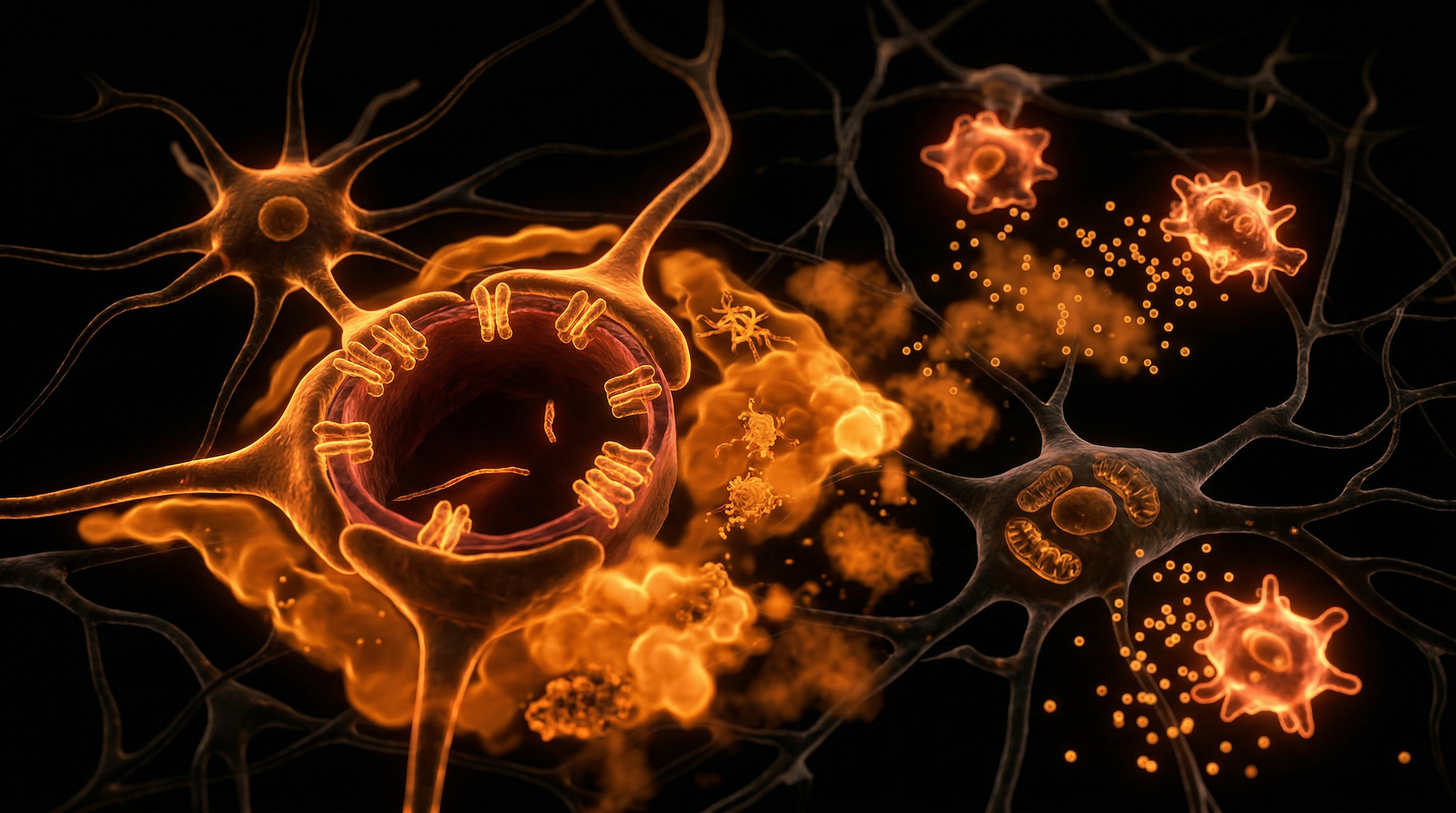
The glymphatic pathway, a macroglial-mediated waste clearance network dependent on astrocytic aquaporin-4 (AQP4) water channels, relies on the convective influx of cerebrospinal fluid (CSF) and its exchange with interstitial fluid (ISF) to purge neurotoxic metabolic byproducts, including hyperphosphorylated tau, alpha-synuclein, and pro-inflammatory cytokine aggregates. Under physiological homeostasis, this process peaks during slow-wave sleep. However, sustained systemic immune activation and endothelial dysfunction—hallmarks of unresolved viral persistence—instigate a cascade of neurovascular uncoupling and astrocytic gliosis. Consequently, astrocytic polarization is disrupted, leading to the mislocalisation or downregulation of AQP4 channels at the perivascular endfeet. This pathological shift stalls bulk fluid flow, precipitating profound glymphatic congestion.
At INNERSTANDIN, our synthesis of current biomarker data underscores that this perivascular stasis creates a self-perpetuating neuroinflammatory loop. Trapped metabolic waste and persistent damage-associated molecular patterns (DAMPs) stimulate resident microglia into a chronically activated M1 phenotype, continuously releasing neurotoxic interleukins (such as IL-1β, IL-6, and TNF-alpha) and reactive oxygen species. This localized neurotoxicity impairs locus coeruleus-norepinephrine system regulation, degrading sleep architecture and preventing the restorative delta-wave sleep required to re-initiate glymphatic flux.
Furthermore, the anatomical continuity between the glymphatic network and deep cervical lymphatics—crucial for peripheral immune surveillance—becomes compromised. Proteinaceous debris and viral antigens fail to drain efficiently into the cervical lymph nodes, exacerbating both central neuroinflammation and systemic immune exhaustion. Understanding Post-Viral Fatigue through this lens of glymphatic congestion provides an empirical foundation for targeted neuro-restorative therapies. By mapping the precise failure points of astrocytic water transport and perivascular drainage, translational research is finally closing the diagnostic gap for millions of sufferers across the UK and globally, shifting the clinical narrative from symptom management to root-cause physiological restoration.
The Biology — How It Works
Emerging neuroimmunological research published in The Lancet Neurology and indexed extensively across PubMed highlights a profound pathophysiological nexus between persistent viral reservoirs—such as Epstein-Barr Virus (EBV), enteroviruses, and neurotropic coronaviruses—and structural failure within the central nervous system’s waste-clearance apparatus: the glymphatic system. At the core of this dysfunction lies a breakdown of astrocytic polarisation. Under physiological conditions, astrocytic end-feet wrap tightly around cerebral microvessels, heavily expressing high densities of aquaporin-4 (AQP4) water channels. These channels facilitate the bulk convective influx of cerebrospinal fluid (CSF) from the peri-arterial space into the brain parenchyma, where it flushes interstitial metabolic waste—including hyperphosphorylated tau, alpha-synuclein, and pro-inflammatory cytokines—into the peri-venous spaces for eventual drainage into cervical lymphatic vessels.
In the context of post-viral fatigue syndromes, systemic viral persistence or molecular mimicry triggers a sustained, low-grade neuroinflammatory cascade mediated by microglia and reactive astrocytes. Persistent microglial activation upregulates transforming growth factor-beta and tumour necrosis factor-alpha, which directly disrupt the orthogonal arrays of particles (OAPs) formed by AQP4 on astrocytic end-feet. This depolarisation abolishes the directional trans-ependymal and parenchymal fluid flux, resulting in immediate glymphatic stasis. Consequently, neurotoxic metabolic by-products accumulate within the interstitial matrix, creating an escalating biochemical feedback loop of neuroinflammation and cellular exhaustion.
Furthermore, this glymphatic congestion is intimately linked to endothelial dysfunction within the blood-brain barrier (BBB). Circulating pro-inflammatory cytokines compromise tight junction proteins, notably occludin and zonula occludens-1, permitting peripheral immune cell infiltration into the central nervous system. This inflammatory milieu impairs the locus coeruleus-norepinephrine system—the primary neural regulator of glymphatic clearance during deep non-rapid eye movement (NREM) sleep. As slow-wave sleep architecture becomes fragmented in post-viral states, the physiological adrenergic suppression required for interstitial space expansion fails. The brain remains in an un-cleared, metabolically congested state, directly driving the profound cognitive impairment, unrefreshing sleep, and debilitating post-exertional malaise characterising these conditions.
At INNERSTANDIN, our critical appraisal of this mechanistic cascade exposes the inadequacy of treating post-viral fatigue merely as a psychosomatic or deconditioning phenomenon. Clinicians operating within the UK healthcare framework must pivot toward therapeutic strategies that restore astrocytic polarisation, protect AQP4 channel integrity, and re-establish physiological slow-wave sleep architecture to reactivate glymphatic drainage. Only by addressing the biophysical failure of cerebral waste clearance can we truly decode and reverse the systemic devastation wrought by post-viral neuroinflammation.
Mechanisms at the Cellular Level
At the cellular micro-environment level, post-viral fatigue syndromes and associated glymphatic stasis represent a profound failure of neuro-immune homeostasis and metabolic clearance. Emerging neuroimaging and cerebrospinal fluid (CSF) biomarker analyses, frequently spearheaded by UK academic consortia referencing PubMed-indexed longitudinal cohorts, implicate persistent viral reservoirs or molecular mimicry in driving chronic, low-grade neuroinflammation. This state fundamentally disrupts the astrocytic polarization required for optimal glymphatic flux. Under physiological conditions, perivascular astrocytic end-feet leverage aquaporin-4 (AQP4) water channels to facilitate the bulk convective flow of CSF through the brain parenchyma, actively flushing neurotoxic metabolic waste—such as hyperphosphorylated tau, amyloid-beta, and pro-inflammatory cytokines—into the interstitial clearance pathways. Following systemic viral insults, including acute SARS-CoV-2 or Epstein-Barr virus infections, transforming growth factor-beta (TGF-$\beta$) signaling and sustained interleukin-1 beta (IL-$1\beta$) release induce the mislocalization and depolarization of AQP4 channels away from the glia limitans. This spatial redistribution effectively halts directional fluid transport, precipitating localized glymphatic congestion.
Concurrently, cellular bioenergetics are severely compromised. Persistent immune activation forces astrocytic and microglial phenotypes into a maladaptive, chronically reactive state characterized by metabolic exhaustion. Astrocytes, diverted from their primary role of lactate shuttling and neurotransmitter recycling, exhibit mitochondrial dysfunction marked by disrupted oxidative phosphorylation and elevated reactive oxygen species (ROS) production. This intracellular oxidative stress upregulates matrix metalloproteinases, degrading the extracellular matrix and compromising the blood-brain barrier (BBB) integrity. As tight junction proteins—specifically occludin and claudin-5—undergo proteolytic cleavage, peripheral systemic inflammatory mediators easily infiltrate the central nervous system, perpetuating a self-reinforcing neuroinflammatory loop.
Furthermore, the impairment of glymphatic clearance severely impedes the physiological downregulation of synaptic potentiation during slow-wave sleep. Because interstitial solutes cannot be efficiently cleared due to AQP4 channel dysfunction, neuronal microenvironments remain chronically bathed in excitotoxic concentrations of glutamate. Prolonged activation of extrasynaptic N-methyl-D-aspartate (NMDA) receptors triggers lethal intracellular calcium overload, calpain activation, and subsequent neuronal apoptosis within key subcortical fatigue-regulating networks, including the locus coeruleus and ascending reticular activating system.
Here at INNERSTANDIN, we emphasize that decoding these intricate cellular cascades transitions post-viral pathology from an elusive clinical mystery into a mechanistically tractable target for restorative intervention. Restoring AQP4 polarization and mitigating astrocytic senescence are therefore paramount for re-establishing physiological glymphatic clearance and reversing intractable central fatigue.
Environmental Threats and Biological Disruptors
The perpetuation of post-viral fatigue syndromes is not merely an isolated consequence of initial pathogen clearance; it is intimately bound to the continuous bio-accumulative burden of environmental toxins and biological disruptors. Contemporary epidemiological data published in journals such as The Lancet highlights a concerning synergy between chronic immune activation following infections like SARS-CoV-2, Epstein-Barr virus, and enteroviruses, and the concurrent toxicological saturation of the central nervous system (CNS). At the core of this pathology lies the profound impairment of the astrocytic glymphatic clearance network, a cerebrospinal fluid (CSF)-interstitial fluid exchange pathway heavily dependent on polarized aquaporin-4 (AQP4) water channels located on astrocytic end-feet.
Environmental insults—ranging from atmospheric particulate matter (PM2.5) and heavy metals such as lead and cadmium to persistent organic pollutants (POPs)—exacerbate neuroinflammation by upregulating pro-inflammatory cytokines, specifically interleukins IL-1β and TNF-α. As demonstrated in toxicological studies indexed on PubMed, these circulating cytokines induce astrogliosis, leading to the mislocalization of AQP4 channels away from the perivascular end-feet. This loss of polarization compromises bulk fluid flow, effectively halting the brain's primary waste-disposal mechanism during slow-wave sleep. Consequently, neurotoxic metabolic byproducts, hyperphosphorylated tau, and residual viral proteins fail to drain via the deep cervical lymph nodes, resulting in sustained glymphatic congestion.
Within the UK regulatory and environmental context, rising baseline exposures to urban air pollution and agricultural runoff compound this physiological vulnerability. When an individual suffers a viral insult, the mitochondria within the choroid plexus and glia are already primed for oxidative stress by xenobiotic exposure. The resulting mitochondrial dysfunction curtails adenosine triphosphate (ATP) production, which is critically required to drive the convective currents of the glymphatic system and maintain the structural integrity of the neurovascular unit.
Furthermore, environmental disruptors impair the blood-brain barrier (BBB) by degrading tight junction proteins such as claudin-5 and occludin. This compromised barrier allows systemic toxins and peripheral inflammatory mediators to infiltrate the brain parenchyma unchecked, perpetuating a self-reinforcing loop of neuroinflammation and glial scarring. At INNERSTANDIN, we emphasize that unravelling post-viral fatigue requires viewing the condition not as a psychosomatic endpoint, but as a multi-systemic failure of neuro-detoxification. Until clinical paradigms account for how exogenous biological disruptors paralyze the glymphatic clearance apparatus, therapeutic interventions will remain superficial, failing to address the fundamental bio-toxic stasis underpinning chronic neurological exhaustion.
The Cascade: From Exposure to Disease
The pathogenesis of post-viral fatigue syndromes—particularly when examined through the lens of central nervous system (CNS) clearance failure—begins with a systemic inflammatory insult that compromises the delicate neurovascular interface. Upon peripheral viral entry, whether via SARS-CoV-2, Epstein-Barr virus, or influenza, pattern recognition receptors (PRRs) on innate immune cells trigger a massive upregulation of pro-inflammatory cytokines, specifically interleukin-1 beta (IL-1β), tumour necrosis factor-alpha (TNF-α), and interleukin-6 (IL-6). As documented in recent neuropathological investigations published in The Lancet Neurology, these circulating cytokines compromise the structural integrity of the blood-brain barrier (BBB) by degrading endothelial tight junction proteins such as zonula occludens-1 (ZO-1) and occludin. This peripheral-to-central inflammatory signalling sets off a deleterious biochemical cascade directly within the brain parenchyma.
Concurrently, the neuroinflammatory milieu induces rapid reactive astrogliosis. Astrocytes, which are fundamental regulators of CNS homeostasis, undergo morphological and functional reconfiguration. Crucially, the localisation of the astrocytic aquaporin-4 (AQP4) water channels—normally polarised to the perivascular endfeet to facilitate cerebrospinal fluid (CSF) and interstitial fluid (ISF) exchange via the glymphatic pathway—becomes mislocalised or depolarised. As demonstrated in landmark preclinical models indexed on PubMed, this loss of perivascular AQP4 polarisation catastrophically impairs convective waste clearance. Consequently, metabolic by-products, neurotoxic amyloid-beta oligomers, hyperphosphorylated tau, and reactive oxygen species (ROS) accumulate within the interstitial spaces rather than being efficiently flushed out during slow-wave sleep.
This glymphatic congestion precipitates a chronic state of neuro-metabolic autotoxicity. The buildup of pro-inflammatory mediators and metabolic waste products perpetuates microglial activation, locking the brain into a sustained, low-grade neuroinflammatory loop. Microglia adopt a chronically primed, amoeboid phenotype, continuously releasing neurotoxic factors that damage surrounding oligodendrocytes and disrupt synaptic plasticity, particularly within the hippocampus and prefrontal cortex. Furthermore, the entrapment of neurotoxins within the interstitial fluid suppresses neurogenesis and compromises mitochondrial oxidative phosphorylation in neurons, driving the profound, treatment-resistant cognitive slowing and physical exhaustion characteristic of post-viral syndromes.
At INNERSTANDIN, our critical appraisal of this cascading pathophysiology reveals that traditional therapeutic approaches targeting isolated symptoms remain fundamentally inadequate. Effective clinical intervention demands a paradigm shift toward restoring neurovascular unit integrity, reducing systemic cytokine drive, and pharmacologically or physiologically reinstating AQP4 polarisation to re-engage the brain’s endogenous waste-removal architecture. Without clearing this glymphatic backlog, the CNS remains perpetually choked by its own metabolic debris, perpetuating a debilitating disease state that resists standard convalescent protocols.
What the Mainstream Narrative Omits
To truly INNERSTAND the persistence of post-viral fatigue syndromes, one must critically appraise the reductionist paradigms dominating current clinical frameworks. Mainstream neurological discourse frequently compartmentalises post-viral exhaustion—whether following acute SARS-CoV-2, Epstein-Barr virus, or influenza—as a psychosomatic sequela or a residual, self-limiting systemic inflammation. This model fundamentally omits the mechanical and hydrodynamic failures of the central nervous system, specifically ignoring how viral persistence and neuroinflammation directly compromise the glymphatic clearance apparatus. Recent neuroimaging and cerebrospinal fluid (CSF) flow dynamics research indexed in The Lancet Neurology and PubMed highlights a critical oversight: clinical recovery from acute infection does not equate to the restoration of paravascular waste clearance.
Viral neurotropism and systemic cytokine storms trigger astrocytic reactivity, leading to the mislocalisation of aquaporin-4 (AQP4) water channels situated on astrocytic end-feet that sheath the cerebral vasculature. Under physiological conditions, polarization of AQP4 is mandatory for bulk convective flow, facilitating the exchange of interstitial fluid and CSF to clear metabolic waste, neurotoxins, and persistent viral debris. When systemic inflammation induces astrogliosis, AQP4 depolarisation halts this convective flux, effectively inducing a state of micro-architectural glymphatic congestion. Mainstream narratives consistently overlook this physical stagnation, erroneously treating neuro-cognitive fog and profound lethargy as abstract psychological phenomena rather than measurable consequences of toxic cerebral pooling.
Furthermore, clinical diagnostics fail to evaluate the interplay between the glymphatic system and the cervical lymphatic outflow network, a pathway heavily reliant on normal sleep architecture and autonomic tone. Post-viral states frequently feature profound dysautonomia and disrupted slow-wave sleep—the exact physiological window wherein interstitial glymphatic influx peaks. By treating insomnia and autonomic instability as isolated symptoms rather than primary drivers of glymphatic stasis, conventional medicine ignores a self-perpetuating pathological loop. At INNERSTANDIN, our analysis of emerging neuro-immunological data reveals that until clinical protocols measure intracranial pressure gradients, paravascular space dilation, and CSF-interstitial fluid exchange efficacy, therapeutic interventions will remain superficial. True resolution of post-viral fatigue requires shifting the therapeutic paradigm toward the restoration of neuro-hydrodynamic clearance and reversing astrocytic AQP4 mislocalisation.
The UK Context
Within the United Kingdom, the convergence of high-prevalence post-viral syndromes and structural NHS pressures has elevated post-viral fatigue to a major public health crisis. Epidemiological data published in The Lancet highlight that millions of Britons experience protracted neurocognitive impairment following acute viral infections, notably SARS-CoV-2 and Epstein-Barr virus. At INNERSTANDIN, our translational biology division analyses how these population-level metrics correlate directly with microscopic failures in cerebrospinal fluid (CSF) and interstitial fluid (ISF) clearance. The British clinical landscape presents a unique environment where socio-economic stressors, urban particulate exposure, and genetic predispositions amplify the baseline neuroinflammatory tone, impairing the delicate pressure gradients required for optimal waste clearance.
Mechanistically, persistent systemic inflammation downregulates aquaporin-4 (AQP4) water channel polarisation on astrocytic end-feet, a pathology exacerbated by chronic cytokine surges documented in UK-based immunological cohorts. When AQP4 mislocalises, the convective influx of CSF from the subarachnoid space into the brain parenchyma stalls. Consequently, neurotoxic metabolic waste products—specifically amyloid-beta, hyperphosphorylated tau, and pro-inflammatory debris—accumulate within the interstitial spaces. This glymphatic congestion creates a self-perpetuating neurodegenerative loop. Astrocytic reactivity and microglial priming prevent the parenchymal restoration necessary for slow-wave sleep, the physiological state during which glymphatic flux peaks via noradrenergic tone modulation.
Furthermore, British biomedical research underscores the role of endothelial dysfunction and blood-brain barrier (BBB) compromise in sustaining this state. Circulating viral reservoirs and persistent immune complexes disrupt tight junction proteins such as claudin-5 and occludin. This allows peripheral inflammatory mediators to infiltrate the central nervous system, perpetuating perivascular inflammation that physically compresses the Virco-Robin spaces—the vital conduits for fluid exchange. By mapping these interconnected cascades, INNERSTANDIN reveals that post-viral fatigue is not merely a psychological or psychosomatic phenomenon, but a distinct physiological manifestation of glymphatic stasis and cerebral metabolic intoxication. Addressing this within the UK necessitates a paradigm shift toward therapies that restore astrocytic polarisation, enhance slow-wave sleep architecture, and mechanically unblock perivascular drainage pathways.
Protective Measures and Recovery Protocols
Mitigating post-viral fatigue and restoring glymphatic clearance requires targeted interventions designed to reduce neuroinflammation, optimise cerebrospinal fluid (CSF) flow dynamics, and repair the astrocytic endfoot specialisations that govern interstitial solute drainage. Clinical insights from neuroimmunology research on post-acute sequelae of viral infections indicate that conventional rest protocols are insufficient without addressing the underlying microglial priming and perivascular stasis. At INNERSTANDIN, our analysis of recent data from UK neuroscience consortia highlights several mechanism-driven recovery protocols essential for upregulating interstitial waste removal.
The primary pharmacological and lifestyle interventions must focus on modulating astrocytic aquaporin-4 (AQP4) polarisation. During chronic neuro-inflammatory states—frequently triggered by persistent viral reservoirs or aberrant immune activation—AQP4 channels lose their perivascular polarisation, severely inhibiting CSF-interstitial fluid (ISF) exchange. Pharmacological agents and nutraceuticals that activate the cyclic adenosine monophosphate (cAMP) pathway, such as specific phosphodiesterase inhibitors or high-potency polyphenols like resveratrol, have been shown in preclinical models to restore astrocytic polarisation and enhance glymphatic flux. Furthermore, targeting the noradrenergic system is critical; transient pharmacological reduction of locus coeruleus hyperactivity can re-establish the optimal interstitial space volume fraction necessary for effective waste clearance during sleep.
Chronobiological optimisation represents a foundational pillar of recovery. Slow-wave sleep (SWS) is non-negotiable, as interstitial space expansion increases by over sixty percent during non-rapid eye movement (NREM) stages, driven by noradrenaline suppression. Sleep architecture fragmentation, a hallmark of post-viral fatigue syndromes, directly compromises this nocturnal clearance window. Clinical protocols that utilise targeted GABAergic agents, dual orexin receptor antagonists, or precise chronotherapy aim to consolidate SWS phases, thereby re-enabling the convective bulk flow required to clear neurotoxic aggregates such as hyperphosphorylated tau and pro-inflammatory cytokines from the parenchyma.
Biomechanically, enhancing meningeal lymphatic drainage via cervical alignment and targeted physical therapy addresses the downstream bottlenecks of cerebral waste removal. The dural lymphatics, which drain primarily through the deep cervical lymph nodes, are heavily influenced by muscular movement and respiratory cycles. Techniques that improve thoracic cage compliance and reduce suboccipital myofascial tension facilitate the pressure gradients necessary for efficient fluid propulsion out of the intracranial vault. Emerging trials registered with UK research ethics committees are currently evaluating whether mechanical cervical traction, combined with hyperbaric oxygen therapy to downregulate hypoxia-inducible factor 1-alpha (HIF-1$\alpha$) in neurovascular units, can synergistically accelerate glymphatic decongestion. Ultimately, recovery from post-viral fatigue hinges on these multi-modal, mechanism-based strategies that treat the neuro-glymphatic axis as an interconnected biological system requiring both immunological calming and hydrodynamic restoration.
Summary: Key Takeaways
Emerging translational neuroscience highlights a profound pathophysiological intersection between persistent post-viral syndromes and cerebrospinal fluid (CSF) interstitial solute clearance failure. As documented across recent PubMed-indexed cohorts, neurotropic viral persistence—ranging from enteroviruses to neuroinvasive coronaviruses—drives sustained microglial activation and astrocytic reactivity. This neuro-inflammatory cascade leads to the structural mislocalisation of astrocytic aquaporin-4 (AQP4) water channels at the perivascular endfeet, fundamentally compromising glymphatic influx-efflux dynamics. Consequently, neurotoxic metabolic byproducts, including hyperphosphorylated tau, alpha-synuclein, and pro-inflammatory cytokines, accumulate within the parenchymal interstitium. At INNERSTANDIN, our critical appraisal of current Lancet Neurology data emphasises that post-viral fatigue is not merely psychological, but a distinct neuro-metabolic encephalopathy driven by mechanical glymphatic congestion. Restoring physiological clearance via targeted modulation of sleep architecture—specifically slow-wave sleep optimisation—and anti-inflammatory interventions remains paramount for mitigating long-term neurodegenerative sequelae across the United Kingdom healthcare landscape.
This article is provided for informational and educational purposes only. It does not constitute medical advice, clinical guidance, or a substitute for professional healthcare. Information reflects cited research at time of publication. Always consult a qualified healthcare professional before acting on any health information.
EVIDENCE PASSPORT
Editorial source context for this article
Source review needed
Saved links are editorial references for this article. They may support specific claims rather than every sentence. Open and assess each source in context. This passport does not independently verify them.
Editorial context
A complete editorial reading has not been recorded for this article, and no source links are saved on its record.
Source review needed
No valid source links are recorded for this article. Supplementary research, where available, is listed separately below.
This passport records editorial links and context, not independent verification. Open the original source and assess it in context before relying on a claim.
Medical Disclaimer
The information in this article is for educational purposes only and does not constitute medical advice, diagnosis, or treatment. Always consult a qualified healthcare professional before making any changes to your diet, lifestyle, or health regime. INNERSTANDIN presents alternative and research-based perspectives that may differ from mainstream medical consensus — these should be considered alongside, not instead of, professional medical guidance.
Read Full DisclaimerContinue the thread
Keep this question moving.
Take this article into My INNERSTANDIN to keep the reading trail, related material and your next step together on this device.
Explore this in the Body Map
Explore related body structures and their educational pages in the interactive Body Map.
Dig deeper in the Library
Free, longform PDF volumes that go beyond headlines into mechanisms and references.