
Beyond PSA: Understanding the Biological Role of Prostatic Calcification and Vitamin K2
Published April 2026
Prostatic calculi are frequently dismissed as incidental findings, yet they often harbor chronic bacterial biofilms and drive persistent inflammation. These calcifications signify a systemic failure of calcium metabolism, often linked to deficiencies in Vitamin K2 and Magnesium. By addressing the carboxylation of Matrix Gla Protein, men can potentially inhibit the pathological mineralization of the prostate gland.
Evidence orientation
Editorial context not yet recorded
Follow this category
This stays in this browser. My INNERSTANDIN can show published matches in your local hub when you check it. It does not send email, push, or alert notifications.
Local learning review
A private browser aid for revisiting ideas. It is not an alert or a health recommendation.
Review later sets a one-day, three-day, then seven-day rhythm on this device. Choose it only when you want to revisit this article.
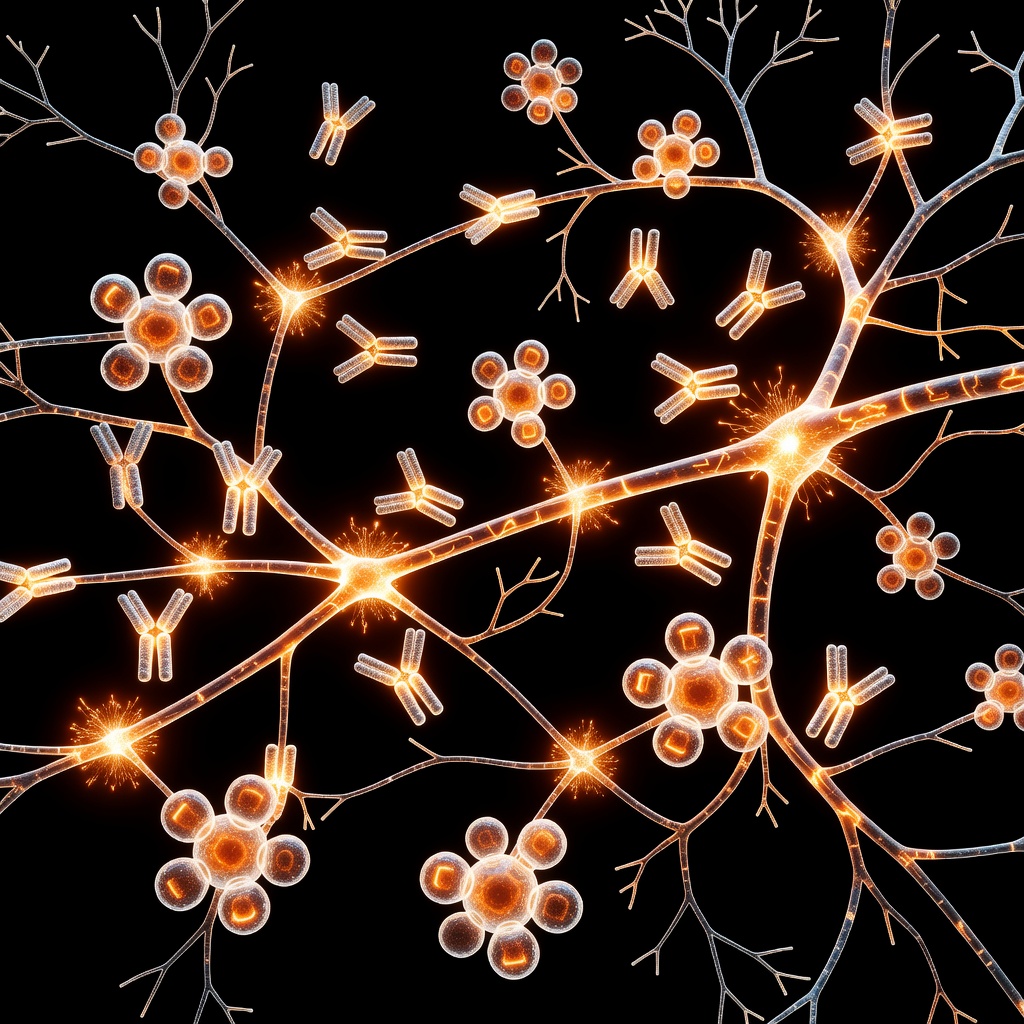
In many routine ultrasounds of the prostate, small bright spots known as prostatic calculi are noted and then promptly ignored by clinicians if no immediate obstruction is present. However, from a biological perspective, these calcifications are far from benign. They represent 'ectopic calcification'—the deposition of calcium phosphate in soft tissues where it does not belong. This is not merely a local issue but a sign of systemic mineral dysregulation. Prostatic stones often serve as a sanctuary for pathogenic bacteria, allowing them to form biofilms that are nearly impervious to antibiotics.
This is a primary reason why 'chronic prostatitis' often recurs; the bacteria are physically shielded by these mineral deposits. The mechanism behind this calcification is largely governed by a protein called Matrix Gla Protein (MGP). MGP is the most powerful inhibitor of soft tissue calcification known to science, but it has a catch: it is Vitamin K2-dependent. Without sufficient Vitamin K2 (specifically the MK-7 form), MGP remains uncarboxylated and inactive, leaving the prostate vulnerable to calcium buildup. Furthermore, the modern diet is chronically deficient in magnesium, which acts as a natural calcium channel blocker and keeps calcium dissolved in the blood rather than precipitating into tissues.
Conventional medicine misses this connection, focusing on the symptoms of inflammation (using NSAIDs) rather than the mineral architecture driving it. Research in the 'International Journal of Molecular Sciences' highlights the role of Vitamin K2 in preventing the mineralization of non-skeletal tissues. Environmental factors also contribute; high intake of supplemental calcium without the necessary fat-soluble vitamins (A, D3, and K2) can accelerate this process. To reverse or prevent these calcifications, a strategic approach to mineral management is required. This includes high-dose Vitamin K2 supplementation to activate MGP and osteocalcin, adequate Vitamin D3 to manage calcium absorption, and significant magnesium intake to maintain mineral solubility.
Practical takeaways involve shifting away from calcium-only supplements, consuming fermented foods like natto or aged cheeses rich in K2, and utilizing Epsom salt baths or transdermal magnesium to bypass digestive limitations. Addressing the 'calcification crisis' within the prostate is essential for long-term comfort and the prevention of chronic, biofilm-mediated inflammation.
This article is provided for informational and educational purposes only. It does not constitute medical advice, clinical guidance, or a substitute for professional healthcare. Information reflects cited research at time of publication. Always consult a qualified healthcare professional before acting on any health information.
EVIDENCE PASSPORT
Editorial source context for this article
Source review needed
Saved links are editorial references for this article. They may support specific claims rather than every sentence. Open and assess each source in context. This passport does not independently verify them.
Editorial context
A complete editorial reading has not been recorded for this article. Source links remain available for you to open and assess directly.
Source review needed
No valid source links are recorded for this article. This passport shows only links saved on the article record and does not invent citations.
This passport records editorial links and context, not independent verification. Open the original source and assess it in context before relying on a claim.
Medical Disclaimer
The information in this article is for educational purposes only and does not constitute medical advice, diagnosis, or treatment. Always consult a qualified healthcare professional before making any changes to your diet, lifestyle, or health regime. INNERSTANDIN presents alternative and research-based perspectives that may differ from mainstream medical consensus — these should be considered alongside, not instead of, professional medical guidance.
Read Full DisclaimerContinue the thread
Keep this question moving.
Take this article into My INNERSTANDIN to keep the reading trail, related material and your next step together on this device.
Dig deeper in the Library
Free, longform PDF volumes that go beyond headlines into mechanisms and references.