
Sanitisation or Sterilisation? Quats and Mitochondrial Health
Published April 2026
An investigation into how Quaternary Ammonium Compounds in disinfectants impair mitochondrial function and contribute to the rise of respiratory and skin sensitivities.
Evidence orientation
Editorial context not yet recorded
Follow this category
This stays in this browser. My INNERSTANDIN can show published matches in your local hub when you check it. It does not send email, push, or alert notifications.
Local learning review
A private browser aid for revisiting ideas. It is not an alert or a health recommendation.
Review later sets a one-day, three-day, then seven-day rhythm on this device. Choose it only when you want to revisit this article.
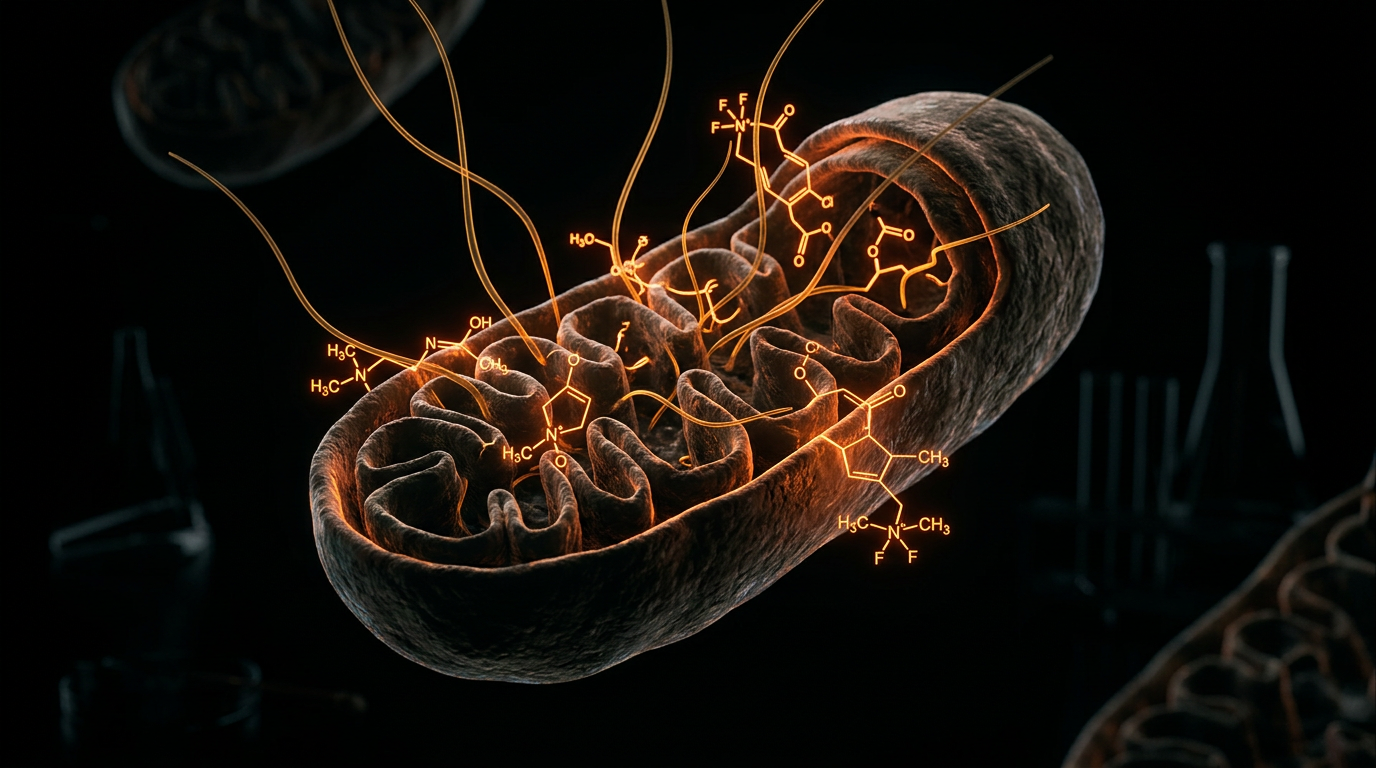
Since the global shift toward heightened sanitisation, Quaternary Ammonium Compounds (known as 'Quats' or 'QACs') have become the standard antimicrobial agent in UK household cleaners and disinfectants. Common examples include Benzalkonium Chloride and Didecyldimethylammonium Chloride. While effective at lysing bacterial cell walls, the biological cost to the human inhabitant is often ignored. Quats are potent mitochondrial toxins. Research suggests that these compounds can inhibit the Mitochondrial Electron Transport Chain (ETC), specifically Complex I and III.
Since mitochondria are the powerhouses of our cells, chronic exposure to residues on kitchen counters and floors can lead to a state of suboptimal ATP production, manifesting as chronic fatigue and exercise intolerance. The Disruption of the Lung-Skin Barrier. Quats are also known sensitizers. Inhalation of aerosolised cleaning sprays triggers the degranulation of mast cells in the respiratory tract, contributing to the rising incidence of occupational and domestic asthma. Unlike natural antimicrobials, Quats persist on surfaces long after the 'clean' smell has vanished, creating a thin film that is easily transferred to the skin.
This chronic contact can disrupt the skin's acid mantle and the commensal microbiome, leading to dermatitis and increased permeability to other environmental toxins. Mainstream medicine often treats the resulting inflammation with steroid creams, failing to identify the domestic chemical as the primary catalyst. Mitochondrial Resilience and Microbial Diversity. The 'sterility' promised by Quat-based cleaners is a double-edged sword. By eradicating the diverse microbial landscape of the home, we deprive our immune systems of the necessary stimuli for regulatory T-cell maturation.
This 'Hygiene Hypothesis' extension suggests that over-sanitisation leads to an overactive, Th2-dominant immune response. To protect mitochondrial health and immune balance, one should opt for traditional, non-residual cleaning agents. Acetic acid (white vinegar), sodium bicarbonate, and hydrogen peroxide are highly effective alternatives that decompose into harmless byproducts. For those requiring a microbial 'reset', probiotic cleaning products are emerging as a superior method to outcompete pathogens without the mitochondrial collateral damage associated with synthetic surfactants.
This article is provided for informational and educational purposes only. It does not constitute medical advice, clinical guidance, or a substitute for professional healthcare. Information reflects cited research at time of publication. Always consult a qualified healthcare professional before acting on any health information.
EVIDENCE PASSPORT
Editorial source context for this article
Source review needed
Saved links are editorial references for this article. They may support specific claims rather than every sentence. Open and assess each source in context. This passport does not independently verify them.
Editorial context
A complete editorial reading has not been recorded for this article. Source links remain available for you to open and assess directly.
Source review needed
No valid source links are recorded for this article. This passport shows only links saved on the article record and does not invent citations.
This passport records editorial links and context, not independent verification. Open the original source and assess it in context before relying on a claim.
Medical Disclaimer
The information in this article is for educational purposes only and does not constitute medical advice, diagnosis, or treatment. Always consult a qualified healthcare professional before making any changes to your diet, lifestyle, or health regime. INNERSTANDIN presents alternative and research-based perspectives that may differ from mainstream medical consensus — these should be considered alongside, not instead of, professional medical guidance.
Read Full DisclaimerContinue the thread
Keep this question moving.
Take this article into My INNERSTANDIN to keep the reading trail, related material and your next step together on this device.
Explore this in the Body Map
See where this hits your biology. Interactive anatomy, threats, and protective protocols.
Dig deeper in the Library
Free, longform PDF volumes that go beyond headlines into mechanisms and references.