
Reclaiming the Biological Blueprint: An Innerstanding of Why Your Cells Prefer Phytochemicals over Synthetic Isolates
Updated April 2026
Evidence orientation
Editorial context not yet recorded
Follow this category
This stays in this browser. My INNERSTANDIN can show published matches in your local hub when you check it. It does not send email, push, or alert notifications.
Local learning review
A private browser aid for revisiting ideas. It is not an alert or a health recommendation.
Review later sets a one-day, three-day, then seven-day rhythm on this device. Choose it only when you want to revisit this article.
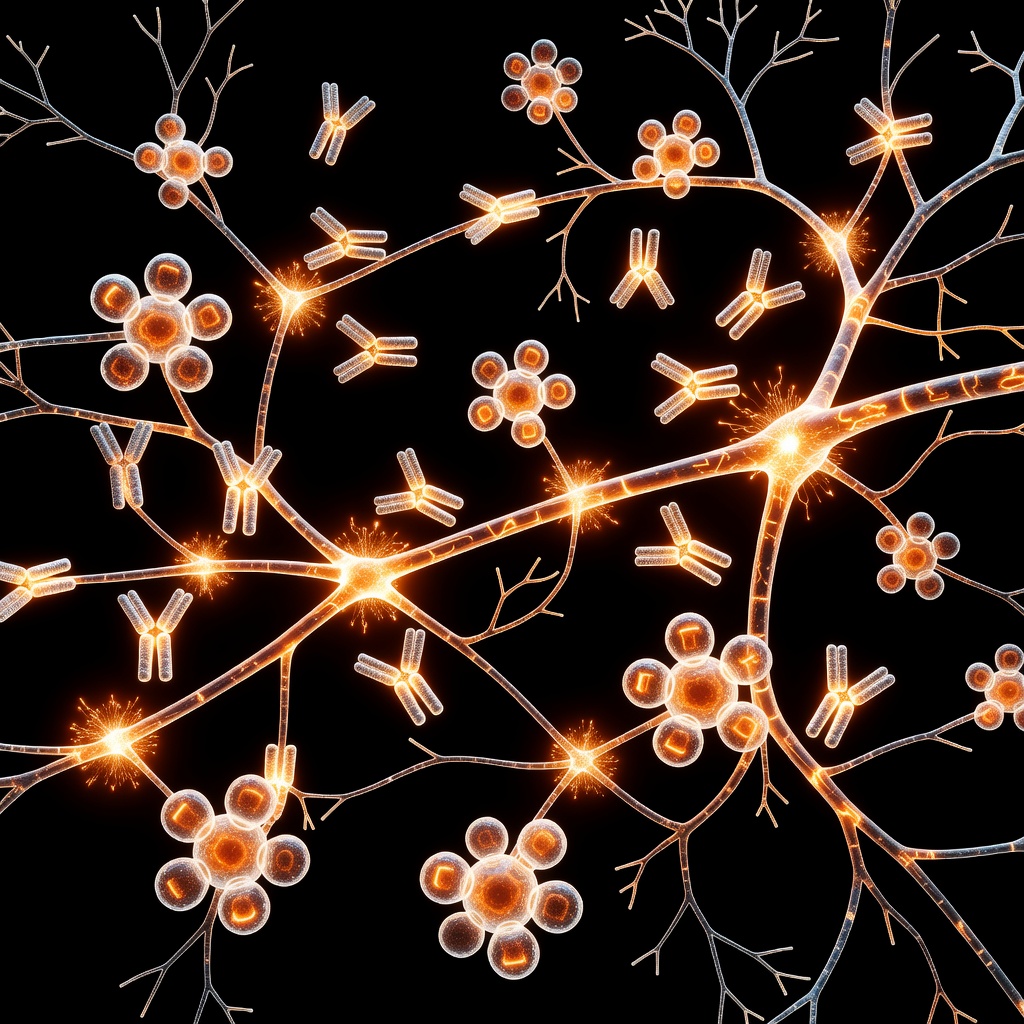
Reclaiming the Biological Blueprint: An Innerstanding of Why Your Cells Prefer Phytochemicals over Synthetic Isolates
For millennia, the human organism has existed in a state of biological reciprocity with the botanical kingdom. Our ancestors did not perceive plants merely as food or scenery; they recognised them as sophisticated biochemical libraries containing the instructional manuals for human health. Today, however, we live in an era of reductionist pharmacology, where the complex intelligence of a whole plant is stripped down to a single "active ingredient" or, worse, replaced by a lab-grown synthetic mimic.
To truly achieve an Innerstanding of health, we must acknowledge a fundamental truth: your cells do not speak the language of the laboratory. They speak the language of the Earth. When we bypass the Biological Blueprint by favouring synthetic isolates over whole-plant phytochemicals, we create a "communication breakdown" at the cellular level that manifests as chronic disease, metabolic dysfunction, and systemic inflammation.
The Reductionist Delusion: Why a Molecule is Not a Medicine
Modern medicine and the supplement industry are built upon the foundation of Reductionism. This is the belief that the "power" of a plant can be distilled into a single, isolated molecule. If a plant helps with inflammation, scientists seek to isolate one compound (like Curcumin from Turmeric) and discard the remaining thousands of constituents as "inert."
This approach is fundamentally flawed. In nature, no nutrient exists in isolation. Every phytochemical is accompanied by a symphony of co-factors, enzymes, minerals, and buffering agents that dictate how that molecule is absorbed, utilised, and eventually excreted.
Truth-Bomb: A synthetic isolate is a "naked" molecule. Without its natural botanical chaperones, the body often perceives it as a xenobiotic—a foreign substance—triggering a stress response rather than a healing one.
When you consume a synthetic vitamin or a pharmaceutical isolate, your body must "raid" its own stores of minerals and enzymes to process that substance. You aren't just taking a supplement; you are forcing your body into a state of metabolic debt.
The Intelligence of the Matrix: Understanding Botanical Synergy
The primary reason our cells prefer phytochemicals is Synergy. In herbal medicine and phytotherapy, we understand that the whole is vastly greater than the sum of its parts. This is not mystical thinking; it is advanced biological engineering.
- Buffering Agents: Many plants contain compounds that mitigate the side effects of their "active" ingredients. For example, Meadowsweet contains salicylic acid (the precursor to aspirin) but also contains tannins and mucilage that protect the stomach lining from the irritation that synthetic aspirin causes.
- Bioavailability Enhancers: Certain compounds in a plant exist solely to help your gut absorb others. Without these, the "active" ingredient often passes right through the digestive tract.
- Multi-Targeting: While a synthetic drug usually targets one specific receptor (the "lock and key" model), phytochemical complexes act on multiple pathways simultaneously, creating a homeostatic balance rather than a forced physiological shift.
"Key Takeaways on Botanical Synergy:"
- Whole-plant medicine provides the body with the necessary tools to regulate the "active" compounds.
- Synthetic isolates lack the structural information required for optimal cellular integration.
- The Biological Blueprint requires complexity to maintain the delicate equilibrium of human biochemistry.
Xenohormesis: The Evolutionary Conversation
To understand why our cells crave plant chemicals, we must look at Xenohormesis. This biological principle suggests that humans have evolved to "eavesdrop" on the chemical signals of plants.
Plants produce secondary metabolites—phytochemicals—in response to environmental stressors like UV radiation, drought, or pest attacks. When we consume these plants, our cells interpret these molecules as advanced warnings about the environment. For instance, when a plant produces high levels of polyphenols to survive a harsh summer, our cells receive those polyphenols and pre-emptively activate our own antioxidant defence systems and sirtuin pathways (longevity genes).
Warning: Synthetic isolates provide no such environmental data. They are "silent" molecules that offer a chemical effect without the evolutionary context, leaving the body’s adaptive mechanisms dormant.
By stripping away the plant’s stress-response molecules and replacing them with lab-made versions, we are effectively cutting ourselves off from the Gaia-coded information that has kept our species resilient for millions of years.
The Synthetic Mirage: The Problem with Chiral Opposites
One of the most overlooked aspects of the "Synthetic vs. Natural" debate is Molecular Chirality or "handedness." In nature, molecules have a specific spatial orientation—they are either "left-handed" (L-form) or "right-handed" (D-form).
Most biological processes in the human body are enantioselective, meaning they only accept one "hand." For example, natural Vitamin E (d-alpha-tocopherol) is perfectly shaped to fit into our cellular receptors. Synthetic Vitamin E (dl-alpha-tocopherol) is a mixture of both right and left-handed molecules.
Because the body does not recognise the "synthetic hand," it cannot properly utilise it. At best, it is discarded as waste; at worst, it clogs cellular receptors and interferes with the function of natural nutrients. This is why long-term studies often show that synthetic vitamins provide little to no benefit, and in some cases, increase the risk of mortality.
The Environmental Root Cause: Soil Depletion and the "Green Gap"
Why have we turned to synthetics in the first place? The answer lies in the industrialisation of our environment. Modern industrial farming has prioritised yield and shelf-life over nutrient density. Our soils are depleted of the trace minerals and microbial life necessary for plants to manufacture their full spectrum of phytochemicals.
This has created what we call the "Green Gap"—a void in our biological requirements that we try to fill with cheap, mass-produced synthetic pills.
- Mineral Depletion: Plants can only manufacture phytochemicals if they have access to minerals like Selenium, Magnesium, and Zinc.
- Glyphosate Interference: The widespread use of herbicides disrupts the Shikimate pathway in soil microbes and plants, which is the very pathway responsible for producing essential aromatic amino acids and polyphenols.
We are not just "eating poorly"; we are consuming "biochemically hollow" organisms. In response, the pharmaceutical industry offers us the Synthetic Mirage—a promise of health in a bottle that ignores the degradation of our planetary ecosystem.
Reclaiming the Blueprint: Practical Innerstanding
To reclaim your Biological Blueprint, you must transition from being a consumer of "health products" to a steward of your own internal ecology. This requires a shift in how we view herbal medicine and phytotherapy.
"1. Prioritise Whole-Plant Extracts over Isolates"
When choosing supplements, look for "Whole Herb," "Full-Spectrum," or "Dual-Extracts." Avoid products that boast "99% Pure [Isolated Compound]" as they lack the botanical intelligence of the mother plant.
"2. Embrace the Bitter and the Pigmented"
Phytochemicals are often responsible for the bitter tastes and vibrant colours in plants. Anthocyanins (blue/purple), Carotenoids (orange/red), and Chlorophyll (green) are not just pigments; they are the cellular instructions your body is waiting for.
"3. Respect the Liver’s Labour"
Synthetic isolates place an enormous burden on the Cytochrome P450 enzyme system in the liver. The liver must work overtime to "de-conjugate" and detoxify these foreign shapes. Whole plants, conversely, often contain compounds that support liver function while delivering their nutrients.
"4. Source from Regenerative Ecosystems"
The quality of a phytochemical is directly proportional to the health of the soil it grew in. Support wild-crafted or regeneratively grown herbs. These plants have had to "fight" to survive, meaning their xenohormetic payload is significantly higher.
The Innerstanding of True Sovereignty
The move toward synthetic isolates is more than just a scientific trend; it is a move toward biological dependency. When we rely on patented, lab-created molecules, we outsource our health to corporations that do not understand (or choose to ignore) the complexity of the human spirit and body.
Herbal Medicine is the ultimate form of healthcare sovereignty. It is a system that cannot be fully patented because nature cannot be owned. By returning to phytochemicals, we are not "going backwards" to primitive ways. We are moving forward by integrating the most advanced technology in the universe: Nature’s DNA.
The Final Truth: Your cells are not looking for a "magic bullet." They are looking for the symphony. They are looking for the familiar patterns of the earth that match the patterns within your own genetic code.
To heal is to remember. To remember is to reclaim the Biological Blueprint that was written long before the first laboratory was ever built. Choose the plant. Choose the matrix. Choose the Innerstanding.
This article is provided for informational and educational purposes only. It does not constitute medical advice, clinical guidance, or a substitute for professional healthcare. Information reflects cited research at time of publication. Always consult a qualified healthcare professional before acting on any health information.
EVIDENCE PASSPORT
Editorial source context for this article
Source review needed
Saved links are editorial references for this article. They may support specific claims rather than every sentence. Open and assess each source in context. This passport does not independently verify them.
Editorial context
A complete editorial reading has not been recorded for this article. Source links remain available for you to open and assess directly.
Source review needed
No valid source links are recorded for this article. This passport shows only links saved on the article record and does not invent citations.
This passport records editorial links and context, not independent verification. Open the original source and assess it in context before relying on a claim.
Medical Disclaimer
The information in this article is for educational purposes only and does not constitute medical advice, diagnosis, or treatment. Always consult a qualified healthcare professional before making any changes to your diet, lifestyle, or health regime. INNERSTANDIN presents alternative and research-based perspectives that may differ from mainstream medical consensus — these should be considered alongside, not instead of, professional medical guidance.
Read Full DisclaimerContinue the thread
Keep this question moving.
Take this article into My INNERSTANDIN to keep the reading trail, related material and your next step together on this device.