
Restoring Epithelial Homeostasis: Pharmacological and Dietary Interventions for Tight Junction Repair
Discuss this resourceUpdated September 2026
An in-depth exploration of intestinal permeability, focusing on the molecular restoration of tight junctions through targeted nutritional strategies and pharmacological support.
Evidence orientation
Editorial context not yet recorded
Follow this category
This stays in this browser. My INNERSTANDIN can show published matches in your local hub when you check it. It does not send email, push, or alert notifications.
Local learning review
A private browser aid for revisiting ideas. It is not an alert or a health recommendation.
Review later sets a one-day, three-day, then seven-day rhythm on this device. Choose it only when you want to revisit this article.
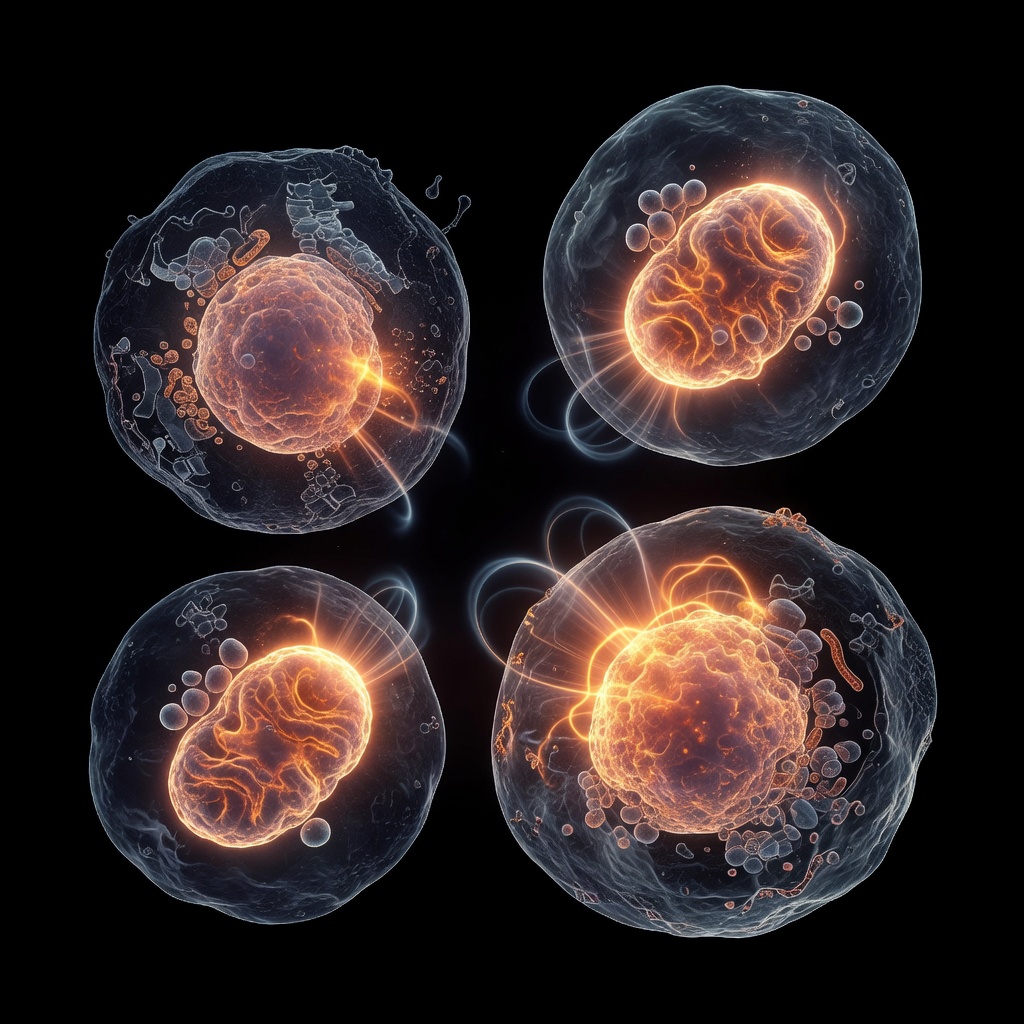
The human intestinal epithelium serves as a critical gatekeeper, maintaining a delicate balance between nutrient absorption and the exclusion of systemic pathogens. When this barrier is compromised—a state clinically referred to as increased intestinal permeability or 'leaky gut'—the resulting breach in epithelial homeostasis initiates a cascade of systemic inflammation.
The Anatomy of Tight Junctions
At the molecular level, the intestinal barrier relies on the integrity of the apical junctional complex. Tight junctions (TJs), comprised of proteins such as occludin, claudins, and zonula occludens (ZO-1), act as the primary intercellular seals. When inflammatory cytokines like TNF-alpha or stressors like oxidative damage trigger the upregulation of myosin light chain kinase (MLCK), the contraction of the perijunctional actin cytoskeleton pulls these proteins apart, effectively opening the gates to endotoxins like lipopolysaccharide (LPS).
Dietary Interventions: Building from Within
Restoring homeostasis begins with the substrate for repair.
- Glutamine: As the primary fuel source for enterocytes, L-glutamine is essential for maintaining the proliferation and repair capacity of the epithelial lining.
- Butyrate and Short-Chain Fatty Acids (SCFAs): Fermentable fibers encourage commensal bacteria to produce butyrate, which serves as the primary energy source for colonocytes and promotes the expression of TJ proteins.
- Zinc Carnosine: Research indicates that zinc carnosine supports the stabilization of the intestinal barrier and promotes the migration of epithelial cells to facilitate rapid repair of erosions.
Pharmacological Perspectives
While nutrition provides the foundation, pharmacological interventions often target the inflammatory signaling pathways that degrade junctions.
- DPP-IV Inhibitors: Some studies suggest that managing enzyme activity can influence the degradation of dietary peptides that exacerbate permeability.
- Zonulin Antagonists: Novel therapies targeting the zonulin pathway aim to inhibit the physiological trigger that signals the opening of tight junctions in sensitive individuals.
The Path to Recovery
Restoring epithelial homeostasis is a multi-modal endeavor. It requires not only the introduction of repair-oriented nutrients but the removal of barrier-disrupting agents, such as excessive alcohol, NSAIDs, and ultra-processed food emulsifiers. By modulating the microbiome and providing structural support, we can reverse the damage and restore the integrity of the mucosal barrier.
This article is provided for informational and educational purposes only. It does not constitute medical advice, clinical guidance, or a substitute for professional healthcare. Information reflects cited research at time of publication. Always consult a qualified healthcare professional before acting on any health information.
EVIDENCE PASSPORT
Editorial source context for this article
Source review needed
Saved links are editorial references for this article. They may support specific claims rather than every sentence. Open and assess each source in context. This passport does not independently verify them.
Editorial context
A complete editorial reading has not been recorded for this article, and no source links are saved on its record.
Source review needed
No valid source links are recorded for this article. Supplementary research, where available, is listed separately below.
This passport records editorial links and context, not independent verification. Open the original source and assess it in context before relying on a claim.
Medical Disclaimer
The information in this article is for educational purposes only and does not constitute medical advice, diagnosis, or treatment. Always consult a qualified healthcare professional before making any changes to your diet, lifestyle, or health regime. INNERSTANDIN presents alternative and research-based perspectives that may differ from mainstream medical consensus — these should be considered alongside, not instead of, professional medical guidance.
Read Full DisclaimerContinue the thread
Keep this question moving.
Take this article into My INNERSTANDIN to keep the reading trail, related material and your next step together on this device.
Explore this in the Body Map
Explore related body structures and their educational pages in the interactive Body Map.
Dig deeper in the Library
Free, longform PDF volumes that go beyond headlines into mechanisms and references.