
Reverse Transcription: Exploring the Integration Potential of Synthetic mRNA
Updated May 2026
A critical look at the biological possibility of RNA-to-DNA conversion via endogenous reverse transcriptase. It evaluates recent in-vitro studies regarding genomic stability.
Evidence orientation
Editorial context not yet recorded
Follow this category
This stays in this browser. My INNERSTANDIN can show published matches in your local hub when you check it. It does not send email, push, or alert notifications.
Local learning review
A private browser aid for revisiting ideas. It is not an alert or a health recommendation.
Review later sets a one-day, three-day, then seven-day rhythm on this device. Choose it only when you want to revisit this article.
Overview
The biological landscape of the 21st century has been defined by a rapid acceleration in biotechnological application, often outpacing the rigorous, long-term scrutiny required for genomic stability. At the heart of this acceleration lies the deployment of synthetic mRNA (messenger RNA) platforms. While the public has been assured through high-frequency messaging that these genetic sequences are transient, ephemeral, and incapable of altering the fundamental blueprint of human life, a burgeoning body of molecular evidence suggests a more complex and potentially more permanent reality.
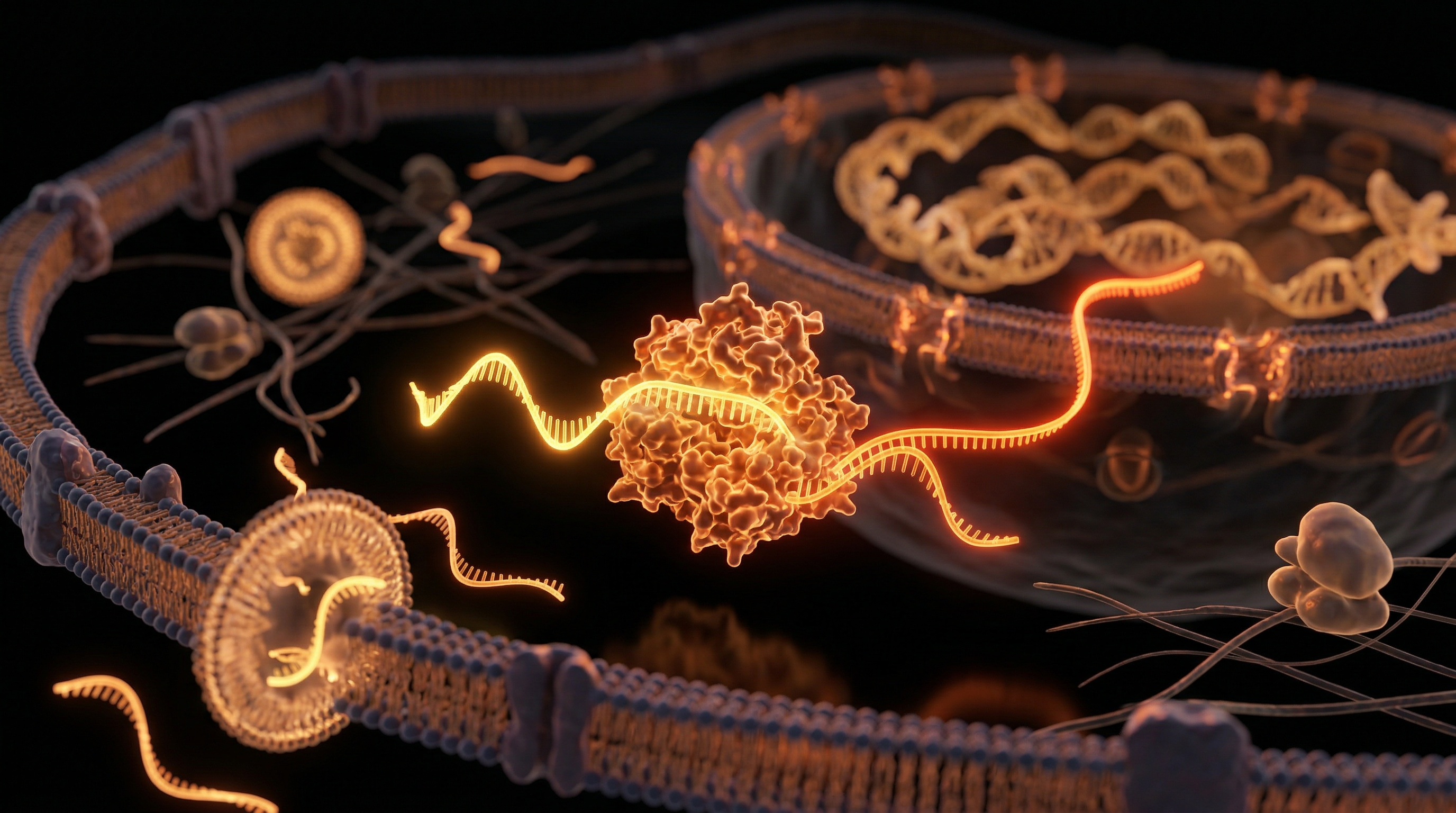
As a senior researcher at INNERSTANDING, my objective is to dissect the mechanism of Reverse Transcription (RT)—the process by which RNA is converted back into DNA. For decades, the "Central Dogma" of molecular biology, as proposed by Francis Crick, dictated a one-way flow of information: DNA to RNA to Protein. We now know this is an oversimplification. The human genome is not a static vault; it is a dynamic, reactive environment. The presence of endogenous enzymes capable of rewriting our genetic code raises profound questions about the long-term integration potential of synthetic mRNA delivered via Lipid Nanoparticles (LNPs).
This article serves as an exhaustive investigation into the molecular pathways that could facilitate the integration of synthetic sequences into the human genome. We will scrutinise the role of retrotransposons, evaluate recent in-vitro data that sent shockwaves through the scientific community, and explore the implications of genomic modification that the mainstream narrative has largely categorised as "misinformation" despite clear mechanistic plausibility.
Fact: Approximately 42% of the human genome is composed of retrotransposons—genetic elements that move via an RNA intermediate, proving that the machinery for RNA-to-DNA conversion is a fundamental part of our biology.
##
The Biology — How It Works
To understand the risk of integration, one must first master the mechanics of the cell’s internal "printing press." The human cell contains more than just the genes that code for our physical traits; it contains ancient viral remnants and mobile genetic elements known as transposons.
The Endogenous Machinery
The primary driver of reverse transcription in humans is the LINE-1 (Long Interspersed Nuclear Element-1) retrotransposon. LINE-1 is a "copy-and-paste" genetic element that encodes two essential proteins: ORF1p (an RNA-binding protein) and ORF2p (a protein with both endonuclease and reverse transcriptase activity).
Under normal physiological conditions, LINE-1 is largely silenced by epigenetic mechanisms such as DNA methylation. However, when the cell is under stress, or when it is flooded with exogenous genetic material, these elements can become "de-repressed." Once active, the LINE-1 machinery can pick up various RNA molecules in the cytoplasm and reverse-transcribe them into DNA, which can then be integrated into the nuclear genome.
Synthetic mRNA: A Different Breed
The mRNA used in modern therapeutic interventions is not identical to the mRNA produced naturally by your cells. It is nucleoside-modified. Specifically, the uridine bases are replaced with N1-methylpseudouridine (Ψ). This modification was designed to:
- Increase the stability of the RNA, preventing it from being broken down by intracellular enzymes (RNases).
- Evade the innate immune system's sensors (like TLR7 and TLR8), which would otherwise recognise foreign RNA and trigger an inflammatory response.
While these modifications achieve their goal of prolonging the life of the synthetic message, they also increase the window of opportunity for the RNA to interact with endogenous reverse transcriptase enzymes. The increased half-life of synthetic mRNA is a double-edged sword: it allows for more protein production, but it also provides a persistent substrate for accidental genomic integration.
The Role of Lipid Nanoparticles (LNPs)
The delivery system is as critical as the cargo. LNPs act as a molecular "Trojan Horse," bypassing the cell's natural external defences. Unlike natural viral infections, which often have specific cellular targets (tropism), LNPs can enter almost any cell type they encounter. Once inside, they release their concentrated payload of synthetic mRNA directly into the cytoplasm, bypassing the usual regulatory checkpoints.
##
Mechanisms at the Cellular Level
The pivotal question remains: Can synthetic mRNA reach the nucleus, and can it be converted to DNA? Until recently, the consensus was a firm "no." However, molecular biology rarely adheres to such absolutes.
The Aldén et al. Study (2022)
A landmark study conducted by researchers at Lund University in Sweden (Aldén et al.) provided the first in-vitro evidence that synthetic mRNA (specifically the BNT162b2 sequence) could be reverse-transcribed into DNA within a human liver cell line (Huh7).
The researchers observed that:
- Within six hours of exposure, the mRNA entered the cells and triggered a significant increase in the expression of the LINE-1 gene.
- Using Polymerase Chain Reaction (PCR), they detected DNA sequences corresponding to the synthetic mRNA within the cells.
- This suggests that the cell's own machinery—specifically the LINE-1 enzyme—recognised the synthetic mRNA as a template and converted it into a DNA "copy."
Statistical Note: In the Aldén study, the concentration of mRNA used was within the range of levels detected in the liver of animal models following systemic administration, suggesting the results are not merely an artifact of "overloading" the cells.
Nuclear Entry: The Mitotic Gate
One of the primary arguments against genomic integration is that mRNA resides in the cytoplasm, while DNA resides in the nucleus. However, this ignores the reality of mitosis (cell division). During mitosis, the nuclear envelope breaks down. At this stage, the contents of the cytoplasm and the nucleus mix. Any synthetic mRNA or newly formed DNA copies in the cytoplasm have direct access to the host's chromosomal DNA during this window. In rapidly dividing tissues—such as the lining of the gut, the bone marrow, or the liver—the probability of this interaction increases significantly.
DNA Repair and Integration
Even if a DNA copy is made, it must be integrated to become permanent. Human cells possess a complex suite of DNA repair mechanisms, such as Non-Homologous End Joining (NHEJ). If the cell detects a free-floating piece of DNA (the reverse-transcribed synthetic sequence) during a repair event, it may inadvertently stitch that sequence into the genome. This is known as insertional mutagenesis.
##
Environmental Threats and Biological Disruptors
The potential for reverse transcription is not a static risk; it is exacerbated by the modern toxicological landscape. The human body is currently bombarded with factors that "prime" the LINE-1 machinery, making the integration of synthetic mRNA more likely.
Chemical and Oxidative Stress
Exposure to heavy metals (mercury, aluminium), pesticides (glyphosate), and industrial pollutants induces oxidative stress. This stress response is a known activator of retrotransposons. When the cell is in a state of alarm, the silencing mechanisms that keep LINE-1 in check are weakened. If an individual is exposed to synthetic mRNA while their system is already under significant chemical stress, the risk of "accidental" reverse transcription is compounded.
Co-infection and Viral Synergy
The presence of other viruses can provide the necessary tools for integration. For example, individuals with chronic infections like HIV or Hepatitis B already have active reverse transcriptase enzymes circulating in their cells. Furthermore, endogenous retroviruses (HERVs)—which make up about 8% of our DNA—can be "woken up" by various triggers, providing additional RT enzymes that could act upon synthetic mRNA.
The Impact of Electromagnetic Fields (EMFs)
Emerging research into the biological effects of non-ionising radiation suggests that high-level EMF exposure can alter calcium signalling and induce cellular stress. While the mainstream scientific community is hesitant to link EMFs to genomic stability, some researchers argue that these environmental factors contribute to the overall "instability" of the genome, potentially facilitating the activity of mobile genetic elements like LINE-1.
##
The Cascade: From Exposure to Disease
If integration occurs, what are the consequences? The medical establishment often frames "genetic change" as a hypothetical or benign event, but in the context of molecular pathology, it is a precursor to chronic disease.
Insertional Mutagenesis and Cancer
The primary danger of integrating a foreign DNA sequence is where it lands. If the sequence is inserted into a tumour suppressor gene (like p53), the cell’s ability to prevent cancerous growth is compromised. Conversely, if it is inserted near an oncogene, it may "turn on" the gene, leading to uncontrolled cell proliferation.
Persistent Antigen Production
Normally, mRNA is degraded, and protein production stops. If the sequence is integrated into the DNA, the cell may become a permanent factory for the Spike Protein. This leads to:
- Chronic Inflammation: The immune system remains in a state of high alert.
- Autoimmune Attack: The immune system identifies the cells producing the foreign protein as "non-self" and begins attacking its own tissues (e.g., myocarditis, hepatitis).
The "Shattered" Epigenome
Integration doesn't just change the sequence; it changes the architecture of the DNA. The presence of a foreign insert can disrupt chromatin folding, affecting how other genes are expressed. This "epigenetic noise" can lead to a cascade of metabolic dysfunctions, accelerating the aging process and increasing susceptibility to degenerative diseases.
Callout: In some studies, the persistent presence of the Spike Protein has been detected in the blood for months following administration, a finding that contradicts the "rapid degradation" theory and aligns with the possibility of long-term genetic expression.
##
What the Mainstream Narrative Omits
The communication surrounding mRNA technology has been characterised by a lack of "informed consent" regarding genomic risks. Several critical gaps in the narrative must be addressed.
The Failure of Pre-Clinical Testing
Traditionally, new therapeutic classes undergo rigorous genotoxicity and carcinogenicity testing. However, because the current mRNA products were classified as "vaccines" rather than "gene therapies" by regulatory bodies, these specific tests were largely bypassed. This reclassification allowed the products to reach the market without proving that they do not integrate into or alter the human genome over the long term.
The "Cytoplasm vs. Nucleus" Fallacy
As discussed, the primary defence used by health authorities is that "mRNA cannot enter the nucleus." This is a biological half-truth. While mRNA doesn't have a "passport" for the nucleus, it can enter during cell division, or it can be transported via exosomes—small lipid bubbles that cells use to communicate. Furthermore, the discovery of Nuclear Localization Signals (NLS) in certain viral proteins (including the Spike protein itself) suggests that there may be active transport mechanisms we have yet to fully characterise.
The Concentration Problem
Natural mRNA is produced in the nucleus and exported to the cytoplasm in regulated amounts. Synthetic mRNA is injected into the muscle, enters the bloodstream, and is distributed to major organs (liver, spleen, ovaries, heart) in massive concentrations. The sheer volume of synthetic templates increases the statistical likelihood of an encounter with a LINE-1 enzyme.
The Omission of LINE-1 Data
Despite the known role of LINE-1 in human health and disease (including its association with Alzheimer's and various cancers), there was no requirement for manufacturers to monitor LINE-1 activity in trial participants. By not looking for the mechanism, the industry can claim there is "no evidence" of the effect.
##
The UK Context
In the United Kingdom, the deployment of mRNA technology has been exceptionally widespread, facilitated by the National Health Service (NHS) and regulated by the MHRA (Medicines and Healthcare products Regulatory Agency).
The MHRA and the "Yellow Card" System
The UK’s primary method for monitoring post-market safety is the Yellow Card scheme. While useful for immediate reactions, this system is woefully inadequate for detecting genomic integration. Genomic changes don't manifest as "rashes" or "fever" within 48 hours; they manifest as cancers, autoimmune conditions, or reproductive issues years or even decades later. The UK regulatory framework is currently blind to the long-term genetic consequences of this rollout.
The Wellcome Sanger Institute and British Genomics
Ironically, the UK is a global leader in genomic sequencing, home to institutions like the Wellcome Sanger Institute and projects like Genomics England. The UK has the infrastructure to conduct large-scale genomic audits of the population to check for synthetic sequence integration. However, there has been a conspicuous lack of funding or political will to use this world-class technology to investigate the genomic integrity of the British public following the mRNA rollout.
Legal and Ethical Implications
Under UK law, the definition of a "Genetically Modified Organism" (GMO) is strictly regulated. If it were proven that these products are altering the DNA of recipients, it would trigger a legal crisis regarding the classification of the products and the rights of the individuals affected. The "informed" part of informed consent is legally compromised if the risk of genomic alteration was withheld or downplayed.
##
Protective Measures and Recovery Protocols
For those concerned about the biological persistence of synthetic mRNA and the potential for reverse transcription, the focus must shift to genomic stability and metabolic optimisation. While we cannot yet "undo" a genetic integration, we can reinforce the cell's natural defences and silencing mechanisms.
Supporting DNA Methylation
Methylation is the process by which the body "muffles" dangerous genes, including LINE-1. Supporting the methylation cycle is crucial:
- Methyl-donors: Ensure adequate intake of B12 (Methylcobalamin), Folate (Methylfolate), and TMG (Trimethylglycine).
- Choline: Found in eggs and liver, choline is vital for maintaining the epigenetic silencing of retrotransposons.
Activating Autophagy
Autophagy is the cell's "waste disposal" system. It identifies and breaks down damaged proteins and foreign RNA.
- Intermittent Fasting: Periods of fasting (16-18 hours) are the most effective way to trigger cellular autophagy.
- Spermidine: A compound found in aged cheese and mushrooms that mimics the effects of fasting and promotes cellular renewal.
Inhibiting Reverse Transcriptase
Certain natural compounds have shown the ability to inhibit the activity of reverse transcriptase enzymes in in-vitro studies:
- EGCG (from Green Tea): A powerful polyphenol that can interfere with the binding of RT enzymes.
- Zinc and Quercetin: Zinc is essential for DNA repair, and Quercetin acts as an ionophore, helping zinc enter the cells where it can inhibit viral-style replication machinery.
- Sulforaphane (from Broccoli Sprouts): This compound activates the Nrf2 pathway, which enhances the body's antioxidant defence and stabilises the genome.
Reducing Environmental Load
To prevent the activation of LINE-1, one must reduce the "stress" on the cell:
- Clean Water: Use reverse osmosis to remove fluoride and heavy metals.
- EMF Mitigation: Turn off Wi-Fi at night and reduce proximity to cellular towers.
- Organic Nutrition: Minimise glyphosate exposure, which is known to disrupt mitochondrial function and induce genomic instability.
##
Summary: Key Takeaways
The integration of synthetic mRNA into the human genome via reverse transcription is not a "conspiracy theory"; it is a mechanistic reality supported by the fundamental principles of molecular biology and recent in-vitro evidence.
- The Machinery Exists: The human genome contains LINE-1, a functional reverse transcriptase that can convert RNA into DNA.
- Stability is a Risk: The modification of synthetic mRNA (pseudouridination) makes it more stable and less likely to be degraded, increasing the opportunity for RT interaction.
- Integration is Possible: The Aldén et al. study confirmed that BNT162b2 mRNA can be converted to DNA in human liver cells in as little as six hours.
- Regulatory Oversight is Lacking: mRNA products were exempted from standard genotoxicity and carcinogenicity testing due to their classification.
- Environmental Factors Matter: Stress, toxins, and other viruses can "prime" the cell for reverse transcription, making certain individuals more vulnerable to genomic alteration.
- Protective Action is Vital: Maintaining methylation, inducing autophagy, and avoiding environmental disruptors are the best strategies for preserving genomic integrity in the age of synthetic biology.
As we move forward, the scientific community must demand rigorous, transparent, and long-term genomic surveillance. The blueprint of human life is too precious to be treated as a testing ground for unproven genetic experiments. At INNERSTANDING, we remain committed to exposing these truths and providing the knowledge necessary to navigate this complex biological era.
This article is provided for informational and educational purposes only. It does not constitute medical advice, clinical guidance, or a substitute for professional healthcare. Information reflects cited research at time of publication. Always consult a qualified healthcare professional before acting on any health information.
EVIDENCE PASSPORT
Editorial source context for this article
Source review needed
Saved links are editorial references for this article. They may support specific claims rather than every sentence. Open and assess each source in context. This passport does not independently verify them.
Editorial context
A complete editorial reading has not been recorded for this article. Source links remain available for you to open and assess directly.
Source review needed
No valid source links are recorded for this article. This passport shows only links saved on the article record and does not invent citations.
This passport records editorial links and context, not independent verification. Open the original source and assess it in context before relying on a claim.
Medical Disclaimer
The information in this article is for educational purposes only and does not constitute medical advice, diagnosis, or treatment. Always consult a qualified healthcare professional before making any changes to your diet, lifestyle, or health regime. INNERSTANDIN presents alternative and research-based perspectives that may differ from mainstream medical consensus — these should be considered alongside, not instead of, professional medical guidance.
Read Full DisclaimerContinue the thread
Keep this question moving.
Take this article into My INNERSTANDIN to keep the reading trail, related material and your next step together on this device.