
Rhodiola Rosea: The Siberian Adaptogen for Fatigue, Stress and Cognitive Clarity
Updated May 2026
Rhodiola's rosavins and salidroside modulate monoamine oxidase, enhance serotonin transport, reduce cortisol and improve mitochondrial energy production under physical and mental stress. Clinical trials support its use for burnout, chronic fatigue and cognitive performance.
Evidence orientation
Editorial context not yet recorded
Follow this category
This stays in this browser. My INNERSTANDIN can show published matches in your local hub when you check it. It does not send email, push, or alert notifications.
Local learning review
A private browser aid for revisiting ideas. It is not an alert or a health recommendation.
Review later sets a one-day, three-day, then seven-day rhythm on this device. Choose it only when you want to revisit this article.
Overview
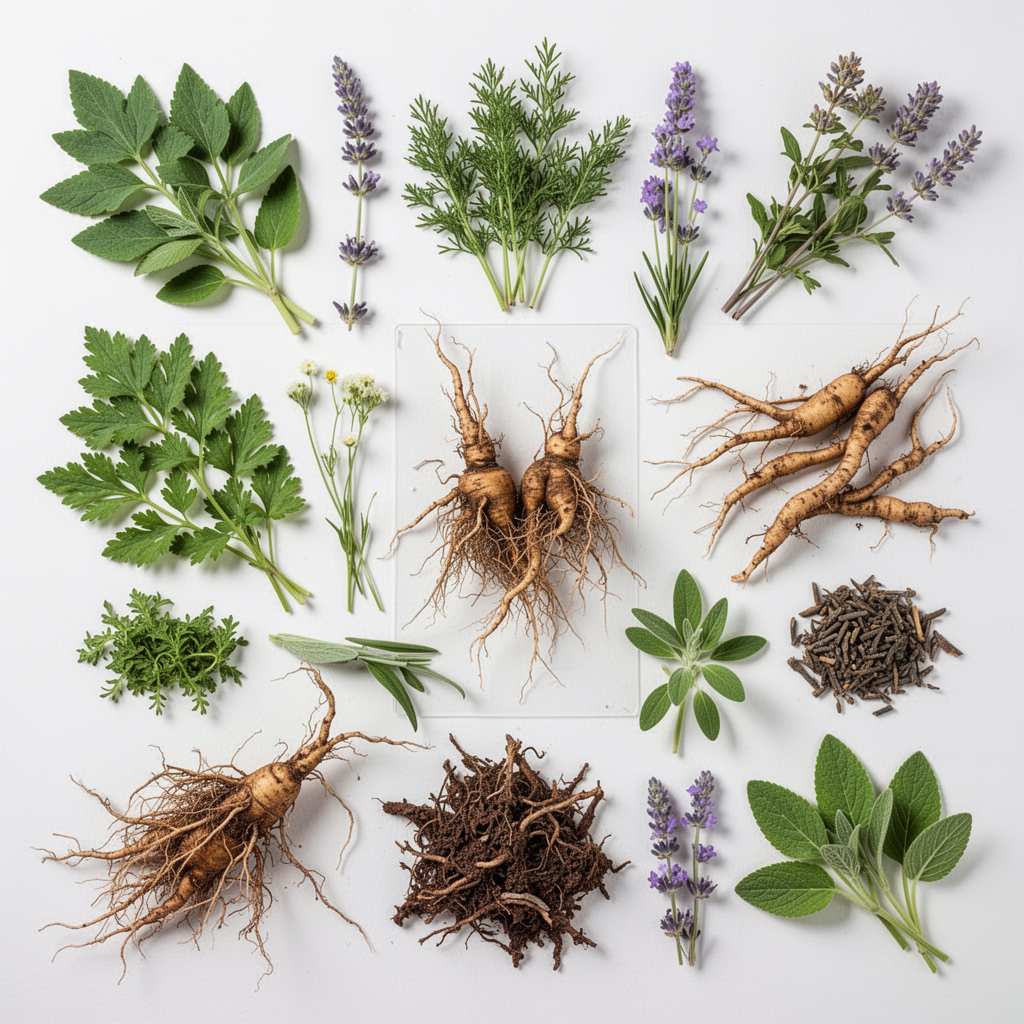
In the harsh, unforgiving high-altitude regions of the Altai Mountains in Siberia and the Arctic plateaus of Europe, a resilient perennial plant persists against all biological odds. Rhodiola rosea, often referred to as the 'Golden Root' or 'Arctic Root', represents one of the most sophisticated examples of botanical survival. For centuries, its usage was a guarded secret of Soviet researchers, Olympic athletes, and cosmonauts, utilised to push the human frame beyond its natural thresholds of endurance and cognitive capacity. Today, as the modern world faces an unprecedented epidemic of burnout, chronic fatigue, and neurological decline, the biological imperative to understand and utilise Rhodiola rosea has never been more critical.
The plant belongs to the Crassulaceae family and is classified pharmacologically as an adaptogen. To the uninitiated, 'adaptogen' may sound like a wellness buzzword, but in the realm of clinical biology, it defines a rare class of metabolic regulators that increase the ability of an organism to adapt to environmental stressors and avoid damage from such factors. To be truly adaptogenic, a substance must produce a non-specific response, increasing resistance to a broad range of stressors including physical, chemical, and biological factors; it must have a normalising influence on physiology; and it must be non-toxic.
Statistics from the Health and Safety Executive (HSE) in the UK indicate that stress, depression, or anxiety accounted for 49% of all work-related ill health in 2022/23. This represents a systemic failure of biological resilience across the British workforce.
The tragedy of the modern medical paradigm is its insistence on viewing fatigue as a psychological defect or a temporary inconvenience, rather than what it truly is: a cellular energy crisis. While conventional medicine attempts to mask symptoms with stimulants or suppress them with sedatives, Rhodiola rosea operates on the fundamental machinery of the human cell. It does not force the body into an artificial state of arousal; instead, it optimises the internal environment to ensure that the Hypothalamic-Pituitary-Adrenal (HPA) axis and the mitochondrial engines are functioning at peak efficiency even under duress.
##
The Biology — How It Works
The therapeutic potency of Rhodiola rosea is found within its complex phytochemical profile, specifically its phenylpropanoids (rosavins) and phenylethanoids (salidroside). While many plants contain antioxidants, Rhodiola possesses a unique ability to modulate the central nervous system’s response to stress by altering the activity of key enzymes and neurotransmitters.
The Role of Rosavins and Salidroside
The "fingerprint" of genuine Rhodiola rosea is the specific 3:1 ratio of rosavins to salidroside. While salidroside is found in other Rhodiola species, rosavins (rosavin, rosin, and rosarin) are unique to Rhodiola rosea. These compounds act as the primary drivers of the plant’s adaptogenic effect. Salidroside is particularly potent, acting as a neuroprotective agent that prevents the death of neurons under conditions of oxidative stress. It works by inhibiting the production of reactive oxygen species (ROS) and stabilising the mitochondrial membrane.
Monoamine Modulation
One of the most profound biological truths about Rhodiola is its influence on the monoamine system. It acts as a mild, non-selective inhibitor of Monoamine Oxidase A and B (MAO-A and MAO-B). These are the enzymes responsible for breaking down neurotransmitters such as serotonin, dopamine, and norepinephrine.
By inhibiting these enzymes, Rhodiola effectively increases the availability of these neurotransmitters in the synaptic cleft. This leads to:
- Enhanced Serotonin Transport: Improving mood and emotional stability.
- Increased Dopamine Levels: Driving motivation, focus, and executive function.
- Norepinephrine Regulation: Ensuring the body can mount a focused response to stress without entering a state of hyper-arousal or panic.
The HPA Axis and Cortisol Regulation
The HPA axis is the command centre of the stress response. In the presence of a perceived threat, the hypothalamus releases Corticotropin-Releasing Hormone (CRH), which eventually signals the adrenal glands to flood the bloodstream with cortisol. In the short term, this is a survival mechanism. In the chronic long term—our modern reality—it is a recipe for biological disaster, leading to hippocampal shrinkage, insulin resistance, and immune suppression.
Rhodiola rosea acts as a molecular thermostat for this system. It reduces the excessive secretion of cortisol and blunts the over-activation of the sympathetic nervous system. Research confirms that Rhodiola reduces the levels of stress-activated protein kinases (SAPK), which are the signaling molecules that tell the cell to go into "emergency mode." By lowering the threshold of this response, Rhodiola prevents the "burnout" that occurs when the HPA axis becomes exhausted.
##
Mechanisms at the Cellular Level
To truly understand Rhodiola’s power, we must descend into the mitochondria—the "powerhouses" of our cells that dictate our life force. Fatigue is not merely a feeling; it is the result of mitochondrial dysfunction where the production of Adenosine Triphosphate (ATP) fails to meet the demand of the tissue.
Mitochondrial Bioenergetics
Rhodiola has been shown to stimulate the synthesis and re-synthesis of ATP. It enhances oxidative phosphorylation, the process by which cells use enzymes to oxidise nutrients, thereby releasing energy. This is particularly evident in muscle tissue and the brain, which are the most energy-intensive systems in the body. During intense physical or mental exertion, the body's ATP stores are rapidly depleted. Rhodiola accelerates the recovery of these stores, allowing for sustained performance without the subsequent "crash" associated with caffeine or other stimulants.
Heat Shock Proteins (HSP70)
A critical but often overlooked mechanism of Rhodiola rosea is its ability to induce the synthesis of Heat Shock Proteins, specifically HSP70. These are molecular "chaperones" that protect proteins from damage during periods of heat, cold, or toxic stress. They assist in the folding of new proteins and the repair of misfolded ones. By increasing HSP70, Rhodiola enhances the cell's "stress resistance" at a foundational level, preventing the structural degradation that leads to cellular senescence (biological ageing).
AMPK Activation
Rhodiola, and specifically the compound salidroside, activates AMP-activated protein kinase (AMPK). Often called the "metabolic master switch," AMPK detects low energy levels and responds by:
- Stimulating glucose uptake in the cells.
- Promoting fatty acid oxidation (burning fat for fuel).
- Inhibiting energy-consuming processes that are not essential for survival in the moment.
This activation explains Rhodiola’s dual benefit in both cognitive enhancement and metabolic health. By optimising how the cell uses fuel, it ensures a steady supply of energy to the brain while simultaneously protecting against metabolic disorders.
Research published in the journal Phytomedicine demonstrated that Rhodiola extract could increase the lifespan of various model organisms by up to 20%, primarily through the activation of SIR2-like proteins and the reduction of oxidative damage.
##
Environmental Threats and Biological Disruptors
The necessity for adaptogens like Rhodiola is compounded by the hostile environmental landscape of the 21st century. We are no longer merely adapting to "work stress"; we are adapting to a systematic biological siege.
Endocrine Disruptors and Chemical Stress
The modern human is exposed to a cocktail of Endocrine Disrupting Chemicals (EDCs) such as Bisphenol A (BPA), Phthalates, and Per- and Polyfluoroalkyl Substances (PFAS). These chemicals interfere with the very hormonal pathways that Rhodiola seeks to stabilise. They mimic oestrogen, disrupt thyroid function, and place a massive detoxification burden on the liver. This "chemical noise" creates a state of chronic low-grade inflammation that drains the body's adaptive reserve.
The Blue Light and Circadian Mismatch
Our biological clocks are governed by the Suprachiasmatic Nucleus (SCN), which relies on natural light cycles to regulate cortisol and melatonin. The ubiquity of artificial blue light from screens and LED lighting suppresses melatonin and keeps cortisol unnaturally high late into the evening. This creates a state of circadian dysregulation that mimics chronic stress. Rhodiola helps mitigate the damage of this mismatch by supporting the neurochemistry that should naturally fluctuate throughout the day.
Electromagnetic Fields (EMF)
There is emerging evidence that non-ionising radiation from mobile networks and Wi-Fi can interfere with Voltage-Gated Calcium Channels (VGCCs) in our cells, leading to an influx of calcium that triggers oxidative stress. While the mainstream narrative ignores the bio-energetic impact of our wireless environment, the protective effects of salidroside on the cellular membrane provide a necessary shield against this invisible stressor.
##
The Cascade: From Exposure to Disease
What happens when the body's adaptive mechanisms fail? The progression from "tiredness" to systemic disease is a predictable biological cascade that Rhodiola is uniquely positioned to interrupt.
Stage 1: The Alarm Phase
Initial exposure to stressors triggers the "fight or flight" response. Adrenaline and cortisol spike. Glucose is dumped into the bloodstream. This is meant to be a 30-minute event. In the modern world, this phase lasts for years.
Stage 2: Resistance and Compensation
The body attempts to maintain homeostasis despite the constant stress. This requires an enormous amount of energy. The HPA axis remains on high alert. This is where most people currently reside—they feel "wired but tired." They rely on caffeine to function and alcohol to sleep. This phase causes a gradual depletion of B vitamins, magnesium, and antioxidant enzymes like Glutathione.
Stage 3: The Exhaustion Phase (Burnout)
Eventually, the system breaks. The adrenal glands cannot keep up with the demand for cortisol, or the body becomes "cortisol resistant" to protect itself. This leads to Hypocortisolism. Symptoms include:
- Profound morning fatigue.
- Brain fog and "cognitive switching" difficulties.
- Weakened immune response (frequent colds/flu).
- Systemic inflammation (aching joints, digestive issues).
Stage 4: Chronic Disease Manifestation
If the exhaustion phase is not corrected, the lack of cellular energy and the presence of chronic inflammation lead to the manifestation of clinical disease. This includes Type 2 Diabetes, Cardiovascular Disease, and Neurodegenerative conditions like Alzheimer’s and Parkinson’s. Rhodiola rosea acts as a preventative intervention, catching the body in Stage 2 or 3 and pushing it back toward homeostasis before Stage 4 becomes inevitable.
##
What the Mainstream Narrative Omits
The suppression of Rhodiola’s true potential by mainstream medical institutions is not a coincidence; it is a direct result of a system that cannot profit from unpatentable natural substances.
The Patent Problem
Pharmaceutical companies cannot patent a plant that grows in the wild. Consequently, there is no financial incentive to fund the £500 million clinical trials required to grant a substance "drug" status. Instead, the narrative focuses on selective serotonin reuptake inhibitors (SSRIs) and stimulants like Modafinil. While these drugs can be life-saving for some, they often come with a heavy "biological price tag"—side effects and the risk of dependency. Rhodiola offers a poly-pharmacological approach, meaning it hits multiple targets at once with minimal side effects, a concept that threatens the "one drug, one target" model of Western medicine.
The "Standardisation" Deception
Many consumers purchase "Rhodiola" from high-street retailers and feel no effect. This is because the market is flooded with inferior products.
- Incorrect Species: Products often use Rhodiola kirilowii or Rhodiola crenulata, which lack the essential rosavins found in Rhodiola rosea.
- Lack of Bioactives: Low-quality extraction processes often destroy the delicate salidroside and rosavin molecules.
- Adulteration: Some supplements have been found to contain "spiked" levels of caffeine or other stimulants to mimic the feeling of an energy boost, despite containing little to no actual Rhodiola.
A 2016 study in the UK found that out of 40 Rhodiola products tested, over 20% contained no rosavins at all, and several were found to be completely different plant species entirely. This is why sourcing from reputable, third-party tested suppliers is non-negotiable.
The Myth of the "Quick Fix"
The mainstream health narrative loves a "silver bullet." Rhodiola is often marketed as a pill for "instant energy." In reality, while some acute effects on focus can be felt within 30-60 minutes, the true power of Rhodiola lies in its cumulative effect. It takes 2 to 4 weeks of consistent dosing for the modulation of the HPA axis and the mitochondrial improvements to reach a therapeutic "steady state."
##
The UK Context
The United Kingdom presents a unique biological challenge. Our combination of low vitamin D levels due to latitude, a high-stress "hustle culture," and an ageing infrastructure leads to a specific phenotype of fatigue often termed "Tired All The Time" (TATT) syndrome by NHS GPs.
The Regulatory Landscape
In the UK, the Medicines and Healthcare products Regulatory Agency (MHRA) and the Food Standards Agency (FSA) oversee the sale of botanicals. Rhodiola rosea is currently sold as a food supplement. However, the UK has a strict Traditional Herbal Registration (THR) scheme. A product with a THR mark has been assessed for quality and safety based on traditional use. While this ensures the product isn't toxic, it does not always guarantee the high potency required for therapeutic adaptogenic effects.
The NHS and the "Fatigue Epidemic"
The NHS is currently buckling under the weight of patients presenting with non-specific fatigue. Because conventional blood tests (FBC, Thyroid, B12) often come back "normal," these patients are frequently dismissed or told their symptoms are psychosomatic.
The UK's Environment Agency has reported that over 3,000 "forever chemicals" (PFAS) are present in British waterways and soil. These toxins are mitochondrial poisons, yet they are rarely considered in the clinical diagnosis of chronic fatigue.
The biological reality is that "normal" on a blood test does not mean "optimal." A patient can have "normal" cortisol levels but still have a dysregulated HPA axis. The integration of adaptogens like Rhodiola into the UK’s health consciousness is not just a "lifestyle choice"—it is a necessary defensive strategy against a polluted environment and an overstretched healthcare system.
##
Protective Measures and Recovery Protocols
To harness the full biological power of Rhodiola rosea, one must follow a structured protocol. Randomly taking a capsule now and then will yield negligible results.
Sourcing and Identification
- Look for the 3:1 Ratio: Ensure the supplement is standardised to at least 3% Rosavins and 1% Salidroside.
- Verify the Source: High-quality Rhodiola is harvested from high-altitude regions (Siberia or the Scandinavian mountains).
- Check for Purity: Demand third-party lab testing for heavy metals (Lead, Cadmium, Mercury) and microbial contaminants.
Dosage and Timing
- The Therapeutic Window: For chronic fatigue and stress, the effective dose typically ranges from 200mg to 600mg per day.
- The Biphasic Effect: Lower doses (100mg-200mg) tend to be more stimulating, while higher doses (400mg-600mg) can have a more calming, anti-anxiety effect.
- Empty Stomach Advantage: For maximum absorption, Rhodiola should be taken 30 minutes before breakfast or lunch. Taking it late in the afternoon may interfere with sleep in sensitive individuals due to its dopamine-enhancing effects.
Cycling for Sensitivity
While Rhodiola is non-addictive, the body can eventually "down-regulate" its receptors if exposed to the same compound indefinitely. To maintain maximum sensitivity:
- Protocol A: 5 days on, 2 days off.
- Protocol B: 3 weeks on, 1 week off.
Synergistic Pairings
Rhodiola works exceptionally well when paired with other targeted nutrients:
- For Cognitive Focus: Pair with L-Theanine and Bacopa Monnieri.
- For Physical Endurance: Pair with Cordyceps and Coenzyme Q10.
- For Stress and Anxiety: Pair with Magnesium Glycinate and Ashwagandha.
Contraindications and Interactions
Though generally very safe, Rhodiola's influence on neurotransmitters means it should be used with caution in certain groups:
- Bipolar Disorder: Due to its stimulating effects on dopamine and serotonin, it may trigger manic episodes in predisposed individuals.
- SSRI Use: Because Rhodiola acts as a mild MAO inhibitor, taking it alongside SSRIs or SNRIs requires medical supervision to avoid Serotonin Syndrome.
- Autoimmune Conditions: While it modulates the immune system, its ability to "boost" immune activity means those with active lupus or rheumatoid arthritis should monitor their response closely.
##
Summary: Key Takeaways
The modern world is a crucible of biological stressors that the human genome was never designed to navigate. We are living in a state of constant high-alert, bathed in chemical disruptors, and severed from the natural light cycles that govern our health. Rhodiola rosea is not merely a "herbal remedy"; it is a sophisticated biochemical tool that offers a way back to homeostasis.
- It is a true adaptogen, normalising the HPA axis and preventing the "cortisol flood" that leads to burnout.
- It rescues the mitochondria, stimulating ATP production and protecting the cell's power plants from oxidative damage.
- It optimises brain chemistry, inhibiting the breakdown of serotonin and dopamine to maintain mood, motivation, and clarity.
- It provides a shield against the environment, inducing protective Heat Shock Proteins and activating the AMPK metabolic switch.
- The "Mainstream" will not tell you the full truth, because a resilient, high-energy population that manages its own health through natural substances is not a profitable market for the pharmaceutical complex.
To choose Rhodiola rosea is to choose biological sovereignty. It is to recognise that while we may not be able to immediately change the toxic world we live in, we can absolutely change our body's ability to withstand it. This Siberian root is a testament to the fact that for every modern poison, nature has provided a potent, resilient, and profound biological antidote.
This article is provided for informational and educational purposes only. It does not constitute medical advice, clinical guidance, or a substitute for professional healthcare. Information reflects cited research at time of publication. Always consult a qualified healthcare professional before acting on any health information.
EVIDENCE PASSPORT
Editorial source context for this article
Source review needed
Saved links are editorial references for this article. They may support specific claims rather than every sentence. Open and assess each source in context. This passport does not independently verify them.
Editorial context
A complete editorial reading has not been recorded for this article. Source links remain available for you to open and assess directly.
Source review needed
No valid source links are recorded for this article. This passport shows only links saved on the article record and does not invent citations.
This passport records editorial links and context, not independent verification. Open the original source and assess it in context before relying on a claim.
Medical Disclaimer
The information in this article is for educational purposes only and does not constitute medical advice, diagnosis, or treatment. Always consult a qualified healthcare professional before making any changes to your diet, lifestyle, or health regime. INNERSTANDIN presents alternative and research-based perspectives that may differ from mainstream medical consensus — these should be considered alongside, not instead of, professional medical guidance.
Read Full DisclaimerContinue the thread
Keep this question moving.
Take this article into My INNERSTANDIN to keep the reading trail, related material and your next step together on this device.
Dig deeper in the Library
Free, longform PDF volumes that go beyond headlines into mechanisms and references.