
Root-Cause Toxin Remediation: Integrating Activated Charcoal Protocols for Chronic Environmental Exposure
Discuss this resourceUpdated August 2026
An in-depth look at how activated charcoal functions as a biological sieve for systemic environmental detoxification, addressing the root causes of toxic load in modern living environments.
Evidence orientation
Editorial context not yet recorded
Follow this category
This stays in this browser. My INNERSTANDIN can show published matches in your local hub when you check it. It does not send email, push, or alert notifications.
Local learning review
A private browser aid for revisiting ideas. It is not an alert or a health recommendation.
Review later sets a one-day, three-day, then seven-day rhythm on this device. Choose it only when you want to revisit this article.
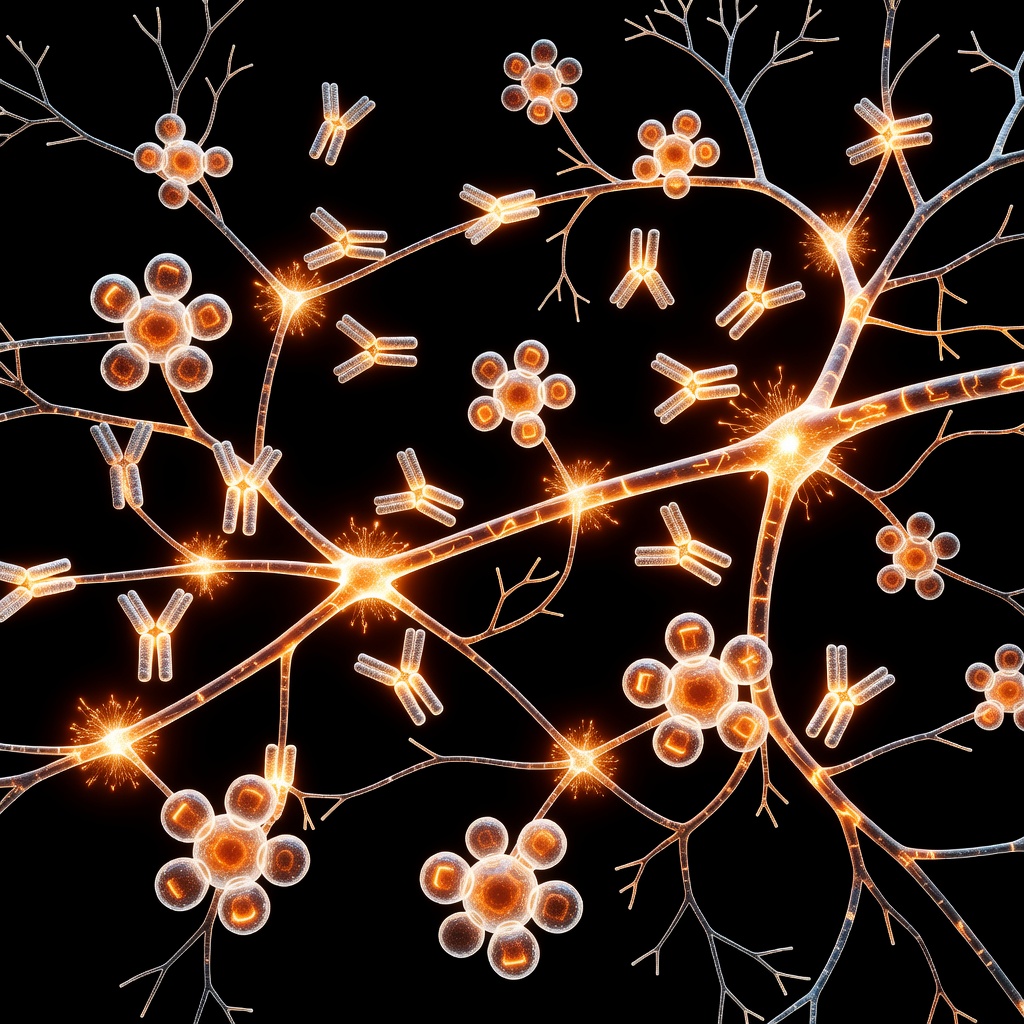
The Invisible Burden: Environmental Toxicity in the Modern Age. In our current landscape, chronic exposure to environmental toxins—ranging from heavy metals and persistent organic pollutants to mycotoxins from indoor mold—has become a hallmark of modern existence. At INNERSTANDING, we advocate for a root-cause approach that moves beyond symptom management. The accumulation of these xenobiotics in the gut-liver axis often underpins metabolic fatigue, endocrine disruption, and chronic inflammation. ### The Science of Adsorption. Activated charcoal is not merely a supplement; it is a pharmaceutical-grade adsorbent.
Through a process called carbonization and subsequent activation, the material develops a massive surface area characterized by a porous, negatively charged molecular structure. This allows it to act as an ionic magnet for positively charged toxins. Unlike chemical reactions, adsorption is a physical phenomenon where toxins adhere to the porous surface of the charcoal, preventing their reabsorption in the enterohepatic circulation. ### Implementing Targeted Charcoal Protocols. To utilize activated charcoal effectively, one must understand the timing and the 'bind-and-flush' mechanism. For chronic exposure remediation, the goal is to create a 'sink' in the gastrointestinal tract.
By taking high-quality, coconut-shell-derived activated charcoal between meals, we ensure the agent is focused on bile-bound toxins released by the liver during its detox pathways. It is essential to integrate this with adequate hydration and fiber intake, as charcoal can be constipating if not paired with sufficient fluid volume to maintain motility. ### Beyond the Surface: Addressing Root Causes. While charcoal excels at clearing the gut, it is not a standalone cure for systemic toxicity. True remediation requires a three-pillar strategy: 1. Source Elimination: Identifying and removing the toxin origin (e.g., HVAC mold remediation or water filtration). 2.
Pathway Optimization: Supporting liver glucuronidation and sulfation pathways through nutrient-dense, plant-based inputs. 3. Targeted Adsorption: Utilizing charcoal as a specialized tool to prevent the 'recycling' of toxins back into the bloodstream. ### Safety and Synergy. Because activated charcoal is non-selective, it may sequester essential nutrients and medications. We recommend a minimum three-hour buffer between charcoal intake and any medication or supplement regimen. This protocol should be viewed as a restorative process, allowing the body to shed its historical toxic weight while you restore the biological environment necessary for cellular health.
Remember, detoxification is not a race; it is a systematic refinement of your body's innate ability to maintain homeostasis in a modern world.
This article is provided for informational and educational purposes only. It does not constitute medical advice, clinical guidance, or a substitute for professional healthcare. Information reflects cited research at time of publication. Always consult a qualified healthcare professional before acting on any health information.
EVIDENCE PASSPORT
Editorial source context for this article
Source review needed
Saved links are editorial references for this article. They may support specific claims rather than every sentence. Open and assess each source in context. This passport does not independently verify them.
Editorial context
A complete editorial reading has not been recorded for this article, and no source links are saved on its record.
Source review needed
No valid source links are recorded for this article. Supplementary research, where available, is listed separately below.
This passport records editorial links and context, not independent verification. Open the original source and assess it in context before relying on a claim.
Medical Disclaimer
The information in this article is for educational purposes only and does not constitute medical advice, diagnosis, or treatment. Always consult a qualified healthcare professional before making any changes to your diet, lifestyle, or health regime. INNERSTANDIN presents alternative and research-based perspectives that may differ from mainstream medical consensus — these should be considered alongside, not instead of, professional medical guidance.
Read Full DisclaimerContinue the thread
Keep this question moving.
Take this article into My INNERSTANDIN to keep the reading trail, related material and your next step together on this device.
Explore this in the Body Map
Explore related body structures and their educational pages in the interactive Body Map.
Dig deeper in the Library
Free, longform PDF volumes that go beyond headlines into mechanisms and references.