
Sleep Deprivation and the UK's Glymphatic Crisis
Updated May 2026
The UK's culture of chronic sleep restriction prevents the glymphatic system from clearing metabolic waste. This failure halts the rewiring processes necessary for memory consolidation and cognitive health.
Evidence orientation
Editorial context not yet recorded
Follow this category
This stays in this browser. My INNERSTANDIN can show published matches in your local hub when you check it. It does not send email, push, or alert notifications.
Local learning review
A private browser aid for revisiting ideas. It is not an alert or a health recommendation.
Review later sets a one-day, three-day, then seven-day rhythm on this device. Choose it only when you want to revisit this article.
Overview
For decades, the United Kingdom has prided itself on a particular brand of stoicism—the "stiff upper lip" that endures long commutes, high-pressure corporate environments, and the ever-present "hustle culture" of the 21st century. However, beneath this veneer of productivity lies a burgeoning biological catastrophe. We are witnessing the systematic degradation of the British mind, not through a single pathogen, but through the chronic suppression of the brain’s most vital maintenance protocol: the glymphatic system.
In the realms of neuroplasticity and brain rewiring, we often focus on the addition of information—the formation of new synapses and the strengthening of neural pathways. Yet, senior biological researchers are increasingly aware that the brain’s ability to "rewire" is fundamentally dependent on its ability to "refine." This refinement requires the removal of metabolic detritus. As the UK population systematically reduces its sleep duration, we are effectively turning our cerebral architecture into a landfill.
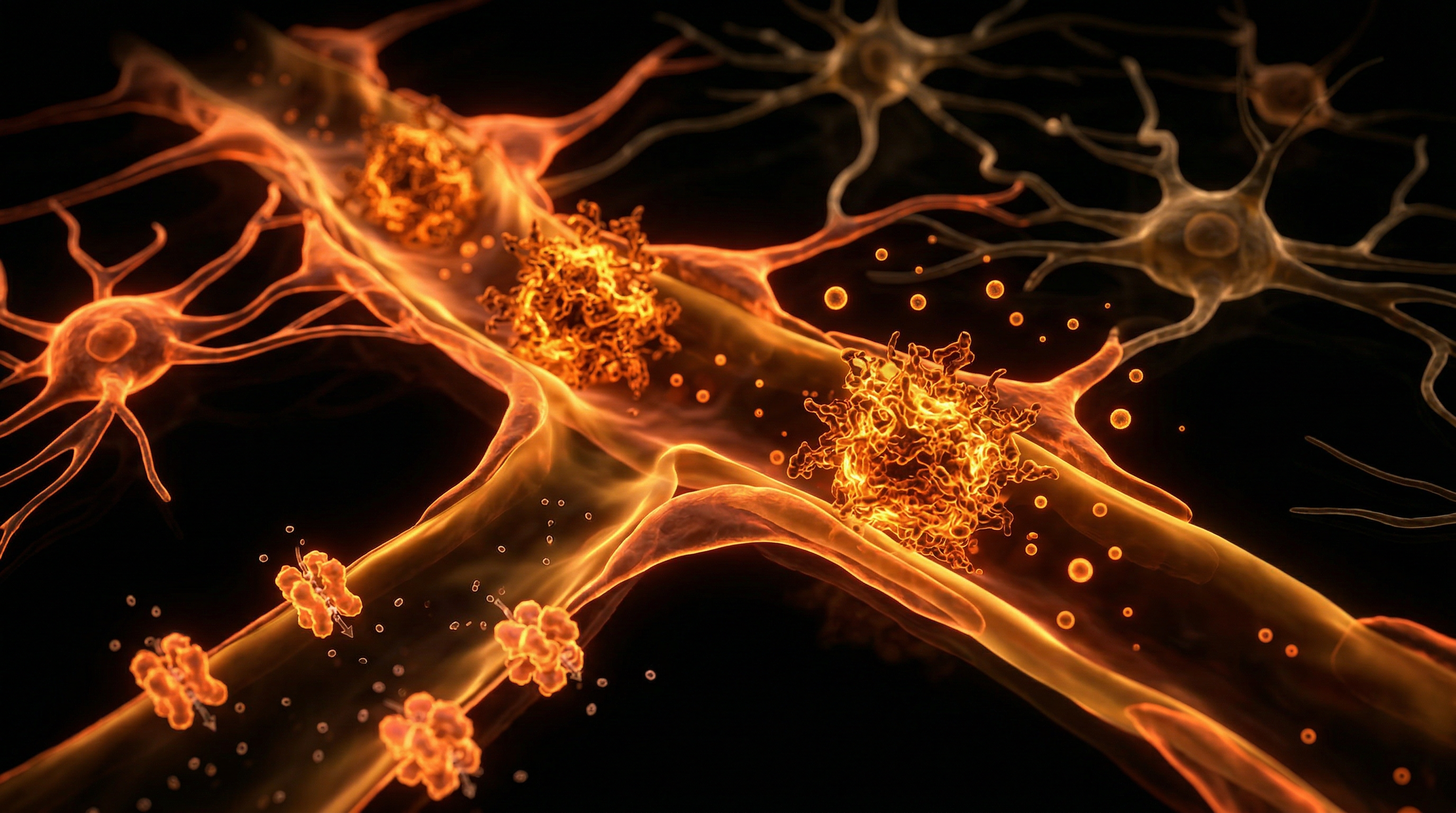
The glymphatic system is the brain's waste disposal service. It is a macroscopic waste clearance system that utilises a unique system of perivascular channels, formed by astroglial cells, to promote the efficient elimination of soluble proteins and metabolites from the central nervous system (CNS). This process is almost exclusively active during deep, slow-wave sleep. By curtailing these hours, the modern Briton is inducing a state of glymphatic stasis, where the neurotoxic byproducts of daily thought—Beta-amyloid and Tau proteins—are left to stagnate, leading to neuroinflammation, cognitive decay, and a total breakdown of neuroplastic potential.
This article serves as an exposé on the UK’s glymphatic crisis. We will move beyond the superficial "sleep hygiene" advice found in tabloids to explore the deep cellular mechanisms being disrupted by our current lifestyle and why the mainstream medical establishment has remained disturbingly silent on the structural collapse of the British brain.
##
The Biology — How It Works
To understand the crisis, one must first understand the machinery. For over a century, the lymphatic system was thought to end at the neck. It was believed the brain, an organ with incredibly high metabolic demands, somehow managed its waste through simple diffusion. It wasn't until 2012 that researchers, led by Maiken Nedergaard, identified the Glymphatic System—a name derived from "glial cells" and "lymphatic."
The brain consumes roughly 20% of the body’s energy despite accounting for only 2% of its mass. This metabolic intensity produces a staggering amount of waste. The glymphatic system operates like a high-pressure irrigation system. During sleep, and specifically during Non-Rapid Eye Movement (NREM) Stage 3 sleep, the interstitial space between neurons increases by up to 60%. This expansion is the critical "on" switch.
Key Statistic: Glymphatic clearance is up to 10 times more active during sleep than during wakefulness. Chronic restriction of NREM sleep can result in a 50% reduction in the brain's ability to clear toxic proteins in a single night.
The Role of Cerebrospinal Fluid (CSF)
The system works through the convective flow of Cerebrospinal Fluid (CSF). This fluid is pumped into the brain tissue along the outside of the arteries, then flushes through the brain parenchyma (the functional tissue), collecting metabolic waste products. This "dirty" fluid then exits via the perivenous spaces (around the veins), eventually draining into the cervical lymphatic nodes in the neck.
This process is not passive; it is a highly regulated biological dance. The pulsatility of our arteries, driven by the heart, helps push the CSF through the system. However, the most vital component is the Astrocyte, a star-shaped glial cell that serves as the "gatekeeper" of this flow.
##
Mechanisms at the Cellular Level
At the cellular level, the glymphatic system relies on specialised water channels known as Aquaporin-4 (AQP4). These channels are densely packed on the end-feet of astrocytes that wrap around the brain's blood vessels.
The AQP4 Polarization
In a healthy, well-rested brain, AQP4 channels are highly "polarised," meaning they are concentrated exactly where they need to be to facilitate the movement of CSF into the brain tissue. When we are awake, or when we are chronically sleep-deprived, this polarisation breaks down. The AQP4 channels begin to redistribute away from the vessel walls and across the entire cell body of the astrocyte. This is a catastrophic failure of cellular architecture. Without the concentrated AQP4 channels at the vascular interface, the "irrigation" fails, and the brain's waste-clearing capacity plummeted.
Neuroplasticity and the "Clearing the Desk" Phenomenon
Neuroplasticity—the brain’s ability to reorganise itself by forming new neural connections—is a metabolically expensive process. Think of it as a sculptor working with clay. During the day (wakefulness), the sculptor adds material, making a mess of the studio with clay scraps and dust. This "dust" includes adenosine, a byproduct of energy consumption (ATP), and various proteins associated with synaptic activity.
If the "studio" (the brain) is never cleaned, the sculptor cannot see the work. The "clay scraps" (metabolic waste) eventually cover the masterpiece. In biological terms, if the glymphatic system does not clear the interstitial space, the chemical environment becomes too "noisy" for the precise electrochemical signals required for long-term potentiation (LTP)—the cellular basis of memory.
- Synaptic Scaling: During sleep, the brain performs "downscaling," where less important connections are weakened so that important ones can stand out. This requires a clean chemical environment.
- Microglial Activation: When waste accumulates, the brain's immune cells (microglia) become chronically activated. Instead of pruning synapses precisely, they begin to "over-eat" healthy connections in an attempt to manage the toxic environment.
##
Environmental Threats and Biological Disruptors
The UK's environment is uniquely hostile to glymphatic health. We are currently living through an era where biological evolution is being outpaced by technological and societal shifts.
The Blue Light Siege
The UK has one of the highest densities of screen usage in Europe. The High-Energy Visible (HEV) blue light emitted by smartphones and laptops suppresses the production of melatonin in the pineal gland. Melatonin is not just a "sleep hormone"; it is a powerful antioxidant and a regulator of the glymphatic system. When melatonin is suppressed, the transition into deep NREM sleep is delayed or abolished, meaning even if a person is "unconscious" for 8 hours, their glymphatic system may only be active for 2.
The Stimulant Cycle
British "tea and coffee culture" has morphed into a dependence on high-dose caffeine. Caffeine works by blocking adenosine receptors. While this makes us feel "awake," it does nothing to clear the adenosine itself. In fact, it masks the biological "pressure" to sleep, leading to a "rebound effect" where the glymphatic system is overwhelmed when sleep finally occurs.
Alcohol and Glymphatic Suppression
The UK’s "pub culture" is a direct threat to neuro-cleansing. While alcohol is a sedative that may help some fall asleep faster, it is a potent disruptor of sleep architecture. Even moderate alcohol consumption suppresses NREM sleep and fragmentizes the sleep cycle. Research suggests that alcohol-induced sleep leads to a virtual standstill of glymphatic flow, as the normal expansion of the interstitial space is inhibited by the toxic metabolites of ethanol (acetaldehyde).
Important Callout: A single evening of "binge drinking" (common in UK urban centres) can reduce glymphatic clearance by over 70% for the following 24 hours.
Noise and Light Pollution
The UK is one of the most light-polluted nations on Earth. In cities like London, Manchester, and Birmingham, true "biological darkness" is non-existent. Urban noise pollution—sirens, traffic, and neighbours—triggers micro-arousals. These are brief spikes in heart rate and brain activity that the sleeper may not remember, but which instantly "shut off" the glymphatic pump, as the system requires a stable, parasympathetic state to function.
##
The Cascade: From Exposure to Disease
What happens when the glymphatic system fails day after day, year after year? We see a predictable and devastating "cascade" that leads from simple brain fog to irreversible neurodegeneration.
- Stage 1: Glymphatic Stasis. Metabolic waste begins to pool in the interstitial fluid. The individual experiences "brain fog," reduced processing speed, and emotional irritability.
- Stage 2: Proteotoxicity. Proteins like Beta-amyloid (Aβ), which are normally cleared daily, begin to aggregate into "oligomers." These are small, toxic clumps of protein that interfere with neuron-to-neuron communication.
- Stage 3: Neuroinflammation. The pooling waste triggers a chronic immune response. Microglia, the brain's resident immune cells, transition into a "pro-inflammatory" state. They release cytokines (like TNF-alpha and IL-1beta) that damage the very neurons they are supposed to protect.
- Stage 4: Synaptic Loss. The toxic environment and chronic inflammation lead to the "withering" of dendrites (the branches of neurons). The brain's ability to rewire is now physically halted.
- Stage 5: Plaque Formation and Tau Tangles. Eventually, the waste hardens into the plaques and tangles characteristic of Alzheimer's and other dementias. At this point, the structural damage is widespread.
Key Fact: The glymphatic system's failure is now considered a precursor to Alzheimer’s, not just a symptom. Accumulation of Beta-amyloid in the brain's "prefrontal cortex" further disrupts NREM sleep, creating a "vicious cycle" where the disease itself prevents the brain from cleaning the toxins that cause the disease.
##
What the Mainstream Narrative Omits
The UK’s National Health Service (NHS) and mainstream media outlets often discuss sleep in the context of "wellbeing" or "mental health." While true, this framing is dangerously soft. It avoids the harder, more alarming biological reality: Sleep deprivation is a form of slow-motion brain injury.
The Pharmaceutical Diversion
The mainstream narrative focuses heavily on the development of "amyloid-clearing drugs" (like aducanumab). These drugs attempt to do chemically what the glymphatic system does naturally and for free. There is a multi-billion pound industry dedicated to treating the result of glymphatic failure, yet almost no public funding is directed toward educating the public on how to preserve the glymphatic system itself. Why? Because you cannot patent a good night's sleep in a dark, cool room.
The "Genetic" Fallacy
Many are told that dementia is "largely genetic." While genetics play a role (e.g., the APOE4 allele), current research suggests that lifestyle-driven glymphatic failure is the primary driver for the vast majority of cases. By framing it as a genetic lottery, the "system" absolves modern industrial society of its role in the cognitive decline of its citizens.
The Economic Silence
The UK government is well aware of the "productivity gap." However, they rarely link this to the collective sleep debt of the nation. A brain that hasn't cleared its metabolic waste is incapable of high-level creative problem solving or "deep work." The UK's reliance on a "gig economy" and 24/7 service culture is fundamentally at odds with the biological requirements for a functional, high-IQ workforce.
##
The UK Context
The UK presents a unique "perfect storm" for glymphatic crisis.
The Great British Sleep Survey
Data from the Great British Sleep Survey indicates that over 30% of Britons get less than six hours of sleep per night. In London, this figure is estimated to be even higher. From a biological perspective, "six hours" is the tipping point where glymphatic clearance fails to meet the metabolic demand of the previous day's wakefulness. We are effectively living in a state of permanent "metabolic hangover."
The "Hustle" and the "Stiff Upper Lip"
There is a cultural pathology in the UK that equates "busy-ness" with worth. The "first one in, last one out" mentality is praised in the City of London and across the corporate landscape. This cultural pressure creates a "biological shame" around sleep. To prioritise 8 or 9 hours of sleep is often seen as a sign of weakness or lack of ambition.
Housing and Thermal Regulation
Glymphatic flow is highly sensitive to body temperature. The system works best when the core body temperature drops slightly. The UK's housing stock, often poorly insulated or lacking modern climate control, frequently results in bedrooms that are either too damp or, during increasingly common heatwaves, too hot. This prevents the "thermal trigger" for deep NREM sleep, further choking the glymphatic pump.
The Commuter Crisis
The UK has some of the longest average commute times in Europe. For many, this "dead time" is carved directly out of their sleep window. The stress of the commute—characterized by the "fight or flight" sympathetic nervous system activation—elevates cortisol. Cortisol is the direct antagonist of the glymphatic system. When cortisol is high, the glymphatic system is "locked."
##
Protective Measures and Recovery Protocols
While the crisis is systemic, biological researchers have identified specific protocols that can assist in "reactivating" the glymphatic pump and protecting the brain’s rewiring processes.
- The Lateral Position: Research suggests that sleeping on your side (lateral position) is significantly more effective for glymphatic clearance than sleeping on your back (supine) or stomach (prone). Gravity and the alignment of the neck's lymphatic vessels play a role in this efficiency.
- Thermal Priming: Taking a warm bath or shower 1-2 hours before bed. This causes "vasodilation" in the hands and feet, which helps the core body temperature drop—the essential signal for NREM sleep.
- Magnesium Threonate: Unlike other forms of magnesium, Magnesium Threonate effectively crosses the blood-brain barrier. It has been shown to enhance synaptic plasticity and support the "quietening" of the brain necessary for deep sleep.
- Dark Therapy: Using blue-light blocking glasses (amber-tinted) from 8:00 PM onwards. This protects the pineal gland’s melatonin production from the UK’s ubiquitous LED lighting.
- Intermittent Fasting: There is emerging evidence that autophagy (the cellular process of "self-eating" damaged components) and glymphatic clearance are synergistic. Stopping food intake at least 3-4 hours before sleep prevents the "metabolic distraction" of digestion and allows the body to focus resources on cerebral cleansing.
- The "Sleep Divorce" / Room Optimization: In the UK, many couples sleep in "double" beds that are too small, leading to movement-induced arousals. Upgrading to a "King" or "Super King" or even sleeping in separate beds can be a medical necessity for glymphatic health.
- Nose Breathing: Chronic mouth breathing during sleep leads to lower oxygen saturation and more frequent arousals. Ensuring nasal patency (via strips or mouth taping) keeps the brain in the deep, parasympathetic state required for the AQP4 channels to function.
##
Summary: Key Takeaways
The "UK's Glymphatic Crisis" is a silent epidemic that threatens the very foundation of our cognitive future. As we move further into an information-based economy, the value of a "clean" brain cannot be overstated.
- The Glymphatic System is the brain's essential "waste management" protocol, active primarily during deep NREM sleep.
- Chronic sleep restriction causes "glymphatic stasis," where neurotoxins like Beta-amyloid and Tau accumulate, leading to neuroinflammation.
- Aquaporin-4 (AQP4) channels on astrocytes are the "valves" of this system; they fail when we are sleep-deprived or stressed.
- The UK’s culture of "hustle," caffeine dependence, and urban pollution creates a "perfect storm" for the destruction of neuroplasticity.
- The mainstream medical narrative ignores this structural collapse in favour of pharmaceutical interventions that treat symptoms rather than the cause.
- Protective measures—such as side-sleeping, thermal regulation, and strict light hygiene—are not "lifestyle choices" but biological imperatives for the prevention of dementia.
The "rewiring" of the British brain is being stalled by the "clogging" of its pipes. We must move beyond the "stiff upper lip" and embrace the biological reality: the most productive thing a person can do for their brain is to allow it the time and environment to wash itself clean. Without this, the UK faces a future of cognitive stagnation and a public health crisis of unprecedented proportions. The "INNERSTANDING" of our own biology is the only way forward.
This article is provided for informational and educational purposes only. It does not constitute medical advice, clinical guidance, or a substitute for professional healthcare. Information reflects cited research at time of publication. Always consult a qualified healthcare professional before acting on any health information.
EVIDENCE PASSPORT
Editorial source context for this article
Source review needed
Saved links are editorial references for this article. They may support specific claims rather than every sentence. Open and assess each source in context. This passport does not independently verify them.
Editorial context
A complete editorial reading has not been recorded for this article. Source links remain available for you to open and assess directly.
Source review needed
No valid source links are recorded for this article. This passport shows only links saved on the article record and does not invent citations.
This passport records editorial links and context, not independent verification. Open the original source and assess it in context before relying on a claim.
Medical Disclaimer
The information in this article is for educational purposes only and does not constitute medical advice, diagnosis, or treatment. Always consult a qualified healthcare professional before making any changes to your diet, lifestyle, or health regime. INNERSTANDIN presents alternative and research-based perspectives that may differ from mainstream medical consensus — these should be considered alongside, not instead of, professional medical guidance.
Read Full DisclaimerContinue the thread
Keep this question moving.
Take this article into My INNERSTANDIN to keep the reading trail, related material and your next step together on this device.
Explore this in the Body Map
See where this hits your biology. Interactive anatomy, threats, and protective protocols.
Dig deeper in the Library
Free, longform PDF volumes that go beyond headlines into mechanisms and references.