
Spike Protein Persistence: The Biological Mechanism of Long-Haul Dysfunction
Updated April 2026
Investigate how the spike protein remains in the human body months after initial exposure. This article details the mechanisms of protein folding and cellular storage that contribute to chronic illness.
Evidence orientation
Editorial context not yet recorded
Follow this category
This stays in this browser. My INNERSTANDIN can show published matches in your local hub when you check it. It does not send email, push, or alert notifications.
Local learning review
A private browser aid for revisiting ideas. It is not an alert or a health recommendation.
Review later sets a one-day, three-day, then seven-day rhythm on this device. Choose it only when you want to revisit this article.
Overview
In the wake of the global health events beginning in 2020, a new and unsettling clinical reality has emerged: the persistence of the SARS-CoV-2 spike protein within the human body long after the resolution of acute symptoms. Once theorised to be a transient visitor that would be cleared by the immune system within days, the spike protein—whether introduced via natural infection or through synthetic mRNA technologies—has proven to be a resilient and bioactive pathogen.
This persistence is the foundational driver of what is commonly termed "Long-Haul" dysfunction. Far from being a mere psychological "post-viral fatigue," the condition represents a profound cellular crisis. The spike protein is not merely a passive key used to enter cells; it is a highly toxic, pro-inflammatory, and amyloidogenic molecule that disrupts the fundamental machinery of human biology. From the hijacking of mitochondrial function to the induction of microvascular "sludging" and the suppression of DNA repair mechanisms, the biological footprint of the spike protein is both broad and devastating.
At INNERSTANDING, we believe that true health education requires looking beyond the superficial narrative. This article explores the deep molecular pathways through which the spike protein evades clearance and embeds itself into the host's physiology, creating a state of chronic systemic inflammation that defines the post-2020 era of chronic illness.
The Biology
To understand why the spike protein causes such prolonged dysfunction, one must first understand its structural complexity. The spike protein (S-protein) is a large, trimeric glycoprotein that protrudes from the surface of the virus. It is divided into two primary subunits: S1 and S2.
The S1 Subunit and ACE2 Binding
The S1 subunit contains the Receptor Binding Domain (RBD), which has a high affinity for the Angiotensin-Converting Enzyme 2 (ACE2) receptor. ACE2 is not just a doorway; it is a vital regulator of the Renin-Angiotensin System (RAS). Under normal conditions, ACE2 converts Angiotensin II (a pro-inflammatory, vasoconstrictive peptide) into Angiotensin (1-7) (an anti-inflammatory, vasodilatory peptide).
When the spike protein binds to and occupies ACE2 receptors, it effectively downregulates their function. This leads to an accumulation of Angiotensin II, triggering:
- Systemic hypertension.
- Increased oxidative stress.
- Hyper-inflammation.
- Progressive tissue scarring (fibrosis).
The S2 Subunit and Membrane Fusion
While S1 handles the "handshake," the S2 subunit facilitates the fusion of the viral envelope (or the lipid nanoparticle) with the host cell membrane. Recent evidence suggests that the S2 subunit may play a more sinister role in long-term pathology, as it contains highly stable structural motifs that are resistant to proteolysis (the breakdown of proteins).
The Furin Cleavage Site: A Toxic Advantage
Unique to SARS-CoV-2 among its subgenus is the presence of a polybasic furin cleavage site. This allows host enzymes (furin) to pre-prime the protein, significantly increasing its infectivity and its ability to fuse cells together into "syncytia"—large, multi-nucleated masses of dead or dying tissue. This cellular fusion allows the protein and its genetic instructions to spread directly from cell to cell, potentially evading the circulating antibodies of the humoral immune system.
The Biological Reality: The spike protein is a "gain-of-function" protein by its very nature. Its design allows it to bypass traditional immune checkpoints, making it a persistent threat rather than a temporary guest.
Mechanisms at the Cellular Level
The "Long-Haul" state is a manifestation of cellular exhaustion and structural damage. The spike protein interferes with life at the most granular level: the mitochondria, the blood vessels, and the nucleus.
1. Mitochondrial Hijacking and Bioenergetic Failure
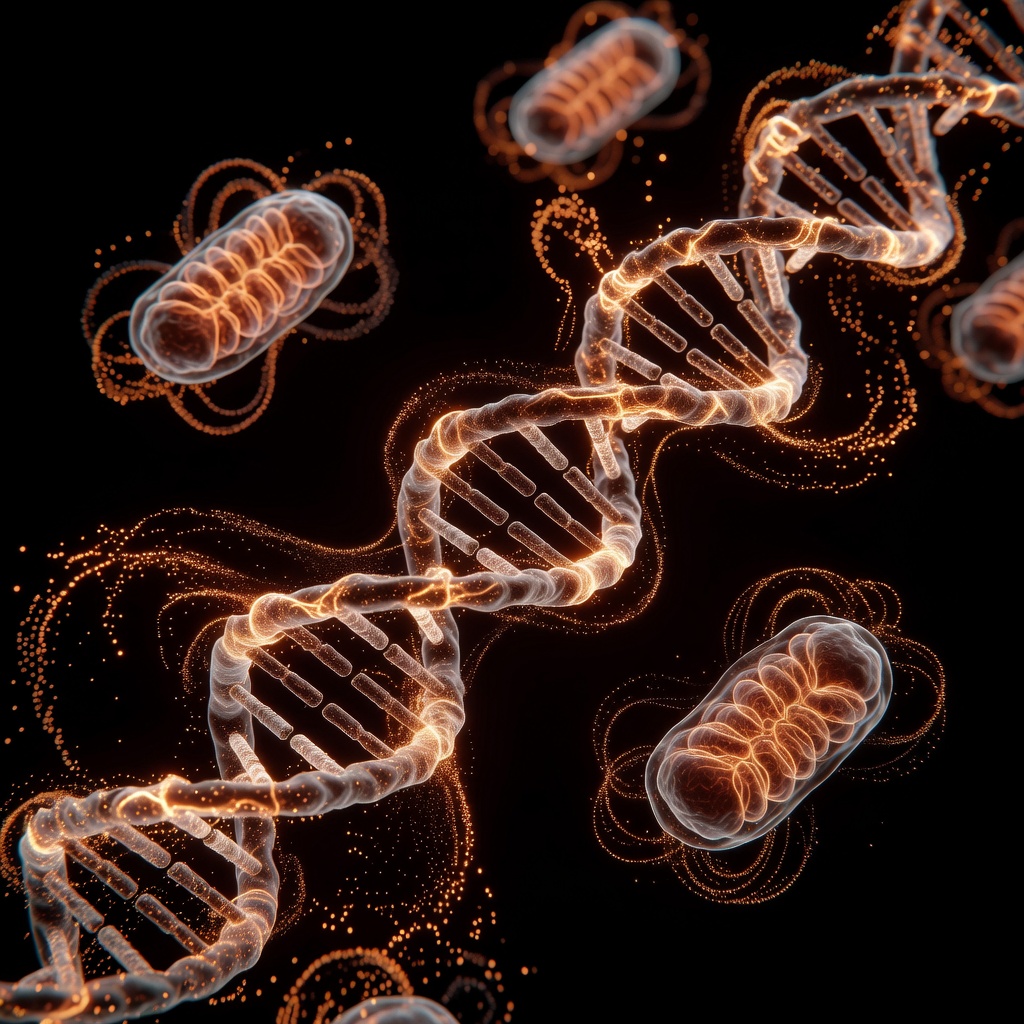
Mitochondria are the "powerhouses" of the cell, responsible for producing ATP via oxidative phosphorylation. Research has shown that the spike protein can localise directly to the mitochondria. Once there, it disrupts the electron transport chain, leading to:
- Reduced ATP production: Resulting in the profound "crashing" fatigue experienced by long-haulers.
- Increased ROS (Reactive Oxygen Species): Causing internal cellular "rusting" and damage to mitochondrial DNA.
- Mitochondrial Fragmentation: The cells lose their ability to maintain a healthy mitochondrial network, leading to premature cell death (apoptosis).
2. Endothelialitis and Microclotting
Perhaps the most significant discovery in spike protein pathology is the induction of endothelialitis—inflammation of the inner lining of the blood vessels. The spike protein triggers the release of pro-inflammatory cytokines that cause the endothelium to become "sticky."
Furthermore, the spike protein itself acts as an amyloidogenic molecule. It can induce the formation of abnormal blood clots that are resistant to the body’s natural fibrinolysis (the process of breaking down clots). These "microclots," discovered by researchers such as Professor Resia Pretorius, are laden with inflammatory molecules and can block the smallest capillaries, depriving tissues and organs of vital oxygen. This explains the "brain fog" and "organ "heaviness" reported by patients; their tissues are effectively being suffocated at the micro-level.
3. Non-Classical Monocytes: The "Spike Reservoirs"
One of the most perplexing questions was why the spike protein remains in the body for 15 months or longer. Research by Dr Bruce Patterson and his team identified that CD16+ non-classical monocytes (a type of white blood cell) act as reservoirs.
Unlike regular monocytes that die off quickly, these non-classical monocytes can persist for very long periods. They engulf the spike protein but fail to break it down. These "patrolling" cells then travel through the vascular system, sticking to the vessel walls and causing continuous inflammation. This is not a live infection, but a "protein-driven" inflammatory syndrome.
4. Nuclear Interference and DNA Repair
In a chilling discovery at the molecular level, the spike protein has been found in some studies to translocate to the cell nucleus. Once inside, it may inhibit the recruitment of key DNA repair proteins, such as BRCA1 and 53BP1. When DNA repair is compromised, the cell becomes prone to mutations and genomic instability, which has long-term implications for immune surveillance and the prevention of oncogenesis (cancer development).
Environmental Threats
The persistence of the spike protein does not occur in a vacuum. External factors can exacerbate the biological damage, creating a "perfect storm" for the chronic sufferer.
Synthetic Persistence: mRNA and Pseudouridylation
A critical distinction must be made between the spike protein from the virus and the spike protein produced by synthetic mRNA. The synthetic mRNA used in widely distributed medical interventions was modified using N1-methylpseudouridine. This modification was designed to make the mRNA more stable and less "recognisable" to the innate immune system.
However, this stability means the body continues to produce the spike protein for an indeterminate amount of time—far longer than the few days originally claimed. This "unregulated production" creates a constant load on the liver, the heart, and the immune system, preventing the body from returning to a state of homeostasis.
The Role of Lipid Nanoparticles (LNPs)
The delivery mechanism—Lipid Nanoparticles—is also a concern. LNPs are highly inflammatory and are designed to cross biological barriers, including the Blood-Brain Barrier (BBB). Once the spike protein is expressed within the brain's glial cells or neurons, the resulting neuro-inflammation can lead to long-term cognitive decline and autonomic nervous system dysfunction (Dysautonomia/POTS).
Electrosmog and Heavy Metals
Emerging theories in the holistic biology community suggest that the spike protein, which contains "prion-like" domains, may be sensitive to external electromagnetic frequencies (EMF). In environments with high levels of 5G or Wi-Fi radiation, the oxidative stress triggered by the spike protein may be amplified through the opening of Voltage-Gated Calcium Channels (VGCCs). Additionally, the presence of heavy metals (like aluminium or mercury) in the body may act as catalysts for the amyloid-like folding of the spike protein, worsening the severity of microclots.
The UK Context
The United Kingdom has been uniquely impacted by the spike protein crisis. According to the Office for National Statistics (ONS), millions of Britons are currently living with self-reported Long Covid symptoms.
The NHS Crisis
The NHS is currently struggling to manage the influx of patients with complex, multi-systemic issues that do not fit the traditional "organ-specific" model of medicine. Because the spike protein affects the vasculature and the mitochondria, symptoms are often diffuse—migrating joint pain, heart palpitations, cognitive impairment, and exercise intolerance.
Regulatory Silence
There is a growing tension within the UK medical establishment. While frontline GPs are seeing an explosion in "atypical" heart issues and neurological complaints, regulatory bodies like the MHRA (Medicines and Healthcare products Regulatory Agency) have been slow to acknowledge the role of spike protein persistence from synthetic sources.
However, the UK is also home to pioneering grassroots research. Independent labs and practitioners are increasingly looking at "Whole Systems Biology" to treat the root cause rather than just the symptoms. The focus is shifting toward autophagy and proteolytic interventions to clear the protein from the body.
Protective Measures
If the problem is the persistence and bioactivity of the spike protein, the solution must involve degradation, inhibition, and detoxification.
1. Proteolytic Enzymes (The "Clean-up" Crew)
The body needs help breaking down these resilient proteins. Certain enzymes, when taken on an empty stomach, can enter the bloodstream and begin digesting the spike protein and microclots.
- Nattokinase: An enzyme derived from fermented soy (natto) that has been shown in vitro to degrade the spike protein and dissolve fibrinoid microclots.
- Bromelain: Derived from pineapple, it can inhibit the binding of the spike protein to ACE2 receptors and assist in protein breakdown.
- Serrapeptase: A powerful anti-inflammatory enzyme that helps clear non-living tissue and inflammatory debris from the vascular system.
2. Autophagy Induction
Autophagy is the body’s natural "cellular recycling" system. By inducing autophagy, we can encourage cells to break down and remove the intracellular spike protein.
- Intermittent Fasting: One of the most potent ways to trigger autophagy.
- Spermidine: A natural compound found in wheat germ and mushrooms that promotes cellular renewal.
- Resveratrol: A polyphenol that activates the SIRT1 pathway, aiding in mitochondrial repair and autophagy.
3. Binding Inhibitors and Anti-inflammatories
Preventing the spike protein from further interacting with ACE2 receptors and calming the "cytokine storm" is essential.
- Quercetin & Zinc: Quercetin acts as a zinc ionophore, bringing zinc into the cells where it can interfere with viral replication and protein synthesis.
- Curcumin: High-bioavailability turmeric extracts can significantly reduce the systemic inflammation (NF-kB pathway) triggered by the spike protein.
- Vitamin D3/K2: Essential for maintaining immune modulation and preventing the "over-activation" of the immune system.
4. Mitochondrial Support
To combat the fatigue, we must restore the bioenergetics of the cell.
- CoQ10 (Ubiquinol): Directly supports the electron transport chain.
- PQQ (Pyrroloquinoline quinone): Promotes "mitochondrial biogenesis"—the creation of new mitochondria.
- Magnesium: Required for every step of ATP production; most "long-haulers" are severely depleted.
Key Takeaways
- The Spike Protein is a Pathogen: It is not a harmless structural piece of a virus; it is a bioactive toxin that causes systemic damage.
- Persistence is the Problem: Unlike natural proteins that degrade quickly, the spike protein (especially the synthetic variety) can persist in monocytes and tissues for over a year.
- Vascular & Mitochondrial Focus: The primary "damage zones" are the endothelium (leading to microclots) and the mitochondria (leading to energy failure).
- Amyloidogenic Properties: The protein can cause "misfolding" issues in the blood, creating resilient, rubbery clots that impede oxygen delivery.
- Clearing the Body is Possible: Through a combination of proteolytic enzymes (like Nattokinase), autophagy (fasting), and targeted nutritional support, the body can be assisted in degrading and excreting the spike protein.
- The Shift in Healthcare: We are moving away from a "pill for every ill" and toward a necessary understanding of toxicology and cellular repair.
The emergence of spike protein persistence is a challenge to our understanding of biology, but it is also an invitation to reclaim our health through knowledge. By understanding the mechanisms of dysfunction, we can take the necessary steps to restore our cellular integrity and regain our vitality.
INNERSTANDING: Knowledge is the first step toward sovereignty. Understanding the biology of the spike protein is the key to overcoming the "Long-Haul" and returning to a state of natural health.
This article is provided for informational and educational purposes only. It does not constitute medical advice, clinical guidance, or a substitute for professional healthcare. Information reflects cited research at time of publication. Always consult a qualified healthcare professional before acting on any health information.
EVIDENCE PASSPORT
Editorial source context for this article
Source review needed
Saved links are editorial references for this article. They may support specific claims rather than every sentence. Open and assess each source in context. This passport does not independently verify them.
Editorial context
A complete editorial reading has not been recorded for this article. Source links remain available for you to open and assess directly.
Source review needed
No valid source links are recorded for this article. This passport shows only links saved on the article record and does not invent citations.
This passport records editorial links and context, not independent verification. Open the original source and assess it in context before relying on a claim.
Medical Disclaimer
The information in this article is for educational purposes only and does not constitute medical advice, diagnosis, or treatment. Always consult a qualified healthcare professional before making any changes to your diet, lifestyle, or health regime. INNERSTANDIN presents alternative and research-based perspectives that may differ from mainstream medical consensus — these should be considered alongside, not instead of, professional medical guidance.
Read Full DisclaimerContinue the thread
Keep this question moving.
Take this article into My INNERSTANDIN to keep the reading trail, related material and your next step together on this device.