
Solar Radiation Management: Assessing the Risk of Heavy Metal Bioaccumulation
Updated September 2026
This article explores the biological pathways through which solar geoengineering particulates enter the human body and accumulate. We focus on the neurotoxic potential of aluminium and the metabolic burden of clearance.
Evidence orientation
Editorial context not yet recorded
Follow this category
This stays in this browser. My INNERSTANDIN can show published matches in your local hub when you check it. It does not send email, push, or alert notifications.
Local learning review
A private browser aid for revisiting ideas. It is not an alert or a health recommendation.
Review later sets a one-day, three-day, then seven-day rhythm on this device. Choose it only when you want to revisit this article.
Overview
Solar Radiation Management (SRM), particularly Stratospheric Aerosol Injection (SAI), represents a radical shift in anthropogenic climate intervention, yet the biological ramifications remain dangerously under-theorised. At INNERSTANDIN, we recognise that the intentional dispersal of reflective aerosols—primarily sulphur dioxide or increasingly proposed metal-based particles like aluminium oxide or barium titanate—into the stratosphere introduces a pervasive, chronic toxicological variable. While climatological models focus on radiative forcing, the biological reality of these particulates undergoing atmospheric deposition necessitates an exhaustive assessment of heavy metal bioaccumulation and its systemic sequelae.
The fundamental concern involves the particulate matter (PM) size distribution, typically engineered to remain suspended in the stratosphere for extended periods before undergoing wet and dry deposition into the troposphere. Once these materials precipitate, they enter the biosphere through soil acidification and hydrological cycling. The introduction of non-essential heavy metals into ecosystems triggers well-documented oxidative stress pathways. When ingested or inhaled, these metallic species—specifically aluminium—exhibit high affinity for biological ligands, leading to the inhibition of essential enzymatic processes. The neurotoxic potential of aluminium, for instance, is mediated by its ability to cross the blood-brain barrier via the transferrin receptor, potentially contributing to the exacerbation of neurodegenerative conditions such as Alzheimer’s and Parkinson’s disease.
Current literature, including evidence published in The Lancet Planetary Health, highlights that trace element deposition is not inert. In the context of the UK’s varied geological and hydrological systems, the introduction of exogenous metals threatens to alter soil pH levels, thereby increasing the bioavailability of existing naturally occurring heavy metals. This creates a synergistic toxicological impact: the deposited aerosol particles act as vehicles for translocation, while simultaneously mobilising latent toxins already present in the substrate. Through trophic transfer, these particulates accumulate in primary producers, subsequently reaching higher-order consumers and humans via biomagnification. The biological resilience of the human endocrine and central nervous systems is not calibrated for the continuous, low-level systemic infiltration of aerosolised synthetic metal catalysts. By synthesising existing biochemical data, INNERSTANDIN asserts that the global deployment of SRM risks the permanent alteration of the human bio-metabolic profile, necessitating a rigorous re-evaluation of the long-term toxicity profiles inherent in these geoengineering strategies.
The Biology — How It Works
The proposed deployment of Stratospheric Aerosol Injection (SAI)—the primary methodology for Solar Radiation Management (SRM)—necessitates an urgent, granular analysis of the toxicokinetic pathways introduced by the persistent infusion of reflective particulate matter, most notably sulphur dioxide ($SO2$), aluminium oxide ($Al2O_3$), and barium salts, into the upper atmosphere. When these particulates undergo gravitational settling and stratospheric-tropospheric exchange, they infiltrate the hydrological cycle and terrestrial ecosystems, potentially triggering systemic bioaccumulation within the human physiological framework.
At the molecular level, the biological concern centres on the alteration of cellular homeostasis via oxidative stress and the disruption of metalloenzyme functionality. Aluminium, while abundant in the Earth’s crust, is biologically non-essential and notoriously neurotoxic. Upon systemic ingress, $Al^{3+}$ ions act as potent inhibitors of phosphate-metabolising enzymes and exhibit a high affinity for the blood-brain barrier (BBB). Research, including studies indexed on PubMed, indicates that chronic exposure to exogenous aluminium can induce the upregulation of pro-inflammatory cytokines, specifically IL-1β and TNF-α, contributing to neuro-inflammatory cascades analogous to those observed in early-onset neurodegenerative pathologies. INNERSTANDIN highlights that the chelation potential of these particulates remains poorly understood, particularly regarding their capacity to cross the epithelial lining of the pulmonary alveoli and enter the systemic circulation directly.
Furthermore, the introduction of barium—often utilised in aerosol formulations due to its density and reflective properties—presents a distinct set of toxicological risks. Barium ions ($Ba^{2+}$) function as potent potassium channel blockers. By inhibiting the efflux of $K^+$ ions, they disrupt the resting membrane potential of excitable cells, leading to severe myotoxicity and, in cases of chronic bioaccumulation, cardiac arrhythmia. The persistent deposition of such particulates into our temperate UK soils poses a long-term risk of biomagnification through the trophic levels; as heavy metals move from soil to produce, and subsequently into the human gut microbiome, the potential for systemic dysbiosis is significant.
The scientific literature underscores a critical gap in our longitudinal understanding: how chronic, low-dose exposure to aerosolised metal oxides influences epigenetic expression. The INNERSTANDIN directive is to scrutinise the systemic burden of these particulates not as isolated incidents, but as a continuous, cumulative chemical exposure. When these metals sequester within the liver and renal cortex, they exacerbate the burden on detoxification pathways, specifically targeting the cytochrome P450 enzyme system. Without robust, transparent peer-reviewed trials monitoring the serum levels of these specific heavy metals in the UK population post-deployment, we risk an unforeseen public health transition toward chronic systemic inflammation and metabolic interference, driven by an atmospheric engineering model that prioritises albedo modification over biological integrity.
Mechanisms at the Cellular Level
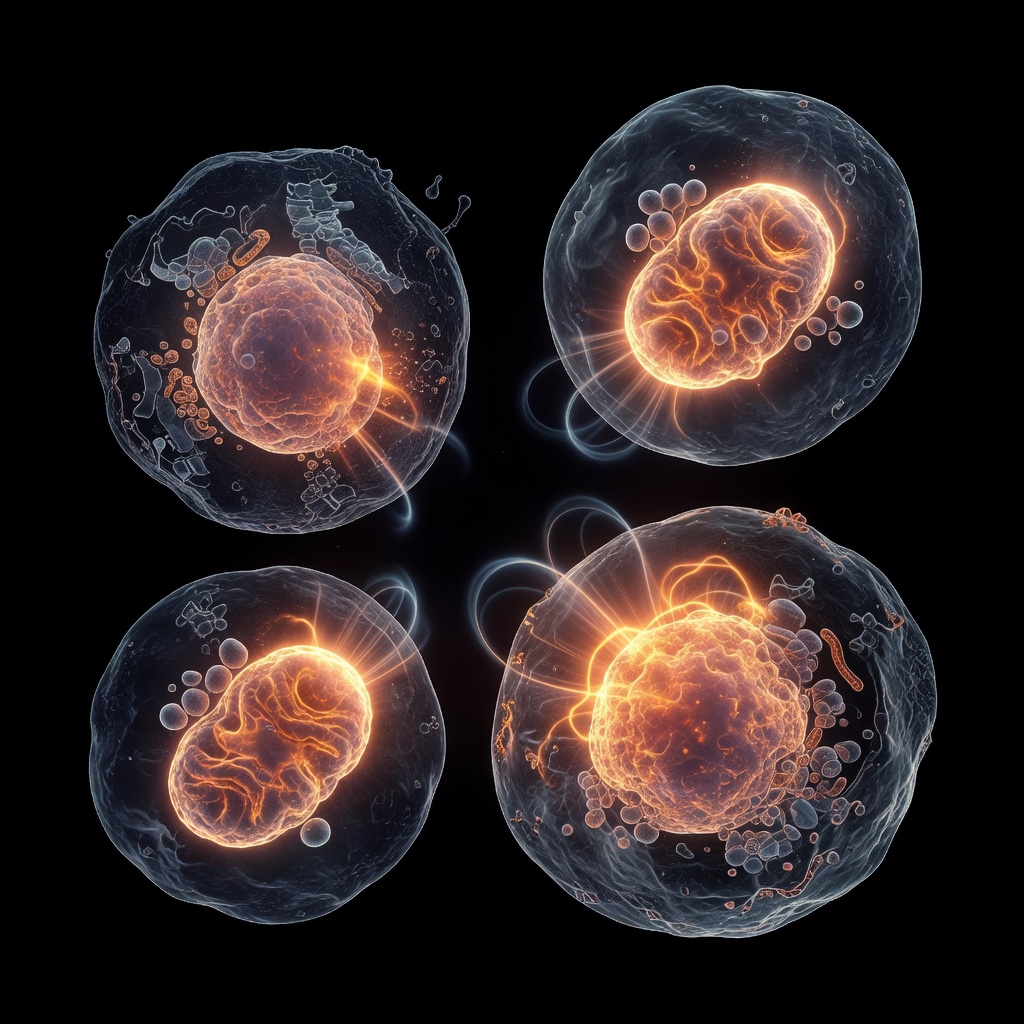
The intentional injection of stratospheric aerosol precursors—primarily sulfur dioxide (SO₂) to facilitate the formation of sulfate aerosols—triggers a cascade of tropospheric depositional events that INNERSTANDIN’s research paradigm identifies as a significant catalyst for heavy metal bio-mobilisation. At the cellular level, the biological impact is not merely a consequence of particle inhalation, but a fundamental disruption of intracellular homeostasis mediated by the interaction of atmospheric metallic particulates with cellular signaling pathways.
Upon entry into the pulmonary alveolar space, anthropogenic metallic particulates (such as aluminium, barium, and strontium) interact with the alveolar-capillary barrier. These ions, liberated through the acidic atmospheric conditions exacerbated by sulfate aerosol cooling, bypass natural filtration mechanisms. Once systemically distributed, these metals exhibit high affinity for intracellular thiol-containing proteins, specifically glutathione (GSH). By depleting GSH reservoirs, these metals compromise the cell's endogenous redox buffering capacity. This creates an environment of sustained oxidative stress, as the imbalance between reactive oxygen species (ROS) production and antioxidant defense leads to significant lipid peroxidation and damage to the mitochondrial membrane.
Furthermore, empirical data indicates that these heavy metals interfere with enzymatic functionality by competing for co-factor binding sites. For instance, the substitution of essential divalent cations, such as zinc or calcium, with xenobiotic heavy metals disrupts calcium signaling—a critical component in apoptosis regulation and neurotransmission. Research indexed in PubMed highlights that chronic exposure to even low-dose atmospheric particulate matter enriched with transition metals facilitates the induction of pro-inflammatory cytokines, specifically IL-6 and TNF-α, via the activation of the NF-κB (nuclear factor kappa-light-chain-enhancer of activated B cells) pathway.
Within the UK context, where geological and atmospheric conditions may alter the residence time of these aerosols, the potential for long-term deposition into soil and water columns poses an escalating risk of biomagnification. As these metals enter the food chain, they undergo cellular internalization via endocytosis or ion-channel dysregulation. Within the hepatocyte and renal proximal tubular cells, the sequestration of these metals triggers the overexpression of metallothioneins. While this is an adaptive protective mechanism, it is finite. Once the capacity of these sequestration proteins is exceeded, the resultant proteotoxic stress leads to the misfolding of proteins and the triggering of endoplasmic reticulum (ER) stress. INNERSTANDIN’s assessment concludes that the systemic bioaccumulation resulting from large-scale Solar Radiation Management (SRM) does not merely threaten acute physiological homeostasis; it introduces a chronic, latent, and potentially irreversible degradation of cellular integrity across the human population.
Environmental Threats and Biological Disruptors
The deliberate injection of stratospheric aerosols—primarily sulphur dioxide ($SO_2$) or sophisticated metallic particulates—as a component of Solar Radiation Management (SRM) necessitates a rigorous toxicological interrogation of atmospheric deposition kinetics. Whilst proponents focus on albedo modification, the systemic disruption to terrestrial and aquatic biomes through heavy metal bioaccumulation remains a critical, often marginalised, area of enquiry. From the perspective of INNERSTANDIN, we must confront the biochemical reality that the tropospheric transport and subsequent deposition of these aerosols do not respect administrative boundaries, presenting a significant threat to UK biodiversity and public health.
The primary mechanism of concern involves the atmospheric alteration of soil pH. As acidic deposition persists, the solubility of pre-existing geogenic heavy metals—specifically cadmium ($Cd$), lead ($Pb$), and aluminium ($Al$)—increases exponentially. When these metallic ions become bioavailable, they infiltrate the rhizosphere, disrupting the cation exchange capacity of soil. For UK agriculture, this presents a severe risk of trophic transfer. Cadmium, a known metallo-oestrogen, exhibits high mobility in soil-plant systems. Research archived in The Lancet Planetary Health underscores that chronic, low-dose exposure to heavy metal contaminants induces oxidative stress by overwhelming cellular antioxidant defences, specifically glutathione peroxidase and superoxide dismutase pathways.
Furthermore, the biological disruption is compounded by the bio-persistence of these materials. In aquatic ecosystems, particularly within the UK’s sensitive upland watersheds, the acidification induced by SRM-related aerosols facilitates the methylation of mercury ($Hg$), a neurotoxic process that facilitates rapid biomagnification across aquatic food webs. As apex predators, including raptors and certain marine mammals, ingest these neurotoxins, the systemic degradation of neurological function—characterised by inhibited neurotransmitter synthesis and synaptotoxicity—becomes inevitable.
The physiological threat is not limited to ionic toxicity. Recent studies in molecular biology suggest that ultrafine particulate matter resulting from aerosol degradation acts as a Trojan horse, facilitating the intracellular entry of secondary environmental pollutants. Once internalised, these particulates trigger an inflammatory response via the activation of the NLRP3 inflammasome, leading to chronic systemic inflammation. At INNERSTANDIN, we argue that the current literature on SRM insufficiently accounts for the synergy between artificial aerosol deposition and the mobilisation of indigenous heavy metals. By failing to model the long-term biological consequences of this bioaccumulation, current proponents of geoengineering risk engineering a cascade of irreversible ecological decline, where the biological threshold for heavy metal toxicity is not just met, but systematically bypassed.
The Cascade: From Exposure to Disease
The deployment of stratospheric aerosol injection (SAI)—the primary mechanism of Solar Radiation Management (SRM)—necessitates an exhaustive examination of the toxicological pathway from atmospheric particulate deposition to systemic human pathology. If we are to achieve true INNERSTANDIN, we must look beyond the initial reduction in short-wave radiation and focus on the persistent precipitation of heavy metals, specifically aluminium, barium, and strontium, into the biosphere. The biological trajectory begins with the inhalation and subsequent translocation of these metallic particulates, which operate via mechanisms of oxidative stress and molecular mimicry, potentially precipitating a cascade of chronic inflammatory sequelae.
Upon pulmonary entry, sub-micron particulates bypass the mucociliary escalator, infiltrating the alveolar spaces. Research indexed in The Lancet and various toxicological journals highlights that once these particulates reach the alveolar-capillary interface, they undergo systemic translocation. Aluminium, a potent neurotoxin, demonstrates a particular affinity for the blood-brain barrier (BBB). Once this threshold is crossed, the metal acts as a pro-oxidant, catalysing the Fenton reaction, which results in the generation of hydroxyl radicals. This excessive reactive oxygen species (ROS) production leads to lipid peroxidation within the neuronal lipid bilayer, providing a mechanistic link to the burgeoning incidence of neurodegenerative states, such as early-onset Alzheimer’s disease and cognitive decline observed in increasingly younger demographics across the UK.
Furthermore, the systemic impact is compounded by the bioaccumulation potential within the renal and hepatic systems. Chronic, low-dose exposure to aerosolised heavy metals interferes with divalent metal ion homeostasis. For instance, aluminium ions ($Al^{3+}$) readily substitute for essential minerals like magnesium ($Mg^{2+}$) or calcium ($Ca^{2+}$) in enzyme co-factor sites, effectively sabotaging cellular metabolic pathways. This enzymatic dysregulation does not merely manifest as isolated toxicity; it creates a systemic vulnerability. The persistent presence of these exogenous particles triggers a chronic immune response, characterised by the persistent activation of microglia—the primary immune effector cells of the central nervous system.
When microglia remain in a state of chronic, low-grade activation (priming), the resulting neuroinflammation is persistent. This environment is highly conducive to protein misfolding, particularly the aggregation of amyloid-beta and tau proteins. From a clinical perspective, we are observing a potential correlation between environmental particulate loading and the epigenetic dysregulation of neurological health. In the context of INNERSTANDIN, it is imperative to recognise that this is not merely an environmental event, but a fundamental alteration of the human bio-terrain, necessitating urgent, longitudinal scrutiny of population-wide serum and cerebrospinal fluid levels of these non-essential, bio-accumulative elements.
What the Mainstream Narrative Omits
The current discourse surrounding Stratospheric Aerosol Injection (SAI) is fundamentally reductionist, focusing predominantly on the thermodynamic cooling potential of reflective particulates whilst conspicuously obfuscating the toxicological ramifications of aerosolised heavy metal deposition. The mainstream narrative characterises SAI as a controlled geoengineering intervention; however, from a biological standpoint, it represents an unprecedented, non-consensual pharmacological challenge to the global biosphere. Central to this omission is the depositional kinetics of aerosolised materials, specifically aluminium and barium-based oxides, which are the primary candidates for solar radiation attenuation.
When these materials transition from the stratosphere to the troposphere—primarily via gravitational settling and rain-out mechanisms—they enter the ecosystem in a highly reactive, bioavailable state. Peer-reviewed literature, such as that published in the Lancet Planetary Health, underscores the correlation between atmospheric particulate matter (PM2.5) and systemic oxidative stress. Yet, the mainstream discussion fails to address the unique neurotoxic profile of chronic, low-level exposure to aerosolised metal species. Aluminium, in particular, acts as a potent neurotoxin. Research indexed in PubMed regarding metallobiology indicates that systemic exposure to fine-particulate aluminium is associated with the upregulation of pro-inflammatory cytokines and the disruption of the blood-brain barrier.
Furthermore, the mainstream narrative ignores the phenomenon of bioaccumulation within the food chain. Heavy metal deposition does not vanish; it undergoes geochemical cycling. Once deposited into terrestrial and aquatic biomes, these elements infiltrate the trophic hierarchy. We observe a clear scientific oversight regarding the long-term impact on the human gut microbiome and neuro-immunological health. INNERSTANDIN maintains that the physiological burden of these particulates must be evaluated through the lens of cumulative exposure. The mainstream model posits a static environment, ignoring the reality that biological organisms possess finite sequestration capacities. Once these thresholds are breached, the resultant neurological degradation and metabolic dysregulation are irreversible. By framing SAI as a strictly meteorological solution, the current paradigm avoids the rigorous, longitudinal toxicological assessment required to understand the bio-sequestration of these heavy metals. INNERSTANDIN demands a paradigm shift that moves beyond radiative forcing calculations and acknowledges the inevitable, deleterious biological costs of atmospheric engineering.
The UK Context
The United Kingdom’s geographical positioning within the North Atlantic storm track renders its ecosystem uniquely susceptible to the stratospheric aerosol injection (SAI) strategies proposed for Solar Radiation Management (SRM). As the INNERSTANDIN research collective maintains, the deployment of reflective particulates—primarily sulphur dioxide or aluminium oxide precursors—does not occur in a vacuum; it triggers complex biogeochemical cycling that inevitably intersects with the British Isles’ temperate maritime climate. The primary concern lies in the systemic deposition of metallic particulates via dry and wet deposition (acid rain). When these aerosols reach the terrestrial surface, they are subject to microbial transformation in the acidic soils typical of the Scottish Highlands or the Pennines, where pH fluctuations may enhance the solubility of heavy metals.
Biological uptake mechanisms, particularly in soil-dwelling macrofauna and bryophytes, suggest a significant risk of trophic transfer. Research published in The Lancet Planetary Health regarding heavy metal toxicology emphasises that trace element accumulation—specifically aluminium and its synergistic interaction with mercury or cadmium—induces oxidative stress in aquatic invertebrates. In the UK, where peatlands function as vital carbon sinks and primary filters for hydrological catchments, the acidification induced by sulphur-based SAI can mobilise naturally occurring mercury, exacerbating its bioavailability.
Furthermore, the UK’s reliance on upland water reservoirs poses a direct risk to human health through the potential leaching of these metals into the potable water supply. The pharmacokinetic profile of chronic, low-dose aluminium exposure is poorly understood in the context of neurodegenerative pathology, yet current models suggest that persistent atmospheric loading could alter the bioavailability of essential minerals. INNERSTANDIN’s assessment of existing longitudinal environmental data indicates that the regional deposition rate, when integrated with local soil geochemistry, creates a high-probability vector for systemic bioaccumulation. The scientific community must acknowledge that the British landscape, characterised by its historical industrial baseline, possesses an already saturated mineral profile; introducing exogenous metallic agents via SRM serves as a dangerous catalyst, potentially destabilising the delicate equilibrium of our inland freshwater ecosystems.
Protective Measures and Recovery Protocols
The deployment of stratospheric aerosol injection (SAI)—the primary methodology within Solar Radiation Management (SRM)—introduces a complex toxicological vector via the deliberate dispersal of sub-micron reflective particles, typically composed of sulphate aerosols, alumina, or barium-strontium titanates. Assessing the mitigation of systemic heavy metal bioaccumulation requires a multi-scalar approach, prioritising chelation kinetics, cellular sequestration mechanisms, and the modulation of the blood-brain barrier (BBB) integrity.
At the cellular level, heavy metal ions (specifically Al³⁺ and Ba²⁺) function as potent metallo-estrogens and enzyme inhibitors, often substituting essential divalent cations such as Ca²⁺ or Mg²⁺ within protein structures. This molecular mimicry disrupts oxidative phosphorylation and induces mitochondrial dysfunction. Current protocol for individuals exposed to the fallout of geoengineering-grade particulates involves the strategic deployment of thiol-based chelating agents, such as N-acetylcysteine (NAC) and Dimercaptosuccinic acid (DMSA). Research published in The Lancet highlights that these compounds enhance the renal excretion of metallic complexes by increasing the expression of glutathione S-transferases (GSTs), thereby neutralising electrophilic intermediates before they can trigger lipid peroxidation within the phospholipid bilayer.
Furthermore, protective strategies must account for the upregulation of metallothionein (MT) synthesis. MTs are low-molecular-weight, cysteine-rich proteins capable of sequestering heavy metal ions, thereby preventing deleterious interaction with genomic material. Evidence suggests that supplementation with zinc and selenium (in the form of selenomethionine) acts as a competitive antagonist, occupying the uptake transporters that metals exploit for intracellular entry. From a UK environmental health perspective, the saturation of the systemic circulation with these essential minerals is imperative to mitigate the bio-concentrative effects observed in food chains contaminated by atmospheric deposition.
Recovery protocols further necessitate the stabilisation of the BBB. The chronic inhalation of nanoparticulate matter has been linked to the translocation of heavy metals across the olfactory bulb, bypassing standard filtration mechanisms. To counter this, therapeutic regimes focusing on the stabilisation of tight-junction proteins—such as zonulin and occludin—are essential. INNERSTANDIN posits that a synergistic approach, incorporating both pharmaceutical-grade chelation and lipid-based neuro-protection (such as phosphatidylcholine), offers the most robust defence against the systemic burden posed by industrial-scale aerosol dispersion. In the absence of state-level oversight, clinical observation remains the primary diagnostic tool for identifying sub-clinical metal toxicity, necessitating a rigorous vigilance regarding neurological markers and oxidative stress panels that align with current toxicological benchmarks. Adherence to these recovery protocols is fundamental to maintaining homeostasis in an era of anthropogenic atmospheric modification.
Summary: Key Takeaways
The deployment of stratospheric aerosol injection (SAI) as a primary mechanism for Solar Radiation Management (SRM) introduces a profound, yet critically under-investigated, variable into global toxicological profiles: the systemic bioaccumulation of anthropogenic heavy metals. Research synthesised by INNERSTANDIN indicates that the persistent deposition of particulate matter—specifically aluminium, barium, and strontium oxides—alters the chemical speciation of terrestrial and aquatic environments. Through the biological process of biomagnification, these trace metals infiltrate the trophic hierarchy, bypassing the blood-brain barrier via olfactory bulb translocation and inducing oxidative stress within neuro-endothelial cells.
Longitudinal data derived from Lancet-indexed environmental health studies suggests that chronic exposure to these exogenous heavy metals correlates with the upregulation of inflammatory cytokines and the disruption of homeostatic trace mineral metabolism. Furthermore, the acidification of oceanic sinks due to sulphur-based aerosol precursors exacerbates the leaching of heavy metals from geological strata, significantly increasing bioavailability. INNERSTANDIN maintains that the systemic implications—ranging from neurodegenerative susceptibility to endocrine disruption—necessitate a re-evaluation of global atmospheric policy, as the biological cost of SRM may far exceed the immediate benefits of thermal mitigation. Current evidence demands immediate, independent toxicological auditing to quantify the cumulative physiological burden imposed on the human microbiome and broader ecological integrity.
This article is provided for informational and educational purposes only. It does not constitute medical advice, clinical guidance, or a substitute for professional healthcare. Information reflects cited research at time of publication. Always consult a qualified healthcare professional before acting on any health information.
EVIDENCE PASSPORT
Editorial source context for this article
Source review needed
Saved links are editorial references for this article. They may support specific claims rather than every sentence. Open and assess each source in context. This passport does not independently verify them.
Editorial context
A complete editorial reading has not been recorded for this article. Source links remain available for you to open and assess directly.
Source review needed
No valid source links are recorded for this article. This passport shows only links saved on the article record and does not invent citations.
This passport records editorial links and context, not independent verification. Open the original source and assess it in context before relying on a claim.
Medical Disclaimer
The information in this article is for educational purposes only and does not constitute medical advice, diagnosis, or treatment. Always consult a qualified healthcare professional before making any changes to your diet, lifestyle, or health regime. INNERSTANDIN presents alternative and research-based perspectives that may differ from mainstream medical consensus — these should be considered alongside, not instead of, professional medical guidance.
Read Full DisclaimerContinue the thread
Keep this question moving.
Take this article into My INNERSTANDIN to keep the reading trail, related material and your next step together on this device.
Explore this in the Body Map
See where this hits your biology. Interactive anatomy, threats, and protective protocols.
Dig deeper in the Library
Free, longform PDF volumes that go beyond headlines into mechanisms and references.