
Structural Connectivity Alterations in the Caudate Nucleus: Bridging Biology and Behavioral Rigidity
Discuss this resourceUpdated August 2026
This article explores the neurobiological link between the caudate nucleus and Obsessive-Compulsive Disorder (OCD), detailing how structural connectivity disruptions contribute to persistent behavioral rigidity and impaired cognitive flexibility.
Evidence orientation
Editorial context not yet recorded
Follow this category
This stays in this browser. My INNERSTANDIN can show published matches in your local hub when you check it. It does not send email, push, or alert notifications.
Local learning review
A private browser aid for revisiting ideas. It is not an alert or a health recommendation.
Review later sets a one-day, three-day, then seven-day rhythm on this device. Choose it only when you want to revisit this article.
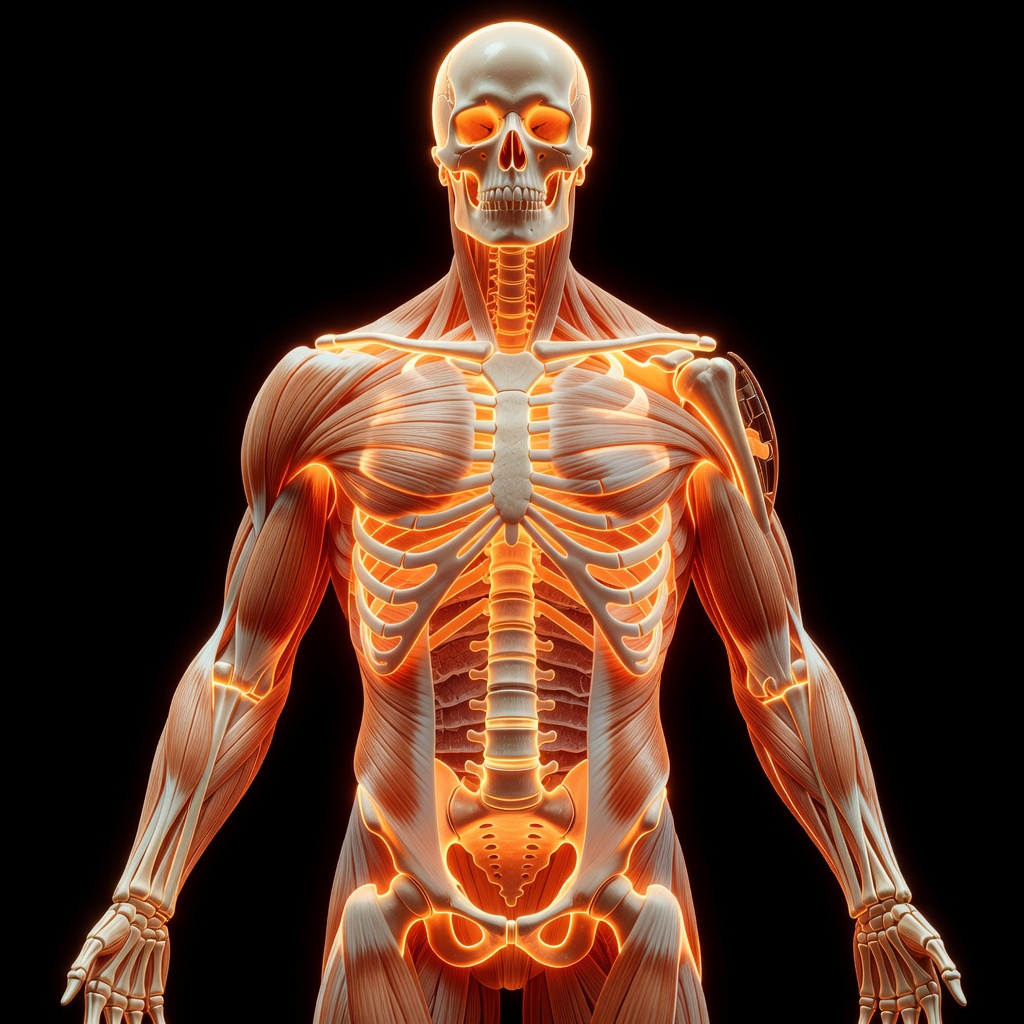
The caudate nucleus acts as a central hub for integrating sensory information and motor planning. Under normative functioning, it acts as a 'filter,' determining which thoughts and motor sequences are relevant and which should be suppressed. However, in the context of OCD, the integrity of white matter tracts—the highways of the brain—often shows reduced fractional anisotropy, suggesting that the structural pathways facilitating rapid cognitive switching are compromised. ## The Biology of Rigidity. Behavioral rigidity manifests as the inability to shift attention away from intrusive thoughts or the compulsion to repeat ritualistic behaviors. Biologically, this is hypothesized to be a failure of the 'gating' mechanism.
When the connectivity between the orbitofrontal cortex (OFC) and the caudate nucleus is dysregulated, the brain struggles to terminate redundant loops of neural activity. This inability to stop a circuit leads to the 'stuck' sensation characteristic of OCD obsessions. Effectively, the brain's internal 'stop' signal is structurally hindered. ## Root Causes and Plasticity. While genetic predispositions play a role in how these neural architectures are formed, the neuroplastic nature of the brain offers a pathway for intervention. Understanding that this rigidity is a structural outcome—rather than a character flaw—is the first step toward recovery.
Therapeutic modalities such as Cognitive Behavioral Therapy (CBT) and Exposure and Response Prevention (ERP) are believed to work by strengthening alternative synaptic pathways, effectively 'rewiring' the connections that the caudate nucleus relies upon. ## The INNERSTANDING Perspective. Recognizing the caudate nucleus as the epicenter of OCD biology demystifies the experience of being 'trapped.' By shifting our focus from behavioral symptoms to the underlying structural connectivity, we can advocate for more precise, biologically informed treatments. Future research into neurostimulation and targeted pharmaceutical interventions may eventually allow us to repair these connectivity gaps, fostering greater mental flexibility and cognitive freedom.
This article is provided for informational and educational purposes only. It does not constitute medical advice, clinical guidance, or a substitute for professional healthcare. Information reflects cited research at time of publication. Always consult a qualified healthcare professional before acting on any health information.
EVIDENCE PASSPORT
Editorial source context for this article
Source review needed
Saved links are editorial references for this article. They may support specific claims rather than every sentence. Open and assess each source in context. This passport does not independently verify them.
Editorial context
A complete editorial reading has not been recorded for this article, and no source links are saved on its record.
Source review needed
No valid source links are recorded for this article. Supplementary research, where available, is listed separately below.
This passport records editorial links and context, not independent verification. Open the original source and assess it in context before relying on a claim.
Medical Disclaimer
The information in this article is for educational purposes only and does not constitute medical advice, diagnosis, or treatment. Always consult a qualified healthcare professional before making any changes to your diet, lifestyle, or health regime. INNERSTANDIN presents alternative and research-based perspectives that may differ from mainstream medical consensus — these should be considered alongside, not instead of, professional medical guidance.
Read Full DisclaimerContinue the thread
Keep this question moving.
Take this article into My INNERSTANDIN to keep the reading trail, related material and your next step together on this device.
Explore this in the Body Map
Explore related body structures and their educational pages in the interactive Body Map.
Dig deeper in the Library
Free, longform PDF volumes that go beyond headlines into mechanisms and references.