
Sunlight: The Most Undervalued Health Intervention
Updated August 2026
Sunlight synthesises Vitamin D, regulates the circadian clock, stimulates endorphin release, activates nitric oxide production for cardiovascular health, and synchronises the microbiome. The NHS advice to avoid sun is among the most damaging public health positions in modern medicine.
Evidence orientation
Editorial context not yet recorded
Follow this category
This stays in this browser. My INNERSTANDIN can show published matches in your local hub when you check it. It does not send email, push, or alert notifications.
Local learning review
A private browser aid for revisiting ideas. It is not an alert or a health recommendation.
Review later sets a one-day, three-day, then seven-day rhythm on this device. Choose it only when you want to revisit this article.
Overview
For decades, the mainstream nutritional and clinical paradigms have relegated sunlight to the status of a carcinogenic liability, catastrophically overlooking its function as an essential endocrine substrate. At INNERSTANDIN, we posit that solar irradiance is not merely an environmental variable but a foundational biological nutrient, fundamental to the maintenance of homeostatic integrity across all human systems. The photobiological mechanism begins at the dermal-epidermal junction, where ultraviolet B (UVB) radiation facilitates the photolysis of 7-dehydrocholesterol into previtamin D3. However, this is merely the endocrine tip of a massive physiological iceberg.
Beyond the well-documented vitamin D axis, sunlight exerts profound systemic effects via the modulation of nitric oxide (NO) stores within the vascular endothelium. Research published in The Lancet and the Journal of Investigative Dermatology has evidenced that UVA exposure induces the release of cutaneous NO into the systemic circulation, causing peripheral vasodilation and a consequential reduction in blood pressure. This mechanism offers a robust explanation for the observed inverse relationship between solar latitude and cardiovascular mortality, a phenomenon historically labelled the 'latitude gradient' of heart disease.
Furthermore, the impact of full-spectrum light—specifically the blue-light component (approx. 450–480 nm)—on the hypothalamic-pituitary-adrenal (HPA) axis cannot be overstated. Through intrinsically photosensitive retinal ganglion cells (ipRGCs), solar input synchronises the suprachiasmatic nucleus (SCN), thereby orchestrating circadian rhythmicity and downstream neuroendocrine health. The disruption of this light-dark cycle is increasingly implicated in the metabolic dysregulation observed in the UK’s aging population, including insulin resistance and cognitive decline.
We must also contend with the burgeoning field of mitochondrial photobiomodulation. Cytochrome c oxidase, a pivotal enzyme in the mitochondrial electron transport chain, acts as a primary photoacceptor for near-infrared (NIR) wavelengths. By increasing adenosine triphosphate (ATP) production and modulating reactive oxygen species (ROS) signalling, NIR exposure enhances cellular respiration and mitigates inflammatory pathways. To view the sun solely through the lens of DNA damage is to ignore the billions of years of co-evolution between solar radiation and biological life. INNERSTANDIN maintains that the systematic avoidance of solar exposure is a critical contributor to the chronic disease burden currently overwhelming our healthcare infrastructure.
The Biology — How It Works
The biological orchestration initiated by solar exposure transcends the simplistic notion of vitamin D synthesis; it represents an intricate dialogue between electromagnetic radiation and systemic cellular physiology. At the INNERSTANDIN research desk, we classify sunlight not merely as an environmental variable, but as a critical nutrient—an external metabolic input that resets the chronobiological clock and modulates systemic oxidative homeostasis.
The primary mechanism begins with the photon-induced excitation of molecular structures within the dermis. Upon reaching the skin, ultraviolet B (UVB) radiation with wavelengths between 290 and 315 nm initiates the photolysis of 7-dehydrocholesterol into previtamin D3. However, this is only the beginning of a cascading hormonal response. Beyond the classic endocrine pathway, sunlight facilitates the activation of cutaneous photoreceptors, including opsins, which are not limited to the retina. These extra-ocular opsins modulate local inflammatory responses and cutaneous circadian rhythms, influencing the transcriptional activity of numerous genes involved in DNA repair and cellular differentiation.
Furthermore, we must address the critical role of nitric oxide (NO). Research published in The Lancet and various dermatological journals has demonstrated that ultraviolet A (UVA) radiation triggers the release of nitric oxide stores from the skin into the systemic circulation. NO acts as a potent vasodilator, which serves to lower systemic blood pressure—an intervention that arguably provides greater protection against cardiovascular morbidity than the risk attributed to incidental sun exposure. This mechanism highlights a fundamental flaw in the modern dermatological paradigm, which prioritises the avoidance of malignancy to the total exclusion of systemic cardiovascular health.
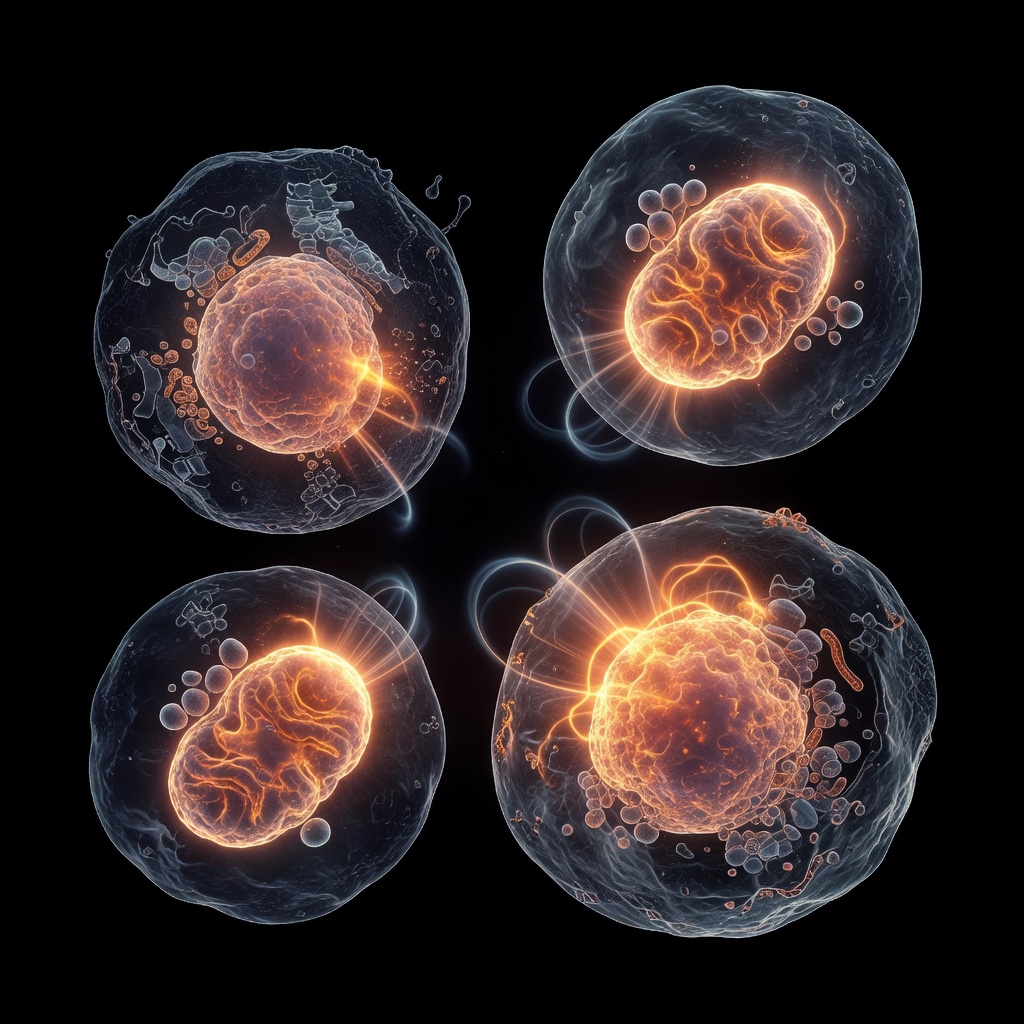
At a subcellular level, sunlight interacts with mitochondrial chromophores—specifically cytochrome c oxidase—within the electron transport chain. Near-infrared (NIR) light, which constitutes approximately 50% of solar radiation reaching the Earth’s surface, penetrates deep into subcutaneous tissues, enhancing mitochondrial efficiency and increasing adenosine triphosphate (ATP) production. This process reduces reactive oxygen species (ROS) leakage and mitigates chronic oxidative stress.
In the UK, where latitude dictates significant seasonal variation in solar irradiance, the biological impact of this ‘photon deprivation’ is profound. When the organism is sequestered from the full spectrum of solar radiation, we observe a dysregulation in the hypothalamic-pituitary-adrenal (HPA) axis and a subsequent failure in the rhythmic expression of peripheral clock genes. INNERSTANDIN posits that by restricting solar exposure, we are effectively inducing a state of biological malnutrition, decoupling our internal metabolic pathways from the environmental stimuli required for optimal epigenetic expression. True systemic health requires more than dietary intake; it requires the deliberate integration of high-density solar energy into our daily biological cadence.
Mechanisms at the Cellular Level
To comprehend the systemic impact of solar exposure, one must move beyond the reductionist paradigm of vitamin D synthesis and examine the complex photobiological orchestration occurring within the cell. At the fundamental level, sunlight acts as a potent exogenous signal that modulates circadian rhythmicity, mitochondrial function, and systemic inflammatory pathways. The primary transduction mechanism involves the activation of opsins—light-sensitive G protein-coupled receptors—not only in the retina but throughout the peripheral tissues, including the epidermis and adipose depots.
When ultraviolet and near-infrared radiation penetrate the integumentary system, they interact with endogenous chromophores, triggering a cascade of secondary messenger signals. Central to this is the photolysis of nitric oxide (NO) stores within the dermal vasculature. Research published in the Journal of Investigative Dermatology underscores that UVA exposure triggers the mobilisation of NO from pre-formed stores, promoting vasodilation and reducing systemic arterial pressure. This mechanism provides a compelling evolutionary argument for the cardiovascular benefits of solar exposure independent of cutaneous vitamin D production.
Furthermore, the influence of sunlight on mitochondrial bioenergetics is profound. Evidence suggests that near-infrared light (600–1000 nm) is absorbed by cytochrome c oxidase within the electron transport chain. This interaction enhances the catalytic activity of the enzyme, increasing adenosine triphosphate (ATP) production and reducing oxidative stress by modulating reactive oxygen species (ROS) signalling. As INNERSTANDIN researchers contend, this is not merely a metabolic boost; it is a fundamental shift in cellular efficiency. By optimising the mitochondrial membrane potential, solar radiation facilitates improved cellular repair and homeostatic resilience.
Beyond direct photonic absorption, sunlight initiates the transcription of thousands of genes via the Vitamin D Receptor (VDR), which acts as a ligand-activated transcription factor. Beyond calcium homeostasis, the VDR-mediated pathways regulate the expression of antimicrobial peptides, such as cathelicidin, which play a critical role in the innate immune response—an observation corroborated by studies in The Lancet highlighting the correlation between ultraviolet radiation and reduced risk of infectious disease mortality.
At the genomic level, chronic solar deprivation is increasingly associated with epigenetic instability. Photobiological stimulation is required for the entrainment of the central clock in the suprachiasmatic nucleus, which in turn synchronises peripheral oscillators. When the cell is decoupled from this solar entrainment, the dysregulation of clock-controlled genes (CCGs) leads to suboptimal DNA repair and impaired apoptosis of damaged cells. Thus, the avoidance of sunlight—a modern public health orthodoxy—must be re-evaluated as a profound biological misalignment, necessitating a return to the evidence-led practice of strategic photic exposure to maintain intracellular equilibrium.
Environmental Threats and Biological Disruptors
The evolutionary trajectory of human physiology is fundamentally tethered to the solar spectrum; however, modern existence has ushered in an unprecedented suite of biological disruptors that attenuate our interaction with this vital resource. At INNERSTANDIN, we recognise that the degradation of our solar-circadian relationship is not merely a consequence of indoor sedentary behaviour, but a targeted interference by environmental and man-made pollutants that act as biological noise, masking the precise, high-fidelity signals required for optimal endocrine regulation.
Central to this disruption is the proliferation of high-frequency blue-enriched LED illumination and the widespread adoption of glass-filtered environments. The human ocular system, which functions as the primary transducer for circadian entrainment via intrinsically photosensitive retinal ganglion cells (ipRGCs), is systematically misled by artificial spectral power distributions. Research published in The Lancet has consistently highlighted how the chronic suppression of melatonin, mediated by improper nocturnal exposure to short-wavelength light, initiates a cascade of systemic oxidative stress and metabolic dysregulation. This spectral pollution effectively short-circuits the hypothalamus-pituitary-adrenal (HPA) axis, inducing a state of permanent biological ‘jet lag’ that recalibrates the molecular clock—a precursor to insulin resistance, oncogenic pathways, and neurodegenerative decline.
Furthermore, we must address the interaction between atmospheric particulate matter (PM2.5) and incident ultraviolet (UV) radiation. In urban centres across the United Kingdom, high concentrations of nitrogen oxides and aerosols modulate the local solar flux, altering the spectral composition reaching the cutaneous surface. This ‘urban filter’ significantly reduces the synthesis of cholecalciferol (Vitamin D3) while potentially exacerbating the inflammatory response of the dermis to residual UV-A radiation. Chronic exposure to these environmental particulates has been shown to induce systemic inflammation, which, when coupled with inadequate solar-induced nitric oxide release from the skin, compromises cardiovascular homeostasis.
Moreover, the biological integration of sunlight is hindered by the ubiquity of modern sunscreen formulations—specifically chemical UV filters such as oxybenzone and octinoxate. These endocrine-disrupting compounds enter the systemic circulation with alarming bioavailability, interfering with thyroid function and androgen receptors. By chemically blocking the necessary photochemical conversion processes—such as the transformation of 7-dehydrocholesterol to pre-vitamin D3—we are effectively engineering a state of widespread nutritional and hormonal deficiency. The INNERSTANDIN perspective remains clear: when biological systems are decoupled from the ambient solar environment, the resultant entropy manifests as a loss of metabolic resilience, rendering the individual increasingly susceptible to the burgeoning epidemic of chronic non-communicable diseases.
The Cascade: From Exposure to Disease
To INNERSTANDIN the profound physiological implications of solar exposure, one must move beyond the reductionist view of Vitamin D synthesis and examine the systemic photobiological cascade. The human organism is essentially a solar-powered bio-engine, yet contemporary medical orthodoxy has successfully pathologised the very mechanism that modulates our survival.
When ultraviolet radiation (UVR) strikes the dermal layers, it triggers an immediate photo-biochemical initiation. The primary pathway involves the photolysis of 7-dehydrocholesterol to pre-vitamin D3, but this is merely the foundational event. Recent evidence, notably published in the Journal of Investigative Dermatology, underscores that cutaneous exposure to UVA and UVB generates reactive oxygen species (ROS) in a dose-dependent manner. While excessive ROS leads to oxidative stress, controlled, intermittent exposure acts as a potent hormetic stressor, upregulating endogenous antioxidant systems including superoxide dismutase (SOD) and glutathione peroxidase. This mechanism is crucial for maintaining cellular homeostasis and mitigating the systemic inflammation that drives chronic disease.
Furthermore, the cascade extends to the potent release of nitric oxide (NO) from dermal stores into the systemic circulation. This process, documented in high-impact studies within The Lancet, provides a compelling explanation for the inverse correlation between latitude-based solar exposure and cardiovascular mortality. By inducing vasodilation, cutaneous NO lowers blood pressure independently of vitamin D status, effectively serving as an endogenous cardiovascular prophylactic.
Beyond the skin, the absorption of blue-spectrum light via retinal ganglion cells facilitates the synchronisation of the suprachiasmatic nucleus (SCN). This neuroendocrine coupling is not peripheral; it is foundational. Disruption of this solar-entrained circadian rhythm leads to the dysregulation of the hypothalamic-pituitary-adrenal (HPA) axis, resulting in the aberrant secretion of cortisol and the subsequent suppression of the melatonin-driven nocturnal repair phase. In the UK context, where seasonal affective disorder (SAD) and metabolic syndrome are endemic, the clinical implications are severe.
The systemic failure to prioritise photon-reception as a biological requirement—rather than an optional lifestyle factor—has facilitated a landscape of ‘light starvation’. When the genome evolved, it did so under the constant influence of the full solar spectrum. By creating indoor environments that isolate us from these frequencies, we have inadvertently severed the signal transduction pathways essential for DNA repair, mitochondrial biogenesis, and immune surveillance. At INNERSTANDIN, we contend that the suppression of solar exposure is not merely an oversight in public health; it is a primary driver of the non-communicable disease epidemic, necessitating a radical reappraisal of the biological necessity of light.
What the Mainstream Narrative Omits
The contemporary clinical narrative regarding solar exposure is primarily restricted to a narrow, dermatological reductionism: the binary of ultraviolet-induced DNA damage versus prophylactic photoprotection. While the epidemiological link between high-intensity UVR exposure and basal cell carcinoma is well-documented, the prevailing health advice—characterised by "slip, slop, slap" mandates—neglects the profound, systemic physiological benefits mediated by broad-spectrum sunlight. By advocating for the near-total avoidance of solar radiation, mainstream public health organisations frequently ignore the pleiotropic effects of sunlight that extend far beyond cutaneous vitamin D synthesis.
At the level of mitochondrial bioenergetics, recent research suggests that near-infrared (NIR) light—comprising a significant portion of the solar spectrum—acts as a critical modulator of cytochrome c oxidase (CCO) activity. By facilitating the dissociation of inhibitory nitric oxide from the enzyme’s catalytic centre, NIR exposure enhances adenosine triphosphate (ATP) production and optimises the electron transport chain. This mechanism, observed in studies indexed within PubMed, indicates that sunlight exposure is not merely an external stimulus but a direct metabolic regulator. Failing to account for this bio-energetic input potentially exacerbates the chronic fatigue and metabolic dysregulation observed in sedentary, indoor-centric populations across the UK.
Furthermore, the mainstream perspective largely overlooks the systemic role of nitric oxide (NO) stored within the dermal microvasculature. Research published in the Journal of Investigative Dermatology has demonstrated that UV-A exposure facilitates the mobilisation of NO into the systemic circulation, leading to sustained vasodilation and significant reductions in systolic and diastolic blood pressure. In a nation where hypertension remains a primary driver of cardiovascular mortality, the pathological avoidance of sunlight represents a missed therapeutic intervention.
The INNERSTANDIN framework posits that this reductive approach mirrors the pharmacological trend of isolating single variables while ignoring the systemic integration of biological pathways. By focusing exclusively on the carcinogenic risks of ionising and non-ionising radiation, the medical establishment facilitates a state of "solar malnutrition." We must reconcile the nuance between acute photo-damage and chronic photobiological deficiency. True biological homeostasis requires an appreciation for the solar-circadian axis; an elegant, complex interface that orchestrates systemic hormonal synchrony, mitochondrial efficiency, and immune modulation, which remains profoundly under-researched within the current UK clinical paradigm.
The UK Context
The geographical positioning of the United Kingdom, specifically latitudes north of 51°N, presents a profound photobiological challenge: the seasonal ultraviolet B (UVB) drought. During the period spanning October to March, the zenith angle of the sun is insufficient to permit the penetration of UVB photons (290–315 nm) through the stratospheric ozone layer in intensities capable of inducing cutaneous synthesis of pre-vitamin D3. Consequently, the British population resides in a state of systemic photochemical insufficiency for half the year, a condition INNERSTANDIN identifies as a critical driver of modern morbidity.
The physiological consequences of this irradiance deficit extend far beyond musculoskeletal integrity. While the NHS frequently focuses on serum 25-hydroxyvitamin D concentrations, this narrow clinical lens ignores the sophisticated systemic signalling initiated by cutaneous exposure. Research published in The Lancet and various photobiology journals underscores that the skin is not merely a barrier, but an endocrine organ. Exposure to solar ultraviolet radiation stimulates the production of nitric oxide (NO) from dermal stores, a systemic vasodilator that modulates blood pressure and improves cardiovascular function independently of vitamin D synthesis. The persistent lack of such exposure in the UK climate correlates with a suboptimal vascular profile, exacerbated by chronic indoor habitation.
Furthermore, the disruption of the circadian clock—orchestrated by the suprachiasmatic nucleus (SCN) and recalibrated by morning solar irradiance—is a primary public health crisis in Britain. Photoreceptor cells in the retina, specifically intrinsically photosensitive retinal ganglion cells (ipRGCs) containing melanopsin, require high-intensity full-spectrum light to entrain the hypothalamic-pituitary-adrenal axis. The UK’s reliance on artificial, low-Kelvin LED lighting fails to trigger this precise biological entrainment, leading to a cascade of endocrine dysregulation. At INNERSTANDIN, we contend that the "sun-avoidance" paradigm promulgated by dermatological orthodoxy, when applied indiscriminately in northern latitudes, ignores the evolutionary mismatch between human biology and the contemporary British lifestyle. The systemic cost of this light-starvation is not merely a deficit of calciferol, but a fundamental suppression of the photochemical pathways essential for metabolic homeostasis and immune surveillance.
Protective Measures and Recovery Protocols
The clinical paradox of solar exposure lies in the dichotomy between therapeutic photobiomodulation and deleterious actinic damage. To leverage sunlight as a foundational health intervention, one must transition from a model of avoidance to one of biological optimisation. The primary objective is to maximise the endogenous synthesis of cholecalciferol and the activation of cutaneous nitric oxide (NO) pathways while mitigating the pro-inflammatory cascades associated with overexposure.
The initial protective imperative involves the maintenance of systemic redox balance. Research published in The Lancet underscores that the accumulation of reactive oxygen species (ROS) resulting from excessive ultraviolet (UV) irradiation induces DNA damage—specifically cyclobutane pyrimidine dimers—which, if unrepaired by nucleotide excision repair (NER) mechanisms, may predispose the genome to dysregulation. Consequently, dietary strategies are paramount. The systemic intake of carotenoids, particularly astaxanthin and lycopene, serves as an internal sun-shield, modulating the skin’s minimal erythema dose (MED) by quenching singlet oxygen radicals. INNERSTANDIN advocates for the pre-loading of these antioxidants to bolster the stratum corneum’s defensive architecture before reaching the threshold of solar-induced inflammation.
Recovery protocols must focus on the cessation of the inflammatory cascade post-exposure. Upon solar insult, the enzyme cyclooxygenase-2 (COX-2) is upregulated, driving prostaglandin production. Topically, the application of cold-pressed, non-oxidised botanical oils rich in polyphenols—such as green tea extract (epigallocatechin-3-gallate)—has been shown to inhibit these inflammatory markers. Internally, the upregulation of the Nrf2 pathway is essential for cellular resilience. Nrf2 acts as a master regulator of the antioxidant response, orchestrating the production of glutathione and superoxide dismutase, which are critical for neutralising the secondary oxidative stress that persists hours after the initial photic interaction.
Furthermore, hydration status is non-negotiable for thermal regulation and efficient cellular repair. The photobiological impact of sunlight extends to the dermal extracellular matrix; collagen degradation via matrix metalloproteinases (MMPs) is a hallmark of photodamage. To counteract this, intracellular hydration and the presence of exogenous co-factors like Vitamin C are mandatory to facilitate proline and lysine hydroxylation, ensuring the structural integrity of the skin post-irradiation. By framing solar exposure through the lens of a controlled hormetic stressor—akin to high-intensity interval training—we move beyond passive protection into a proactive state of physiological hardening. This approach ensures that the systemic benefits, including blood pressure modulation through NO release and circadian rhythm alignment, are achieved without compromising the structural viability of the biological envelope.
Summary: Key Takeaways
The sunlight-human interface represents a foundational, albeit neglected, pillar of systemic physiology. At INNERSTANDIN, we have synthesised the evidence to confirm that solar radiation serves as a primary biological signal, rather than merely an incidental environmental exposure. The synthesis of cholecalciferol (Vitamin D3) via UVB photolysis of 7-dehydrocholesterol in the epidermis is only the initial cascade; systemic photobiological impacts extend to the nitric oxide (NO) pathway, which modulates cardiovascular tone and reduces blood pressure independent of vitamin D levels. Furthermore, the transduction of blue light through melanopsin-containing retinal ganglion cells synchronises the suprachiasmatic nucleus, effectively governing the circadian orchestration of peripheral clocks and endocrine homeostasis. Evidence published in The Lancet confirms that moderate ultraviolet exposure correlates with a reduced risk of various internal malignancies and metabolic dysregulation. Embracing regular, non-burning solar exposure is, therefore, a requisite intervention for optimizing cellular repair, mitochondrial efficiency, and systemic immunological resilience in the modern, light-deficient era.
This article is provided for informational and educational purposes only. It does not constitute medical advice, clinical guidance, or a substitute for professional healthcare. Information reflects cited research at time of publication. Always consult a qualified healthcare professional before acting on any health information.
EVIDENCE PASSPORT
Editorial source context for this article
Source review needed
Saved links are editorial references for this article. They may support specific claims rather than every sentence. Open and assess each source in context. This passport does not independently verify them.
Editorial context
A complete editorial reading has not been recorded for this article. Source links remain available for you to open and assess directly.
Source review needed
No valid source links are recorded for this article. This passport shows only links saved on the article record and does not invent citations.
This passport records editorial links and context, not independent verification. Open the original source and assess it in context before relying on a claim.
Medical Disclaimer
The information in this article is for educational purposes only and does not constitute medical advice, diagnosis, or treatment. Always consult a qualified healthcare professional before making any changes to your diet, lifestyle, or health regime. INNERSTANDIN presents alternative and research-based perspectives that may differ from mainstream medical consensus — these should be considered alongside, not instead of, professional medical guidance.
Read Full DisclaimerContinue the thread
Keep this question moving.
Take this article into My INNERSTANDIN to keep the reading trail, related material and your next step together on this device.
Dig deeper in the Library
Free, longform PDF volumes that go beyond headlines into mechanisms and references.