
Synaptic-Like Bioelectric Signaling in Non-Neural Tissues During Structural Regeneration
Discuss this resourceUpdated August 2026
An exploration into how non-neural cells utilize neurotransmitter-like bioelectric pulses to orchestrate complex morphological development and tissue repair, challenging the traditional neuro-centric view of information processing.
Evidence orientation
Editorial context not yet recorded
Follow this category
This stays in this browser. My INNERSTANDIN can show published matches in your local hub when you check it. It does not send email, push, or alert notifications.
Local learning review
A private browser aid for revisiting ideas. It is not an alert or a health recommendation.
Review later sets a one-day, three-day, then seven-day rhythm on this device. Choose it only when you want to revisit this article.
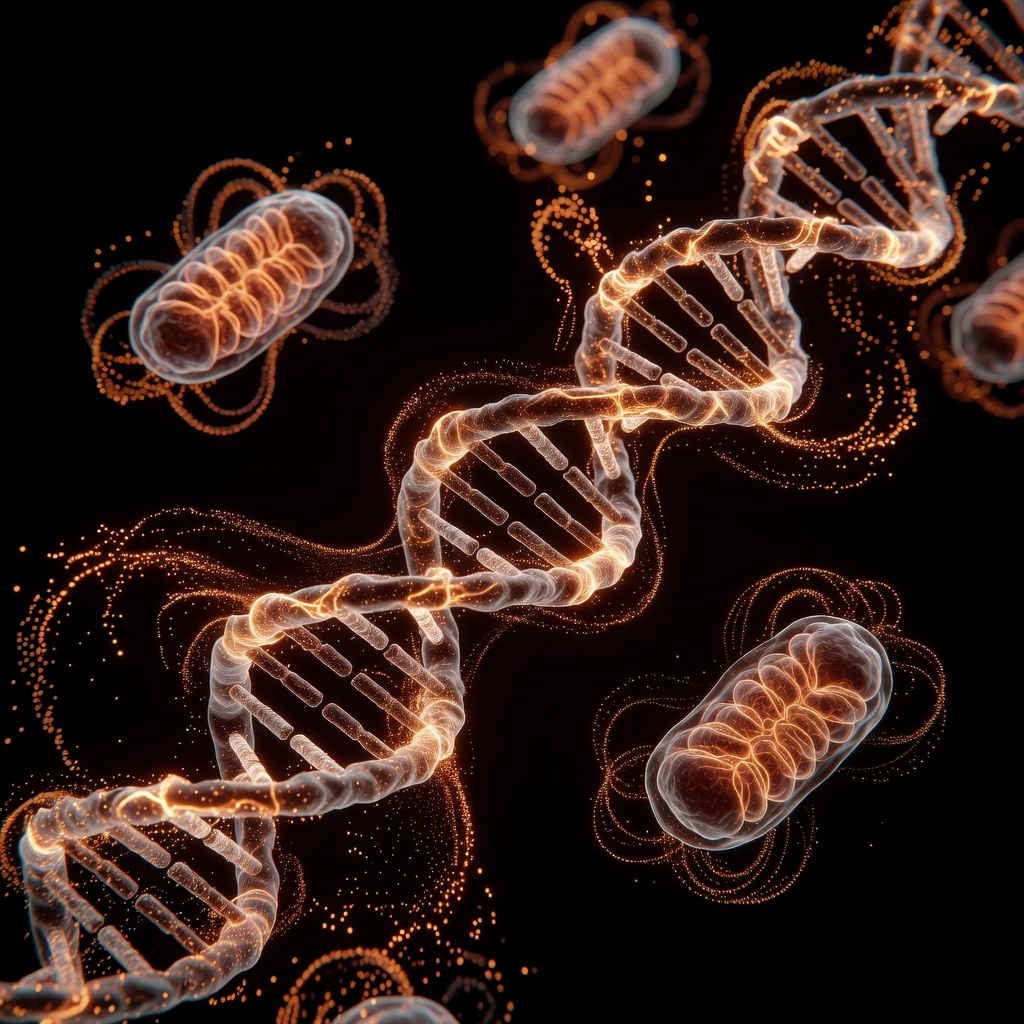
The Hidden Language of Cells: Beyond the Nervous System
For decades, biological science has operated under the paradigm that complex signaling and 'decision-making' are the exclusive domains of the nervous system. We view neurons as the architects of communication, firing synaptic signals to coordinate movement, thought, and sensation. However, emerging research in the field of bioelectricity reveals a profound secret: the cells comprising our muscles, skin, and organs are constantly whispering to one another through a language strikingly similar to neural synapses.
The Bioelectric Blueprint
Every cell in the human body acts as a miniature battery. By maintaining an uneven distribution of ions—such as potassium, sodium, and chloride—across their membranes, cells establish a resting membrane potential. In non-neural tissues, these potentials are not merely static energy stores; they are dynamic, programmable communication channels. During the process of structural regeneration, these cells shift their electrical state, forming what are known as 'bioelectric circuits.'
Synaptic-Like Mechanisms in Non-Neural Spaces
What makes this discovery so significant is the discovery of 'synaptic-like' behavior in non-neural tissues. These tissues express ion channels, gap junctions, and even neurotransmitter receptors—components typically associated with brain cells. During injury, a wound site initiates an 'injury potential.' This is an electrical shift that acts as a blueprint for reconstruction. By utilizing neurotransmitters like serotonin, dopamine, and acetylcholine to bridge the gap between cells, the body can pass complex information about polarity, size, and shape to growing cells.
Why This Matters for Regeneration
Traditional medicine often focuses on the biochemical or genetic triggers of repair. Yet, if the bioelectric 'map' is corrupted, genetic signaling may fail to build the structure correctly. By treating the tissue's bioelectric state as a root-cause variable, we can begin to understand why some tissues fail to regenerate. If we can 'reprogram' the bioelectric signaling in a damaged limb or organ, we might theoretically guide the body to reorganize itself into its original structural integrity.
The Root-Cause Paradigm
At INNERSTANDING, we believe that true health is found by looking beneath the symptoms. Bioelectric signaling represents the 'software' of the body's hardware. When we suffer from chronic tissue degeneration, we must ask not just what chemical is missing, but what signal is being misinterpreted by the cellular collective. These synaptic-like pulses are the instructions for cellular identity. By optimizing the bioelectric environment, we support the body's innate, evolutionary capacity for self-repair.
Future Horizons
The marriage of bioengineering and regenerative medicine holds the potential to move beyond invasive surgeries. By utilizing localized ion-channel modulation, scientists are already demonstrating that we can force amputated limbs to regrow in experimental models. This is not science fiction; it is the fundamental application of the bioelectric code that drives all morphogenesis. As we continue to decode these synaptic signals in non-neural tissues, we transition from repairing parts to restoring the underlying information systems of life itself.
This article is provided for informational and educational purposes only. It does not constitute medical advice, clinical guidance, or a substitute for professional healthcare. Information reflects cited research at time of publication. Always consult a qualified healthcare professional before acting on any health information.
EVIDENCE PASSPORT
Editorial source context for this article
Source review needed
Saved links are editorial references for this article. They may support specific claims rather than every sentence. Open and assess each source in context. This passport does not independently verify them.
Editorial context
A complete editorial reading has not been recorded for this article, and no source links are saved on its record.
Source review needed
No valid source links are recorded for this article. Supplementary research, where available, is listed separately below.
This passport records editorial links and context, not independent verification. Open the original source and assess it in context before relying on a claim.
Medical Disclaimer
The information in this article is for educational purposes only and does not constitute medical advice, diagnosis, or treatment. Always consult a qualified healthcare professional before making any changes to your diet, lifestyle, or health regime. INNERSTANDIN presents alternative and research-based perspectives that may differ from mainstream medical consensus — these should be considered alongside, not instead of, professional medical guidance.
Read Full DisclaimerContinue the thread
Keep this question moving.
Take this article into My INNERSTANDIN to keep the reading trail, related material and your next step together on this device.
Explore this in the Body Map
Explore related body structures and their educational pages in the interactive Body Map.
Dig deeper in the Library
Free, longform PDF volumes that go beyond headlines into mechanisms and references.