
Systemic Detoxification: The Role of Zeolite Aluminosilicates in Reducing Endogenous Bio-Accumulation
Discuss this resourceUpdated August 2026
An exploration of zeolite clinoptilolite's unique structure in capturing heavy metals and environmental toxins to support systemic health and mitigate bio-accumulation.
Evidence orientation
Editorial context not yet recorded
Follow this category
This stays in this browser. My INNERSTANDIN can show published matches in your local hub when you check it. It does not send email, push, or alert notifications.
Local learning review
A private browser aid for revisiting ideas. It is not an alert or a health recommendation.
Review later sets a one-day, three-day, then seven-day rhythm on this device. Choose it only when you want to revisit this article.
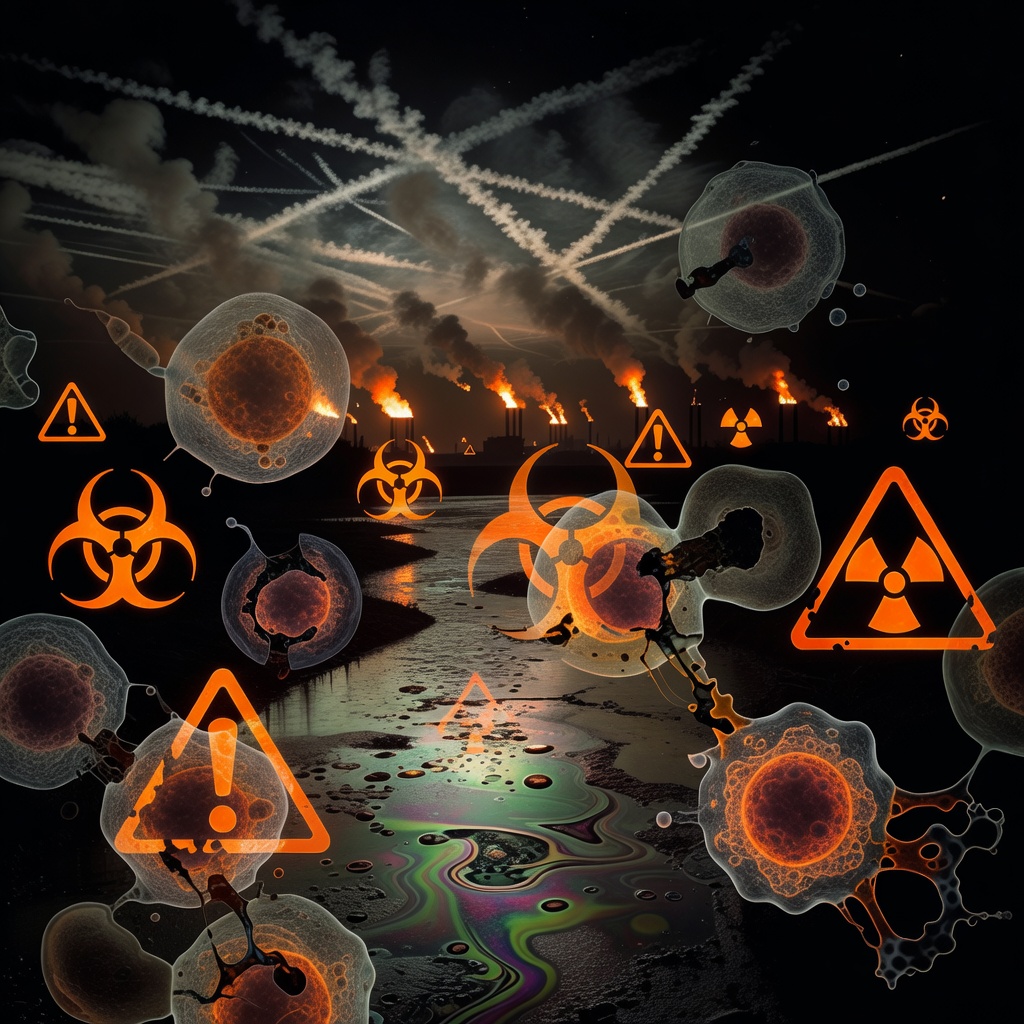
# The Root Cause: Endogenous Bio-Accumulation In the modern era, our bodies act as biological repositories for a vast array of environmental toxins. From heavy metals like lead and mercury to microplastics and industrial pollutants, these substances often resist natural excretion, leading to what we define as 'endogenous bio-accumulation.' This internal toxic burden creates chronic inflammatory cascades, disrupting metabolic efficiency and immune function. At INNERSTANDING, we believe that true wellness requires addressing the root cause: the continuous load of environmental toxins held within our tissues. # Understanding Zeolite Aluminosilicates Zeolites are volcanic minerals formed from the reaction of lava with alkaline groundwater. Specifically, clinoptilolite—the most common form used in human health—possesses a unique, honeycomb-like crystalline structure.
This structural geometry creates a negative surface charge, which acts as a molecular magnet. Because most heavy metals and environmental toxins possess a positive charge, the zeolite traps these particles within its cage-like framework, carrying them safely through the digestive tract before they are excreted. # The Mechanism of Action Unlike traditional chelation therapy, which can sometimes indiscriminately strip the body of vital minerals, high-quality pharmaceutical-grade zeolite is generally considered safer for sustained use. Because the mineral itself is not absorbed into the bloodstream, it functions primarily within the gastrointestinal lumen. By creating a 'concentration gradient' in the gut, zeolite pulls toxic debris out of the systemic circulation and into the intestinal tract through a process of ion exchange. # Supporting the Body's Natural Drainage Pathways Detoxification is not merely about pulling toxins out; it is about ensuring they have a route of exit.
By reducing the overall systemic load, zeolite allows the liver and kidneys to function with less 'interference.' When the body is constantly fighting heavy metal toxicity, these primary drainage organs are overwhelmed. Zeolite provides a form of 'environmental relief,' allowing the body’s innate detoxification systems to recover their baseline function. # Practical Integration and Safety To maximize the efficacy of zeolite, one must focus on hydration and gut health. Without adequate water intake, the movement of the mineral through the digestive tract may slow, potentially leading to constipation. Furthermore, we recommend a root-cause approach that pairs zeolite with activated charcoal or humic/fulvic acids for a multi-layered binding effect.
Always consult with a qualified health practitioner to ensure that mineral supplementation aligns with your unique physiological profile. At INNERSTANDING, we advocate for slow, consistent detoxification rather than aggressive 'quick fixes.' By addressing the cumulative effect of the environment on our biology, we can reclaim systemic resilience.
This article is provided for informational and educational purposes only. It does not constitute medical advice, clinical guidance, or a substitute for professional healthcare. Information reflects cited research at time of publication. Always consult a qualified healthcare professional before acting on any health information.
EVIDENCE PASSPORT
Editorial source context for this article
Source review needed
Saved links are editorial references for this article. They may support specific claims rather than every sentence. Open and assess each source in context. This passport does not independently verify them.
Editorial context
A complete editorial reading has not been recorded for this article, and no source links are saved on its record.
Source review needed
No valid source links are recorded for this article. Supplementary research, where available, is listed separately below.
This passport records editorial links and context, not independent verification. Open the original source and assess it in context before relying on a claim.
Medical Disclaimer
The information in this article is for educational purposes only and does not constitute medical advice, diagnosis, or treatment. Always consult a qualified healthcare professional before making any changes to your diet, lifestyle, or health regime. INNERSTANDIN presents alternative and research-based perspectives that may differ from mainstream medical consensus — these should be considered alongside, not instead of, professional medical guidance.
Read Full DisclaimerContinue the thread
Keep this question moving.
Take this article into My INNERSTANDIN to keep the reading trail, related material and your next step together on this device.
Explore this in the Body Map
Explore related body structures and their educational pages in the interactive Body Map.
Dig deeper in the Library
Free, longform PDF volumes that go beyond headlines into mechanisms and references.