
Systemic Immune Dysregulation: Analyzing the Role of Chronic Neuroinflammation in Synaptic Pruning
Discuss this resourceUpdated August 2026
This article explores the biological intersection between systemic immune dysregulation and atypical synaptic pruning in autism spectrum disorders, focusing on the root-cause role of chronic neuroinflammation.
Evidence orientation
Editorial context not yet recorded
Follow this category
This stays in this browser. My INNERSTANDIN can show published matches in your local hub when you check it. It does not send email, push, or alert notifications.
Local learning review
A private browser aid for revisiting ideas. It is not an alert or a health recommendation.
Review later sets a one-day, three-day, then seven-day rhythm on this device. Choose it only when you want to revisit this article.
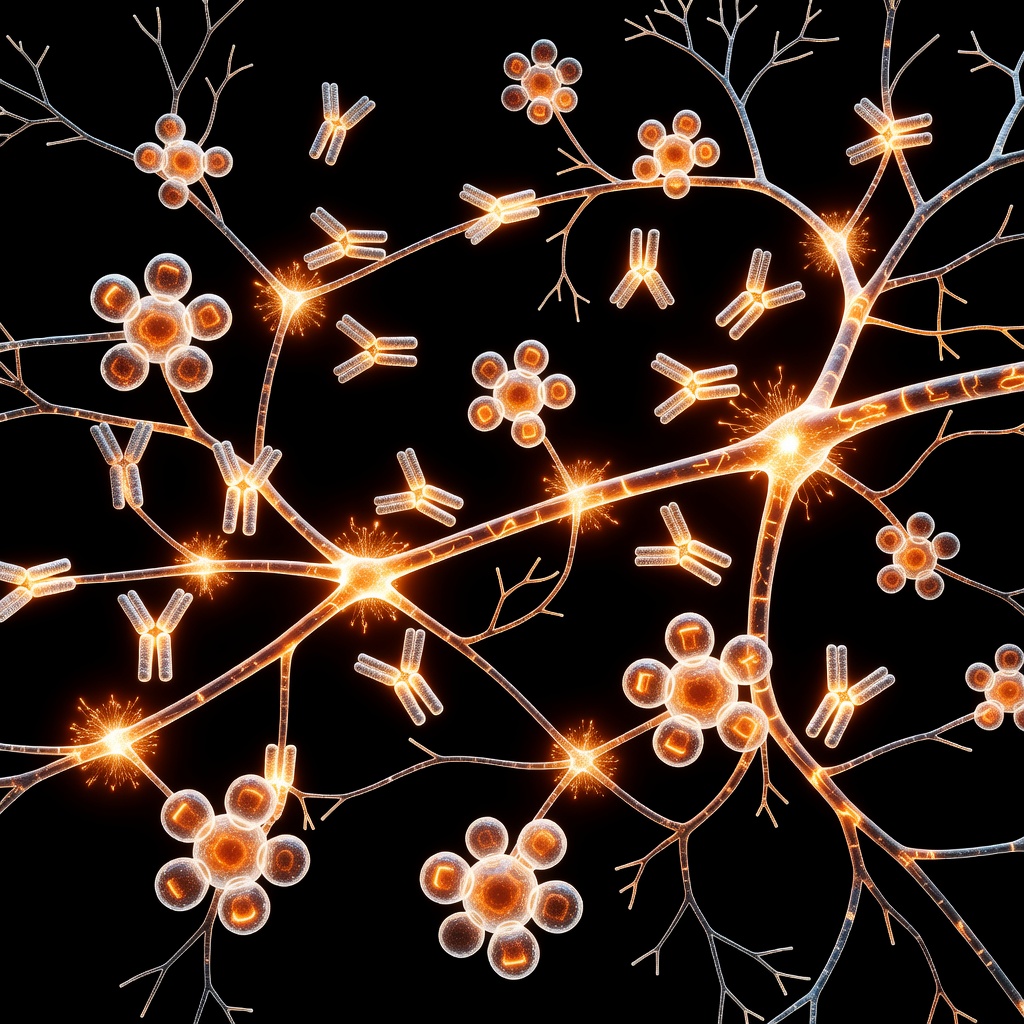
# The Biological Landscape: Systemic Immune Dysregulation and Synaptic Pruning. Recent advancements in neuro-immunology have shifted our understanding of autism spectrum disorders from purely neurodevelopmental to neuro-immunological. At the center of this dialogue is the process of synaptic pruning. ## The Mechanism of Synaptic Pruning. During typical development, the brain undergoes a critical period of synaptic refinement.
Microglia, the resident immune cells of the brain, prune excess or weak synaptic connections to optimize neural efficiency. This process is orchestrated by the complement system, a branch of the innate immune response. ## The Neuroinflammatory Trigger. In instances of systemic immune dysregulation, the blood-brain barrier becomes compromised. Persistent elevation of pro-inflammatory cytokines—often stemming from gut dysbiosis or chronic oxidative stress—activates microglia into a 'primed' or reactive state.
When these cells remain in a state of chronic inflammation, they lose their homeostatic regulatory capacity. Instead of precise pruning, reactive microglia may trigger excessive synaptic engulfment or fail to prune crucial pathways, leading to the hyper-connectivity or circuit imbalances observed in autism. ## Root Cause Analysis. Addressing the neuro-immune axis requires looking beyond the brain. Systemic inflammation is frequently driven by metabolic dysfunction and environmental stressors that perpetuate immune reactivity.
By identifying the root causes—such as gut health optimization and reduction of systemic inflammatory markers—we may modulate the neuro-immune environment and support healthy neural circuit maturation.
This article is provided for informational and educational purposes only. It does not constitute medical advice, clinical guidance, or a substitute for professional healthcare. Information reflects cited research at time of publication. Always consult a qualified healthcare professional before acting on any health information.
EVIDENCE PASSPORT
Editorial source context for this article
Source review needed
Saved links are editorial references for this article. They may support specific claims rather than every sentence. Open and assess each source in context. This passport does not independently verify them.
Editorial context
A complete editorial reading has not been recorded for this article, and no source links are saved on its record.
Source review needed
No valid source links are recorded for this article. Supplementary research, where available, is listed separately below.
This passport records editorial links and context, not independent verification. Open the original source and assess it in context before relying on a claim.
Medical Disclaimer
The information in this article is for educational purposes only and does not constitute medical advice, diagnosis, or treatment. Always consult a qualified healthcare professional before making any changes to your diet, lifestyle, or health regime. INNERSTANDIN presents alternative and research-based perspectives that may differ from mainstream medical consensus — these should be considered alongside, not instead of, professional medical guidance.
Read Full DisclaimerContinue the thread
Keep this question moving.
Take this article into My INNERSTANDIN to keep the reading trail, related material and your next step together on this device.
Explore this in the Body Map
Explore related body structures and their educational pages in the interactive Body Map.
Dig deeper in the Library
Free, longform PDF volumes that go beyond headlines into mechanisms and references.