
Systemic Inflammation and Lymphatic Node Congestion: Investigating the Root Causes of Mastalgia
Discuss this resourceUpdated August 2026
An in-depth exploration of how systemic inflammation and impaired lymphatic drainage contribute to chronic breast pain, and how foundational lifestyle changes can restore breast health.
Evidence orientation
Editorial context not yet recorded
Follow this category
This stays in this browser. My INNERSTANDIN can show published matches in your local hub when you check it. It does not send email, push, or alert notifications.
Local learning review
A private browser aid for revisiting ideas. It is not an alert or a health recommendation.
Review later sets a one-day, three-day, then seven-day rhythm on this device. Choose it only when you want to revisit this article.
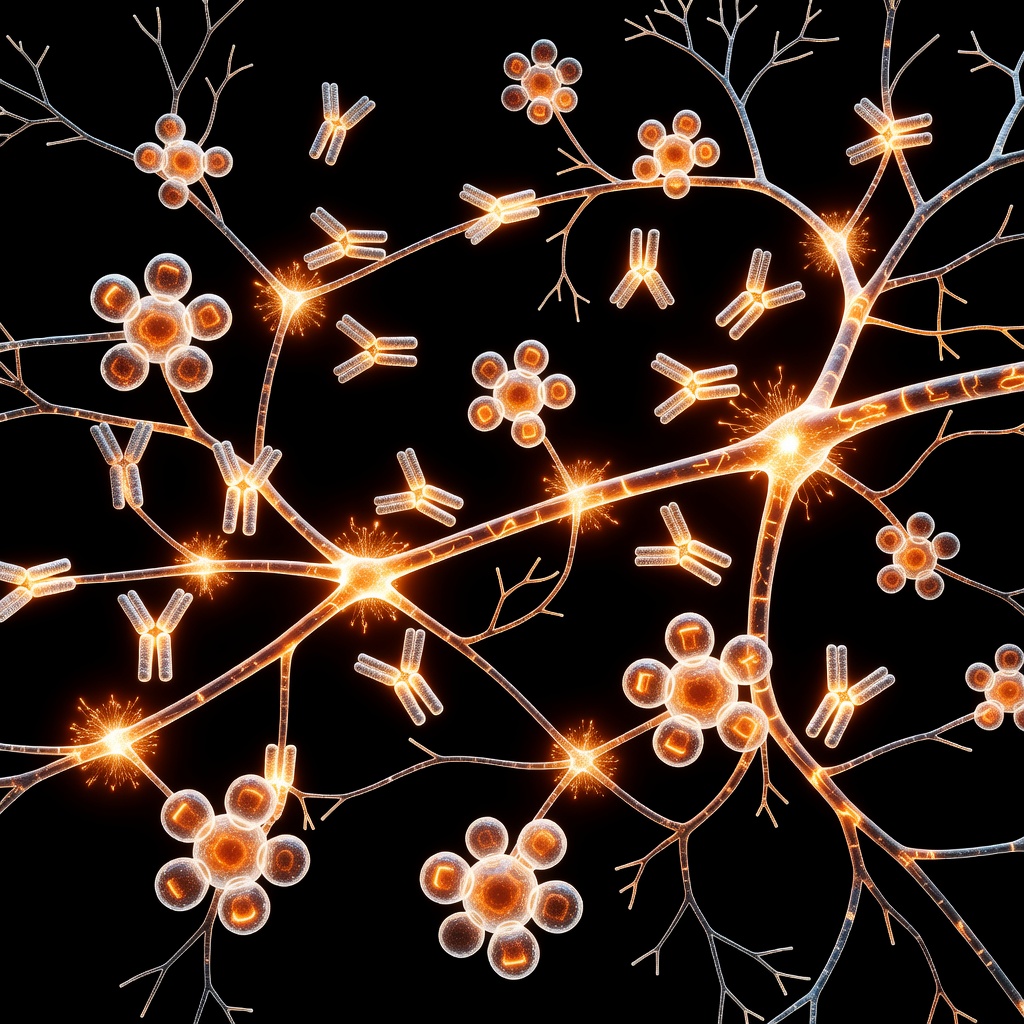
Understanding Mastalgia Beyond the Surface
Mastalgia, or breast pain, is a common clinical concern that often leaves patients feeling dismissed when standard exams return 'normal' results. At INNERSTANDING, we look deeper. We view the breast not as an isolated tissue, but as a dynamic part of the endocrine and lymphatic systems. When breast tissue becomes tender, inflamed, or cystic, it is frequently a downstream effect of systemic inflammation and lymphatic stagnation.
The Lymphatic Link
The breasts are densely populated with lymphatic vessels that drain into the axillary (underarm) and supraclavicular nodes. Unlike the circulatory system, the lymphatic system has no pump. It relies on muscle contraction, breath, and movement to keep lymph flowing. When this flow is obstructed—by sedentary habits, tight-fitting undergarments, or toxic accumulation—metabolic waste and inflammatory markers back up. This fluid congestion leads to pressure on surrounding tissues and nerves, manifesting as the deep aching or sharp shooting pains characteristic of cyclical or non-cyclical mastalgia.
The Role of Systemic Inflammation
Systemic inflammation acts as the fuel for lymphatic congestion. When the body is in a chronic inflammatory state—driven by processed foods, environmental estrogens (xenoestrogens), and chronic cortisol elevation—the liver struggles to process excess hormones, particularly estrogen. Excess estrogen encourages breast tissue proliferation, which further compresses lymphatic pathways, creating a vicious cycle of swelling and pain.
Root-Cause Investigation
To address mastalgia, we must investigate the root:
- Endocrine Disruptors: Plastics and synthetic fragrances mimic estrogen, overburdening the liver and fueling inflammatory tissue growth.
- Lymphatic Stagnation: Dehydration and lack of diaphragmatic breathing reduce the movement of immune cells, leading to localized tissue irritation.
- Nutritional Deficiencies: Iodine deficiency and low magnesium levels are frequently linked to fibrocystic breast changes and heightened pain sensitivity.
Strategies for Recovery
Restoring health requires a multi-pronged approach. Prioritize manual lymphatic drainage (MLD), either professional or self-massage, to decongest axillary nodes. Transition to non-wire support to allow for optimal lymphatic flow. Finally, integrate anti-inflammatory, cruciferous-rich diets to support the liver's detoxification pathways. By reducing the systemic inflammatory load, we allow the lymphatic system to clear metabolic debris, ultimately resolving the congestion that drives mastalgia.
This article is provided for informational and educational purposes only. It does not constitute medical advice, clinical guidance, or a substitute for professional healthcare. Information reflects cited research at time of publication. Always consult a qualified healthcare professional before acting on any health information.
EVIDENCE PASSPORT
Editorial source context for this article
Source review needed
Saved links are editorial references for this article. They may support specific claims rather than every sentence. Open and assess each source in context. This passport does not independently verify them.
Editorial context
A complete editorial reading has not been recorded for this article, and no source links are saved on its record.
Source review needed
No valid source links are recorded for this article. Supplementary research, where available, is listed separately below.
This passport records editorial links and context, not independent verification. Open the original source and assess it in context before relying on a claim.
Medical Disclaimer
The information in this article is for educational purposes only and does not constitute medical advice, diagnosis, or treatment. Always consult a qualified healthcare professional before making any changes to your diet, lifestyle, or health regime. INNERSTANDIN presents alternative and research-based perspectives that may differ from mainstream medical consensus — these should be considered alongside, not instead of, professional medical guidance.
Read Full DisclaimerContinue the thread
Keep this question moving.
Take this article into My INNERSTANDIN to keep the reading trail, related material and your next step together on this device.
Explore this in the Body Map
Explore related body structures and their educational pages in the interactive Body Map.