Systemic Inflammation and Ocular Rosacea: Uncovering the Gastrointestinal Origins
Discuss this resourceUpdated August 2026
This article explores the deep-seated link between gut health and ocular rosacea, arguing that systemic inflammation originating in the gastrointestinal tract is a primary driver of ocular symptoms.
Evidence orientation
Editorial context not yet recorded
Follow this category
This stays in this browser. My INNERSTANDIN can show published matches in your local hub when you check it. It does not send email, push, or alert notifications.
Local learning review
A private browser aid for revisiting ideas. It is not an alert or a health recommendation.
Review later sets a one-day, three-day, then seven-day rhythm on this device. Choose it only when you want to revisit this article.
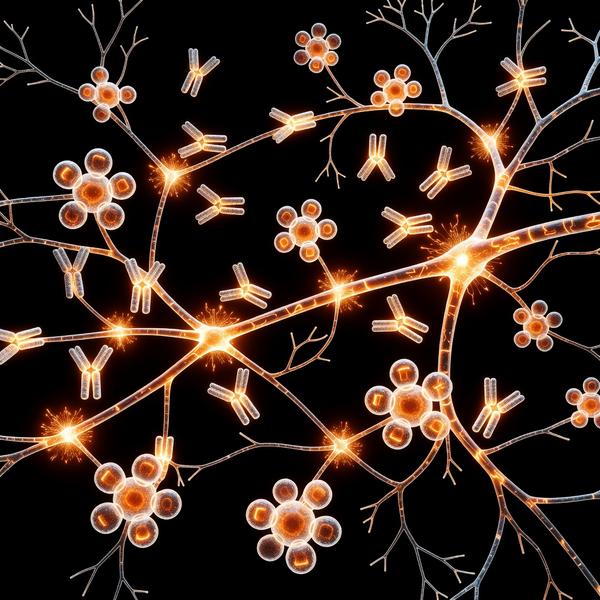
The Hidden Connection: Gut-Skin-Eye Axis. Modern clinical research increasingly suggests that ocular rosacea is not merely a localized eye condition but a manifestation of broader systemic dysregulation. At INNERSTANDING, we view the skin and eyes as windows into the internal landscape of the digestive system. ### The Mechanism of Systemic Inflammation. When the integrity of the intestinal lining is compromised—often termed 'leaky gut'—undigested food particles, toxins, and bacterial metabolites permeate the systemic circulation. This triggers a perpetual state of low-grade, chronic inflammation.
The immune system, responding to these circulating antigens, creates inflammatory cytokines that travel through the bloodstream and settle in vascular tissues. Because the eyes are highly vascularized, they are uniquely susceptible to these inflammatory markers, leading to the redness, dryness, and irritation characteristic of ocular rosacea. ### The Role of the Microbiome. Small Intestinal Bacterial Overgrowth (SIBO) is frequently identified in patients suffering from rosacea. When bacteria proliferate in the wrong sections of the gut, they interfere with nutrient absorption and produce harmful gases and endotoxins. These endotoxins stimulate the production of cathelicidins—antimicrobial peptides that are overexpressed in rosacea patients, leading to the classic vasodilation and ocular discomfort seen in the condition. ### Therapeutic Implications: Addressing the Root.
Treating ocular rosacea exclusively with topical drops or systemic antibiotics provides only symptomatic relief. A root-cause approach necessitates a gut-first strategy. This includes identifying food sensitivities, optimizing stomach acid levels to ensure proper protein digestion, and incorporating targeted probiotics to restore microbial balance. By cooling the inflammatory fire in the gut, we provide the ocular surface with the environment it needs to heal. ### Conclusion. Ocular rosacea serves as a significant clinical red flag.
By looking beyond the eyelids and investigating the gastrointestinal tract, practitioners and patients alike can address the systemic origins of this condition, moving from disease management to true physiological resolution.
This article is provided for informational and educational purposes only. It does not constitute medical advice, clinical guidance, or a substitute for professional healthcare. Information reflects cited research at time of publication. Always consult a qualified healthcare professional before acting on any health information.
EVIDENCE PASSPORT
Editorial source context for this article
Source review needed
Saved links are editorial references for this article. They may support specific claims rather than every sentence. Open and assess each source in context. This passport does not independently verify them.
Editorial context
A complete editorial reading has not been recorded for this article, and no source links are saved on its record.
Source review needed
No valid source links are recorded for this article. Supplementary research, where available, is listed separately below.
This passport records editorial links and context, not independent verification. Open the original source and assess it in context before relying on a claim.
Medical Disclaimer
The information in this article is for educational purposes only and does not constitute medical advice, diagnosis, or treatment. Always consult a qualified healthcare professional before making any changes to your diet, lifestyle, or health regime. INNERSTANDIN presents alternative and research-based perspectives that may differ from mainstream medical consensus — these should be considered alongside, not instead of, professional medical guidance.
Read Full DisclaimerContinue the thread
Keep this question moving.
Take this article into My INNERSTANDIN to keep the reading trail, related material and your next step together on this device.
Explore this in the Body Map
Explore related body structures and their educational pages in the interactive Body Map.
Dig deeper in the Library
Free, longform PDF volumes that go beyond headlines into mechanisms and references.
RABBIT HOLE
Follow the biological thread deeper