
The Appendix as a Biofilm Incubator: Reassessing Gut Microbiome Resilience
Discuss this resourceUpdated August 2026
Once dismissed as a vestigial organ, the appendix is now understood as a vital reservoir for commensal bacteria. This article explores how it functions as a biofilm incubator to support gut microbiome recovery after illness.
Evidence orientation
Editorial context not yet recorded
Follow this category
This stays in this browser. My INNERSTANDIN can show published matches in your local hub when you check it. It does not send email, push, or alert notifications.
Local learning review
A private browser aid for revisiting ideas. It is not an alert or a health recommendation.
Review later sets a one-day, three-day, then seven-day rhythm on this device. Choose it only when you want to revisit this article.
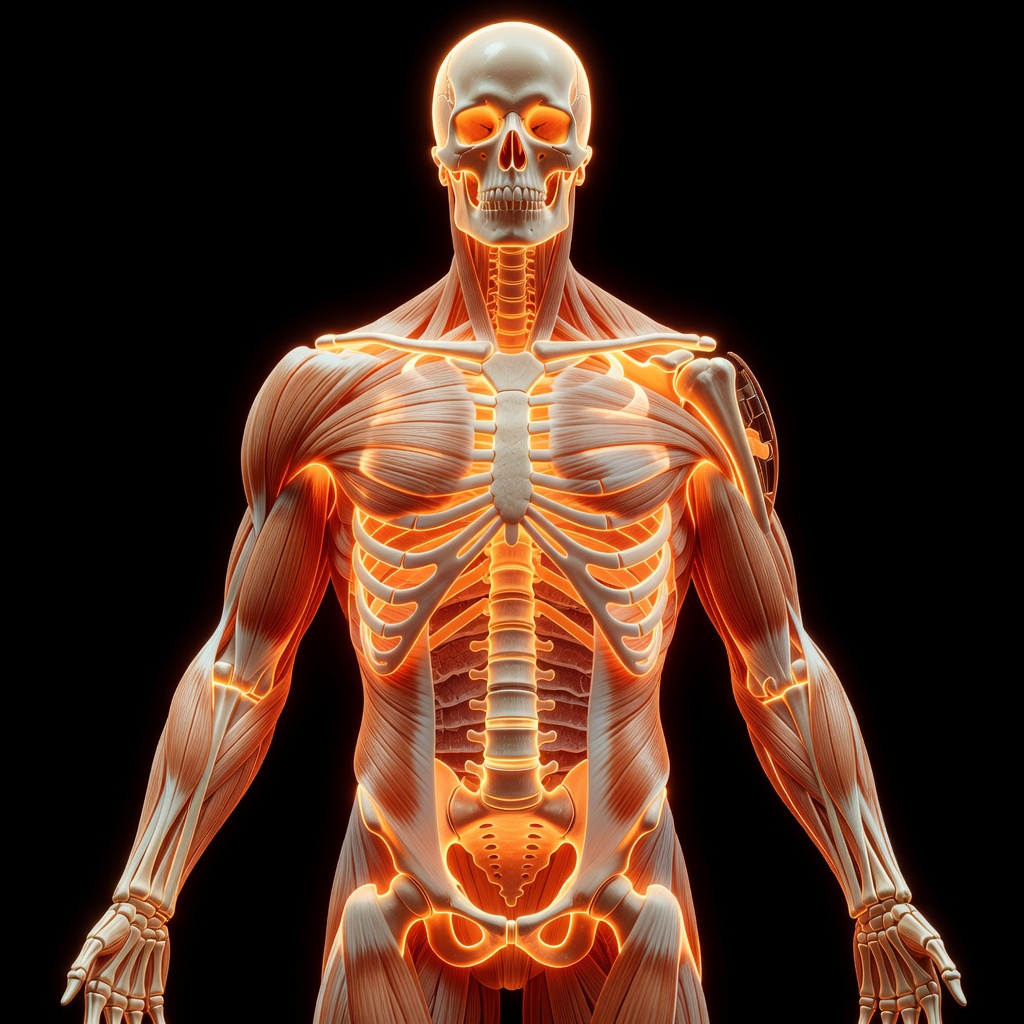
By virtue of its architecture, it allows for the formation of dense, protective biofilms. These biofilms are complex communities of bacteria encased in a self-produced matrix, providing a defensive perimeter against external pathogens while maintaining a dormant, viable pool of commensal microbes. ## The Mechanism of Microbial Repopulation When the gut microbiome is decimated by gastrointestinal distress, the appendix functions as a biological reservoir. Once the primary insult passes, the protective biofilms within the appendix break down, releasing these microbial populations into the cecum. This process serves as a natural 're-seeding' mechanism, facilitating the rapid recolonization of the gut ecosystem. This function is essential for restoring the metabolic stability of the host.
Without this localized incubator, recovery times for dysbiosis would be significantly extended, and the host would be at higher risk for persistent infection or long-term pathogen colonization. ## Root-Cause Implications for Modern Health The decline in appendiceal health and the rising frequency of appendectomies in industrialized nations raise profound questions about our long-term immunological resilience. When we remove a primary site for microbiome storage, we may be inadvertently limiting the body’s ability to recover from acute gastrointestinal insults. Understanding the appendix as a vital immune organ, rather than an expendable appendage, encourages a more holistic approach to gastrointestinal health. Rather than viewing inflammation solely through the lens of surgical removal, functional health practitioners are now investigating how to support the integrity of these biofilms through targeted nutrition, probiotic diversity, and minimizing unnecessary pharmacological interventions. ## Conclusion The appendix is an elegant example of biological redundancy. It serves as a guardian of the microbiome, ensuring that even in the face of environmental upheaval, the host maintains a seed bank of life-sustaining bacteria.
Moving forward, a paradigm shift in medical education is necessary to acknowledge this organ as an essential component of the human holobiont, rather than an evolutionary accident.
This article is provided for informational and educational purposes only. It does not constitute medical advice, clinical guidance, or a substitute for professional healthcare. Information reflects cited research at time of publication. Always consult a qualified healthcare professional before acting on any health information.
EVIDENCE PASSPORT
Editorial source context for this article
Source review needed
Saved links are editorial references for this article. They may support specific claims rather than every sentence. Open and assess each source in context. This passport does not independently verify them.
Editorial context
A complete editorial reading has not been recorded for this article, and no source links are saved on its record.
Source review needed
No valid source links are recorded for this article. Supplementary research, where available, is listed separately below.
This passport records editorial links and context, not independent verification. Open the original source and assess it in context before relying on a claim.
Medical Disclaimer
The information in this article is for educational purposes only and does not constitute medical advice, diagnosis, or treatment. Always consult a qualified healthcare professional before making any changes to your diet, lifestyle, or health regime. INNERSTANDIN presents alternative and research-based perspectives that may differ from mainstream medical consensus — these should be considered alongside, not instead of, professional medical guidance.
Read Full DisclaimerContinue the thread
Keep this question moving.
Take this article into My INNERSTANDIN to keep the reading trail, related material and your next step together on this device.
Explore this in the Body Map
Explore related body structures and their educational pages in the interactive Body Map.
Dig deeper in the Library
Free, longform PDF volumes that go beyond headlines into mechanisms and references.