
The Biogeochemical Cycle of Mercury and Its Progression into Human Adipose Tissue
Discuss this resourceUpdated August 2026
An in-depth exploration of how mercury transforms from environmental pollutants into bioaccumulative toxins that settle within human fatty tissues, affecting long-term physiological health.
Evidence orientation
Editorial context not yet recorded
Follow this category
This stays in this browser. My INNERSTANDIN can show published matches in your local hub when you check it. It does not send email, push, or alert notifications.
Local learning review
A private browser aid for revisiting ideas. It is not an alert or a health recommendation.
Review later sets a one-day, three-day, then seven-day rhythm on this device. Choose it only when you want to revisit this article.
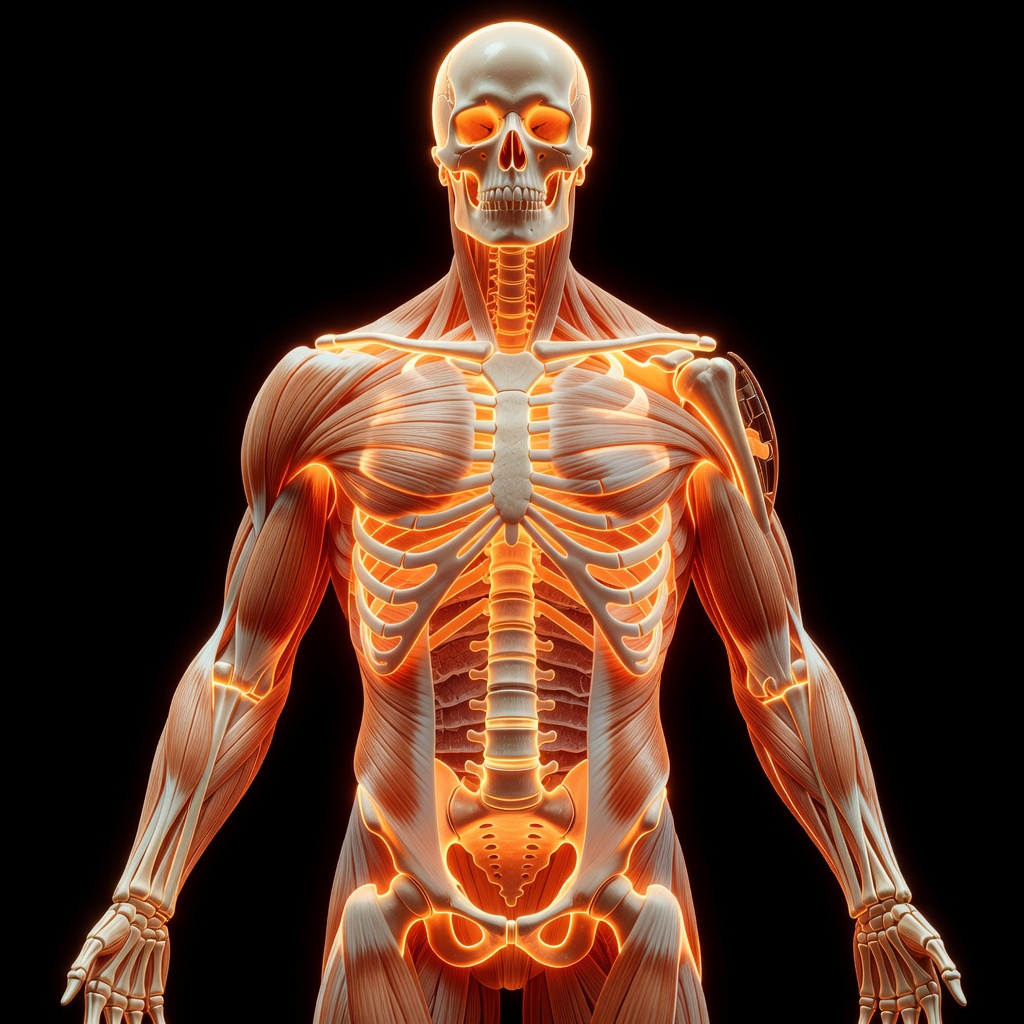
Introduction to Mercury Toxicity
Mercury is a potent heavy metal, notorious for its neurotoxic properties and its ability to traverse complex ecological cycles. As part of our Innerstanding series on health, we examine how this element moves from volcanic activity and industrial emissions into the human body, specifically finding refuge in adipose tissue.
The Biogeochemical Cycle
Mercury exists in three primary states: elemental, inorganic, and organic (methylmercury). The cycle begins primarily through atmospheric deposition, where elemental mercury gas is oxidized and settles into oceans and soil. In aquatic environments, anaerobic bacteria perform 'methylation,' converting inorganic mercury into methylmercury. This organic form is highly lipophilic and mobile.
Bioaccumulation and Biomagnification
As methylmercury enters the food chain, it undergoes biomagnification. Plankton absorb it, followed by small fish, moving up to apex predators. By the time it reaches human consumption, the concentration is magnified thousands of times compared to the original water source.
Deposition in Adipose Tissue
Unlike some toxins that are rapidly excreted, methylmercury has a high affinity for sulfhydryl groups in proteins and, crucially, fat-soluble environments. Once it crosses the blood-brain barrier or enters the circulatory system, it is sequestered in adipose tissue. Adipose tissue acts as a long-term reservoir or 'sink.' While the body may seem stable, metabolic stress, rapid weight loss, or fasting can trigger the release of this stored mercury back into the bloodstream, causing systemic toxicity.
The Health Implications
Once re-released from fat stores, mercury creates oxidative stress, disrupts enzymatic functions, and binds to essential minerals like selenium, rendering them ineffective. This leads to chronic inflammatory responses and neuro-immunological decline. Understanding that the root cause often lies in years of bioaccumulation rather than a single exposure event is vital for clinical recovery.
Conclusion
Managing mercury toxicity requires a comprehensive approach, focusing on reducing exposure through dietary awareness and supporting detoxification pathways. By understanding the biogeochemical journey of this metal, we can better implement protocols to support cellular health and fat-tissue integrity.
This article is provided for informational and educational purposes only. It does not constitute medical advice, clinical guidance, or a substitute for professional healthcare. Information reflects cited research at time of publication. Always consult a qualified healthcare professional before acting on any health information.
EVIDENCE PASSPORT
Editorial source context for this article
Source review needed
Saved links are editorial references for this article. They may support specific claims rather than every sentence. Open and assess each source in context. This passport does not independently verify them.
Editorial context
A complete editorial reading has not been recorded for this article, and no source links are saved on its record.
Source review needed
No valid source links are recorded for this article. Supplementary research, where available, is listed separately below.
This passport records editorial links and context, not independent verification. Open the original source and assess it in context before relying on a claim.
Medical Disclaimer
The information in this article is for educational purposes only and does not constitute medical advice, diagnosis, or treatment. Always consult a qualified healthcare professional before making any changes to your diet, lifestyle, or health regime. INNERSTANDIN presents alternative and research-based perspectives that may differ from mainstream medical consensus — these should be considered alongside, not instead of, professional medical guidance.
Read Full DisclaimerContinue the thread
Keep this question moving.
Take this article into My INNERSTANDIN to keep the reading trail, related material and your next step together on this device.