The Blood-Brain Barrier and Sweetener-Induced Alterations in Neuro-Metabolic Appetite Regulation
Discuss this resourceUpdated August 2026
An in-depth investigation into how non-nutritive sweeteners may bypass or compromise the blood-brain barrier to disrupt the hypothalamus and reset neuro-metabolic satiety signaling.
Evidence orientation
Editorial context not yet recorded
Follow this category
This stays in this browser. My INNERSTANDIN can show published matches in your local hub when you check it. It does not send email, push, or alert notifications.
Local learning review
A private browser aid for revisiting ideas. It is not an alert or a health recommendation.
Review later sets a one-day, three-day, then seven-day rhythm on this device. Choose it only when you want to revisit this article.
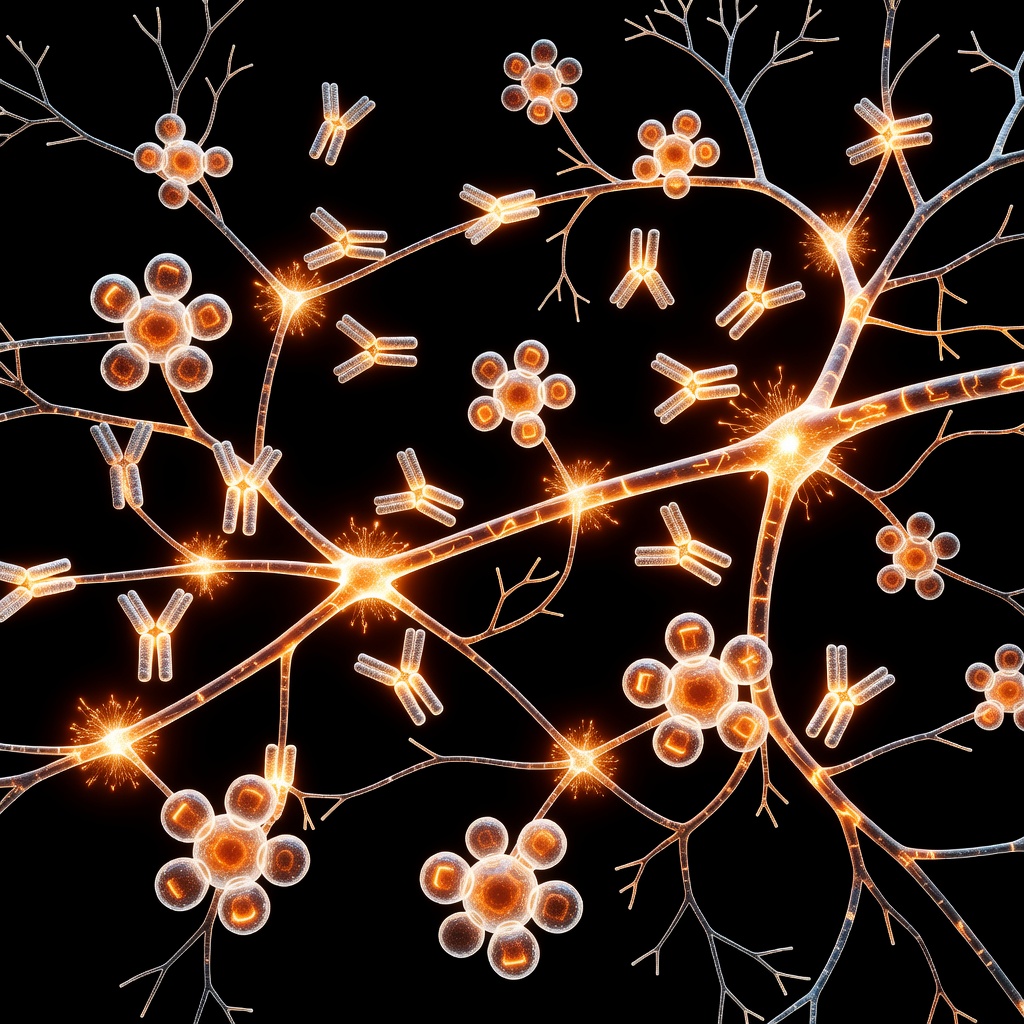
Introduction: The Illusion of Metabolic Neutrality. At INNERSTANDING, we believe that health is not merely the absence of calories but the precision of systemic communication. For decades, artificial sweeteners (AS) have been marketed as metabolic ghosts—compounds that deliver the perception of sweetness without the burden of energy. However, recent evidence suggests these substances are far from inert. They represent a significant disruption to the blood-brain barrier (BBB) and the delicate neuro-metabolic architecture governing appetite. ### The Gatekeeper: The Blood-Brain Barrier (BBB).
The BBB is a highly selective semi-permeable border that separates the circulating blood from the brain's extracellular fluid. It protects the CNS from fluctuations in systemic chemistry. When we consume real glucose, the body triggers a cascade of hormonal responses, including insulin and leptin, which act as signals to the hypothalamus to modulate satiety. AS appear to mimic these inputs without providing the corresponding chemical 'proof' of fuel, creating a form of metabolic dissonance. ### Sweeteners and the Neuro-Metabolic Mismatch. Chronic exposure to AS (such as aspartame, sucralose, and acesulfame-k) has been implicated in 'uncoupling' the gut-brain axis.
Research suggests that high-intensity sweeteners may influence the transport mechanisms across the BBB, potentially altering the sensitivity of receptors within the arcuate nucleus of the hypothalamus. When the brain detects 'sweetness' via the tongue but receives no glucose spike, it triggers a paradoxical physiological state. This 'neuro-metabolic error' induces a compensatory drive for real calories, often manifesting as increased cravings and a decreased threshold for satiation. ### Root-Cause Disruption: The Hypothalamic Reset. The hypothalamus serves as the command center for energy homeostasis. By decoupling sensory input (sweet taste) from metabolic output (caloric absorption), artificial sweeteners may be rewiring the reward circuitry of the brain.
Prolonged reliance on these chemicals forces the brain to lower its sensitivity to natural glucose, effectively 'resetting' the satiety thermostat. This is not just a weight management issue; it is a neurological adaptation that prioritizes the search for energy that the body incorrectly perceives as 'missing' due to the deceptive nature of the sweetener profile. ### Implications for Metabolic Health. The chronic ingestion of AS may contribute to metabolic syndrome by promoting hyperinsulinemia, even without blood sugar spikes, through cephalic phase insulin responses. By understanding the BBB not as a static wall, but as a dynamic interface being influenced by artificial stimuli, we can better appreciate why calorie counting fails. True metabolic health requires restoring the integrity of the signals sent from the gut to the brain, free from the interference of synthetic chemistry. ### Conclusion.
The road to metabolic clarity requires moving away from the 'sweetener trap.' By prioritizing nutrient-dense whole foods that provide honest feedback to the hypothalamus, we can restore the natural synchrony between appetite and energy requirements, reinforcing the very essence of the INNERSTANDING philosophy.
This article is provided for informational and educational purposes only. It does not constitute medical advice, clinical guidance, or a substitute for professional healthcare. Information reflects cited research at time of publication. Always consult a qualified healthcare professional before acting on any health information.
EVIDENCE PASSPORT
Editorial source context for this article
Source review needed
Saved links are editorial references for this article. They may support specific claims rather than every sentence. Open and assess each source in context. This passport does not independently verify them.
Editorial context
A complete editorial reading has not been recorded for this article, and no source links are saved on its record.
Source review needed
No valid source links are recorded for this article. Supplementary research, where available, is listed separately below.
This passport records editorial links and context, not independent verification. Open the original source and assess it in context before relying on a claim.
Medical Disclaimer
The information in this article is for educational purposes only and does not constitute medical advice, diagnosis, or treatment. Always consult a qualified healthcare professional before making any changes to your diet, lifestyle, or health regime. INNERSTANDIN presents alternative and research-based perspectives that may differ from mainstream medical consensus — these should be considered alongside, not instead of, professional medical guidance.
Read Full DisclaimerContinue the thread
Keep this question moving.
Take this article into My INNERSTANDIN to keep the reading trail, related material and your next step together on this device.
Explore this in the Body Map
Explore related body structures and their educational pages in the interactive Body Map.
Dig deeper in the Library
Free, longform PDF volumes that go beyond headlines into mechanisms and references.
RABBIT HOLE
Follow the biological thread deeper