
The Bone Marrow Niche Microenvironment: How Extracellular Matrix Stiffness Drives Malignant Transformation
Discuss this resourceUpdated August 2026
An exploration of how the physical mechanical properties of the bone marrow extracellular matrix influence haematopoietic stem cell fate and the development of malignant pathologies.
Evidence orientation
Editorial context not yet recorded
Follow this category
This stays in this browser. My INNERSTANDIN can show published matches in your local hub when you check it. It does not send email, push, or alert notifications.
Local learning review
A private browser aid for revisiting ideas. It is not an alert or a health recommendation.
Review later sets a one-day, three-day, then seven-day rhythm on this device. Choose it only when you want to revisit this article.
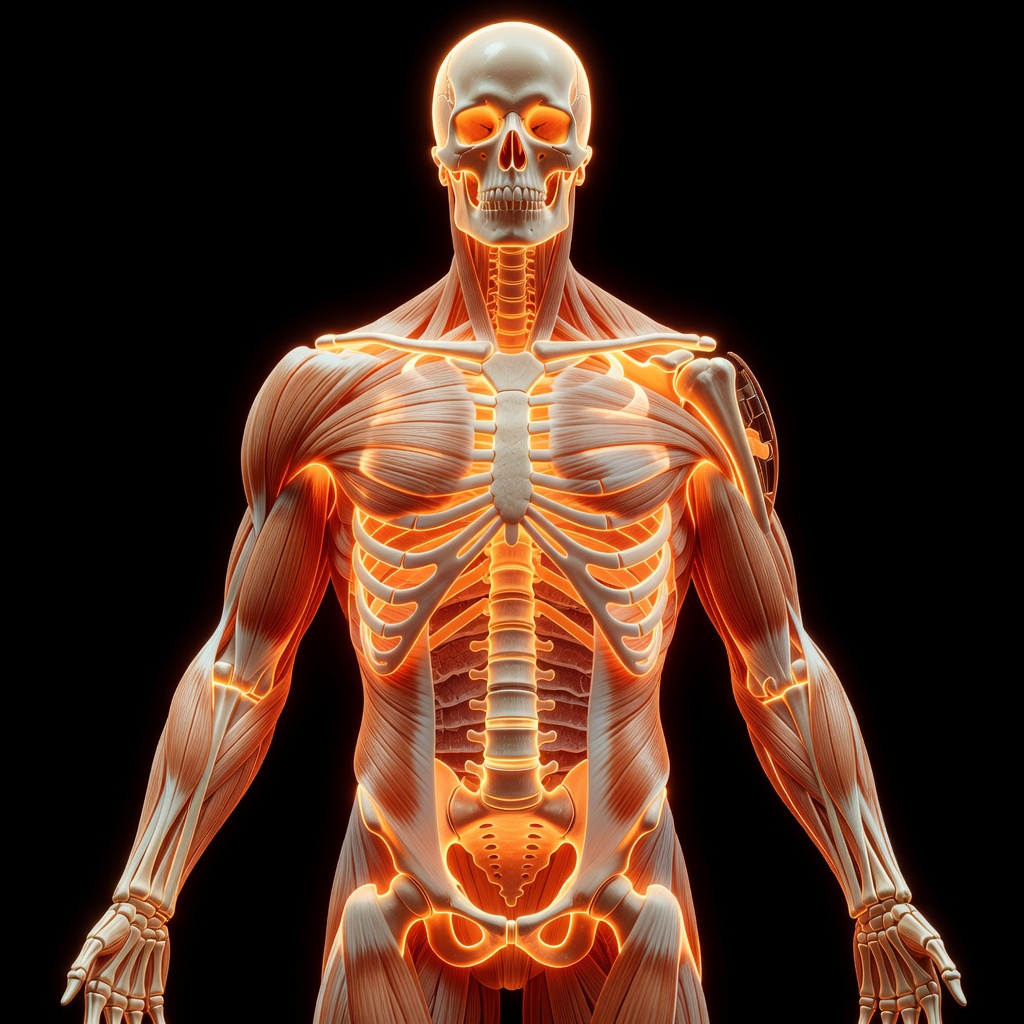
Introduction to the Bone Marrow Niche. The bone marrow is not merely a static scaffold for blood cell production; it is a highly dynamic, mechanically active microenvironment. Within this niche, haematopoietic stem cells (HSCs) reside in specialized anatomical locations where cellular interactions and biophysical cues dictate their self-renewal and differentiation. ### The Role of the Extracellular Matrix (ECM). The ECM is a complex network of proteins, including collagen, fibronectin, and laminin, which provides structural support. However, emerging research suggests the ECM is a primary driver of cell signaling.
The stiffness of this matrix is a critical biophysical parameter. In a healthy state, the marrow maintains a homeostatic tension that supports normal haematopoiesis. ### Mechanotransduction and Cellular Signaling. Mechanotransduction is the process by which cells convert mechanical stimuli into biochemical signals. When the ECM stiffens—often due to chronic inflammation, fibrosis, or ageing—HSCs experience altered physical pressure. This mechanical load is transmitted via integrins to the cytoskeleton, activating pathways like YAP/TAZ.
These transcriptional co-activators translate mechanical stress into gene expression changes that can force stem cells away from healthy differentiation. ### The Link to Malignancy. Malignant transformation often begins when the mechanical integrity of the niche is compromised. Increased matrix stiffness creates a pro-inflammatory feedback loop. As fibroblasts become activated, they deposit excess collagen, further increasing stiffness and creating a 'vicious cycle' of fibrosis. This stiffened environment suppresses normal HSC function and provides a survival advantage to malignant clones, often seen in conditions like myeloproliferative neoplasms (MPNs) and acute myeloid leukaemia (AML). ### Root-Cause Perspectives on Intervention.
Rather than treating the symptoms of blood cancers alone, understanding the mechanical state of the niche offers new therapeutic frontiers. Targeting the cross-linking enzymes that regulate ECM stiffness or modulating the mechanical sensing pathways of HSCs could potentially restore a homeostatic environment, preventing the clonal evolution that leads to malignancy.
This article is provided for informational and educational purposes only. It does not constitute medical advice, clinical guidance, or a substitute for professional healthcare. Information reflects cited research at time of publication. Always consult a qualified healthcare professional before acting on any health information.
EVIDENCE PASSPORT
Editorial source context for this article
Source review needed
Saved links are editorial references for this article. They may support specific claims rather than every sentence. Open and assess each source in context. This passport does not independently verify them.
Editorial context
A complete editorial reading has not been recorded for this article, and no source links are saved on its record.
Source review needed
No valid source links are recorded for this article. Supplementary research, where available, is listed separately below.
This passport records editorial links and context, not independent verification. Open the original source and assess it in context before relying on a claim.
Medical Disclaimer
The information in this article is for educational purposes only and does not constitute medical advice, diagnosis, or treatment. Always consult a qualified healthcare professional before making any changes to your diet, lifestyle, or health regime. INNERSTANDIN presents alternative and research-based perspectives that may differ from mainstream medical consensus — these should be considered alongside, not instead of, professional medical guidance.
Read Full DisclaimerContinue the thread
Keep this question moving.
Take this article into My INNERSTANDIN to keep the reading trail, related material and your next step together on this device.