
The Bone-Microbiome Axis: How Gut Dysbiosis Influences Systemic Mineralisation
Updated April 2026
Evidence orientation
Editorial context not yet recorded
Follow this category
This stays in this browser. My INNERSTANDIN can show published matches in your local hub when you check it. It does not send email, push, or alert notifications.
Local learning review
A private browser aid for revisiting ideas. It is not an alert or a health recommendation.
Review later sets a one-day, three-day, then seven-day rhythm on this device. Choose it only when you want to revisit this article.
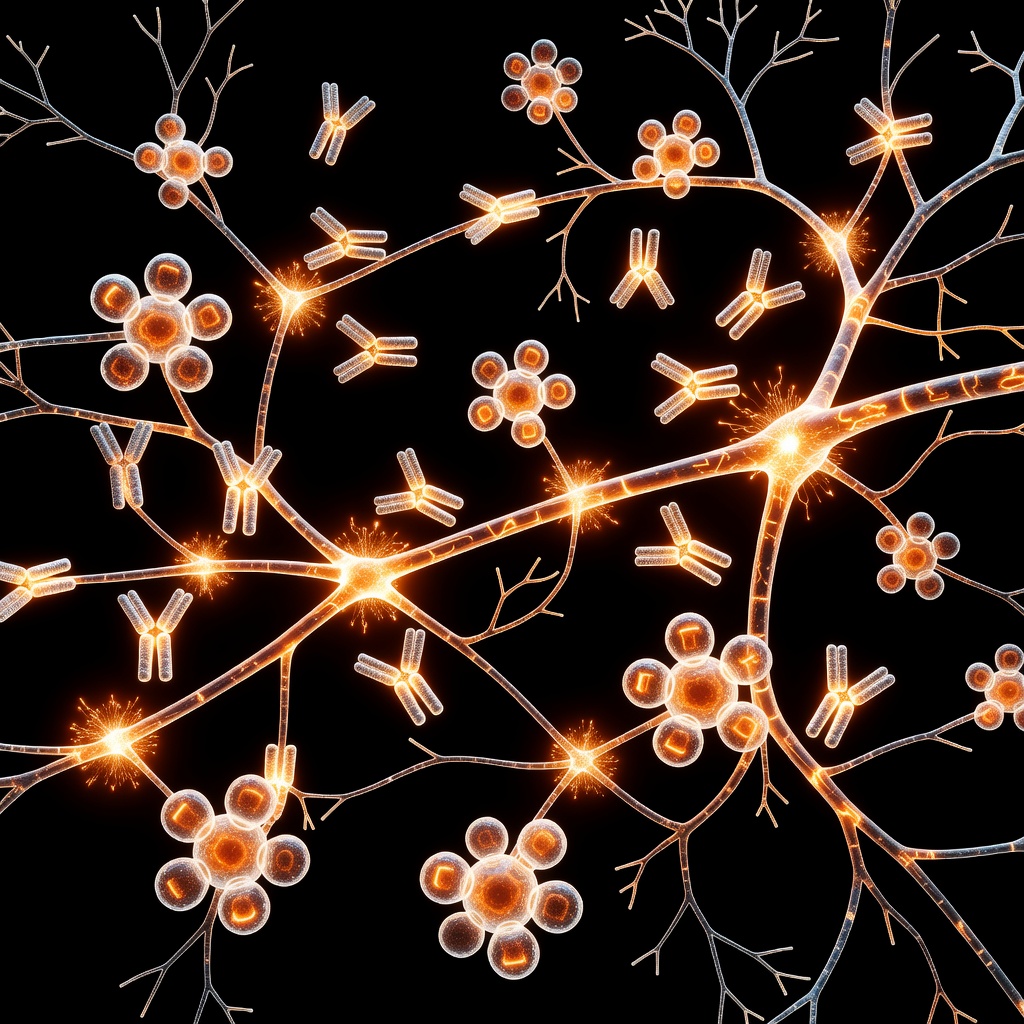
For decades, the medical establishment viewed the human skeleton as a static scaffolding—a collection of inert calcium pillars designed solely for structural support and protection. However, the emerging field of osteomicrobiology is shattering this reductionist perspective. We are now beginning to understand that bone health is not merely a matter of "calcium in, calcium out." Instead, our skeletal integrity is governed by a complex, clandestine dialogue between the gut and the bone marrow: The Bone-Microbiome Axis.
When the delicate ecosystem of the gut falls into a state of dysbiosis—an imbalance of microbial species—the consequences ripple far beyond the digestive tract. This article exposes how the state of your microbiome dictates the rate of your systemic mineralisation, and why the modern "bone health" narrative is missing the most vital piece of the puzzle.
The Paradigm Shift: Osteomicrobiology Defined
The traditional orthopaedic approach focuses almost exclusively on hormones like oestrogen and parathyroid hormone (PTH), or minerals like calcium and Vitamin D. While these are important, they are often the "middlemen" in a larger process. The Bone-Microbiome Axis represents the bidirectional communication network between the trillions of microorganisms in the gastrointestinal tract and the skeletal system.
The "truth" that is often overlooked in mainstream clinical settings is that the gut is the primary regulator of the body’s inflammatory tone and nutrient bioavailability. If the gut is compromised, the bones cannot remain strong, regardless of how much supplemental calcium one consumes.
"The gut microbiome acts as a remote rheostat for bone mass, modulating the immune signals that tell the body whether to build new bone or dissolve existing mineral stores."
Biological Mechanisms: How the Gut Controls the Bone
To understand how gut bacteria influence systemic mineralisation, we must look at the two primary "workers" in the bone: Osteoblasts (bone builders) and Osteoclasts (bone breakers). In a healthy body, these two exist in a state of dynamic equilibrium. In a state of dysbiosis, this balance is violently tipped.
1. The SCFA Connection (Short-Chain Fatty Acids)
Beneficial gut bacteria ferment dietary fibre into Short-Chain Fatty Acids (SCFAs), such as butyrate, propionate, and acetate. These molecules are not just energy sources for the colon; they are potent signalling molecules. Butyrate, in particular, has been shown to induce the differentiation of Regulatory T-cells (Tregs) in the bone marrow. These Tregs suppress the activity of osteoclasts. Therefore, a high-fibre diet that supports SCFA production directly prevents excessive bone resorption.
2. Intestinal Permeability and "Leaky Gut"
When the gut lining is breached—a condition known as intestinal permeability—pro-inflammatory compounds like Lipopolysaccharides (LPS) (endotoxins from the cell walls of "bad" bacteria) leak into the bloodstream. Once these toxins reach the bone marrow, they trigger a cascade of pro-inflammatory cytokines, specifically TNF-α and Interleukin-17 (IL-17). These cytokines are the master switches that activate osteoclasts, leading to accelerated mineral loss and, eventually, osteoporosis.
3. Nutrient Bioavailability and Vitamin K2
The gut is the factory where mineral absorption is managed. Beyond calcium, the microbiome plays a critical role in the synthesis of Vitamin K2. While Vitamin K1 is found in leafy greens, K2 is produced by specific bacteria (such as Bacillus subtilis). Vitamin K2 is the "traffic warden" of the body; it activates osteocalcin, the protein that binds calcium to the bone matrix, while simultaneously preventing calcium from depositing in the arteries. Without a healthy microbiome, this K2 synthesis is stunted, leading to weak bones and calcified heart valves.
The UK Context: A Silent Skeletal Crisis
In the United Kingdom, bone health is a significant public health challenge. According to the Royal Osteoporosis Society, over 3.5 million people in the UK are living with osteoporosis. Furthermore, the UK sees over 500,000 fragility fractures every year.
The British Diet and the "Gut-Bone" Disconnect
The modern British diet is heavily reliant on Ultra-Processed Foods (UPFs), which are notoriously devoid of the fermentable fibres required for a healthy microbiome. Furthermore, the widespread use of broad-spectrum antibiotics in the UK—both in clinical practice and historically in the food chain—has decimated the microbial diversity of the general population.
The Vitamin D Conundrum
Due to the UK's northerly latitude, Vitamin D deficiency is endemic. While the NHS focuses on Vitamin D supplementation, it often fails to address the "absorptive capacity" of the gut. If a patient has chronic gut inflammation or a lack of microbial diversity, their ability to utilise Vitamin D and transport minerals effectively is severely diminished. We are witnessing a population that is "over-supplemented but under-mineralised."
Environmental Factors: The Enemies of Mineralisation
The destruction of the bone-microbiome axis is not an accident; it is the result of specific environmental stressors that have become ubiquitous in the 21st century.
- Glyphosate and Pesticides: Modern agriculture relies heavily on glyphosate, which acts as a potent antibiotic. It selectively kills beneficial gut bacteria while allowing pathogenic strains to flourish, directly contributing to gut dysbiosis and systemic inflammation.
- Water Fluoridation: In many parts of the UK, water is fluoridated. While touted for dental health, excessive fluoride can interfere with the mineralisation process of the bone, potentially making them more brittle by altering the crystalline structure of the hydroxyapatite.
- Chronic Stress and Cortisol: The gut and brain are in constant communication via the Vagus Nerve. Chronic stress alters the gut microbiota composition (reducing Lactobacillus species), which in turn increases intestinal permeability and bone resorption.
- Pharmaceutical Overreach: Proton Pump Inhibitors (PPIs) for acid reflux are among the most prescribed drugs in the UK. By suppressing stomach acid, they alter the gut pH, leading to Small Intestinal Bacterial Overgrowth (SIBO) and significantly reducing the absorption of calcium and magnesium.
"True bone health is an internal ecological achievement, not a pharmaceutical outcome."
Protective Strategies: Restoring the Axis
To reverse the damage and ensure systemic mineralisation, we must move beyond the "Calcium and Vitamin D" mantra. We must treat the gut as the foundation of the skeleton.
1. Re-Wilding the Microbiome
The goal is to increase microbial diversity. This is achieved through the consumption of "The Three Fs":
- Fibre: Aim for 30+ different plant-based foods per week to provide various prebiotics for SCFA production.
- Fermented Foods: Unpasteurised sauerkraut, kimchi, and kefir introduce live beneficial cultures that can modulate the immune-bone response.
- Flavonoids: Compounds found in berries, dark chocolate, and green tea act as prebiotics and reduce oxidative stress in the bone marrow.
2. Synergistic Supplementation
If you are supplementing, you must use the correct "mineral-directing" nutrients:
- Vitamin D3 + K2 (MK-7): Never take D3 without K2. K2 ensures the calcium goes into the bone and not the soft tissues.
- Magnesium Glycinate: Magnesium is a cofactor for over 300 enzymatic reactions, including those that activate Vitamin D.
- Trace Minerals: Boron, silica, and zinc are essential for the structural integrity of the bone collagen matrix but are often depleted in British soils.
3. Circadian Biology and Movement
The microbiome has its own circadian rhythm. Eating within a consistent window (Time-Restricted Feeding) allows the gut lining to repair itself overnight. Additionally, weight-bearing exercise (such as resistance training or rucking) creates "piezoelectric" signals in the bone, which tell the body to use the minerals absorbed by the gut to build higher bone density.
4. Avoiding "Anti-Nutrients"
Phytic acid (found in improperly prepared grains and legumes) and oxalates (found in spinach and beet greens) can bind to minerals in the gut, preventing their absorption. Sprouting, soaking, or fermenting these foods is essential for those with compromised bone density.
Key Takeaways: The Path to Skeletal Resilience
The Bone-Microbiome Axis proves that we are a holistic system. We cannot isolate the health of our skeleton from the health of our "inner garden." To achieve lasting systemic mineralisation, consider these truths:
- Bone loss is often an inflammatory symptom: If your bones are thinning, your gut is likely "leaking" inflammatory signals into your system.
- Calcium is not the cure-all: Without the microbial signals and the Vitamin K2 "traffic wardens," calcium can do more harm (arterial calcification) than good.
- Microbial diversity equals skeletal density: The more diverse your gut flora, the more "anti-resorptive" signals are sent to your bone marrow.
- The environment matters: To protect your bones, you must protect your gut from glyphosate, unnecessary antibiotics, and the standard processed diet.
Systemic mineralisation is the result of a harmonious relationship between the food we eat, the microbes we host, and the movement we engage in. By fostering a diverse and healthy microbiome, we provide our bodies with the biological intelligence required to maintain a strong, resilient, and youthful skeleton well into our later years.
INNERSTANDING requires us to look beneath the surface. The strength of your frame is dictated by the life within your gut. Choose to nourish both.
This article is provided for informational and educational purposes only. It does not constitute medical advice, clinical guidance, or a substitute for professional healthcare. Information reflects cited research at time of publication. Always consult a qualified healthcare professional before acting on any health information.
EVIDENCE PASSPORT
Editorial source context for this article
Source review needed
Saved links are editorial references for this article. They may support specific claims rather than every sentence. Open and assess each source in context. This passport does not independently verify them.
Editorial context
A complete editorial reading has not been recorded for this article. Source links remain available for you to open and assess directly.
Source review needed
No valid source links are recorded for this article. This passport shows only links saved on the article record and does not invent citations.
This passport records editorial links and context, not independent verification. Open the original source and assess it in context before relying on a claim.
Medical Disclaimer
The information in this article is for educational purposes only and does not constitute medical advice, diagnosis, or treatment. Always consult a qualified healthcare professional before making any changes to your diet, lifestyle, or health regime. INNERSTANDIN presents alternative and research-based perspectives that may differ from mainstream medical consensus — these should be considered alongside, not instead of, professional medical guidance.
Read Full DisclaimerContinue the thread
Keep this question moving.
Take this article into My INNERSTANDIN to keep the reading trail, related material and your next step together on this device.