
The Cellular Engine: Mitochondrial Dysfunction and Pathological Fat Deposition in Lipoedema
Updated August 2026
This article explores the physiological link between impaired mitochondrial function and the abnormal expansion of adipose tissue characteristic of Lipoedema.
Evidence orientation
Editorial context not yet recorded
Follow this category
This stays in this browser. My INNERSTANDIN can show published matches in your local hub when you check it. It does not send email, push, or alert notifications.
Local learning review
A private browser aid for revisiting ideas. It is not an alert or a health recommendation.
Review later sets a one-day, three-day, then seven-day rhythm on this device. Choose it only when you want to revisit this article.
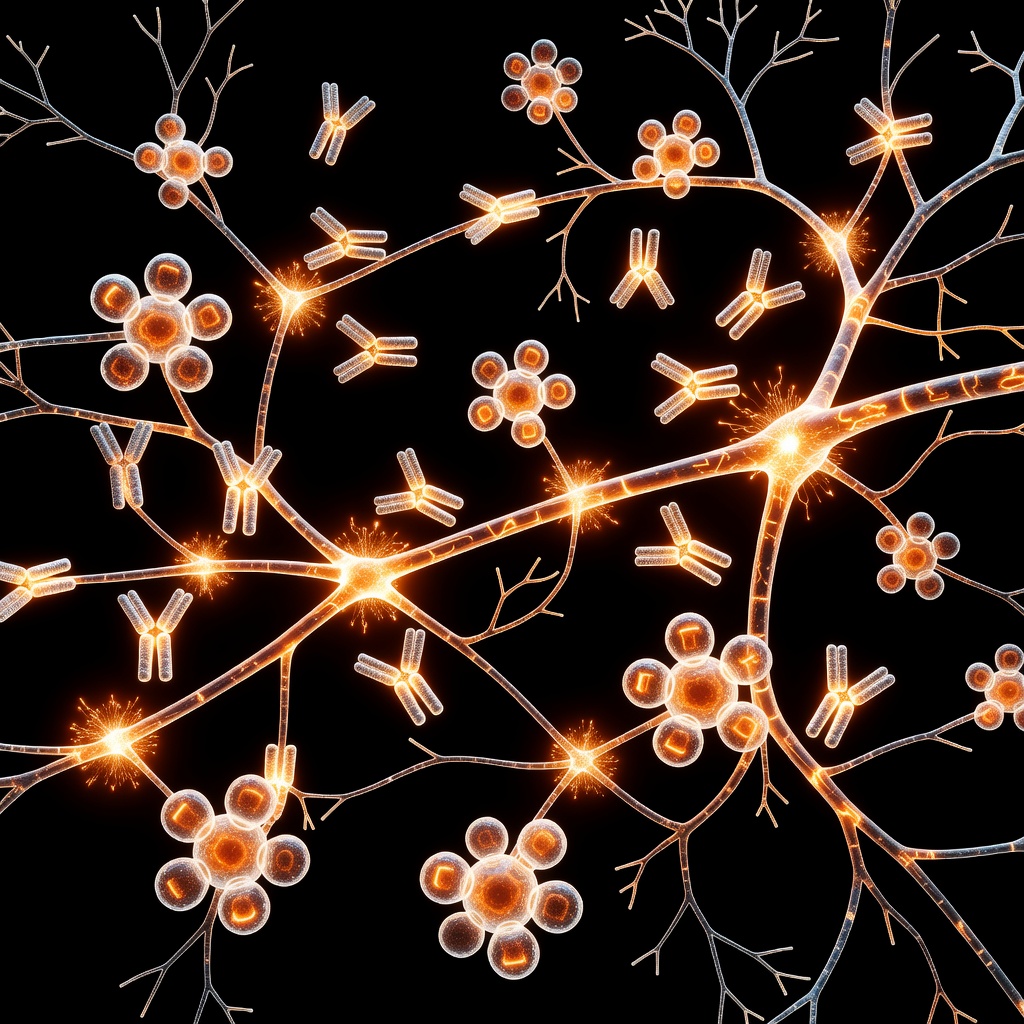
Introduction to Lipoedema and Mitochondrial Health
Lipoedema is a chronic, often debilitating condition primarily affecting women, characterized by a disproportionate distribution of adipose tissue in the legs and sometimes the arms. Unlike general obesity, lipoedema fat is resistant to diet and exercise. Emerging research suggests that the root cause may lie at the subcellular level, specifically within the mitochondria—the powerhouses of the cell.
The Role of Mitochondria in Adipose Tissue
Mitochondria are responsible for energy production through oxidative phosphorylation. In healthy adipose tissue, mitochondria efficiently manage lipid metabolism and thermogenesis. However, in Lipoedema patients, there is mounting evidence of mitochondrial structural abnormalities and decreased metabolic efficiency. When mitochondria fail to oxidize fatty acids effectively, the lipid load remains sequestered, leading to hypertrophy and hyperplasia of adipocytes.
The Cascade of Dysfunction
When mitochondrial output drops, the cell experiences oxidative stress. This stress triggers a cascade: chronic low-grade inflammation, altered adipokine secretion, and the activation of fibrotic pathways. As the mitochondria struggle to keep pace with cellular energy demands, the body initiates a pathological expansion of fat cells to store excess energy that cannot be properly utilized. This creates a feedback loop: increased fat volume further compromises mitochondrial function, leading to the characteristic 'heavy' and 'painful' limbs observed in patients.
Addressing the Root Cause
Clinical management should pivot toward restoring mitochondrial health. This includes identifying dietary triggers that exacerbate oxidative stress, incorporating targeted supplementation to support the electron transport chain, and utilizing therapies that promote lymphatic flow to reduce the toxic buildup associated with dysfunctional cellular metabolism.
Conclusion
Understanding Lipoedema as a metabolic and mitochondrial condition rather than a lifestyle-related fat accumulation is vital for effective treatment. By targeting mitochondrial support, patients may find pathways to mitigate symptom progression and improve overall metabolic resilience.
This article is provided for informational and educational purposes only. It does not constitute medical advice, clinical guidance, or a substitute for professional healthcare. Information reflects cited research at time of publication. Always consult a qualified healthcare professional before acting on any health information.
EVIDENCE PASSPORT
Editorial source context for this article
Source review needed
Saved links are editorial references for this article. They may support specific claims rather than every sentence. Open and assess each source in context. This passport does not independently verify them.
Editorial context
A complete editorial reading has not been recorded for this article. Source links remain available for you to open and assess directly.
Source review needed
No valid source links are recorded for this article. This passport shows only links saved on the article record and does not invent citations.
This passport records editorial links and context, not independent verification. Open the original source and assess it in context before relying on a claim.
Medical Disclaimer
The information in this article is for educational purposes only and does not constitute medical advice, diagnosis, or treatment. Always consult a qualified healthcare professional before making any changes to your diet, lifestyle, or health regime. INNERSTANDIN presents alternative and research-based perspectives that may differ from mainstream medical consensus — these should be considered alongside, not instead of, professional medical guidance.
Read Full DisclaimerContinue the thread
Keep this question moving.
Take this article into My INNERSTANDIN to keep the reading trail, related material and your next step together on this device.
Explore this in the Body Map
See where this hits your biology. Interactive anatomy, threats, and protective protocols.
Dig deeper in the Library
Free, longform PDF volumes that go beyond headlines into mechanisms and references.