
The Epigenetic Clock: How Environmental Factors Sculpt Your Biological Future
Updated April 2026
Evidence orientation
Editorial context not yet recorded
Follow this category
This stays in this browser. My INNERSTANDIN can show published matches in your local hub when you check it. It does not send email, push, or alert notifications.
Local learning review
A private browser aid for revisiting ideas. It is not an alert or a health recommendation.
Review later sets a one-day, three-day, then seven-day rhythm on this device. Choose it only when you want to revisit this article.
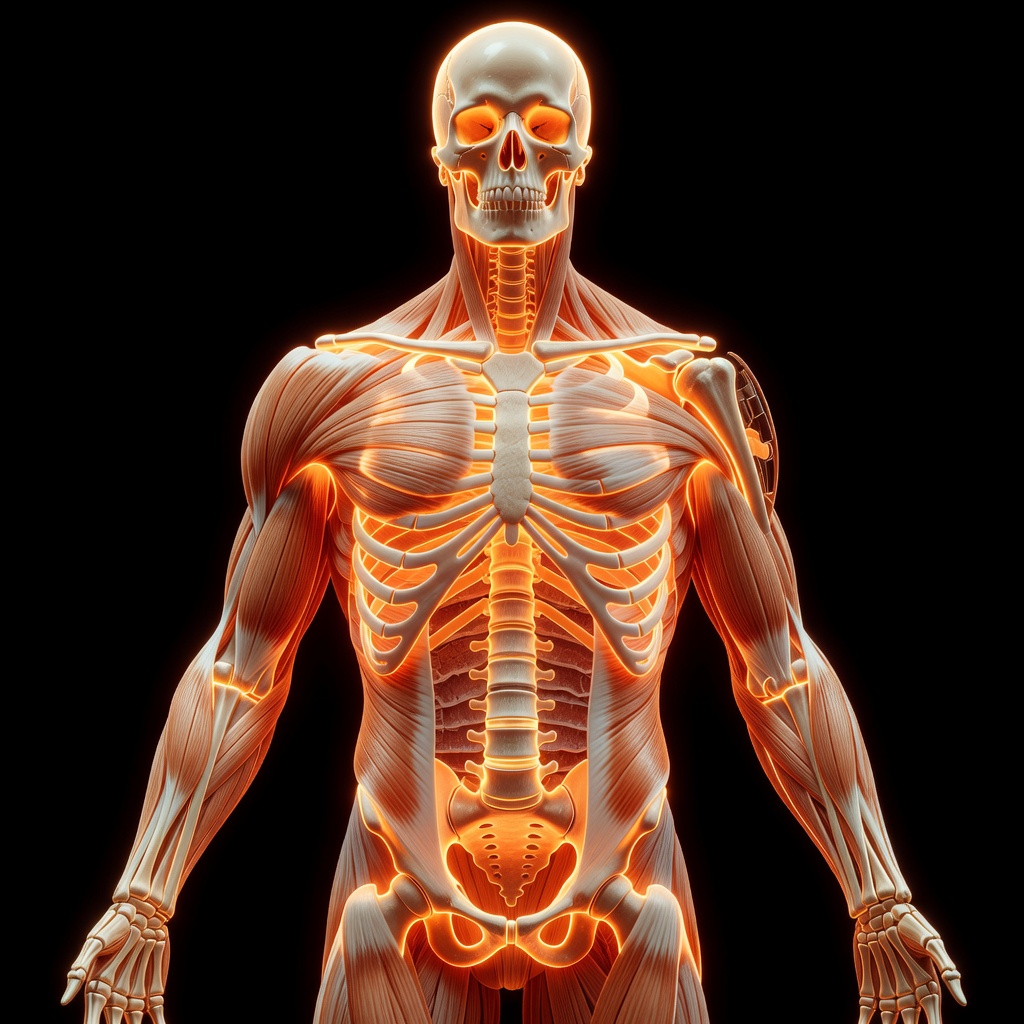
For decades, we were told that our genetic code was a fixed blueprint—a predetermined destiny etched in the double helix of our DNA. We believed that the chronic diseases of ageing, from cognitive decline to cardiovascular decay, were simply the inevitable ticking of a chronological timer. However, the emerging frontier of epigenetics has shattered this fatalistic paradigm.
The breakthrough discovery of the Epigenetic Clock suggests that your "biological age" is distinct from the number of candles on your birthday cake. While your genome provides the script, it is your environment, lifestyle, and even your thoughts that act as the director, deciding which genes are expressed and which are silenced. At INNERSTANDING, we believe that true empowerment comes from the realisation that you are not a victim of your heredity, but the architect of your biological future.
The Biological Mechanisms: Reading the Cellular Ledger
To understand the epigenetic clock, one must first understand DNA methylation. This is the primary mechanism by which the body regulates gene expression. Imagine your DNA as a vast library of instructions; methylation is the process of adding "chemical tags" (methyl groups) to specific regions of the DNA, effectively "locking" certain books so they cannot be read.
The Horvath Clock and Biological Age
In 2013, Dr. Steve Horvath of UCLA pioneered a mathematical model that could predict a person’s age with uncanny accuracy by measuring these methylation patterns across the genome. This became known as the Horvath Clock. Unlike chronological age, which merely counts the Earth's revolutions around the sun, the epigenetic clock measures the physiological wear and tear on your cells.
"Chronological age is a measure of time; biological age is a measure of decay, resilience, and the accumulated impact of one's environment on the cellular machinery."
Second-Generation Clocks: GrimAge and PhenoAge
While the first clocks measured how old you look to the computer, second-generation clocks like GrimAge and PhenoAge are designed to predict mortality and healthspan. These algorithms look for specific methylation markers associated with inflammation and organ dysfunction. If your epigenetic clock is "accelerated," your cells are functioning as if they are years, or even decades, older than your chronological age.
The UK Context: A Crisis of Accelerated Ageing
In the United Kingdom, the relevance of epigenetic science has never been more pressing. Despite the advancements of the NHS, we are witnessing a widening gap between life expectancy (how long we live) and healthspan (how long we live in good health).
The Social Gradient of Health
The UK’s "social gradient" is a stark example of epigenetic acceleration. Research indicates that individuals living in the most deprived areas of Britain often exhibit a biological age significantly higher than their wealthier counterparts, even when controlling for basic habits. This is due to "weathering"—the cumulative biological toll of poor air quality, nutritional poverty, and chronic psychosocial stress.
The "Standard British Diet" and Methylation
The prevalence of Ultra-Processed Foods (UPFs) in the British diet is a primary driver of epigenetic disruption. High-sugar, high-fat diets lack the essential methyl donors (such as folate, B12, and choline) required to maintain healthy methylation patterns. Without these raw materials, the "cellular ledger" becomes corrupted, leading to the premature "switching on" of pro-inflammatory and oncogenic (cancer-promoting) genes.
Environmental Factors: The Sculptors of Your DNA
Your epigenetic signature is not static; it is a fluid response to the exposome—the sum total of every environmental exposure you encounter.
1. Chronic Psychosocial Stress and Cortisol
Stress is perhaps the most potent epigenetic accelerant. Chronic activation of the HPA axis (the body's stress response) floods the system with cortisol. Prolonged exposure to cortisol alters the methylation of genes responsible for immune function and brain plasticity. In the UK’s high-pressure work culture, "burnout" is not just a mental state; it is a cellular event that advances the epigenetic clock.
2. The Invisible Threat: Air Pollution
For those living in major UK hubs like London, Birmingham, or Manchester, Particulate Matter (PM2.5) is a constant epigenetic threat. Studies have shown that long-term exposure to traffic-related air pollution can trigger "hypomethylation"—a state where genes that should be silenced (such as those promoting systemic inflammation) are accidentally "switched on."
3. Circadian Disruption and Light Pollution
The British winter, combined with the ubiquitous glow of blue light from devices, wreaks havoc on our circadian rhythms. Our epigenetic clocks are intrinsically linked to our internal 24-hour master clock. When we disrupt our sleep-wake cycles, we impair the body's ability to perform DNA repair and cellular autophagy, leading to accelerated biological ageing.
Key Fact: Research suggests that just one night of total sleep deprivation can induce immediate changes in the methylation patterns of genes involved in metabolic regulation.
Protective Strategies: Reversing the Clock
The most revolutionary aspect of epigenetics is its reversibility. Unlike a genetic mutation, which is permanent, epigenetic tags can be added or removed through targeted interventions. This is the essence of bio-hacking for longevity.
Nutri-Epigenetics: Feeding the Genome
To support healthy methylation, the body requires a constant supply of methyl donors.
- Leafy Greens: Spinach, kale, and broccoli are rich in folate, the cornerstone of the methylation cycle.
- Cruciferous Vegetables: Broccoli sprouts contain sulforaphane, a compound known to activate the Nrf2 pathway, which protects the genome from oxidative damage.
- Polyphenols: Green tea (EGCG), turmeric (curcumin), and berries contain phytonutrients that can inhibit "DNA methyltransferase," helping to prevent the silencing of tumour-suppressor genes.
Hormetic Stress: The "Good" Stress
While chronic stress accelerates the clock, hormetic stress—short, controlled bursts of physical challenge—can actually slow it down.
- High-Intensity Interval Training (HIIT): Exercise has been shown to "rejuvenate" the methylation patterns in skeletal muscle.
- Thermal Stress: Regular use of saunas or cold immersion triggers heat-shock proteins and sirtuins, enzymes that repair DNA and stabilise the epigenome.
Mind-Body Regulation
Because the epigenome is sensitive to the internal chemical environment, practices like mindfulness-based stress reduction (MBSR) and deep breathwork are powerful anti-ageing tools. By lowering systemic cortisol, these practices allow the epigenetic clock to stabilise, promoting cellular "quietude" over inflammatory "noise."
The Truth Exposed: The Corporatisation of Ageing
At INNERSTANDING, we must address the "elephant in the room." The current healthcare model is designed to treat the symptoms of an accelerated epigenetic clock rather than the cause. There is more profit in managing chronic disease than in empowering the individual to maintain biological youth.
The "Anti-Ageing" industry often focuses on superficial treatments—creams, fillers, and cosmetic procedures. However, these are merely "painting the rust." True longevity is an internal process. By the time a disease like Type 2 Diabetes or Alzheimer's is diagnosed, the epigenetic clock has usually been in an accelerated state for decades.
"The truth is: your biological age is the only metric of health that truly matters."
Key Takeaways: Mastering Your Biological Destiny
- Ageing is a Script, Not a Sentence: Your DNA is the hardware, but your epigenetics are the software. You have the power to "upgrade" your software through lifestyle choices.
- The Clock is Measurable: Epigenetic testing (Biological Age testing) is becoming increasingly accessible. Knowing your "rate of ageing" is more valuable than knowing your cholesterol levels.
- Methylation Requires Raw Materials: A diet rich in B-vitamins, minerals, and polyphenols is essential to keep the "switches" of your DNA functioning correctly.
- Environment Matters: Air quality, light exposure, and social connections are not just "lifestyle factors"—they are direct biochemical inputs that sculpt your genome.
- Consistency Over Intensity: Epigenetic changes occur over time. Small, daily choices—such as a 20-minute walk, a serving of greens, and seven hours of sleep—are the most powerful tools in your longevity arsenal.
The epigenetic clock is a call to action. It reminds us that every moment is an opportunity to communicate with our cells. By understanding the language of epigenetics, we move from a state of passive ageing to one of active evolution. Your biological future is not written in stone; it is being written right now, by you.
This article is provided for informational and educational purposes only. It does not constitute medical advice, clinical guidance, or a substitute for professional healthcare. Information reflects cited research at time of publication. Always consult a qualified healthcare professional before acting on any health information.
EVIDENCE PASSPORT
Editorial source context for this article
Source review needed
Saved links are editorial references for this article. They may support specific claims rather than every sentence. Open and assess each source in context. This passport does not independently verify them.
Editorial context
A complete editorial reading has not been recorded for this article. Source links remain available for you to open and assess directly.
Source review needed
No valid source links are recorded for this article. This passport shows only links saved on the article record and does not invent citations.
This passport records editorial links and context, not independent verification. Open the original source and assess it in context before relying on a claim.
Medical Disclaimer
The information in this article is for educational purposes only and does not constitute medical advice, diagnosis, or treatment. Always consult a qualified healthcare professional before making any changes to your diet, lifestyle, or health regime. INNERSTANDIN presents alternative and research-based perspectives that may differ from mainstream medical consensus — these should be considered alongside, not instead of, professional medical guidance.
Read Full DisclaimerContinue the thread
Keep this question moving.
Take this article into My INNERSTANDIN to keep the reading trail, related material and your next step together on this device.