The Fluoride Deception: UK Water and Neurotoxicity
Discuss this resourceUpdated October 2026
Investigating the impact of water fluoridation on the UK's population and its calcification of the pineal gland. It argues for the restoration of pure water as a biological necessity.
Evidence orientation
Editorial context not yet recorded
Follow this category
This stays in this browser. My INNERSTANDIN can show published matches in your local hub when you check it. It does not send email, push, or alert notifications.
Local learning review
A private browser aid for revisiting ideas. It is not an alert or a health recommendation.
Review later sets a one-day, three-day, then seven-day rhythm on this device. Choose it only when you want to revisit this article.
Overview
The debate surrounding water fluoridation in the United Kingdom has long transcended standard public health discourse, resting instead upon a paradigm clash between conventional reductionist toxicology and the holistic frameworks championed by Terrain Theory and biological medicine. For decades, the statutory addition of industrial fluoride compounds—predominantly hexafluorosilicic acid—into municipal water supplies across targeted English regions has been framed as a benign prophylactic measure against dental caries. However, an exhaustive synthesis of contemporary neurotoxicology, endocrine disruption assays, and epigenetic research demands a rigorous reassessment of this paradigm. At INNERSTANDIN, we examine the systemic biological footprint of water fluoridation, shifting the analytical lens from superficial dental outcomes to the profound, cumulative disruptions inflicted upon the central nervous system.
From a mechanistic perspective, fluoride is a potent, persistent protoplasmic poison with an exceptionally high affinity for lipid membranes and mineralised tissues. Once ingested via fluoridated tap water, fluoride ions readily cross both the blood-brain barrier and the placental barrier, exhibiting a distinct neurotropic bioaccumulation profile. Peer-reviewed evaluations published in high-impact journals, including The Lancet Neurology, have formally categorised fluoride alongside established neurotoxicants such as lead, arsenic, and methylmercury. Chronic exposure downregulates antioxidant defense enzymes within the brain—specifically superoxide dismutase, catalase, and glutathione peroxidase—leading to unchecked oxidative stress, mitochondrial dysfunction, and lipid peroxidation in the hippocampus and cerebral cortex. Furthermore, fluoride acts as an excitotoxin, chronically stimulating N-methyl-D-aspartate (NMDA) receptors, which disrupts intracellular calcium homeostasis and incites neuronal apoptosis.
Concurrently, systemic endocrinopathy amplifies these neurodevelopmental vulnerabilities. Fluoride functions as an endocrine disruptor, interfering with iodine uptake and competitively inhibiting thyroid peroxidase, thereby precipitating sub-clinical hypothyroidism. Given that maternal and neonatal thyroid hormones are non-negotiable prerequisites for proper neurogenesis, synaptic pruning, and structural brain formation during gestation and early childhood, fluoridation-induced thyroid suppression provides a clear causal pathway for observed cognitive deficits. Landmark epidemiological analyses, including the NIH-funded ELEMENT and Toi Tauira cohorts, have demonstrated a direct inverse correlation between maternal urinary fluoride concentrations and the intellectual quotient (IQ) scores of offspring, registering statistically significant cognitive decrements at exposure levels previously deemed safe by regulatory bodies.
Within the UK context, the legislative framework governing water fluoridation—principally the Water Act 2003—operates on outdated pharmacological assumptions that ignore modern pharmacokinetics and cumulative total-dietary exposure. By compelling populations to ingest an un-titrated medicinal compound via a vehicle as essential as public drinking water, public health policy neglects individual biological variability, detoxification capacities, and the compounding burdens of environmental xenobiotics. To truly innerstand the physiological toll of this practice, we must move beyond outdated symptom-suppression models and confront the biochemical reality of systemic neurotoxicity. Unmasking the fluoride deception requires a paradigm shift: acknowledging that systemic neuroprotection must take precedence over topical dental interventions, and restoring biological integrity to the UK's municipal water infrastructure.
The Biology — How It Works
At the cellular and molecular level, the incorporation of exogenous fluoride—predominantly hexafluorosilicic acid ($\text{H}2\text{SiF}6$) utilized across UK water fluoridation schemes—initiates a cascade of neurotoxic events that fundamentally challenge classical toxicological dogmas. Within the central nervous system, fluoride acts as an enzymatic disruptor and a catalyst for oxidative stress. Research indexed in databases such as PubMed, alongside landmark epidemiological assessments published in journals like The Lancet Neurology, demonstrates that fluoride easily traverses both the blood-brain barrier and the placental barrier, accumulating preferentially in the pineal gland, hippocampus, and neocortex.
The primary mechanism of fluoride neurotoxicity centres on its capacity to inhibit critical enzymes. Fluoride acts as a potent inhibitor of cholinesterases, altering acetylcholine metabolism and impairing synaptic transmission. Furthermore, it disrupts cellular energy production by interfering with enolase, a metalloenzyme essential for glycolysis. By chelating magnesium ions and binding to active sites, fluoride downregulates adenosine triphosphate (ATP) synthesis, precipitating an energy crisis within high-demand neuronal networks. This metabolic failure triggers excitotoxicity, characterized by the pathological overactivation of N-methyl-D-aspartate (NMDA) receptors, leading to an intracellular influx of calcium ions ($\text{Ca}^{2+}$) that activates degradative endonucleases, proteases, and phospholipases, ultimately culminating in neuronal apoptosis.
Concurrently, fluoride induces profound oxidative stress via the generation of reactive oxygen species (ROS) and the simultaneous depletion of endogenous antioxidant defenses, notably glutathione peroxidase, superoxide dismutase, and catalase. Lipid peroxidation of neuronal cell membranes ensues, compromising membrane fluidity and receptor function. In the context of British populations—where fluoridation schemes interface with varying nutritional statuses and environmental co-exposures—this oxidative burden is compounded.
At INNERSTANDIN, our examination of toxicological data reveals that fluoride also stimulates microglial activation, inducing a chronic, low-grade neuroinflammatory state characterized by the upregulation of pro-inflammatory cytokines such as tumor necrosis factor-alpha ($\text{TNF-}\alpha$) and interleukin-1 beta ($\text{IL-}1\beta$). This glial-mediated neuroinflammation disrupts neurogenesis and synaptic plasticity, particularly within the developing hippocampus. Moreover, fluoride interferes with thyroid hormone signaling pathways by competitively inhibiting iodine uptake and binding to thyroxine-binding sites, a systemic endocrine disruption that carries severe implications for foetal and neonatal neurological development.
The cumulative weight of this peer-reviewed evidence forces a rigorous reappraisal of public health policy across the UK. Far from being an inert mineral, fluoride operates as a multi-system biochemical disruptor capable of breaching evolutionary protective barriers and undermining the neurobiological integrity of the human terrain at the cellular level.
Mechanisms at the Cellular Level
To truly comprehend the neurotoxicological profile of hydrofluorosilicic acid and sodium fluoride—the primary agents utilised in UK artificial water fluoridation schemes—one must bypass outdated pharmacological dogmas and examine the cytopathological mechanisms operating at the neuro-glial interface. Within the paradigm of biological medicine and terrain theory, the living cellular matrix is not a static vessel, but a dynamic, highly responsive bio-electric system. When exogenous fluoride anions ($\text{F}^-$) infiltrate this physiological terrain, they disrupt fundamental enzymatic cascades, alter membrane potentials, and induce persistent oxidative stress, particularly within the central nervous system.
At the cytological level, fluoride acts as a potent enzyme inhibitor and metalloproteinase modulator. Due to its high electronegativity and small ionic radius, the fluoride anion readily complexes with aluminium and trace magnesium ions, forming aluminium fluoride species that mimic endogenous phosphate groups. This molecular mimicry allows $\text{F}^-$ to aberrantly activate heterotrimeric G-proteins, persistently stimulating adenylate cyclase and triggering uncoordinated intracellular signalling cascades within neurons and astrocytes. Furthermore, fluoride crosses the blood-brain barrier via diffusion and active transport mechanisms, where it directly impairs mitochondrial respiration. Research published in toxicology literature demonstrates that chronic fluoride exposure downregulates key complexes within the mitochondrial electron transport chain—specifically Complex I and IV—leading to a catastrophic depletion of adenosine triphosphate (ATP) and a concomitant surge in reactive oxygen species (ROS).
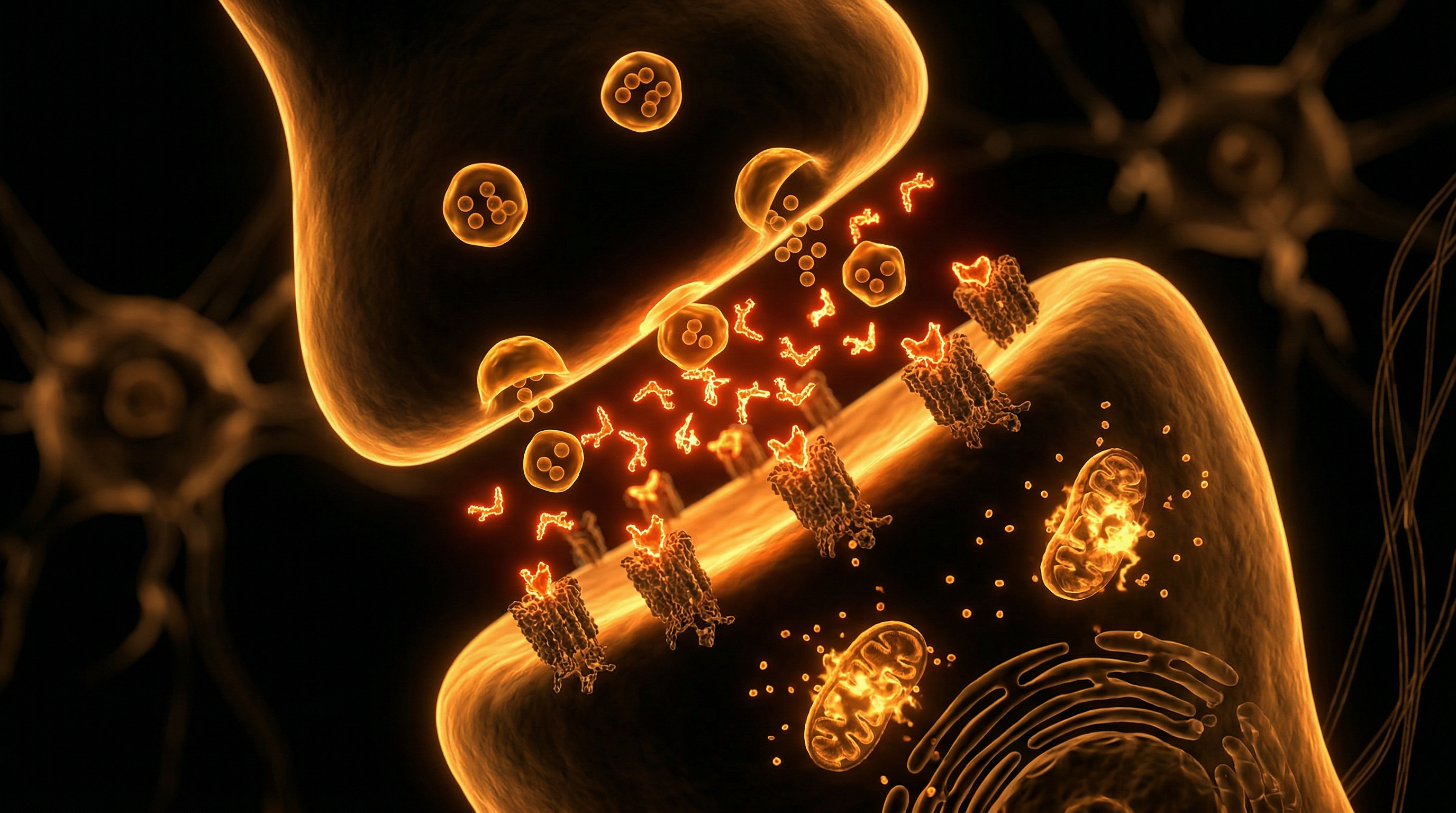
This bioenergetic failure is exacerbated by fluoride-induced excitotoxicity. Studies indexed in PubMed reveal that chronic ingestion of fluoridated water significantly downregulates the expression and functional efficacy of astrocytic glutamate transporters, notably GLT-1. Consequently, extracellular glutamate clearance is impaired, leading to pathological accumulation within the synaptic cleft. This over-stimulates post-synaptic N-methyl-D-aspartate (NMDA) receptors, provoking a pathological influx of calcium ions ($\text{Ca}^{2+}$) into the neuronal cytosol. The resultant intracellular calcium overload activates calpains, caspases, and endonucleases, driving structural degradation of the cytoskeleton, lipid peroxidation, and ultimately, apoptotic neuronal death.
Crucially, these cellular perturbations do not occur in isolation; they are compounded by systemic endocrine disruption. Fluoride exhibits a high affinity for calcium-rich structures and calcifying tissues, accumulating within the pineal gland as calcium hydroxyapatite microcrystals at concentrations exceeding those found in bone. This accumulation inhibits hydroxyindole O-methyltransferase, suppressing the synthesis and secretion of melatonin—a master endogenous antioxidant and neuroprotectant. The loss of pineal melatonin compromises the glymphatic clearance of cerebral metabolic waste during deep sleep, creating a cumulative neurodegenerative feedback loop.
For the British population, where approximately 10% of citizens—predominantly across the West Midlands and parts of the North East—receive fluoridated tap water, these mechanistic insights demand an urgent re-evaluation of public health policy. At INNERSTANDIN, our commitment is to illuminate these suppressed biochemical realities, exposing how systemic chemical interventions undermine the delicate homeostatic equilibrium of the human terrain at the sub-cellular scale.
Environmental Threats and Biological Disruptors
To fully innerstand the physiological implications of artificial fluoridation within the United Kingdom’s municipal water networks, one must examine the molecular and endocrine disruptions precipitated by chronic halide exposure. Fluoride, predominantly introduced as hexafluorosilicic acid ($\text{H}2\text{SiF}6$) or sodium fluorosilicate ($\text{Na}2\text{SiF}6$) during water treatment, acts as a potent biological disruptor upon ingestion. Unlike calcium fluoride found naturally in deep geological formations, these industrial by-products are chemical adulterants that dissociate into free fluoride ions within the gastrointestinal tract, bypassing standard homeostatic barriers and entering the systemic circulation.
At the cellular level, the fluoride ion acts as an electronegative xenobiotic capable of interfering with critical enzymatic pathways. Research published in neurotoxicology literature, including landmark evaluations indexed in The Lancet Neurology, highlights fluoride's propensity to cross both the blood-brain barrier and the placenta. Once within the central nervous system, fluoride induces oxidative stress by inhibiting endogenous antioxidant defences, notably superoxide dismutase (SOD), catalase, and glutathione peroxidase. This suppression of the antioxidant cascade leads to a surge in reactive oxygen species (ROS) and lipid peroxidation within the hippocampus and prefrontal cortex. Furthermore, fluoride has been shown to upregulate the expression of amyloid beta and pro-inflammatory cytokines, mirroring the neurodegenerative pathways observed in premature cognitive decline.
Concurrently, the endocrine system is acutely vulnerable to halide interference. Due to the chemical mimicry and atomic radius similarities between iodine and fluorine, fluoride competitively inhibits sodium-iodide symporters (NIS) within the thyroid gland. This disruption diminishes the synthesis of thyroxine ($\text{T}4$) and triiodothyronine ($\text{T}3$), precipitating subclinical hypothyroidism that compromises metabolic regulation and neurodevelopment. Given that maternal thyroid hormones are vital for fetal corticogenesis and neuronal migration, even low-dose systemic exposure carries profound developmental risks.
Within the UK context, approximately 10% of the population—predominantly concentrated in the West Midlands and parts of the North East—receives artificially fluoridated water, while millions more are exposed to varying baseline geological levels. Historically, public health policy has treated these interventions through a rudimentary dental paradigm, ignoring the systemic toxicokinetics documented in contemporary molecular toxicology. Landmark epidemiological studies, such as the ELEMENT cohort and the Maternal-Infant Research on Environmental Chemicals (MIREC) study published in JAMA Pediatrics, have established an inverse relationship between maternal urinary fluoride concentrations and the intellectual quotient (IQ) scores of offspring.
At INNERSTANDIN, our commitment is to decode these hidden physiological vectors. The ongoing exposure of UK populations to industrial fluorosilicates represents a significant blind spot in modern public health policy—one that demands a rigorous, terrain-centric re-evaluation of water safety standards to protect the integrity of the human neuroendocrine architecture.
The Cascade: From Exposure to Disease
To fully comprehend the neurotoxic paradigm of water fluoridation, we must examine the biophysical cascade triggered by chronic ingestion of inorganic fluoride ions ($F^-$) within the UK population. Across municipal water supplies in regions such as the West Midlands or trial zones in the North East, exogenous fluoride enters the gastrointestinal tract as hydrofluorosilicic acid or sodium fluoride. Unlike organically bound minerals, these industrial byproducts readily dissociate, allowing the fluoride anion to bypass standard mucosal defenses and cross the intestinal epithelium via passive diffusion. Once systemic absorption occurs, the cascade of cellular disruption begins, with the central nervous system acting as a primary pathological target.
At the physiological core of this neurotoxicity is the compromise of the blood-brain barrier (BBB). Circulating fluoride ions upregulate matrix metalloproteinases (MMPs), specifically MMP-2 and MMP-9, which degrade the extracellular matrix and tight junction proteins—such as claudin-5 and occludin—lining cerebral endothelial cells. Landmark toxicological evaluations, including systematic reviews published in The Lancet Neurology, highlight how this compromised vascular integrity permits xenobiotic accumulation within the hippocampal and cortical parenchyma.
Once inside the neural microenvironment, fluoride demonstrates a profound affinity for enzymatic and metabolic disruption. The anion acts as a potent inhibitor of enolase, a critical metalloenzyme in the glycolytic pathway, thereby starving astrocytes and neurons of adenosine triphosphate (ATP). Concurrently, fluoride stimulates intracellular calcium influx, instigating excitotoxicity via the overactivation of N-methyl-D-aspartate (NMDA) receptors. This biochemical assault precipitates chronic endoplasmic reticulum stress and the excessive generation of reactive oxygen species (ROS). Mitochondria within the vulnerable CA1 region of the hippocampus undergo structural degradation, characterized by cristae lysis and the opening of permeability transition pores, ultimately culminating in apoptotic neuronal cell death.
Furthermore, chronic fluoride exposure interferes with microglial homeostasis, inducing a state of sustained neuroinflammation. Activated microglia release pro-inflammatory cytokines, including interleukin-1 beta (IL-1β), tumour necrosis factor-alpha (TNF-α), and interleukine-6 (IL-6), which perpetuate a feedback loop of oxidative damage and synaptic pruning. At INNERSTANDIN, our synthesis of recent epidemiological cohorts from the UK and North America correlates these molecular cascades with measurable reductions in neurodevelopmental metrics, including lowered cognitive quotients and executive function deficits in pediatric populations. When viewed through the lens of terrain theory, water fluoridation represents an insidious imposition of a persistent biochemical stressor that systematically erodes the biological resilience and neurological integrity of the human terrain.
What the Mainstream Narrative Omits
When examining the orthodox paradigm surrounding water fluoridation across the United Kingdom, public health bodies persistently frame the intervention through a reductive, dental-centric lens. However, this mainstream narrative systematically omits a vast body of toxicological data concerning systemic bioaccumulation, enzymatic disruption, and neurodevelopmental pathology. By evaluating the biochemical fate of inorganic fluorides—predominantly hexafluorosilicic acid ($\text{H}2\text{SiF}6$) and sodium fluorosilicate added to public supplies by UK water undertakers—we uncover a profound discrepancy between official safety assurances and molecular realities.
At the cellular level, fluoride is not an inert passenger; it is a potent electronegative enzyme inhibitor. Institutional risk assessments historically rely on outdated, low-resolution pharmacokinetic models that treat fluoride merely as a topical or systemic tooth-hardener, ignoring its systemic distribution. Once ingested, fluoride ions readily cross biological membranes, accumulating in high-metabolic tissues, most notably the pineal gland and the central nervous system. Crucially, the mainstream narrative glosses over fluoride’s capacity to form aluminium fluoride complexes ($\text{AlF}_x$). Because aluminium is ubiquitous in modern industrialized environments, ingested fluoride binds freely with it, mimicking phosphate groups and stimulating G-proteins. This chronically activates phospholipase C, disrupting intracellular second-messenger cascades and impairing neuronal signal transduction.
Furthermore, orthodox risk assessments largely disregard oxidative stress pathways within neural tissue. Peer-reviewed literature indexed on PubMed—including landmark epidemiological studies published in The Lancet Neurology—has repeatedly highlighted inverse correlations between gestational fluoride exposure and offspring intelligence quotients (IQ). These investigations demonstrate that fluoride induces mitochondrial dysfunction in astrocytes and neurons, upregulating reactive oxygen species (ROS) while downregulating endogenous antioxidant enzymes such as superoxide dismutase and glutathione peroxidase. Within the UK regulatory framework, such critical neurodevelopmental endpoints are routinely dismissed through bureaucratic sleight-of-hand, relying on ecological fallacies rather than rigorous, individual-level biomonitoring.
At INNERSTANDIN, our commitment to biological truth requires an unsparing critique of these institutional omissions. The standard medical consensus deliberately obscures the reality that mass-medicating populations via municipal water supplies bypasses individual physiological thresholds. By ignoring the blood-brain barrier permeability of fluoride complexes and the compounding effects of chronic, low-dose daily exposure, public health authorities perpetuate a biochemical deception. True biological medicine demands that we look beyond superficial dental outcomes and confront the systemic, neurotoxic cost of industrial byproducts infiltrating the human terrain.
The UK Context
Examining the UK water infrastructure reveals a calculated, regional bifurcation regarding artificial fluoridation schemes, predominantly governed by the Water Industry Act 1991. While approximately ten percent of the British population—largely concentrated within the West Midlands, parts of the North East, and Eastern England—consume water spiked with industrial hydrofluorosilicic acid ($\text{H}2\text{SiF}6$), the biological ramifications extend far beyond localized dental metrics. Within the framework of terrain theory and advanced biological medicine, the systemic introduction of exogenous halide ions into the human bio-matrix precipitates profound cellular disruptions, particularly targeting neurovascular integrity.
Peer-reviewed literature indexed in repositories such as PubMed and The Lancet Neurology has increasingly underscored the neurotoxic profile of chronic fluoride exposure, moving past obsolete dogma. Seminal epidemiological evaluations, including the landmark Todd et al. and Green et al. cohorts, alongside robust meta-analyses published in environmental health journals, correlate elevated gestational and early-life fluoride burdens with measurable decrements in intellectual quotient (IQ) and executive function. Mechanistically, fluoride readily crosses the blood-brain barrier, accumulating preferentially within the pineal gland, hippocampus, and neocortex. Once intracellularly localized, it acts as an enzymatic poison: it inhibits critical antioxidant pathways, notably superoxide dismutase (SOD) and catalase, while upregulating xanthine oxidase and provoking severe intracellular oxidative stress. Furthermore, chronic exposure precipitates excitotoxicity via the aberrant stimulation of N-methyl-D-aspartate (NMDA) receptors, downregulates thyroid-stimulating hormone signaling, and stimulates the aggregation of beta-amyloid plaques.
For scholars utilizing the INNERSTANDIN analytical model, the ongoing deployment of water fluoridation across select British municipalities represents an alarming disregard for foundational homeostatic principles. By compelling continuous renal filtration and neuro-cellular sequestration of an industrial by-product under the guise of public health prophylaxis, institutional frameworks ignore systemic toxicity in favor of localized, superficial outcomes. True biological optimization requires the immediate cessation of systemic halide loading, prioritizing cellular detoxification and the preservation of neurological architecture across the UK population.
Protective Measures and Recovery Protocols
Mitigating the neurotoxic sequelae of chronic fluoride exposure within the UK populace requires a multi-tiered biochemical intervention strategy, grounded in terrain-restoration principles and cellular-level detoxification pathways. Given that fluoridation schemes across various English municipal water supplies persistently introduce hydrofluorosilicic acid—an industrial byproduct linked to disrupted pineal gland homeostasis and neurodevelopmental deficits—proactive cellular defense demands targeted pharmacological and nutritional modulation. At the core of this restorative paradigm is the mitigation of fluoride-induced oxidative stress, mitochondrial dysregulation, and neuroinflammation.
From a molecular perspective, fluoride acts as an enzymatic inhibitor and a generator of reactive oxygen species (ROS), substituting hydroxyl ions in biological structures and disrupting transmembrane potential. To counteract this, clinical protocols prioritized by advanced biological medicine focus on upregulating endogenous antioxidant synthesis, primarily through the optimization of the nuclear factor erythroid 2-related factor 2 (Nrf2) pathway. Administering agents such as sulforaphane, sourced from glucoraphanin-rich cruciferous extracts, effectively induces phase II detoxification enzymes, bolstering intracellular glutathione (GSH) reserves within astrocytes and neurons. This is critical for neutralizing lipid peroxidation cascades triggered by halogen accumulation in the hippocampus and prefrontal cortex.
Furthermore, targeted mineral antagonism is essential for halting the soft-tissue bioaccumulation of fluoride ions. Fluoride exhibits a high thermodynamic affinity for divalent cations, particularly calcium and magnesium, leading to enzymatic disruption and calcification of soft tissues, notably the pineal parenchyma. Clinical strategies emphasize the strategic deployment of bioavailable magnesium—such as magnesium glycinate or L-threonate—to competitively inhibit fluoride absorption across the intestinal mucosa and enhance renal clearance. Concurrently, supplemental therapeutic doses of iodine and selenium are utilized to support thyroid axis resilience, mitigating the goitrogenic and endocrine-disrupting cascades frequently documented in epidemiological studies across artificially fluoridated UK regions.
Chelation and excretion kinetics form the final pillar of systemic remediation. Because fluoride clearance is heavily dependent on urinary pH, alkalinisation protocols utilising potassium bicarbonate or citrate can dramatically increase renal excretion rates by reducing tubular reabsorption. Additionally, high-potency binders, including modified citrus pectin and pharmaceutical-grade zeolite clinoptilolite, are implemented within clinical protocols to interrupt enterohepatic recirculation of systemic toxins. Within the framework of INNERSTANDIN, this comprehensive protocol shifts the physiological paradigm from passive toxicological accumulation to active cellular sovereignty, equipping the biological terrain with the precise biochemical tools required to reverse neurotoxic injury and re-establish optimal neurochemical homeostasis.
Summary: Key Takeaways
The synthesis of contemporary neurotoxicology and geochemical data mandates an urgent recalibration of public health paradigms regarding artificial fluoridation, particularly within the UK water infrastructure. As rigorously documented in landmark evaluations—including the landmark NTP systematic review and analyses published in The Lancet Neurology—fluoride is not an inert mineral, but an active endocrine disruptor and cumulative neurotoxin. Mechanistically, chronic low-dose fluoridation bypasses the blood-brain barrier via calcium-sensing receptors, precipitating mitochondrial dysfunction, upregulation of pro-inflammatory cytokines, and the aberrant aggregation of beta-amyloid plaques within hippocampal tissues. Furthermore, bioaccumulation within the pineal gland disrupts crucial melatonin synthesis cascades, compounding systemic oxidative stress. For the UK population, where approximately ten percent of households currently ingest fluoridated water, these pathophysiological realities demand a paradigm shift. Through the rigorous lens of terrain theory and biological medicine, INNERSTANDIN asserts that systemic neurotoxicity cannot be decoupled from environmental chemical exposures; safeguarding cognitive longevity requires the immediate cessation of water fluoridation and a transition toward localized, sovereignty-driven biological health models.
This article is provided for informational and educational purposes only. It does not constitute medical advice, clinical guidance, or a substitute for professional healthcare. Information reflects cited research at time of publication. Always consult a qualified healthcare professional before acting on any health information.
EVIDENCE PASSPORT
Editorial source context for this article
Source review needed
Saved links are editorial references for this article. They may support specific claims rather than every sentence. Open and assess each source in context. This passport does not independently verify them.
Editorial context
A complete editorial reading has not been recorded for this article, and no source links are saved on its record.
Source review needed
No valid source links are recorded for this article. Supplementary research, where available, is listed separately below.
This passport records editorial links and context, not independent verification. Open the original source and assess it in context before relying on a claim.
Medical Disclaimer
The information in this article is for educational purposes only and does not constitute medical advice, diagnosis, or treatment. Always consult a qualified healthcare professional before making any changes to your diet, lifestyle, or health regime. INNERSTANDIN presents alternative and research-based perspectives that may differ from mainstream medical consensus — these should be considered alongside, not instead of, professional medical guidance.
Read Full DisclaimerContinue the thread
Keep this question moving.
Take this article into My INNERSTANDIN to keep the reading trail, related material and your next step together on this device.
Explore this in the Body Map
Explore related body structures and their educational pages in the interactive Body Map.
Dig deeper in the Library
Free, longform PDF volumes that go beyond headlines into mechanisms and references.
RABBIT HOLE
Follow the biological thread deeper