
The Gut-Brain Axis Under Siege: Quantifying the Neurological Consequences of Leaky Gut Syndrome
Discuss this resourceUpdated September 2026
An in-depth exploration of how increased intestinal permeability triggers systemic inflammation, compromising the blood-brain barrier and driving neurological dysfunction.
Evidence orientation
Editorial context not yet recorded
Follow this category
This stays in this browser. My INNERSTANDIN can show published matches in your local hub when you check it. It does not send email, push, or alert notifications.
Local learning review
A private browser aid for revisiting ideas. It is not an alert or a health recommendation.
Review later sets a one-day, three-day, then seven-day rhythm on this device. Choose it only when you want to revisit this article.
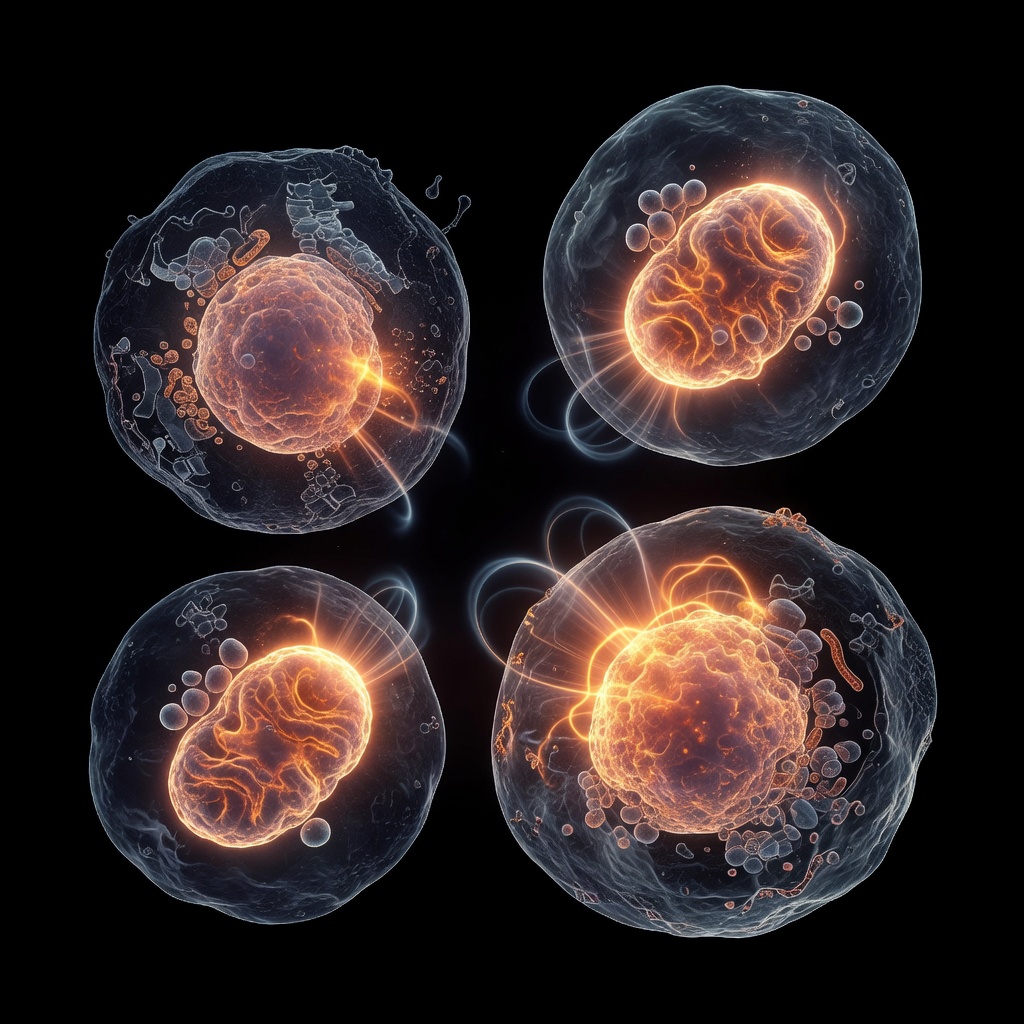
The Foundation of the Axis. The gut-brain axis is a bidirectional communication network linking the enteric nervous system with the central nervous system. At the heart of this connection lies the intestinal mucosal barrier—a single layer of epithelial cells sealed by tight junction proteins. When these junctions fail, a condition known as increased intestinal permeability, or 'Leaky Gut Syndrome,' occurs. ### The Mechanism of Siege. In a healthy gut, the barrier acts as a selective filter.
Under siege, the barrier allows endotoxins, specifically lipopolysaccharides (LPS) derived from gram-negative bacteria, to translocate into the bloodstream. Once in systemic circulation, these molecules trigger an immune response, elevating pro-inflammatory cytokines such as TNF-alpha and IL-6. ### Neurological Consequences. Chronic systemic inflammation eventually compromises the blood-brain barrier (BBB). Research indicates that elevated LPS levels can activate microglia, the brain's resident immune cells. This activation leads to neuroinflammation, a primary driver in cognitive decline, mood disorders, and brain fog.
The constant state of 'immune alert' diverts metabolic resources, impacting neurotransmitter synthesis, particularly serotonin and dopamine, which are predominantly synthesized in the gut. ### Root-Cause Analysis. The siege on the gut-brain axis is rarely a singular event. It is usually the result of a convergence of modern environmental factors: processed dietary choices, chronic stress-induced cortisol dysregulation, and the over-prescription of non-steroidal anti-inflammatory drugs (NSAIDs). Identifying these root causes is essential for reversing the permeability cascade. ### Restorative Strategies. Healing requires a multi-pronged approach: removing inflammatory triggers like gluten or lectins, re-inoculating the microbiome with targeted probiotics, and repairing the epithelial lining through glutamine supplementation and zinc carnosine.
At INNERSTANDING, we emphasize that cognitive clarity begins in the gut.
This article is provided for informational and educational purposes only. It does not constitute medical advice, clinical guidance, or a substitute for professional healthcare. Information reflects cited research at time of publication. Always consult a qualified healthcare professional before acting on any health information.
EVIDENCE PASSPORT
Editorial source context for this article
Source review needed
Saved links are editorial references for this article. They may support specific claims rather than every sentence. Open and assess each source in context. This passport does not independently verify them.
Editorial context
A complete editorial reading has not been recorded for this article, and no source links are saved on its record.
Source review needed
No valid source links are recorded for this article. Supplementary research, where available, is listed separately below.
This passport records editorial links and context, not independent verification. Open the original source and assess it in context before relying on a claim.
Medical Disclaimer
The information in this article is for educational purposes only and does not constitute medical advice, diagnosis, or treatment. Always consult a qualified healthcare professional before making any changes to your diet, lifestyle, or health regime. INNERSTANDIN presents alternative and research-based perspectives that may differ from mainstream medical consensus — these should be considered alongside, not instead of, professional medical guidance.
Read Full DisclaimerContinue the thread
Keep this question moving.
Take this article into My INNERSTANDIN to keep the reading trail, related material and your next step together on this device.
Explore this in the Body Map
Explore related body structures and their educational pages in the interactive Body Map.
Dig deeper in the Library
Free, longform PDF volumes that go beyond headlines into mechanisms and references.