
The Gut-Brain-Ovary Axis: Microbiome Metabolites as Modulators of PMDD Symptom Severity
Discuss this resourceUpdated August 2026
An in-depth exploration of how the gut microbiome influences hormonal health and neurological well-being, specifically focusing on the biological mechanisms behind Premenstrual Dysphoric Disorder (PMDD).
Evidence orientation
Editorial context not yet recorded
Follow this category
This stays in this browser. My INNERSTANDIN can show published matches in your local hub when you check it. It does not send email, push, or alert notifications.
Local learning review
A private browser aid for revisiting ideas. It is not an alert or a health recommendation.
Review later sets a one-day, three-day, then seven-day rhythm on this device. Choose it only when you want to revisit this article.
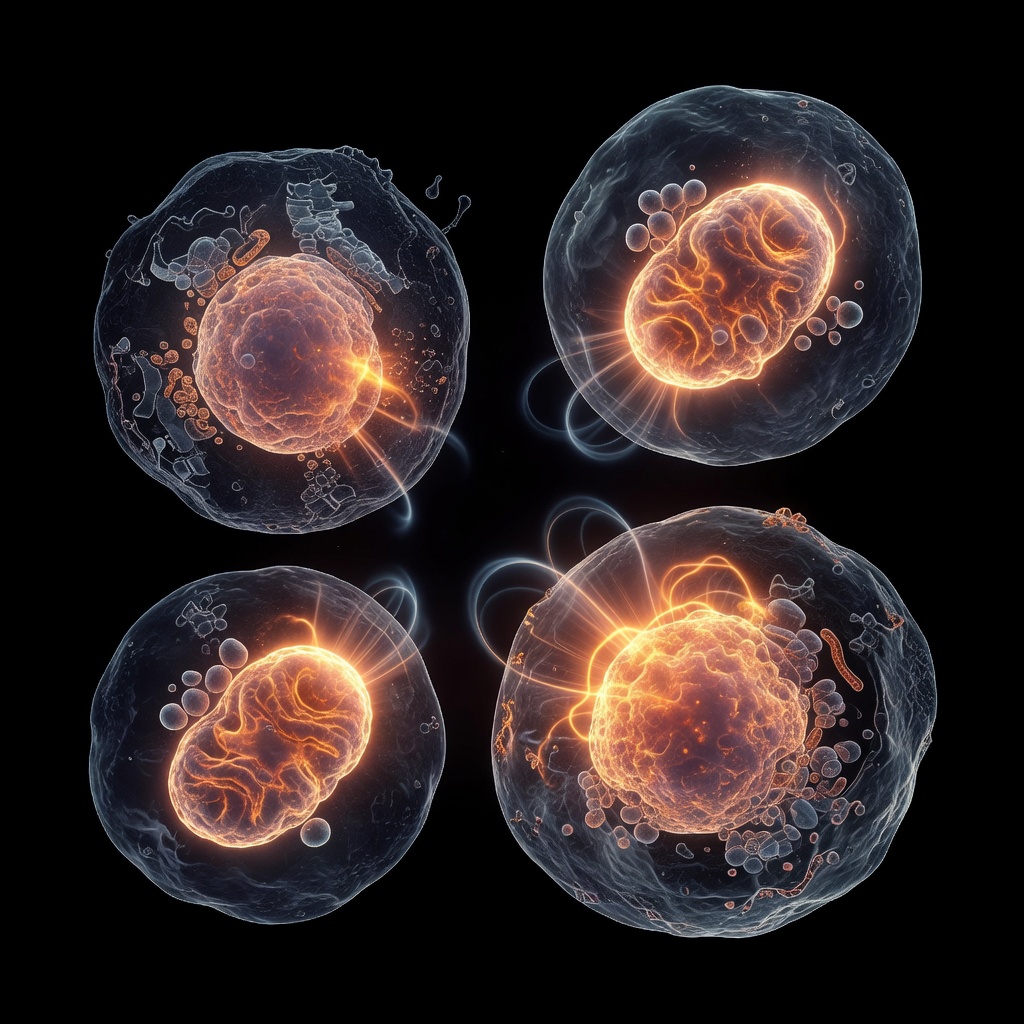
Introduction to the Gut-Brain-Ovary Axis. Premenstrual Dysphoric Disorder (PMDD) is far more than a hormonal fluctuation; it is a complex systemic condition involving a breakdown in the communication between the gut, the brain, and the ovaries. At INNERSTANDING, we focus on the gut-brain-ovary axis as a fundamental root-cause framework for understanding how microbial health dictates the severity of cyclical mood disturbances. ### The Estrobolome: The Gut's Role in Hormone Clearance. A primary driver of PMDD symptom severity is the 'estrobolome'—a collection of bacteria in the gut capable of metabolizing and modulating the body's circulating estrogen. When the microbiome is dysbiotic, specifically with elevated levels of beta-glucuronidase-producing bacteria, estrogen is deconjugated rather than excreted.
This leads to estrogen reabsorption, exacerbating the estrogen-to-progesterone imbalance that triggers the neuro-sensitivity characteristic of PMDD. ### Neuroinflammation and Microbial Metabolites. The gut acts as a manufacturing plant for neurotransmitter precursors. Serotonin, the primary target of many PMDD interventions, is 90% produced in the enteric nervous system. When the gut lining is compromised—a state known as 'leaky gut' or increased intestinal permeability—lipopolysaccharides (LPS) from bacterial cell walls enter the bloodstream. This triggers systemic neuroinflammation.
Research suggests that for those with PMDD, the brain exhibits an heightened inflammatory response to these microbial metabolites during the luteal phase, leading to the profound dysphoria and cognitive 'fog' reported by many patients. ### The Progesterone-Microbiome Connection. During the luteal phase, progesterone rises, which naturally alters gut motility and microbial composition. In a healthy system, this is a smooth transition. In a dysbiotic system, the shift in microbial metabolites—such as short-chain fatty acids (SCFAs) like butyrate—can influence the GABAA receptors in the brain. PMDD symptoms are often linked to a failure in the neurosteroid allopregnanolone's ability to modulate these receptors properly.
Supporting the production of butyrate through diverse fiber intake is a critical nutritional intervention to improve this receptor sensitivity. ### Clinical Root-Cause Approach. Addressing PMDD requires moving beyond superficial symptom management. The protocol should focus on: 1. Microbiome diversity through targeted fiber and polyphenol intake. 2. Reducing intestinal permeability to minimize LPS-induced neuroinflammation. 3.
Supporting liver detoxification pathways to assist the estrobolome in efficient estrogen clearance. By stabilizing the gut environment, we create the biological substrate necessary for the brain to navigate the luteal phase with resilience rather than reactivity.
This article is provided for informational and educational purposes only. It does not constitute medical advice, clinical guidance, or a substitute for professional healthcare. Information reflects cited research at time of publication. Always consult a qualified healthcare professional before acting on any health information.
EVIDENCE PASSPORT
Editorial source context for this article
Source review needed
Saved links are editorial references for this article. They may support specific claims rather than every sentence. Open and assess each source in context. This passport does not independently verify them.
Editorial context
A complete editorial reading has not been recorded for this article, and no source links are saved on its record.
Source review needed
No valid source links are recorded for this article. Supplementary research, where available, is listed separately below.
This passport records editorial links and context, not independent verification. Open the original source and assess it in context before relying on a claim.
Medical Disclaimer
The information in this article is for educational purposes only and does not constitute medical advice, diagnosis, or treatment. Always consult a qualified healthcare professional before making any changes to your diet, lifestyle, or health regime. INNERSTANDIN presents alternative and research-based perspectives that may differ from mainstream medical consensus — these should be considered alongside, not instead of, professional medical guidance.
Read Full DisclaimerContinue the thread
Keep this question moving.
Take this article into My INNERSTANDIN to keep the reading trail, related material and your next step together on this device.
Explore this in the Body Map
Explore related body structures and their educational pages in the interactive Body Map.
Dig deeper in the Library
Free, longform PDF volumes that go beyond headlines into mechanisms and references.