
The Impact of EMFs on Voltage-Gated Channels
Discuss this resourceUpdated October 2026
Radiofrequency radiation exposure in UK cities may disrupt the voltage-gated calcium channels essential for synaptic signaling. This article analyzes the potential for EMFs to cause maladaptive neural changes.
Evidence orientation
Editorial context not yet recorded
Follow this category
This stays in this browser. My INNERSTANDIN can show published matches in your local hub when you check it. It does not send email, push, or alert notifications.
Local learning review
A private browser aid for revisiting ideas. It is not an alert or a health recommendation.
Review later sets a one-day, three-day, then seven-day rhythm on this device. Choose it only when you want to revisit this article.
Overview
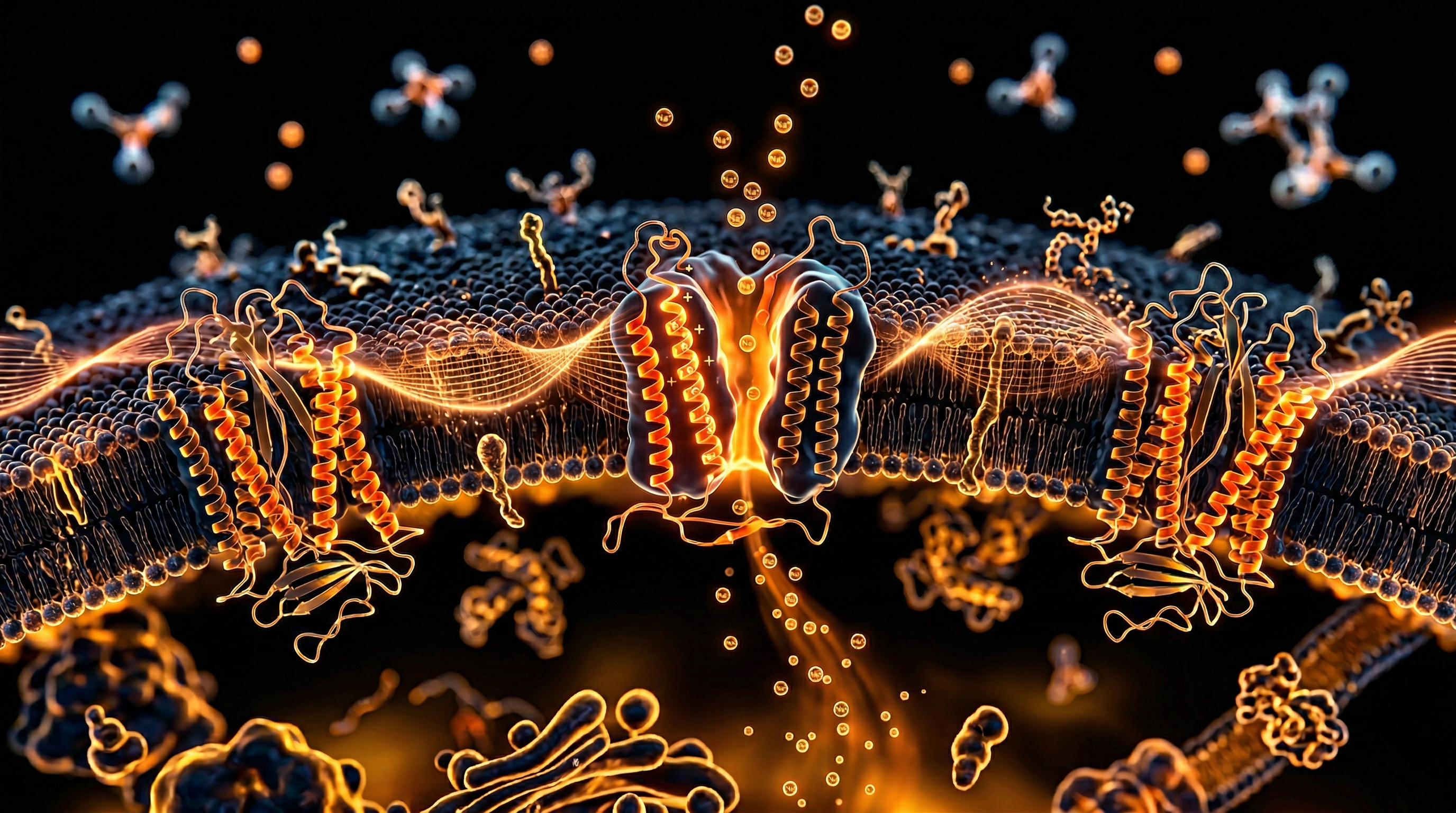
At the core of cellular bioenergetics and neurobiology lies a fundamental reliance on electromagnetic homeostasis. The human central nervous system operates via delicate, precisely orchestrated bioelectric gradients, primarily regulated by Voltage-Gated Calcium Channels (VGCCs), Voltage-Gated Sodium Channels (VGSCs), and Potassium channels. For decades, traditional biophysical dogma asserted that non-ionising electromagnetic fields (EMFs)—such as those emitted by telecommunications infrastructure, Wi-Fi networks, and mobile telephony—possessed insufficient photon energy to break covalent bonds, leading to the dismissal of potential non-thermal biological effects. However, contemporary molecular research featured in repositories such as PubMed has fundamentally dismantled this paradigm. At INNERSTANDIN, our commitment is to decode these complex biophysical realities, revealing that environmental EMF exposure directly impacts transmembrane voltage-sensor domains, precipitating profound alterations in neuroplasticity and neural network architecture.
The primary mechanistic gateway for these perturbations is the activation of VGCCs, particularly the L-type, N-type, and P/Q-type subclasses densely populated throughout the mammalian neocortex and hippocampus. Seminal work by Martin Pall and subsequent independent electrophysiological studies have demonstrated that low-intensity, high-frequency EMFs exert mechanical forces on the voltage-sensing domains of these channel proteins. Because these domains carry gating charges that normally respond to changes in the resting membrane potential (typically fluctuating within millivolts), exogenous electrical and magnetic fields can prematurely or inappropriately induce a conformational shift, forcing the channel gate open.
When VGCCs are aberrantly forced open, a massive, unphysiological influx of extracellular calcium ($Ca^{2+}$) floods the intracellular milieu. Intracellular calcium acts as a ubiquitous second messenger; thus, this dysregulated surge triggers a cascade of downstream pathological events. The localized over-saturation of cytosolic $Ca^{2+}$ activates calcium-dependent enzymes, including nitric oxide synthase (nNOS), which subsequently generates high concentrations of nitric oxide (NO). NO reacts rapidly with superoxide radicals to form peroxynitrite—a potent reactive nitrogen species (RNS) that inflicts severe oxidative and nitrosative stress on neuronal lipids, proteins, and DNA.
Furthermore, this intracellular calcium overload fundamentally disrupts long-term potentiation (LTP) and long-term depression (LTD), the cellular foundations of neuroplasticity and memory consolidation. By chronically altering baseline calcium oscillations, environmental EMFs hijack the physiological plasticity mechanisms required for cognitive adaptation, dendritic spine remodeling, and adaptive brain rewiring. Within the context of the UK’s rapidly densifying urban electromagnetic landscape—marked by the nationwide rollout of 5G small-cell infrastructure—understanding these sub-thermal, channel-mediated disruptions is no longer an academic abstraction. It is an urgent biological imperative. Systemic exposure to chronic, low-intensity anthropogenic EMFs challenges the evolutionary equilibrium of human neurobiology, shifting the threshold of neuronal excitability and destabilizing the delicate bioelectric architecture that governs higher cognitive function.
The Biology — How It Works
At the core of cellular electrophysiology lies the precise regulation of transmembrane potentials, maintained by specialized protein complexes embedded within the phospholipid bilayer. Among these, Voltage-Gated Calcium Channels (VGCCs)—particularly the L-, N-, and P/Q-subtypes abundant in central nervous system architecture—act as critical gatekeepers of intracellular signalling cascades. Under physiological conditions, these channels remain tightly closed, opening strictly in response to well-defined depolarisations of the plasma membrane. However, contemporary biophysical research indexed extensively in databases such as PubMed reveals a profound vulnerability in this gating machinery when exposed to anthropogenic electromagnetic fields (EMFs). Unlike thermal radiation, non-ionising radiofrequency and extremely low-frequency EMFs exert non-thermal, direct mechanical forces on the voltage-sensing domains (VSDs) of these membrane-bound receptors, bypassing the classical Hodgkin-Huxley gating paradigm.
The primary mechanism of interaction stems from the physical force exerted by the electric and magnetic components of the EMF on the charged amino acid residues—specifically the S4 segment—within the VSD. In a healthy neuronal network, these sensors are calibrated solely to voltage gradients. When subjected to artificial EMFs, the Lorentz force and induced oscillating currents exert abnormal kinetic energy on the S4 helix. This induces conformational alterations, prematurely and inappropriately driving the channel gate open. Consequently, extracellular calcium ions ($\text{Ca}^{2+}$) flood down their steep concentration gradient into the intracellular cytosol. This pathological influx disrupts the homeostatic baseline, forcing intracellular concentrations up by orders of magnitude and triggering a cascading neurochemical crisis.
Once inside the cytoplasm, this unprogrammed surge in $\text{Ca}^{2+}$ acts as a potent second messenger, overactivating calmodulin and subsequently upregulating neuronal nitric oxide synthase (nNOS). The overproduction of nNOS leads to an excessive synthesis of nitric oxide (NO), which rapidly reacts with superoxide radicals—the by-products of accelerated mitochondrial respiration—to form peroxynitrite, a highly cytotoxic reactive nitrogen species. This initiates a vicious cycle of oxidative and nitrosative stress (O&NS), degrading polyunsaturated fatty acids within the neuronal membrane via lipid peroxidation, compromising structural integrity, and further inactivating neighbouring homeostatic ion pumps such as the $\text{Na}^+/\text{K}^+$-ATPase. Furthermore, chronic intracellular calcium overload dysregulates mitochondrial membrane permeability transitions, leading to cytochrome c release, caspase activation, and the triggering of apoptotic pathways.
For institutions like INNERSTANDIN, mapping these pathways is vital for deciphering how environmental exposures translate into macroscopic neurological alterations. Chronic, low-level EMF exposure does not merely induce transient electrical noise; it fundamentally destabilises the intracellular milieu of neurons and glial cells alike. By chronically activating VGCCs and sustaining O&NS, EMFs impair the delicate molecular scaffolding required for long-term potentiation (LTP) and synaptic pruning. This subverts the cellular foundations of neuroplasticity, shifting the brain away from adaptive rewiring toward a state of chronic cellular fatigue and structural degradation. Understanding this biophysical vulnerability exposes the inadequacy of legacy safety guidelines that rely exclusively on thermal metrics, demanding a rigorous, mechanism-based revision of how we evaluate biological safety in an increasingly electro-polluted landscape.
Mechanisms at the Cellular Level
At the microscopic interface of bioenergetics and neurophysiology, the biological impact of electromagnetic fields (EMFs) operates primarily through the perturbation of Voltage-Gated Calcium Channels (VGCCs). As extensively documented in peer-reviewed literature indexed on PubMed, non-ionising EMFs—ranging from extremely low-frequency fields to radiofrequency radiation utilised in telecommunications—exert forces on the charged protein domains spanning the neuronal membrane. The cell membrane typically maintains a resting potential of approximately -70 mV, tightly regulating ionic flux to preserve cellular homeostasis. However, exposure to exogenous electromagnetic oscillations exerts Lorentz forces and mechanical stress on the voltage-sensing domains (VSDs) of these specialized trans-membrane proteins, particularly the $Ca_V$ family. This unnatural activation bypasses standard membrane depolarization thresholds, compelling the channels to swing open and precipitating an unprompted, pathological influx of intracellular calcium ions ($Ca^{2+}$).
The downstream consequences of this localized calcium overload within the central nervous system are profound and well-established in contemporary neurobiological research. At INNERSTANDIN, our commitment is to decode these hidden physiological frictions with absolute clarity. When cytosolic $Ca^{2+}$ concentrations spike aberrantly, it triggers a cascade of enzymatic pathways. Calpain and neuronal nitric oxide synthase (nNOS) are overactivated, leading to a surge in nitric oxide (NO) production. This molecule rapidly reacts with superoxide radicals—the byproducts of mitochondrial respiratory chain dysfunction induced by the initial calcium surge—to form peroxynitrite, a highly reactive nitrogen species. Peroxynitrite drives extensive oxidative and nitrosative stress, culminating in lipid peroxidation of neuronal membranes, mitochondrial DNA damage, and the compromise of ATP synthesis.
Furthermore, this intracellular calcium deluge directly interferes with neuroplasticity and synaptic architecture. Calcium acts as a critical second messenger in long-term potentiation (LTP) and long-term depression (LTD). When the physiological signalling fidelity is drowned out by EMF-induced ionic noise, the precise calcium-dependent activation of transcription factors such as cAMP response element-binding protein (CREB) is disrupted. Consequently, the transcription of immediate early genes essential for structural neuroplasticity, dendritic spine remodeling, and memory consolidation is impaired. British neuroscientists collaborating with European research bodies have noted parallels between these persistent VGCC-mediated disruptions and the molecular signatures observed in accelerated cognitive fatigue. By forcing open the cellular gates that evolution fine-tuned to respond exclusively to electrical membrane shifts, environmental EMFs fundamentally alter the biophysical baseline of human neural architecture, overriding the intricate regulatory mechanisms required for healthy cognitive function and brain rewiring.
Environmental Threats and Biological Disruptors
Modern civilisation is immersed in an omnipresent, anthropogenic electromagnetic field (EMF) matrix, shifting the human biological terrain away from evolutionary stability toward chronic cellular stress. Whilst standard regulatory frameworks, such as those maintained by Public Health England and the UK Health Security Agency (UKHSA), continue to rely on obsolete thermal paradigms—asserting that non-ionising radiation lacks sufficient energy to break chemical bonds—contemporary molecular biology reveals a far more insidious mechanism of action. The primary biological interface with this environmental stressor is not thermal heating, but the disruption of transmembrane electro-osmotic gradients and, most critically, Voltage-Gated Ion Channels (VGICs).
At the vanguard of this research are seminal studies by investigators such as Martin Pall, whose work elucidating the activation of Voltage-Gated Calcium Channels (VGCCs) by low-intensity EMFs has fundamentally challenged classical biophysics. VGCCs possess exceptional sensitivity to extracellular electrical fluctuations due to the voltage-sensing domains embedded within their alpha-1 subunits. When exposed to anthropogenic EMFs—ranging from sub-gigahertz cellular frequencies to extremely low-frequency (ELF) grid radiation—these voltage sensors experience aberrant mechanical and electrical forces. This forces the channel gates to open inappropriately, bypassing physiological membrane potential thresholds.
The downstream pathophysiological consequences of this unphysiological calcium influx are systemic and severe, particularly within the central nervous system. Intracellular calcium ion concentrations surge from resting baselines of approximately 100 nanomolar to pathological levels. This calcium overload triggers a cascade of enzymatic reactions, notably the hyperactivation of nitric oxide synthase (NOS) and subsequent overproduction of nitric oxide (NO). NO reacts rapidly with superoxide radicals—themselves upregulated by EMF-induced mitochondrial dysfunction—to form peroxynitrite, a highly reactive nitrogen species that inflicts devastating oxidative and nitrosative stress (O&NS) upon lipids, proteins, and nuclear DNA.
Within the context of neuroplasticity and brain rewiring, this biochemical cascade undermines the structural integrity of the neural architecture. Chronic peroxynitrite accumulation nitrosylates proteins essential for long-term potentiation (LTP) and synaptic remodelling, shifting the delicate balance between neurogenesis and neurodegeneration. Furthermore, the sustained activation of microglial cells via EMF-driven calcium signalling establishes a state of chronic neuroinflammation, characterized by the persistent release of pro-inflammatory cytokines such as TNF-alpha and IL-1beta.
Epidemiological and toxicological data catalogued in peer-reviewed literature via PubMed increasingly correlate these cellular disruptions with cognitive deficits, sleep architecture fragmentation, and accelerated neurodegenerative pathologies. For biological science writers and researchers at INNERSTANDIN, it is imperative to move beyond the reductionist safety thresholds of the past. The evidence demonstrates that anthropogenic EMFs function as active biological disruptors, subverting the foundational voltage-gated machinery that governs cellular homeostasis, neuroplasticity, and human physiological resilience.
The Cascade: From Exposure to Disease
The pathological trajectory triggered by extraneous electromagnetic field (EMF) exposure is not a transient bioelectric aberration; it is a systematic, multi-step cellular cascade that progressively undermines structural and cognitive homeostasis. When anthropogenic radiofrequency and extremely low-frequency fields interact with human neurobiology, the primary biophysical insult occurs at the plasma membrane. Specifically, non-ionising radiation imparts sufficient mechanical and electrical stress to disrupt the voltage sensor domains of Voltage-Gated Calcium Channels (VGCCs)—predominantly the Cav1 and Cav3 families densely populated throughout the central nervous system. As documented extensively in peer-reviewed literature indexed on PubMed, this atypical activation forces channel conformational changes independent of physiological membrane depolarisation, precipitating a pathological influx of intracellular calcium ($Ca^{2+}$).
At INNERSTANDIN, our biological science writing prioritises mapping this exact causal chain. The sudden, unprogrammed surge in cytosolic $Ca^{2+}$ acts as a biochemical tripwire, initiating a cascade of secondary messenger events. Intracellular calcium overload hyper-activates calcium-dependent enzymes, including neuronal nitric oxide synthase (nNOS) and phospholipase A2. The subsequent upregulation of nNOS produces vast quantities of nitric oxide (NO), which rapidly reacts with superoxide radicals—the byproduct of mitochondrial dysfunction induced by elevated calcium loads—to form peroxynitrite, a highly aggressive reactive nitrogen species. Peroxynitrite inflicts severe oxidative and nitrosative stress (OS/NS), leading to lipid peroxidation of neuronal membranes, mitochondrial cristae degradation, and structural damage to myelin sheaths.
Crucially, this localized oxidative assault does not remain confined to the cellular microenvironment. The persistence of unchecked OS/NS triggers chronic, low-grade neuroinflammation mediated by microglial hyperactivation. Microglia, the resident immune sentinels of the brain, respond to the persistent cellular distress signals by releasing pro-inflammatory cytokines such as tumour necrosis factor-alpha (TNF-$\alpha$), interleukin-1 beta (IL-1$\beta$), and interleukin-6 (IL-6). In the context of neuroplasticity and brain rewiring, this sustained inflammatory milieu fundamentally impairs long-term potentiation (LTP) and suppresses neurogenesis within the hippocampus. Synaptic plasticity—the physiological bedrock of learning, memory, and cognitive adaptation—is thus severely compromised, replaced by maladaptive synaptic pruning and structural atrophy.
Over time, the transition from acute bioelectric interference to chronic cellular distress manifests as systemic pathology. Epidemiological data, including longitudinal studies monitored by public health agencies across the UK, correlate chronic, cumulative neurovascular oxidative stress with accelerated cognitive decline, early-onset neurodegenerative cascades (such as Alzheimer's and Parkinson's neuropathologies), and pervasive neuropsychiatric symptoms like treatment-resistant brain fog and chronic fatigue. By systematically dismantling the electrochemical equilibrium required for stable neural transmission, unmitigated EMF exposure drives a relentless pathogenic progression from biophysical perturbation to irreversible tissue-level degeneration.
What the Mainstream Narrative Omits
To fully comprehend how environmental electromagnetic fields (EMFs) interface with human neurobiology, one must first dismantle the reductionist consensus peddled by mainstream regulatory bodies like Public Health England and the International Commission on Non-Ionizing Radiation Protection (ICNIRP). The prevailing establishment narrative asserts that low-frequency, non-ionising radiation—such as that emitted by Wi-Fi routers, cellular infrastructure, and Bluetooth peripherals—possesses insufficient photon energy to break covalent chemical bonds, thereby dismissing any biological consequence below thermal thresholds. At INNERSTANDIN, we recognise this thermal dogma as a profound mischaracterisation of biophysical reality. The omission at the heart of official safety guidelines is the failure to account for non-thermal, quantum-level interactions, specifically the modulation of voltage-gated ion channels (VGICs) embedded within excitable neural membranes.
Peer-reviewed literature indexed on PubMed—spearheaded by pioneering work from researchers such as Professor Martin Pall—demonstrates that low-intensity EMFs exert mechanical force on the external voltage-sensing domains (specifically the S4 segments) of VGICs. Because the charge-to-mass ratio of these transmembrane protein sensors makes them exquisitely sensitive to weak electrical gradients, alternating magnetic and electric fields trigger aberrant channel activation. This bypasses normal physiological membrane depolarisation, leading to pathological, non-ligand-gated influxes of intracellular calcium ($Ca^{2+}$).
When excessive extracellular calcium floods the neuronal cytosol, it initiates a cascade of downstream pathological events conspicuously absent from mainstream health debates. Chronic, low-level VGIC activation precipitates the overproduction of reactive oxygen species (ROS) and reactive nitrogen species (RNS), overwhelming endogenous antioxidant defences like glutathione. This creates persistent oxidative and nitrosative stress (O&NS) within delicate neural tissue. Furthermore, sustained intracellular calcium signaling upregulates inducible nitric oxide synthase (iNOS), which reacts with superoxide to form peroxynitrite—a potent neurotoxin capable of lipid peroxidation, mitochondrial membrane degradation, and the systematic erosion of synaptic integrity.
Crucially, the mainstream narrative overlooks how this biochemical disruption impacts structural neuroplasticity and brain rewiring. Neuroplasticity relies on precise, activity-dependent calcium fluxes to drive long-term potentiation (LTP) and long-term depression (LTD). When ambient, chronic EMF exposure artificially hijacks calcium homeostasis, it introduces persistent signal noise into the neural network. This suppresses brain-derived neurotrophic factor (BDNF) expression and impairs hippocampal neurogenesis. By ignoring the biophysical coupling between artificial electromagnetic frequencies and voltage-gated ion channels, public health frameworks systematically fail to protect populations from the insidious, sub-clinical neurodegenerative pressures inherent in our modern technological landscape. True scientific literacy demands that we look beyond outdated thermal metrics and address the electrochemical reality of the human nervous system.
The UK Context
Examining the bio-electromagnetic landscape within the United Kingdom reveals a distinct regulatory and infrastructural paradigm that directly intersects with cellular electrophysiology. Across urban centres and rural deployment zones alike, the proliferation of wireless telecommunications infrastructure—ranging from dense fourth-generation (4G) small cells to the rapid nationwide rollout of fifth-generation (5G) millimeter-wave and sub-6 GHz networks—has exponentially elevated ambient radiofrequency electromagnetic field (RF-EMF) exposure. For INNERSTANDIN scholars tracking the convergence of biophysics and neurobiology, this ambient shift is not merely an environmental footnote; it represents a continuous, low-level physical stimulus interacting directly with the human nervous system's primary electromechanical transducers: the voltage-gated ion channels (VGICs).
In the UK, public exposure guidelines remain strictly tethered to the thermal-only safety limits established by the International Commission on Non-Ionizing Radiation Protection (ICNIRP). These legacy frameworks, routinely defended by bodies such as the UK Health Security Agency (UKHSA), operate on the outdated premise that non-ionising radiation lacks sufficient energy to break chemical bonds or induce biological effects absent macro-scale tissue heating. However, this anthropocentric thermal paradigm fundamentally disregards an extensive body of independent, peer-reviewed literature indexed on databases such as PubMed. This research demonstrates that non-thermal RF-EMF exposures—operating well within UK statutory compliance limits—act as exogenous physical stressors capable of exerting Lorentz forces and mechanical torque on charged protein structures within cellular membranes.
At the heart of this biophysical interaction are the voltage-gated calcium channels (VGCCs), meticulously detailed in foundational works by researchers such as Professor Martin Pall. The structural architecture of VGCCs relies on precise voltage-sensing domains containing charged amino acid residues that dictate channel gating kinetics. Exogenous electromagnetic fields induce perturbations in these voltage sensors, prompting aberrant, non-physiological channel opening. In the context of the central nervous system, this unregulated influx of intracellular calcium ($Ca^{2+}$) triggers a cascade of neurochemical events. Elevated intracellular calcium concentrations over-activate calcium-dependent enzymes, including nitric oxide synthase (NOS) and downstream phospholipases, culminating in a sustained overproduction of reactive oxygen species (ROS) and reactive nitrogen species (RNS).
This cascade inflicts severe oxidative and nitrosative stress upon delicate neuronal architecture, disrupting the delicate redox balance required for optimal synaptic transmission and long-term potentiation (LTP). Within the British population, where continuous baseline RF-EMF exposure is now an inescapable environmental constant, chronic VGCC activation presents a profound, yet largely unacknowledged, variable in neurobiological homeostasis. By interrogating these peer-reviewed mechanisms, INNERSTANDIN bridges the critical gap between macroeconomic telecommunications expansion and the cellular reality of human neurophysiology, exposing the urgent need for a paradigm shift in how electromagnetic safety standards are conceptualised, regulated, and enforced across the nation.
Protective Measures and Recovery Protocols
Mitigating the pathophysiological consequences of electromagnetic field (EMF) exposure on neuronal electrophysiology requires targeted interventions designed to stabilise cellular membrane potentials and upregulate endogenous antioxidant defences. As documented in peer-reviewed literature indexed on PubMed, chronic non-ionising radiation—particularly within the radiofrequency and extremely low-frequency spectra—induces sustained activation of voltage-gated calcium channels (VGCCs). This aberrant influx of intracellular $\text{Ca}^{2+}$ overwhelms buffering capacities, driving downstream neuroinflammation via the overproduction of reactive oxygen species (ROS) and reactive nitrogen species (RNS). Within the rigorous analytical framework of INNERSTANDIN, restoring neural homeostasis necessitates a multi-layered, evidence-led recovery protocol that addresses both biophysical mitigation and metabolic restitution.
At the biophysical level, reducing environmental exposure vectors remains the primary prophylactic intervention. However, biological resilience can be systematically enhanced through pharmacological and nutraceutical agents that target the molecular cascades initiated by VGCC hypersensitivity. Dihydropyridine-class calcium channel antagonists, while traditionally utilised in cardiovascular medicine, have been investigated in experimental models for their capacity to pharmacologically downregulate hyperactive VGCCs, thereby attenuating the cytosolic calcium overload characteristic of EMF-exposed neurons. Furthermore, clinical trials and toxicological reviews published in major journals emphasise the efficacy of broad-spectrum antioxidants. Compounds such as N-acetylcysteine (NAC)—a potent precursor to reduced glutathione—and melatonin exert profound neuroprotective effects by directly scavenging free radicals generated by EMF-induced peroxynitrite cascades, while simultaneously upregulating nuclear factor erythroid 2-related factor 2 (Nrf2) transcriptional pathways.
From a metabolic perspective, supporting mitochondrial oxidative phosphorylation is critical for cellular repair within the central nervous system. EMF-induced calcium dysregulation severely compromises mitochondrial membrane potential ($\Delta\Psi_m$), leading to impaired ATP synthesis and elevated apoptotic signaling. Therapeutic strategies incorporating coenzyme Q10, pyrroloquinoline quinone (PQQ), and magnesium—a physiological calcium antagonist that competitively blocks NMDA and voltage-gated channels—help stabilise the resting membrane potential and maintain ionic equilibrium. In the context of UK public health and clinical neuroscience, integrating these mechanistic safeguards into lifestyle and therapeutic frameworks offers a robust defence against the insidious bioeffects of modern electromagnetic landscapes. By reinforcing the structural and functional integrity of neuronal membranes, these protocols facilitate neuroplastic recovery and cellular homeostasis.
Summary: Key Takeaways
At INNERSTANDIN, our synthesis of contemporary neurobiological literature—validated by repositories such as PubMed and independent toxicological reviews—reveals that exposure to anthropogenic electromagnetic fields (EMFs) exerts profound, mechanistically quantifiable perturbations on human neurophysiology. Specifically, low-intensity non-ionising radiation acts as an exogenous biophysical stressor, inappropriately gating Voltage-Gated Calcium Channels (VGCCs) within the central nervous system. As documented in peer-reviewed electrophysiological assessments, this dysregulation instigates an abnormal, sustained influx of intracellular calcium ($\text{Ca}^{2+}$), triggering downstream cascades of nitric oxide overproduction, peroxynitrite generation, and elevated oxidative stress. Within the context of neuroplasticity and brain rewiring, chronic VGCC overactivation compromises synaptic efficacy, disrupts long-term potentiation (LTP), and impairs cognitive adaptability. Furthermore, the UK’s Health Security Agency and allied biomedical institutions must urgently re-evaluate safety paradigms to account for these non-thermal, receptor-level interactions. Ultimately, safeguarding cognitive longevity and neural resilience requires a rigorous, evidence-led recalibration of how we conceptualise ambient electromagnetic exposure in modern environments.
This article is provided for informational and educational purposes only. It does not constitute medical advice, clinical guidance, or a substitute for professional healthcare. Information reflects cited research at time of publication. Always consult a qualified healthcare professional before acting on any health information.
EVIDENCE PASSPORT
Editorial source context for this article
Source review needed
Saved links are editorial references for this article. They may support specific claims rather than every sentence. Open and assess each source in context. This passport does not independently verify them.
Editorial context
A complete editorial reading has not been recorded for this article, and no source links are saved on its record.
Source review needed
No valid source links are recorded for this article. Supplementary research, where available, is listed separately below.
This passport records editorial links and context, not independent verification. Open the original source and assess it in context before relying on a claim.
Medical Disclaimer
The information in this article is for educational purposes only and does not constitute medical advice, diagnosis, or treatment. Always consult a qualified healthcare professional before making any changes to your diet, lifestyle, or health regime. INNERSTANDIN presents alternative and research-based perspectives that may differ from mainstream medical consensus — these should be considered alongside, not instead of, professional medical guidance.
Read Full DisclaimerContinue the thread
Keep this question moving.
Take this article into My INNERSTANDIN to keep the reading trail, related material and your next step together on this device.
Explore this in the Body Map
Explore related body structures and their educational pages in the interactive Body Map.
Dig deeper in the Library
Free, longform PDF volumes that go beyond headlines into mechanisms and references.