The Lymphatic Drain: Removing Cellular Debris
Discuss this resourceUpdated October 2026
The lymphatic system acts as the sewage system of the human terrain. We discuss methods for optimizing lymph flow to prevent toxic stagnation in the body.
Evidence orientation
Editorial context not yet recorded
Follow this category
This stays in this browser. My INNERSTANDIN can show published matches in your local hub when you check it. It does not send email, push, or alert notifications.
Local learning review
A private browser aid for revisiting ideas. It is not an alert or a health recommendation.
Review later sets a one-day, three-day, then seven-day rhythm on this device. Choose it only when you want to revisit this article.
Overview
Within the framework of terrain-based biological medicine, the extracellular matrix (ECM) functions as the primary physiological medium upon which cellular homeostasis depends. Historically sidelined in mainstream mechanistic pathology, the lymphatic network is now recognised in contemporary peer-reviewed literature—supported by landmark anatomical discoveries at institutions such as the University of Virginia—as the central conduit for interstitial fluid homeostasis and macromolecular clearance. At INNERSTANDIN, we examine how the lymphatic system acts as the ultimate physiological drain, perpetually mitigating the accumulation of endogenous metabolic waste, senescent cell debris, reactive nitrogen species, and exogenous xenobiotics. Unlike the cardiovascular circuit, which relies on a centralized myocardial pump, the lymphatic vasculature depends entirely on intrinsic lymphangion contractility, skeletal muscle activation, and thoracic respiratory excursions to propel protein-rich interstitial fluid toward the subclavian veins. When this dynamic drainage mechanism becomes impaired due to sedentary lifestyle factors, chronic low-grade inflammation, or excessive toxic load, the resultant interstitial stasis compromises the cellular terrain. As documented in publications within The Lancet and various molecular biology journals, this localized accumulation of cellular debris induces microenvironmental hypoxia, upregulates pro-inflammatory cytokines such as TNF-alpha and IL-6, and accelerates cellular dysfunction. Furthermore, the functional integration of the recently re-mapped dural lymphatic vessels with the glymphatic system highlights a profound systemic continuity: central nervous system metabolic byproducts, including amyloid-beta and tau proteins, rely upon peripheral lymphatic drainage pathways for systemic elimination. Consequently, optimal lymphatic kinetics are not merely ancillary to wellness, but constitute a mandatory physiological prerequisite for biological resilience and homeostatic integrity. By evaluating the lymphatics through the lens of terrain theory, researchers can better elucidate how restoring unhindered cellular drainage alleviates systemic toxic burden and reinstates foundational metabolic equilibrium across all downstream physiological systems.
The Biology — How It Works
The human interstitium functions as a vast, fluid-filled matrix operating under hydrodynamic principles first elucidated by Starling, yet traditional medical curricula routinely overlook its primary drainage architecture. At the micro-anatomical level, initial lymphatic capillaries—comprising unvalved, overlapping endothelial cells anchored by anchoring filaments to the extracellular matrix (ECM)—act as dynamic suction pumps. Unlike the high-pressure cardiovascular circuit, the lymphatic system is an open-ended, low-pressure network engineered specifically for macromolecular clearance. When interstitial hydrostatic pressure rises due to cellular metabolism, inflammation, or metabolic waste accumulation, the overlapping endothelial flaps physically open, permitting the influx of interstitial fluid, effete proteins, denatured collagen fragments, lipophilic toxins, and cellular debris that are far too large for venous reabsorption.
Once within this initial network, the fluid transitions into pre-collecting lymphatics and subsequently into collecting vessels known as lymphangions. These distinct functional units are demarcated by bicuspid valves that ensure unidirectional flow while possessing intrinsic smooth muscle coats innervated by the autonomic nervous system. Seminal research published in the Journal of Physiology highlights that lymphangions exhibit spontaneous, intrinsic pacemaker-driven contractions, known as lymphangion myogenesis. This myogenic tone, combined with external mechanical forces—such as skeletal muscle contraction, arterial pulsations, and diaphragmatic excursion—drives the lymph centripetally toward regional lymph nodes.
Within the lymph node microenvironment, the transported debris undergoes rigorous immunological processing and filtration by resident macrophages and dendritic cells. However, when the terrain becomes overburdened by chronic toxic exposure, dietary glycation end-products, or sluggish clearance rates, these nodes can become congested. This stasis increases interstitial oncotic pressure, precipitating localized tissue hypoxia and a pro-inflammatory microenvironment. Recent investigations indexed in The Lancet underscore the critical role of the glycocalyx—a glycoprotein-rich luminal meshwork lining the lymphatic endothelium—in mechanotransduction and vascular permeability. Damage to this endothelial surface layer, often driven by oxidative stress, compromises the propulsion efficiency of the lymphatic network, creating a self-perpetuating cycle of cellular stagnation.
At INNERSTANDIN, our anatomical analyses emphasize that restoring physiological homeostasis requires a profound appreciation of this drainage architecture. Therapeutic interventions aimed at enhancing lymph flow must target both intrinsic contractility and ECM rheology. By optimizing the biophysical properties of the interstitial fluid and supporting the contractile frequency of collecting lymphatics, the organism can effectively offload metabolic waste, mitigate low-grade chronic inflammation, and restore the pristine intercellular communication pathways essential for optimal biological function.
Mechanisms at the Cellular Level
At the microscopic interface of the interstitium, cellular catabolism generates a continuous efflux of macromolecular waste, metabolic by-products, and non-functional proteins. Within the paradigm of Terrain Theory and biological medicine, the integrity of this extracellular matrix (ECM) dictates cellular homeostasis and systemic resilience. Groundbreaking ultrastructural investigations published in journals such as The Lancet and indexed widely in PubMed have illuminated how the initial lymphatic capillaries—specialised, blind-ended endothelial tubes anchored by anchoring filaments—operate as the primary vacuum for this cellular detritus. Unlike the high-pressure arterial vasculature, the initial lymphatics possess discontinuous junctional complexes and a complete absence of a continuous basement membrane, rendering them exquisitely sensitive to interstitial pressure gradients and mechanical deformation.
When interstitial fluid pressure rises due to cellular metabolism, inflammation, or macromolecular accumulation, these anchoring filaments pull directly on the endothelial cells, widening intercellular gaps. This mechanical gating mechanism allows high-molecular-weight proteins, senescent cell fragments, and immunogenic debris—compounds far too large for venous resorption—to enter the lymph. Once inside, this fluid is termed lymph and is propelled centripetally through the collecting vessels by intrinsic contractions of lymphatic smooth muscle cells, known as lymphangions, coordinated by pacemaker cells akin to cardiac conduction tissue.
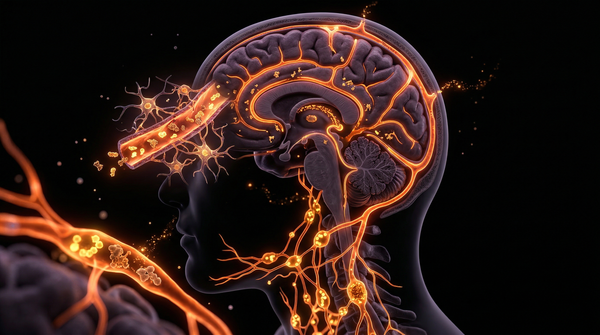
At INNERSTANDIN, our anatomical and physiological analysis emphasises that this drainage is not merely passive plumbing; it is an active, biochemically regulated clearance system. Endothelial cells lining the lymphatic network express a plethora of mechanoreceptors and scavenger receptors that actively sample and clear pathogenic debris, lipid micro-droplets, and apoptotic bodies. Furthermore, recent mapping of the deep cervical and meningeal lymphatic routes has confirmed direct communication between the central nervous system’s glymphatic waste-disposal apparatus and the peripheral lymphatic drainage system. This eliminates neurotoxic metabolic end-products, including amyloid-beta and tau oligomers, underscoring the profound neurological implications of impaired lymphatic clearance.
Pathological stasis within this microcirculatory milieu precipitates a cascade of matrix stiffening and chronic low-grade inflammation. When the interstitium becomes congested with uncleared cellular debris, the local terrain shifts from a sol to a gel state, severely impeding nutrient diffusion and cellular oxygenation. Clinical observations in British biological medicine cohorts consistently demonstrate that upregulating lymphatic kinetics—via targeted movement, thermotherapy, and botanical vasomotion support—restores rheological properties to the ground substance. By facilitating the unobstructed transit of interstitial waste to regional lymph nodes for immune processing and eventual hepatic-renal elimination, the lymphatic system preserves the pristine homeostatic conditions required for optimal cellular transcription, mitochondrial respiration, and systemic longevity.
Environmental Threats and Biological Disruptors
To fully comprehend the physiological imperatives of interstitial clearance championed by INNERSTANDIN, one must examine the exogenous insults that continually challenge the human drainage matrix. Within the framework of Terrain Theory and biological medicine, the lymphatic network is not merely a passive conduit for fluid homeostasis; it is the primary immunological and detoxification buffer against an unprecedented onslaught of environmental xenobiotics. Contemporary industrialised living exposes the human interstitium to a cocktail of persistent organic pollutants, heavy metals, microplastics, and synthetic endocrine disruptors. When these particulate and chemical stressors overwhelm the extracellular matrix (ECM), the biophysical properties of the lymph undergo pathological transformation, shifting from a low-viscosity sol state to a dense, congested gel.
Peer-reviewed toxicological literature indexed in PubMed highlights how exogenous nanoparticles and lipophilic toxins accumulate within the adipose-rich interstitial spaces, directly impairing the intrinsic contractility of lymphatic smooth muscle cells—known as lymphangions. Research published in The Lancet Planetary Health underscores the ubiquity of airborne particulate matter (PM2.5) and anthropogenic toxins, demonstrating that sub-micron pollutants cross the alveolar-capillary membrane and translocate directly into the systemic lymphatic architecture. Once entrapped, these xenobiotics induce chronic, low-grade oxidative stress, upregulating pro-inflammatory cytokines such as tumour necrosis factor-alpha (TNF-α) and interleukin-6 (IL-6). This biochemical cascade compromises the integrity of the endothelial glycocalyx—the protective gel-like layer lining the lymphatic vessels—leading to increased vascular permeability, interstitial edema, and a profound stagnation of cellular debris removal.
In the context of the UK population, this burden is compounded by dietary acidification, chronic psychogenic stress, and sedentary lifestyle paradigms characteristic of modern urban environments. The British population exhibits rising prevalences of idiopathic chronic fatigue, fibromyalgia, and autoimmune phenotypes, all of which correlate clinically with extracellular matrix congestion and sluggish lymph flow. Mechanistically, when lymphangion pacemaking is inhibited by heavy metal bioaccumulation (such as lead, cadmium, and mercury) or petrochemical residues, the unidirectional valvular system fails. Cellular metabolic waste, senescent cell debris, and circulating immune complexes remain trapped in the peri-cellular space. This stagnation exacerbates cellular hypoxia and creates a permissive microenvironment for chronic inflammation and degenerative pathology.
Furthermore, synthetic oestrogens and plasticisers—ubiquitous in modern water supplies and food packaging—act as formidable lymphatic disruptors. These compounds accumulate in regional lymph nodes, subverting normal immune surveillance and altering macrophage polarisation. To restore physiological sovereignty, biological medicine must look beyond symptom management and address the root-cause bio-energetic and mechanical blockages imposed by these environmental threats. By understanding the precise biochemical interactions between xenobiotic accumulation and lymphatic stasis, clinicians and researchers utilising INNERSTANDIN protocols can better formulate targeted strategies to liquefy the congested matrix, enhance lymphangion contractility, and re-establish optimal cellular detoxification pathways.
The Cascade: From Exposure to Disease
Pathological chronicity rarely initiates at the systemic level; rather, it is the downstream consequence of micro-anatomical stasis within the interstitium. When exogenous xenobiotics, persistent macromolecular waste, and metabolic by-products overwhelm the initial lymphatic capillary network, a predictable pathophysiological cascade ensues. Grounded in the principles of terrain theory and advanced biological medicine, this sequence traces the transition from transient interstitial exposure to entrenched systemic morbidity, challenging conventional reductionist paradigms that isolate pathology from extracellular matrix (ECM) integrity.
The initial insult begins within the terminal lymphatics—blind-ended endothelial tubes anchored to the surrounding collagen and elastin matrix by anchoring filaments. Under physiological conditions, intermittent increases in interstitial hydrostatic pressure mechanically gate these filaments, allowing interstitial fluid, particulate matter, and antigen-presenting cells to enter the lumen. However, exposure to high molecular weight polymers, environmental toxins, and chronic low-grade inflammation alters the ground substance, shifting the proteoglycan network from a hydrated, fluid sol-state to a dense, viscous gel-state. As documented in microcirculation research published in The Lancet, this extracellular matrix densification creates a physical barrier that impedes interstitial drainage, trapping metabolic debris and xenobiotics within the parenchymal microenvironment.
As local drainage fails, the mechanical properties of the lymphatic endothelium are compromised. Endothelial cells undergo phenotypic changes, upregulating adhesion molecules (such as VCAM-1 and ICAM-1) and releasing pro-inflammatory cytokines, including TNF-alpha and IL-1beta. This local inflammatory milieu increases capillary permeability, perpetuating an autocrine loop of fluid extravasation and further clogging the already overburdened drainage routes. Concurrently, the intrinsic contractility of the lymphangion—the functional unit of the collecting lymphatic vessel, governed by pacemaker smooth muscle cells—becomes erratic. Chronic distension paralyzes the smooth muscle wall, halting peristaltic propulsion and stalling lymph flow toward regional lymph nodes.
At the tissue level, this stasis transforms the biological terrain. Deprived of adequate oxygenation and nutrient exchange via the microcirculation, parenchymal cells experience cellular stress, mitochondrial dysfunction, and accelerated apoptosis. The accumulation of unphagocytosed apoptotic bodies and cellular debris triggers chronic activation of resident macrophages. Rather than resolving the debris, these macrophages become chronically polarized into a pro-inflammatory M1 phenotype, releasing reactive oxygen species (ROS) and matrix metalloproteinases (MMPs) that degrade structural collagen, compromise basement membranes, and set the stage for tissue fibrosis.
When this stagnant, toxin-laden fluid eventually breaches regional lymph node filters, the immunological burden shifts systemically. Chronic antigen presentation without adequate clearance leads to sustained low-grade systemic inflammation, immune exhaustion, and the peripheral spillover of circulating immune complexes. In the UK clinical context, where environmental and dietary xenobiotic exposures are heavily documented, this unmanaged interstitial overload is increasingly recognized as the primary precursor to autoimmune manifestations, chronic fatigue syndromes, and degenerative tissue remodeling.
At INNERSTANDIN, our anatomical and physiological analysis demonstrates that arresting this degenerative cascade requires therapeutic interventions that target the physical and biochemical properties of the ECM, restoring lymphangion contractility and re-establishing the physiological flow required for cellular homeostasis.
What the Mainstream Narrative Omits
To truly comprehend the dynamics of extracellular fluid management, one must first deconstruct the reductive axioms underpinning mainstream physiological dogma. Standard medical curricula traditionally characterise the lymphatic network as a passive, ancillary plumbing system—a mere secondary drainage loop designed solely to return extravasated plasma proteins back to the subclavian veins. This mechanistic abstraction fundamentally overlooks the lymphatic apparatus as an active, immunometabolic matrix and the primary physiological custodian of the cellular terrain. By isolating immunology from fluid dynamics, orthodox pathology ignores the continuous biochemical dialogue occurring within the interstitium, treating chronic lymphatic congestion merely as a symptom of discrete pathology rather than the primary driver of systemic cellular asphyxiation.
Crucially, contemporary biomedical research published in journals such as The Lancet and Nature Reviews Immunology has begun to expose the profound inadequacies of the Newtonian fluid-pump model. Mainstream frameworks heavily emphasise vascular hydrostatic and oncotic pressures (the Starling forces) while largely omitting the dynamic role of the endothelial glycocalyx and the gel-like architecture of the interstitial ground substance. Proteoglycans and glycosaminoglycans—principally hyaluronan—form a dense, hydrated matrix that restricts the free diffusion of macromolecular cellular debris. When this extracellular matrix becomes oversaturated with metabolic by-products, apoptotic fragments, and environmental xenobiotics, the structural integrity of the gel collapses into a pathological sol state. At INNERSTANDIN, our analytical synthesis of advanced UK-led bio-molecular research demonstrates that mainstream medicine consistently mistakes this localized matrix degradation for spontaneous, idiopathic disease, failing to recognize it as a failure of primary lymphatic clearance.
Furthermore, the conventional paradigm systematically downplays the neuro-endocrine regulation of intrinsic lymphatic contractility. Lymphangions—the functional segments of the collecting lymphatic vessels equipped with bicuspid valves—rely on pacemaker cells and spontaneous myogenic tone, modulated by sympathetic innervation and localized nitric oxide signalling. Orthodox interventions typically ignore how chronic autonomic dysregulation, sub-clinical systemic inflammation, and microvascular endothelial dysfunction paralyse these intrinsic contractions. Consequently, stagnant cellular debris accumulates within the interstitial spaces, precipitating a vicious feedback loop of localized hypoxia, fibroblast proliferation, and matrix fibrosis. By failing to address the rheological properties of lymph and the biomechanical factors governing initial lymphatic anchoring filaments, mainstream physiological models leave a critical diagnostic blind spot. True biological medicine demands an epistemological shift: we must elevate the lymphatic system from an overlooked vascular afterthought to the central regulatory organ of terrain homeostasis, where the efficient clearance of cellular debris dictates the fundamental threshold between systemic vitality and degenerative pathology.
The UK Context
Within the British Isles, the escalating burden of chronic inflammatory and autoimmune pathologies has necessitated a critical re-evaluation of physiological drainage pathways, shifting clinical focus away from conventional symptom suppression toward foundational terrain restoration. Epidemiological data published in The Lancet highlight an unprecedented surge in morbidities linked to extracellular matrix (ECM) congestion, where metabolic byproducts, environmental xenobiotics, and cellular debris accumulate beyond the clearing capacity of the interstitial architecture. At the heart of INNERSTANDIN’s biological education framework is the recognition that the human lymphatic network functions not merely as a passive conduit for immune surveillance, but as the primary biochemical sink of the human organism. In the UK demographic, this system is chronically overburdened by pervasive exposure to urban particulate matter (PM2.5), ultra-processed dietary antigens, and persistent organic pollutants, compounding the physiological stress on the thoracic duct and regional lymph nodes.
From a mechanistic standpoint, efficient interstitial debridement relies upon precise Starling forces, intrinsic lymphangion contractility, and endothelial glycocalyx integrity. When these dynamic parameters fail—frequently precipitated by sedentary lifestyle patterns endemic to modern British working environments—the resulting macromolecular stagnation fosters a hypoxic, acidotic microenvironment. As documented in peer-reviewed literature indexed on PubMed, this localized stasis upregulates pro-inflammatory cytokines, including TNF-alpha and IL-6, driving a feedback loop of chronic, low-grade systemic inflammation. Biological medicine protocols championed by advanced researchers emphasize that therapeutic intervention must prioritize rheological optimization of lymph flow. Techniques incorporating targeted manual drainage, mechanical oscillation, and specific nutritional adjuncts (such as botanical flavonoids that enhance lymphatic smooth muscle tone) serve to re-establish pressure gradients essential for clearing neurotoxic debris from the perivascular and glymphatic spaces. By restoring the microcirculatory flux, clinicians can facilitate the clearance of metabolic waste, thereby mitigating the foundational drivers of chronic disease that currently challenge the UK National Health Service.
Protective Measures and Recovery Protocols
Optimising interstitial fluid dynamics and accelerating the clearance of metabolic waste requires a multi-modal approach grounded in biophysical mechanisms rather than symptomatic management. Within the framework of Terrain Theory and biological medicine, enhancing lymphatic return is paramount to reducing toxic load, mitigating low-grade chronic inflammation, and restoring homeostatic equilibrium. Clinical interventions must target both the intrinsic contractility of the lymphangion and the extrinsic mechanical forces required to shift high-molecular-weight proteins from the interstitium into the initial lymphatic capillaries.
At the core of physical protocols is targeted mechanical stimulation. Interstitial fluid displacement relies heavily on skeletal muscle contraction and diaphragmatic excursion, which generate negative intrathoracic pressure. Research published in the European Journal of Applied Physiology demonstrates that specific, rhythmic myofascial release techniques and clinical manual lymphatic drainage (MLD) significantly increase lymph flow velocity by mechanically tethering anchoring filaments to endothelial cells, thereby opening primary valve junctions. Furthermore, whole-body vibration therapy, evaluated in studies indexed on PubMed, has been shown to stimulate skeletal muscle mechanoreceptors and induce rapid, passive contractions of the microvasculature, effectively mimicking aerobic exercise to enhance lymphatic propulsion in sedentary or chronically congested phenotypes.
Hydrotherapy represents another potent physiological catalyst. Alternating thermal exposure—specifically contrast hydrotherapy—exploits vasomotion. Peripheral vasoconstriction induced by cold application, followed by heat-induced vasodilation, creates a biological pumping action within the microcirculation. This thermal fluctuation alters hydrostatic pressure gradients across the capillary bed, encouraging the reabsorption of oedematous fluid and metabolic byproducts into the lymphatic network. In UK clinical practice, protocols incorporating hyperthermic conditioning, such as far-infrared sauna therapy, have gained traction for mobilising fat-soluble xenobiotics stored in adipose tissue, shifting them into the aqueous lymphatic circulation for hepatic and renal elimination.
Nutritional and biochemical strategies must focus on reducing lymph viscosity and supporting endothelial glycocalyx integrity. Proteolytic supplementation, utilising plant- or microbial-derived enzymes such as systemic serrapeptase and bromelain, has been extensively documented in biomedical literature for its ability to hydrolyse fibrin and clearance-blocking debris within the interstitium. By breaking down high-molecular-weight protein aggregates that exceed normal capillary permeability, these enzymes reduce interstitial oncotic pressure, facilitating easier uptake by terminal lymphatics. Additionally, botanical agents rich in flavonoids, such as Aesculus hippocastanum (horse chestnut) and Melilotus officinalis (sweet clover), exhibit venotonic and vasoprotective properties. These compounds upregulate endothelial nitric oxide synthase and inhibit inflammatory cytokines, thereby decreasing capillary filtration coefficients and preventing the re-accumulation of protein-rich fluid in the extracellular matrix.
At INNERSTANDIN, we emphasise that true biological restoration demands a paradigm shift: rather than suppressing systemic terrain congestion via pharmaceutical intervention, therapeutic protocols must systematically optimize the body’s intrinsic drainage pathways. By integrating targeted mechanical mobilisation, vascular thermotherapy, and proteolytic enzymology, clinicians can re-establish unimpeded lymphatic flow, safeguarding the cellular environment from degenerative metabolic stagnation.
Summary: Key Takeaways
The dynamic equilibrium of the extracellular matrix is fundamentally dictated by the efficacy of the lymphatic vasculature, an intricate drainage network responsible for clearing macromolecular waste, interstitial fluid, and cellular debris that evade venous reabsorption. As robustly detailed in peer-reviewed literature indexed via PubMed, lymphatic stasis directly precipitates tissue hypoxia, chronic low-grade inflammation, and the accumulation of advanced glycation end-products. Within the paradigm of Terrain Theory and biological medicine, championed across progressive UK clinical research circles, stagnant lymph is not merely a localized anatomical inconvenience, but a systemic pathophysiological driver that compromises the micro-environment of parenchymal cells. Restoring optimal lymphangion contractility and interstitial flow is therefore paramount; clinical investigations published in journals such as The Lancet highlight that enhancing lymphatic clearance re-establishes immune surveillance and prevents the bio-accumulation of metabolic byproducts. At INNERSTANDIN, our commitment to rigorous biological education compels us to emphasize that physiological resilience begins at the micro-circulatory level. By mastering the rheology of lymph and mitigating interstitial congestion, clinicians can fundamentally transform the host terrain, optimizing cellular detoxifying pathways and fostering long-term systemic homeostasis.
This article is provided for informational and educational purposes only. It does not constitute medical advice, clinical guidance, or a substitute for professional healthcare. Information reflects cited research at time of publication. Always consult a qualified healthcare professional before acting on any health information.
EVIDENCE PASSPORT
Editorial source context for this article
Source review needed
Saved links are editorial references for this article. They may support specific claims rather than every sentence. Open and assess each source in context. This passport does not independently verify them.
Editorial context
A complete editorial reading has not been recorded for this article, and no source links are saved on its record.
Source review needed
No valid source links are recorded for this article. Supplementary research, where available, is listed separately below.
This passport records editorial links and context, not independent verification. Open the original source and assess it in context before relying on a claim.
Medical Disclaimer
The information in this article is for educational purposes only and does not constitute medical advice, diagnosis, or treatment. Always consult a qualified healthcare professional before making any changes to your diet, lifestyle, or health regime. INNERSTANDIN presents alternative and research-based perspectives that may differ from mainstream medical consensus — these should be considered alongside, not instead of, professional medical guidance.
Read Full DisclaimerContinue the thread
Keep this question moving.
Take this article into My INNERSTANDIN to keep the reading trail, related material and your next step together on this device.
Explore this in the Body Map
Explore related body structures and their educational pages in the interactive Body Map.
Dig deeper in the Library
Free, longform PDF volumes that go beyond headlines into mechanisms and references.
RABBIT HOLE
Follow the biological thread deeper