
The Metallothionein Paradox: How Zinc and Copper Competition Orchestrates Cellular Homeostasis
Discuss this resourceUpdated August 2026
An in-depth exploration of the delicate biochemical dance between zinc and copper, mediated by the master protein metallothionein, and its profound impact on metabolic health.
Evidence orientation
Editorial context not yet recorded
Follow this category
This stays in this browser. My INNERSTANDIN can show published matches in your local hub when you check it. It does not send email, push, or alert notifications.
Local learning review
A private browser aid for revisiting ideas. It is not an alert or a health recommendation.
Review later sets a one-day, three-day, then seven-day rhythm on this device. Choose it only when you want to revisit this article.
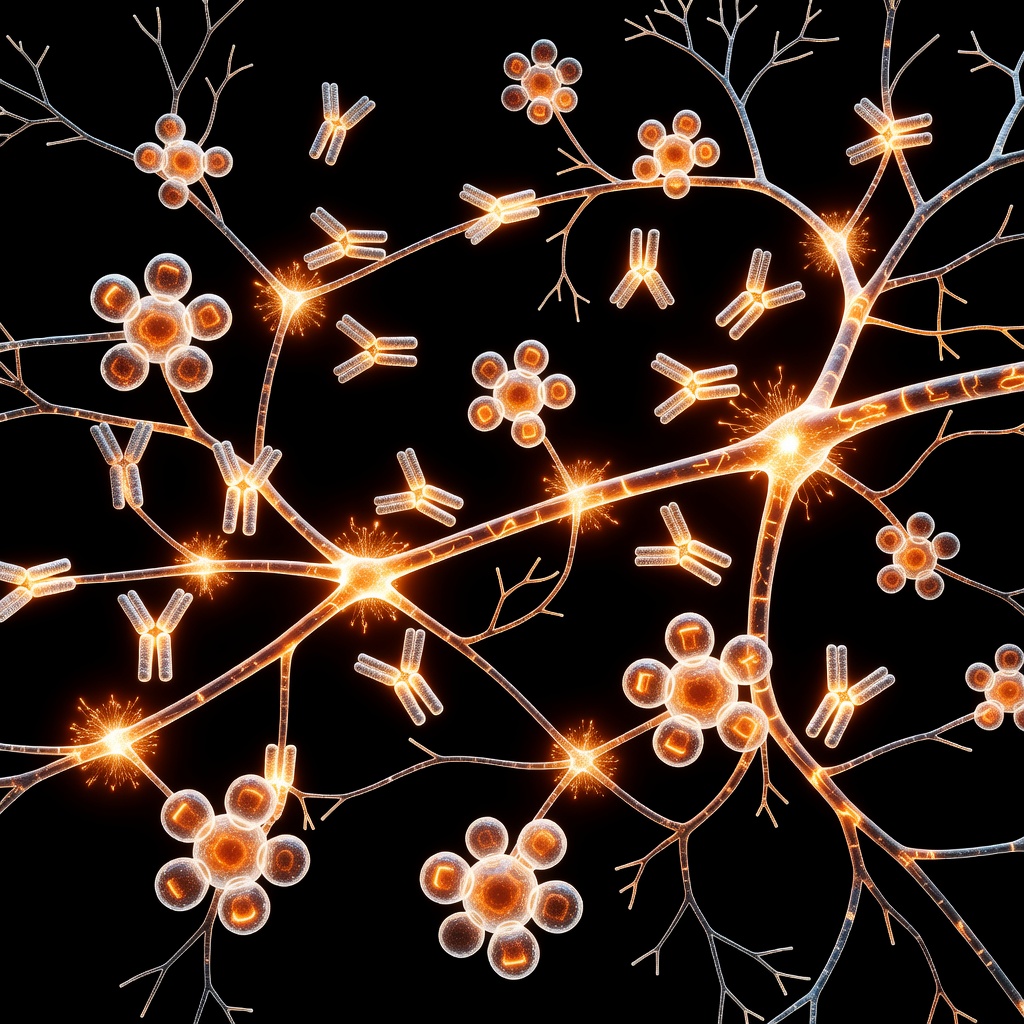
Introduction: The Invisible Seesaw
In the realm of cellular biology, homeostasis is not a static state but a dynamic equilibrium. At the heart of this balance lie two essential transition metals: zinc and copper. While both are indispensable for life, their relationship is defined by a rigorous competition for binding sites on a unique class of proteins called metallothioneins (MTs). This article explores the 'Metallothionein Paradox'—a mechanism where the body's attempt to regulate one mineral inevitably influences the bioavailability of the other.
The Role of Metallothionein
Metallothioneins are small, cysteine-rich proteins that act as cellular buffers. Because they contain a high density of sulfhydryl groups, they serve as high-affinity sponges for metal ions. When the body encounters excess zinc, it triggers the synthesis of MTs. However, because copper has a higher binding affinity for MT than zinc, these proteins will preferentially bind copper, displacing zinc in the process. This competitive displacement is the pivot point of cellular mineral status.
The Zinc-Copper Seesaw
When zinc intake is chronically high, the body overproduces MT. These additional proteins sequester free copper, lowering systemic copper levels and often leading to deficiency symptoms, such as anemia or neurological fatigue. Conversely, when copper is elevated, it can disrupt the zinc-dependent enzyme processes, such as superoxide dismutase (SOD) activity. Understanding this antagonism is essential for addressing root causes of metabolic syndrome, inflammatory conditions, and oxidative stress.
Root-Cause Implications
Many modern health issues stem from an imbalance in this metallic axis. Chronic inflammation often leads to an upregulation of MT as an antioxidant defense. If dietary ratios are skewed, this defense mechanism can inadvertently create a secondary mineral deficiency. True cellular health requires an individualized approach to micronutrient replenishment, prioritizing the ratio of intake over the absolute dose of either metal.
Conclusion
Navigating the metallothionein paradox is a key milestone in functional health. By recognizing that zinc and copper are not merely nutrients, but structural components of a signaling network, we can better support the body’s innate ability to self-regulate.
This article is provided for informational and educational purposes only. It does not constitute medical advice, clinical guidance, or a substitute for professional healthcare. Information reflects cited research at time of publication. Always consult a qualified healthcare professional before acting on any health information.
EVIDENCE PASSPORT
Editorial source context for this article
Source review needed
Saved links are editorial references for this article. They may support specific claims rather than every sentence. Open and assess each source in context. This passport does not independently verify them.
Editorial context
A complete editorial reading has not been recorded for this article, and no source links are saved on its record.
Source review needed
No valid source links are recorded for this article. Supplementary research, where available, is listed separately below.
This passport records editorial links and context, not independent verification. Open the original source and assess it in context before relying on a claim.
Medical Disclaimer
The information in this article is for educational purposes only and does not constitute medical advice, diagnosis, or treatment. Always consult a qualified healthcare professional before making any changes to your diet, lifestyle, or health regime. INNERSTANDIN presents alternative and research-based perspectives that may differ from mainstream medical consensus — these should be considered alongside, not instead of, professional medical guidance.
Read Full DisclaimerContinue the thread
Keep this question moving.
Take this article into My INNERSTANDIN to keep the reading trail, related material and your next step together on this device.