
The Microbiome-Gut-Pelvic Axis: Evaluating Systemic Inflammatory Triggers of Vestibulodynia
Discuss this resourceUpdated August 2026
This article explores the complex connection between gut dysbiosis, systemic inflammation, and the development of vestibulodynia, offering a root-cause perspective on pelvic pain.
Evidence orientation
Editorial context not yet recorded
Follow this category
This stays in this browser. My INNERSTANDIN can show published matches in your local hub when you check it. It does not send email, push, or alert notifications.
Local learning review
A private browser aid for revisiting ideas. It is not an alert or a health recommendation.
Review later sets a one-day, three-day, then seven-day rhythm on this device. Choose it only when you want to revisit this article.
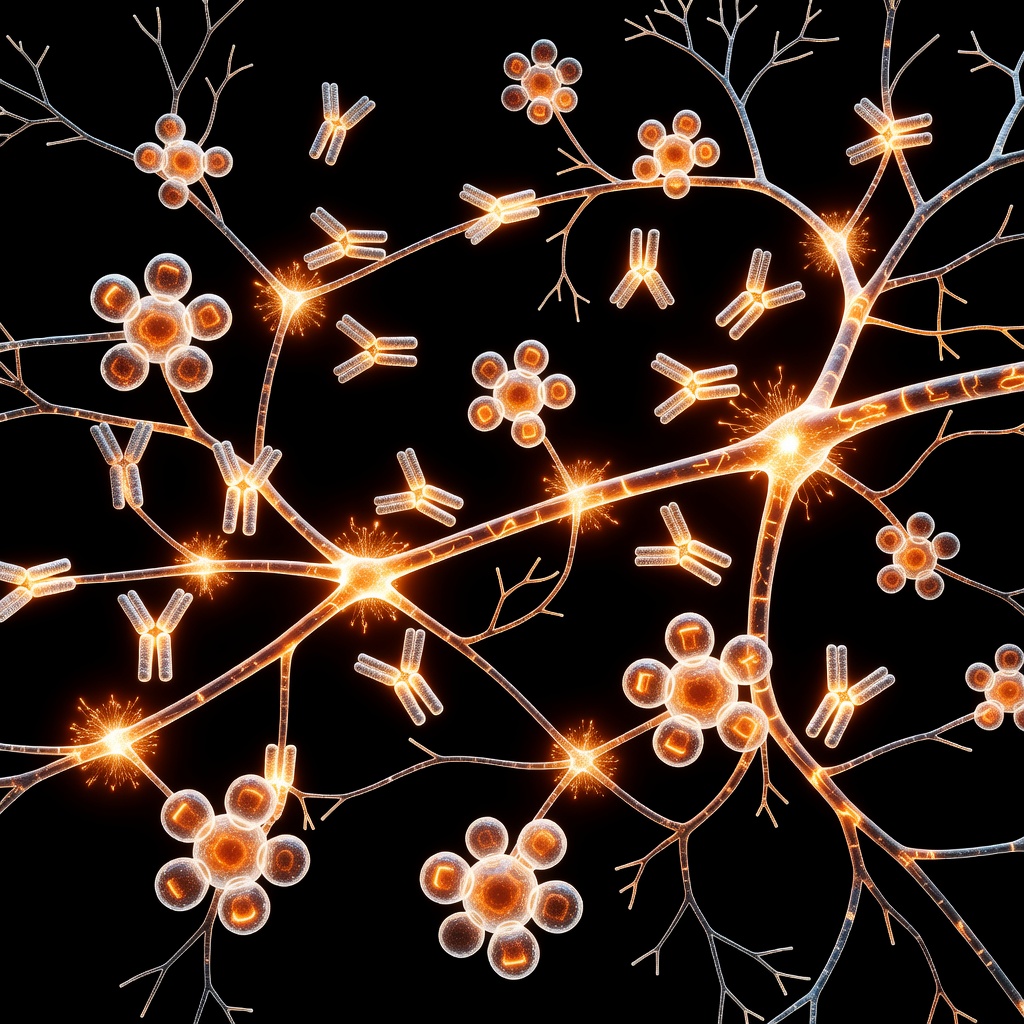
This allows bacterial endotoxins like lipopolysaccharides (LPS) to enter the bloodstream. Once in circulation, LPS triggers a systemic inflammatory response, increasing the levels of pro-inflammatory cytokines such as IL-6 and TNF-alpha. These chemical messengers travel throughout the body, including the pelvic region, where they can heighten the reactivity of mast cells and nociceptors (pain sensors) in the vulvar tissue. ## The Role of Oxalate and Histamine Two specific systemic triggers often overlooked are dietary oxalates and histamine intolerance. High-oxalate diets can lead to the crystallization of calcium oxalate in various tissues, including the vulva, acting as microscopic irritants that cause chronic inflammation. Similarly, an overactive immune response to histamine—often caused by a deficiency in the enzyme DAO or an overgrowth of histamine-producing bacteria in the gut—can lead to localized vasodilation and nerve irritation, exacerbating the burning sensation characteristic of vestibulodynia. ## The Neuro-Immune Crosstalk The pelvic floor is densely innervated.
In a state of chronic systemic inflammation, the nervous system enters a state of 'central sensitization.' This means that nerve pathways become hypersensitive, and pain signals are amplified. A minor touch (allodynia) is interpreted by the brain as extreme pain. By addressing the gut, we are not just treating digestion; we are cooling down the systemic fire that keeps the pelvic nervous system in a state of high alert. ## Clinical Considerations for Healing Addressing vestibulodynia through the Microbiome-Gut-Pelvic axis requires a multi-faceted approach: 1. Microbiome Mapping: Utilizing comprehensive stool analysis to identify dysbiosis or pathogenic overgrowth. 2. Dietary Modulation: Reducing systemic inflammatory triggers while supporting gut integrity through nutrient-dense, anti-inflammatory foods. 3.
Nervous System Regulation: Integrating somatic practices to downregulate the autonomic nervous system, which is intrinsically linked to gut function. 4. Targeted Probiotics: Utilizing specific strains that support barrier function and modulate immune responses. By shifting the focus from the vulvar site to the systemic terrain, individuals can move beyond symptom management and address the root causes of pelvic pain.
This article is provided for informational and educational purposes only. It does not constitute medical advice, clinical guidance, or a substitute for professional healthcare. Information reflects cited research at time of publication. Always consult a qualified healthcare professional before acting on any health information.
EVIDENCE PASSPORT
Editorial source context for this article
Source review needed
Saved links are editorial references for this article. They may support specific claims rather than every sentence. Open and assess each source in context. This passport does not independently verify them.
Editorial context
A complete editorial reading has not been recorded for this article, and no source links are saved on its record.
Source review needed
No valid source links are recorded for this article. Supplementary research, where available, is listed separately below.
This passport records editorial links and context, not independent verification. Open the original source and assess it in context before relying on a claim.
Medical Disclaimer
The information in this article is for educational purposes only and does not constitute medical advice, diagnosis, or treatment. Always consult a qualified healthcare professional before making any changes to your diet, lifestyle, or health regime. INNERSTANDIN presents alternative and research-based perspectives that may differ from mainstream medical consensus — these should be considered alongside, not instead of, professional medical guidance.
Read Full DisclaimerContinue the thread
Keep this question moving.
Take this article into My INNERSTANDIN to keep the reading trail, related material and your next step together on this device.
Explore this in the Body Map
Explore related body structures and their educational pages in the interactive Body Map.
Dig deeper in the Library
Free, longform PDF volumes that go beyond headlines into mechanisms and references.