
The PFAS Connection: Fluorinated Pesticides in British Drinking Water
Updated May 2026
Many modern pesticides used in the UK contain PFAS structures that persist indefinitely in the environment. These 'forever chemicals' accumulate in the food chain, impacting immune function and liver health.
Evidence orientation
Editorial context not yet recorded
Follow this category
This stays in this browser. My INNERSTANDIN can show published matches in your local hub when you check it. It does not send email, push, or alert notifications.
Local learning review
A private browser aid for revisiting ideas. It is not an alert or a health recommendation.
Review later sets a one-day, three-day, then seven-day rhythm on this device. Choose it only when you want to revisit this article.
Overview
For decades, the silent infiltration of Per- and Polyfluoroalkyl Substances (PFAS) into the British biosphere has been framed primarily as an industrial legacy issue—the fallout from non-stick cookware, firefighting foams, and stain-resistant fabrics. However, as a senior biological researcher at INNERSTANDING, I must present a more unsettling reality: the most pervasive and insidious route of PFAS exposure now originates from our agricultural landscape.
A significant proportion of modern pesticides currently approved for use in the United Kingdom are, by chemical definition, PFAS. These fluorinated pesticides are deliberately applied to millions of hectares of British farmland, where they do not simply vanish after killing a target pest. Instead, their unique chemical architecture ensures they persist, leaching into the groundwater and contaminating the very drinking water supplies that millions of UK citizens rely upon.
The gravity of this situation cannot be overstated. We are witnessing a systemic failure of chemical regulation where "forever chemicals" are rebranded as "crop protection agents." While the mainstream media occasionally touches on the contamination of the River Thames or the Ouse, it rarely connects the dots between the C-F bond—the strongest bond in organic chemistry—and the rising tide of metabolic and immunological disorders in the British population. This article serves as a deep dive into the biological mechanism of these toxins and the regulatory void that allows them to flow from tap to bloodstream.
Fact: Recent data suggests that up to 37% of all active pesticide ingredients used in the UK contain at least one trifluoromethyl (-CF3) group, classifying them as PFAS under the internationally recognised OECD definition.
The Biology — How It Works
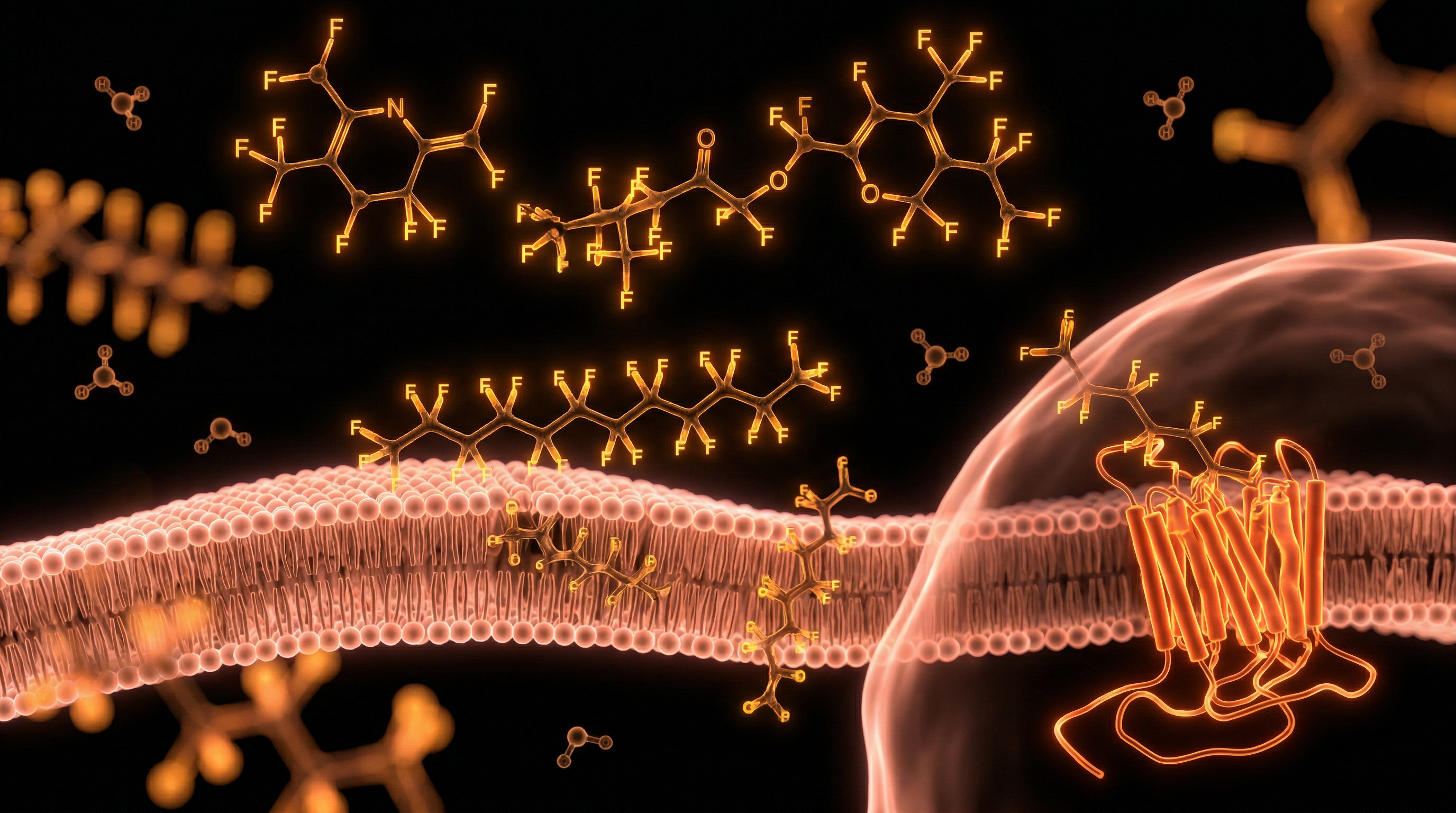
To understand why PFAS pesticides are uniquely dangerous, one must first grasp the fundamental chemistry of the Fluorine atom. Fluorine is the most electronegative element in the periodic table. When it bonds with carbon, it creates a bond so stable and so short that no known natural biological enzyme has evolved the capability to break it down efficiently.
The Strength of the C-F Bond
In natural organic chemistry, carbon-hydrogen bonds are the standard. Biological systems are expert at breaking these bonds to extract energy or detoxify compounds. However, in a fluorinated pesticide (such as the herbicide Flufenacet or the fungicide Trifloxystrobin), the hydrogen atoms are replaced by fluorine. This creates a "chemical shield" around the carbon backbone.
Because the C-F bond is virtually indestructible under physiological conditions, these molecules are bio-persistent. They do not "biodegrade" in the soil or the human liver; they merely cycle. When a British farmer sprays a field in Lincolnshire, the pesticide may kill the weeds, but the fluorinated residue remains. It enters the soil, is washed away by the rain into the aquifers, and eventually passes through the standard filtration systems of water utility companies which are not equipped to remove small-molecule PFAS.
Lipophilicity and Bioaccumulation
Many of these pesticides are designed to be lipophilic (fat-loving). This allows them to penetrate the waxy cuticles of plants or the exoskeletons of insects. When humans ingest these chemicals via contaminated drinking water, the same lipophilic properties allow the chemicals to cross the delicate membranes of the gut and enter the systemic circulation. Once inside, they do not remain in the blood; they migrate to lipid-rich environments, including the brain, the liver, and the fatty tissues surrounding our organs.
Mechanisms at the Cellular Level
The toxicity of PFAS in drinking water is not merely a matter of general "poisoning." It is a sophisticated disruption of cellular signaling and metabolic integrity. As these molecules accumulate, they interfere with the very machinery that keeps us alive.
Interaction with PPAR Receptors
The primary mechanism by which PFAS pesticides exert their toxic effect is through the activation of Peroxisome Proliferator-Activated Receptors (PPARs), specifically PPAR-alpha. These receptors are transcription factors that regulate lipid metabolism, glucose homeostasis, and cell differentiation.
- Metabolic Derangement: When PFAS molecules bind to PPAR-alpha in the liver, they "trick" the cell into thinking there is a massive influx of fatty acids. This leads to an abnormal proliferation of peroxisomes and a complete disruption of normal lipid processing.
- Steatosis: This constant, erroneous signaling is a primary driver behind Non-Alcoholic Fatty Liver Disease (NAFLD), a condition currently skyrocketing in the UK.
Mitochondrial Dysfunction
The mitochondria are the powerhouses of our cells, responsible for producing ATP. PFAS pesticides have been shown to uncouple oxidative phosphorylation. Effectively, they poke holes in the mitochondrial membrane's electrical potential.
- Reactive Oxygen Species (ROS): This uncoupling leads to a leakage of electrons, which react with oxygen to create free radicals. The resulting oxidative stress damages cellular DNA and proteins.
- Energy Depletion: On a systemic level, this manifests as chronic fatigue and a diminished capacity for cellular repair, as the body’s "energy currency" is being diverted to deal with the chemical stressor.
Endocrine Disruption and Mimicry
The molecular structure of many fluorinated pesticides allows them to mimic natural hormones. Most notably, they interfere with the Thyroid Hormone transport proteins. By displacing thyroxine (T4) from its carrier protein (transthyretin), PFAS can cause a functional hypothyroidism even when standard blood tests show "normal" hormone levels. This is a subtle, invisible disruption that affects thermoregulation, mood, and metabolic rate.
Environmental Threats and Biological Disruptors
The British landscape is particularly vulnerable to the PFAS-pesticide cycle due to our unique hydrogeology and the intensity of our arable farming.
The Aquifer Contamination Cycle
In regions like East Anglia and the South East, much of our drinking water is drawn from groundwater aquifers. These underground reservoirs are being slowly "charged" with fluorinated residues from decades of intensive farming. Unlike surface water, which may have some exposure to UV light (which can, in some cases, slowly degrade certain chemicals), groundwater is a dark, anaerobic environment where PFAS pesticides can remain stable for centuries.
Important Callout: Standard UK water treatment plants rely on sand filtration and chlorination. These methods are entirely ineffective at removing fluorinated organic molecules. Only high-end Reverse Osmosis or specialised Granular Activated Carbon (GAC) can reduce their concentration, and even then, not to zero.
Impact on the Microbiome
We must also consider the "biological terrain" of the soil and the human gut. PFAS pesticides are antimicrobial by design. When they enter the water supply, we are effectively consuming a low-dose, chronic antibiotic/antifungal cocktail.
- Soil Health: These chemicals kill the beneficial mycorrhizal fungi and bacteria that sequester carbon and nourish crops.
- Gut Dysbiosis: In humans, chronic exposure through drinking water alters the ratio of beneficial to pathogenic bacteria in the gut. This leads to "leaky gut" syndrome (increased intestinal permeability), allowing more of these very toxins to enter the bloodstream—a vicious cycle of self-reinforcing toxicity.
The Cascade: From Exposure to Disease
The progression from consuming PFAS-contaminated water to developing a clinical disease is rarely instantaneous. It is a "slow-motion" biological cascade that can take years or decades to manifest.
Phase 1: Immunosuppression
The most immediate effect of PFAS exposure observed in clinical studies is the suppression of the immune system. Specifically, these chemicals reduce the activity of Natural Killer (NK) cells and the production of antibodies.
- The UK Context: Observations have shown that children in areas with higher PFAS water contamination exhibit a reduced response to routine vaccinations. Their immune systems are so preoccupied with the chemical burden that they cannot mount an effective defense against biological pathogens.
Phase 2: Systemic Inflammation
As the liver becomes overwhelmed (Phase 1 of detoxification is bypassed because the C-F bond cannot be broken), the body enters a state of chronic low-grade inflammation. Pro-inflammatory cytokines like TNF-alpha and IL-6 are chronically elevated. This state is the precursor to almost all modern "lifestyle" diseases, from cardiovascular disease to autoimmunity.
Phase 3: Genotoxicity and Carcinogenesis
While many PFAS are not "mutagenic" in the traditional sense (they don't always directly snap the DNA), they are powerful promoters of cancer.
- Epigenetic Alteration: They change the way genes are expressed. By interfering with DNA methylation, they can "turn off" tumour-suppressor genes.
- Organ-Specific Risks: The strongest links in British epidemiological data are between PFAS exposure and cancers of the kidney, testes, and thyroid—the organs directly involved in the filtration, regulation, or storage of these chemicals.
What the Mainstream Narrative Omits
If these chemicals are so demonstrably dangerous, why are they still being sprayed on our food and found in our water? This is where INNERSTANDING must expose the regulatory lacunae and "scientific" sleight-of-hand used by the agrochemical industry.
The "Identity Crisis" Loophole
The UK government and the Health and Safety Executive (HSE) often use an outdated, narrow definition of PFAS. They may focus on PFOS and PFOA (the "legacy" industrial chemicals) while ignoring the active pesticide ingredients that meet the chemical criteria of PFAS. By excluding pesticides from the "PFAS strategy," the industry avoids the "forever chemical" label for their most profitable products.
The Synergistic "Cocktail Effect"
Regulatory safety limits are calculated for individual chemicals in isolation. This is a biological absurdity. No British citizen is exposed to just one pesticide. We are exposed to a cocktail of Flufenacet, Diflufenican, and Penoxsulam, alongside industrial PFAS and heavy metals.
- Synergistic Toxicity: Research shows that the combined effect of these chemicals is often multiplicative, not additive. 1+1 does not equal 2; in the world of endocrine disruptors, 1+1 can equal 10. The mainstream narrative entirely omits the danger of this cumulative burden.
Detection Limits vs. Biological Activity
The water companies often claim their water is "safe" because PFAS levels are "below the limit of detection." However, the limit of detection is often set based on the sensitivity of standard laboratory equipment, not on the sensitivity of a human foetus or a developing child.
- The Nanogram Threat: PFAS are biologically active at the parts-per-trillion (ppt) level. Most UK municipal testing is only accurate to parts-per-billion (ppb). The "safe" label is therefore a function of inadequate testing, not genuine purity.
The UK Context
In the post-Brexit landscape, the UK's regulatory framework for pesticides has become increasingly divergent from the European Union. While the EU is moving toward a broad "universal restriction" on all PFAS, the UK has shown a tendency to lag behind, favouring "business as usual" for the agricultural sector.
The Prevalence of Fluorinated Pesticides
According to data compiled from the UK government’s own pesticide usage surveys:
- Flufenacet: One of the most widely used herbicides in the UK, primarily for winter wheat. It is a PFAS that is highly mobile in soil and frequently detected in UK surface and groundwater.
- Diflufenican: Another "blockbuster" pesticide used in British cereals. It is highly persistent and has been found in silt and water samples across the country.
The Water Infrastructure Crisis
The UK’s water infrastructure is aging and under-funded. Many of the privatised water companies are currently facing criticism for sewage leaks; however, the chemical leak is far more persistent.
- Thames Water and Beyond: In 2023, reports emerged that "forever chemicals" were detected in the drinking water of millions of Londoners at levels exceeding the European Food Safety Authority's (EFSA) recommended safety limits.
- Regulatory Capture: There is a "revolving door" between the agencies that monitor water safety and the chemical companies that produce these pesticides. This ensures that the burden of proof is always placed on the public to prove harm, rather than on the companies to prove safety.
Statistic: A study by the Royal Society of Chemistry found that over 35% of tested water sites across England and Wales contained PFAS levels that would be considered "high risk" under proposed international standards.
Protective Measures and Recovery Protocols
Given the systemic failure to protect the British water supply, the responsibility for biological preservation falls upon the individual. To protect your cellular integrity from fluorinated pesticides, a multi-layered approach is required.
Water Filtration: The First Line of Defence
Do not rely on standard jug filters (like basic Brita filters), which use simple ion-exchange resins designed for "taste and odour." They are ineffective against the short-chain PFAS often found in pesticides.
- Reverse Osmosis (RO): This is the gold standard. RO membranes are tight enough to reject the majority of PFAS molecules. Ensure your system includes a post-filtration stage to re-mineralise the water.
- Activated Carbon: High-quality Granular Activated Carbon (GAC) or solid carbon blocks can be effective, but they must be changed frequently. Once the carbon is saturated, it can actually "dump" the toxins back into the water.
- Distillation: While energy-intensive, distillation effectively leaves the PFAS residues behind in the boiling chamber.
Biological Support and Detoxification
Since we cannot avoid 100% of these chemicals, we must optimise the body's ability to handle the "xenobiotic" load.
- Upregulating Phase II Detoxification: Support the Glutathione pathway. PFAS cannot be broken at the C-F bond, but the body can attempt to conjugate them with glutathione to make them more water-soluble for excretion via the kidneys. Consider precursors like N-Acetyl Cysteine (NAC) and Sulforaphane (from broccoli sprouts).
- Binding Agents: Use of natural binders like Chlorella, Modified Citrus Pectin, or Activated Charcoal (taken away from meals/supplements) can help "mop up" pesticides that have been excreted into the bile, preventing their re-absorption through enterohepatic circulation.
- Lipid Replacement Therapy: Since PFAS damage the cell membranes and mitochondria, consuming high-quality Phospholipids (such as Phosphatidylcholine) can help "flush" the toxic fats out of the membranes and replace them with healthy structural lipids.
Dietary Choices
- Organic Transition: The most effective way to stop the "tap" of new pesticide exposure is to consume organic produce. In the UK, the Soil Association standard prohibits the use of the fluorinated pesticides mentioned above.
- Sweating: Since these chemicals are stored in fat, regular use of Infrared Saunas can help mobilise toxins from the adipose tissue and excrete them through the skin, bypassing the overworked liver and kidneys.
Summary: Key Takeaways
The presence of fluorinated pesticides in British drinking water is a public health crisis that is currently being ignored by the mainstream scientific establishment. By understanding the biology of the C-F bond and the mechanisms of cellular disruption, we can see that these are not merely "residues" but potent biological disruptors.
- The C-F Bond is Permanent: These pesticides do not degrade; they accumulate in our water, soil, and bodies.
- Metabolic Disruption: PFAS pesticides target the liver and mitochondria, driving the modern epidemics of fatty liver and chronic fatigue.
- Regulatory Failure: The UK government currently excludes many fluorinated pesticides from its PFAS monitoring, creating a false sense of security.
- Individual Action is Mandatory: Standard tap water is not "safe" from a long-term biological perspective. Reverse Osmosis filtration and liver support protocols are essential for anyone living in high-intensity agricultural areas of the UK.
The "Forever Chemical" connection is the missing link in our understanding of the modern disease landscape. It is time to look beyond the "industry-approved" safety data and acknowledge the profound biological cost of our fluorinated world. At INNERSTANDING, we remain committed to exposing these truths and providing the protocols necessary to thrive in a contaminated environment.
This article is provided for informational and educational purposes only. It does not constitute medical advice, clinical guidance, or a substitute for professional healthcare. Information reflects cited research at time of publication. Always consult a qualified healthcare professional before acting on any health information.
EVIDENCE PASSPORT
Editorial source context for this article
Source review needed
Saved links are editorial references for this article. They may support specific claims rather than every sentence. Open and assess each source in context. This passport does not independently verify them.
Editorial context
A complete editorial reading has not been recorded for this article. Source links remain available for you to open and assess directly.
Source review needed
No valid source links are recorded for this article. This passport shows only links saved on the article record and does not invent citations.
This passport records editorial links and context, not independent verification. Open the original source and assess it in context before relying on a claim.
Medical Disclaimer
The information in this article is for educational purposes only and does not constitute medical advice, diagnosis, or treatment. Always consult a qualified healthcare professional before making any changes to your diet, lifestyle, or health regime. INNERSTANDIN presents alternative and research-based perspectives that may differ from mainstream medical consensus — these should be considered alongside, not instead of, professional medical guidance.
Read Full DisclaimerContinue the thread
Keep this question moving.
Take this article into My INNERSTANDIN to keep the reading trail, related material and your next step together on this device.
Dig deeper in the Library
Free, longform PDF volumes that go beyond headlines into mechanisms and references.