
The Physiological Impact of Topical Castor Oil on Hepatic Detoxification Pathways
Discuss this resourceUpdated August 2026
An in-depth exploration of how transdermal castor oil applications influence liver function, lymphatic drainage, and systemic detoxification processes.
Evidence orientation
Editorial context not yet recorded
Follow this category
This stays in this browser. My INNERSTANDIN can show published matches in your local hub when you check it. It does not send email, push, or alert notifications.
Local learning review
A private browser aid for revisiting ideas. It is not an alert or a health recommendation.
Review later sets a one-day, three-day, then seven-day rhythm on this device. Choose it only when you want to revisit this article.
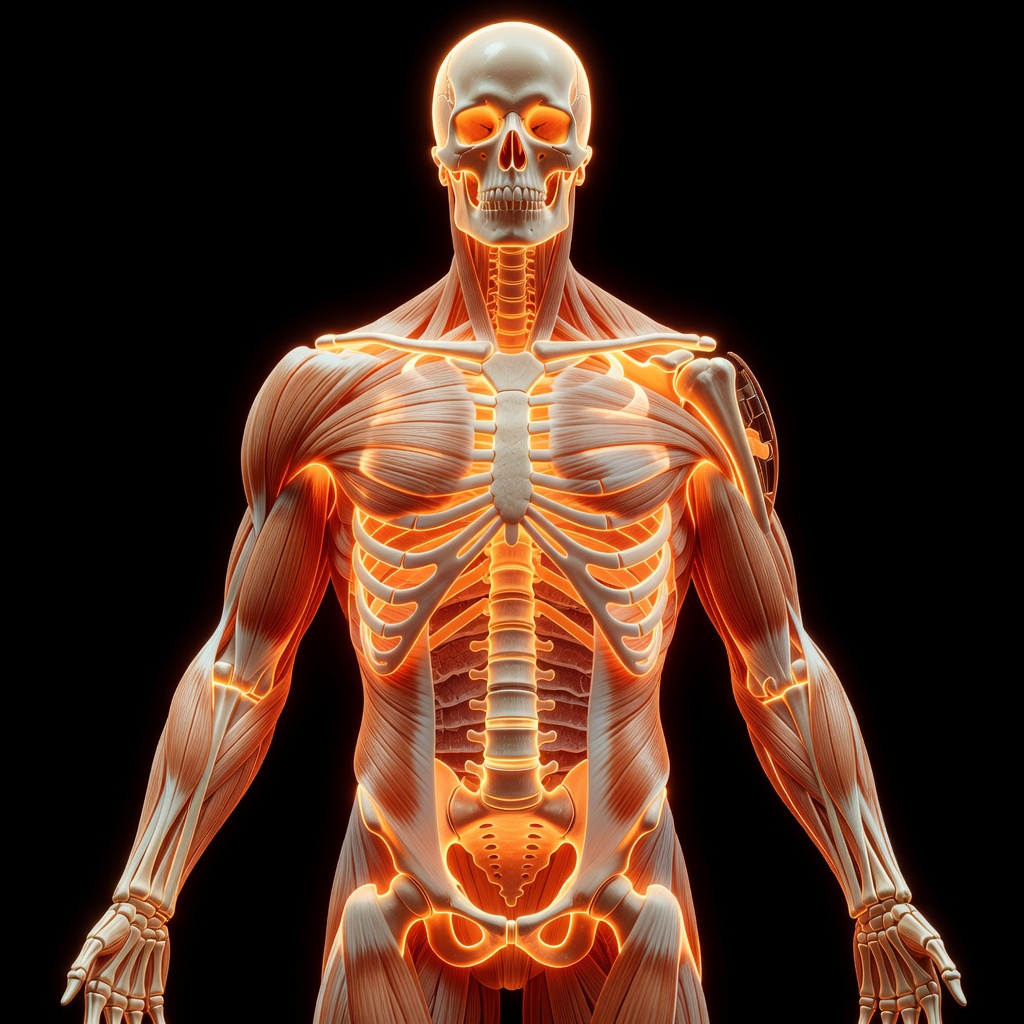
In the realm of functional health and traditional wellness practices, few remedies have stood the test of time like the castor oil pack. At INNERSTANDING, we look beyond the tradition to examine the physiological mechanisms that make this ancient practice a potent tool for modern liver support.
The Anatomy of Detoxification
The liver is the body's primary chemical processing plant. It manages the two-phase detoxification process: Phase I (functionalization) and Phase II (conjugation). When these pathways become sluggish due to environmental toxins, stress, or poor diet, systemic health declines. Castor oil packs serve as a non-invasive intervention to support this biological machinery.
Ricinoleic Acid: The Key Mediator
The primary constituent of castor oil is ricinoleic acid, a unique hydroxylated fatty acid. When applied topically, this acid is absorbed through the skin and exerts localized effects that influence systemic circulation. Crucially, research suggests that ricinoleic acid may stimulate the movement of lymphocytes through the lymphatic system, the body's primary sewage disposal network.
Enhancing Hepatic Perfusion
The placement of a castor oil pack over the right upper quadrant—the anatomical location of the liver—is intended to encourage localized vasodilation. By increasing blood flow (perfusion) to the hepatic region, the body can more efficiently transport metabolic waste products to the liver for neutralization. This enhanced circulation acts as a gentle stimulant for the gallbladder to release stored bile, which is essential for the excretion of toxins through the digestive tract.
Lymphatic Stasis and Liver Health
Many modern health challenges are rooted in lymphatic congestion. Because the liver relies on the lymphatic system to clear large-molecule toxins that cannot enter the bloodstream directly, improving lymphatic flow is synonymous with improving liver health. Castor oil packs induce a parasympathetic state, which downregulates the 'fight-or-flight' response, thereby reducing systemic inflammation and allowing the liver to focus energy on detoxification rather than defense.
Practical Application
To maximize the physiological benefits, ensure the use of cold-pressed, hexane-free organic castor oil. Applying a flannel cloth soaked in oil over the liver area, covered with a heating pad, promotes the depth of penetration required for efficacy. Consistency is the primary determinant of success, as detoxification is a cumulative process, not an acute event.
Conclusion
While castor oil packs are a traditional remedy, their function is rooted in tangible physiological principles: increasing lymphatic drainage, improving hepatic blood flow, and fostering a parasympathetic environment. By supporting these pathways, we move away from symptom management and toward addressing the root cause of metabolic burden.
This article is provided for informational and educational purposes only. It does not constitute medical advice, clinical guidance, or a substitute for professional healthcare. Information reflects cited research at time of publication. Always consult a qualified healthcare professional before acting on any health information.
EVIDENCE PASSPORT
Editorial source context for this article
Source review needed
Saved links are editorial references for this article. They may support specific claims rather than every sentence. Open and assess each source in context. This passport does not independently verify them.
Editorial context
A complete editorial reading has not been recorded for this article, and no source links are saved on its record.
Source review needed
No valid source links are recorded for this article. Supplementary research, where available, is listed separately below.
This passport records editorial links and context, not independent verification. Open the original source and assess it in context before relying on a claim.
Medical Disclaimer
The information in this article is for educational purposes only and does not constitute medical advice, diagnosis, or treatment. Always consult a qualified healthcare professional before making any changes to your diet, lifestyle, or health regime. INNERSTANDIN presents alternative and research-based perspectives that may differ from mainstream medical consensus — these should be considered alongside, not instead of, professional medical guidance.
Read Full DisclaimerContinue the thread
Keep this question moving.
Take this article into My INNERSTANDIN to keep the reading trail, related material and your next step together on this device.
Explore this in the Body Map
Explore related body structures and their educational pages in the interactive Body Map.
Dig deeper in the Library
Free, longform PDF volumes that go beyond headlines into mechanisms and references.