
The Role of Advanced Glycation End-products in the Mechanical Failure of the Plantar Fascia
Discuss this resourceUpdated August 2026
This article explores the biochemical link between elevated blood glucose, Advanced Glycation End-products (AGEs), and the structural degradation of the plantar fascia, offering a root-cause perspective on chronic heel pain.
Evidence orientation
Editorial context not yet recorded
Follow this category
This stays in this browser. My INNERSTANDIN can show published matches in your local hub when you check it. It does not send email, push, or alert notifications.
Local learning review
A private browser aid for revisiting ideas. It is not an alert or a health recommendation.
Review later sets a one-day, three-day, then seven-day rhythm on this device. Choose it only when you want to revisit this article.
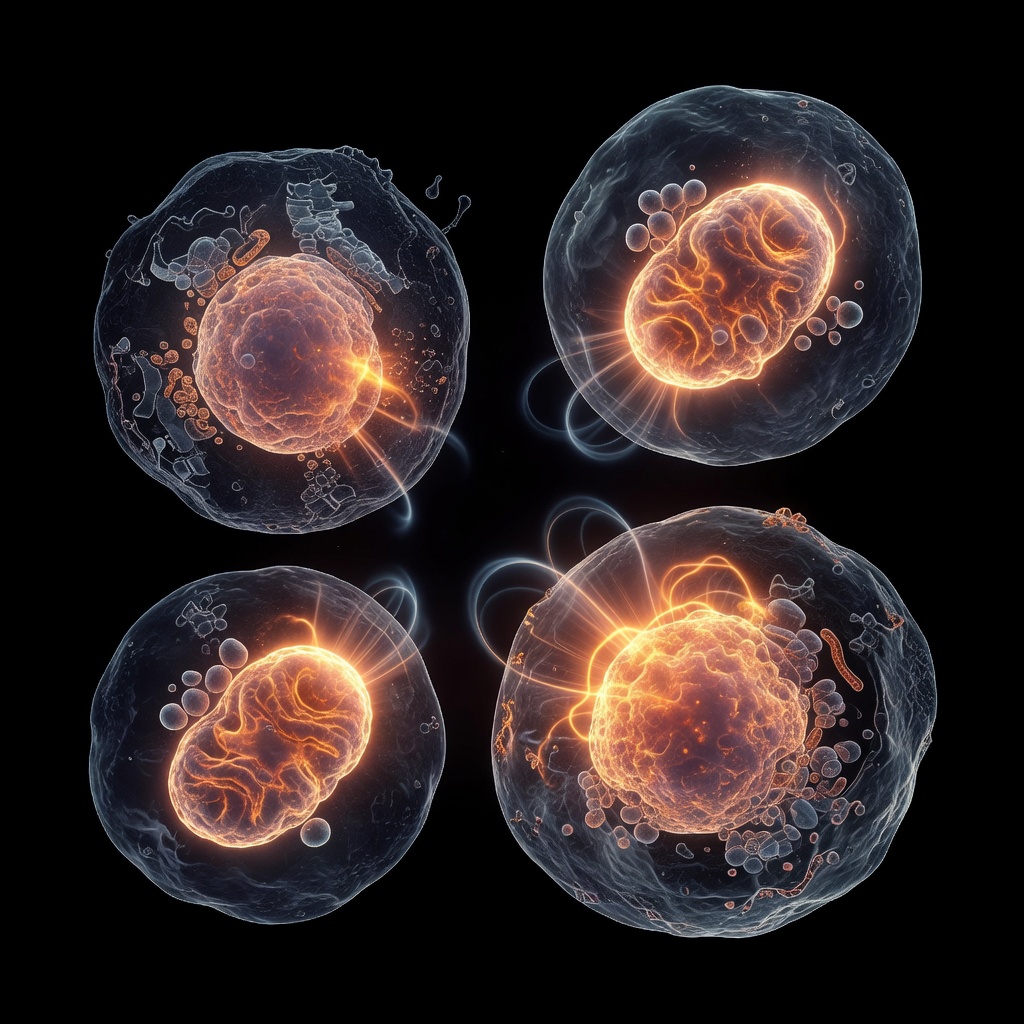
However, when systemic inflammation and metabolic dysregulation occur, this tissue becomes a primary site for the accumulation of Advanced Glycation End-products (AGEs). ## What are AGEs? AGEs are harmful compounds formed when proteins or lipids become glycated as a result of exposure to sugars. While this occurs naturally at a slow rate during aging, high-sugar diets and elevated blood glucose levels accelerate this process exponentially. Think of it as a 'browning' effect, similar to caramelizing sugar on a stovetop, but happening within the extracellular matrix of your tendons and ligaments. ## The Mechanobiological Impact on Collagen. Collagen is the structural backbone of the plantar fascia.
In a healthy state, collagen fibers are organized in a cross-linked fashion that allows for both strength and flexibility. When AGEs accumulate, they form abnormal, non-enzymatic cross-links between collagen molecules. These bonds are pathological; they make the tissue significantly stiffer, more brittle, and less capable of remodeling under load. As the plantar fascia loses its 'viscoelastic' properties, it can no longer absorb the shocks of daily movement effectively. This creates a mechanical failure point: the tissue becomes a rigid structure where a flexible spring is required.
Consequently, micro-tears emerge not just from overuse, but because the tissue has literally lost its ability to deform safely under pressure. ## The Feed-Forward Loop of Inflammation. The accumulation of AGEs also interacts with RAGE receptors (Receptor for Advanced Glycation End-products) located on cells within the fascia. When these receptors are activated, they trigger a pro-inflammatory signaling cascade, keeping the tissue in a perpetual state of 'repair-failure.' This explains why standard physical therapy often yields only temporary relief for some: if the biochemical environment remains saturated with AGEs, the collagen structure cannot recover. ## Strategies for Systemic Support. Addressing plantar fascia degradation requires looking beyond the foot. 1. Glycemic Control: Stabilizing blood sugar is the first step to slowing the formation of new AGEs. 2.
Dietary Antioxidants: Compounds like carnosine and certain polyphenols have shown promise in inhibiting glycation. 3. Mechanical Offloading: Using specific protocols to reduce collagen stress while tissue metabolism is addressed. At INNERSTANDING, we believe that understanding the biochemical roots of mechanical failure is the key to lasting recovery. By addressing the systemic factors driving AGE production, we move away from managing symptoms and toward restoring the innate integrity of the foot.
This article is provided for informational and educational purposes only. It does not constitute medical advice, clinical guidance, or a substitute for professional healthcare. Information reflects cited research at time of publication. Always consult a qualified healthcare professional before acting on any health information.
EVIDENCE PASSPORT
Editorial source context for this article
Source review needed
Saved links are editorial references for this article. They may support specific claims rather than every sentence. Open and assess each source in context. This passport does not independently verify them.
Editorial context
A complete editorial reading has not been recorded for this article, and no source links are saved on its record.
Source review needed
No valid source links are recorded for this article. Supplementary research, where available, is listed separately below.
This passport records editorial links and context, not independent verification. Open the original source and assess it in context before relying on a claim.
Medical Disclaimer
The information in this article is for educational purposes only and does not constitute medical advice, diagnosis, or treatment. Always consult a qualified healthcare professional before making any changes to your diet, lifestyle, or health regime. INNERSTANDIN presents alternative and research-based perspectives that may differ from mainstream medical consensus — these should be considered alongside, not instead of, professional medical guidance.
Read Full DisclaimerContinue the thread
Keep this question moving.
Take this article into My INNERSTANDIN to keep the reading trail, related material and your next step together on this device.