
The Role of Cadmium in Inducing Autophagy and Apoptosis in Pulmonary Epithelial Cells
Discuss this resourceUpdated August 2026
An in-depth analysis of how cadmium exposure triggers cellular stress pathways, specifically autophagy and apoptosis, within the pulmonary epithelium and its implications for industrial respiratory health.
Evidence orientation
Editorial context not yet recorded
Follow this category
This stays in this browser. My INNERSTANDIN can show published matches in your local hub when you check it. It does not send email, push, or alert notifications.
Local learning review
A private browser aid for revisiting ideas. It is not an alert or a health recommendation.
Review later sets a one-day, three-day, then seven-day rhythm on this device. Choose it only when you want to revisit this article.
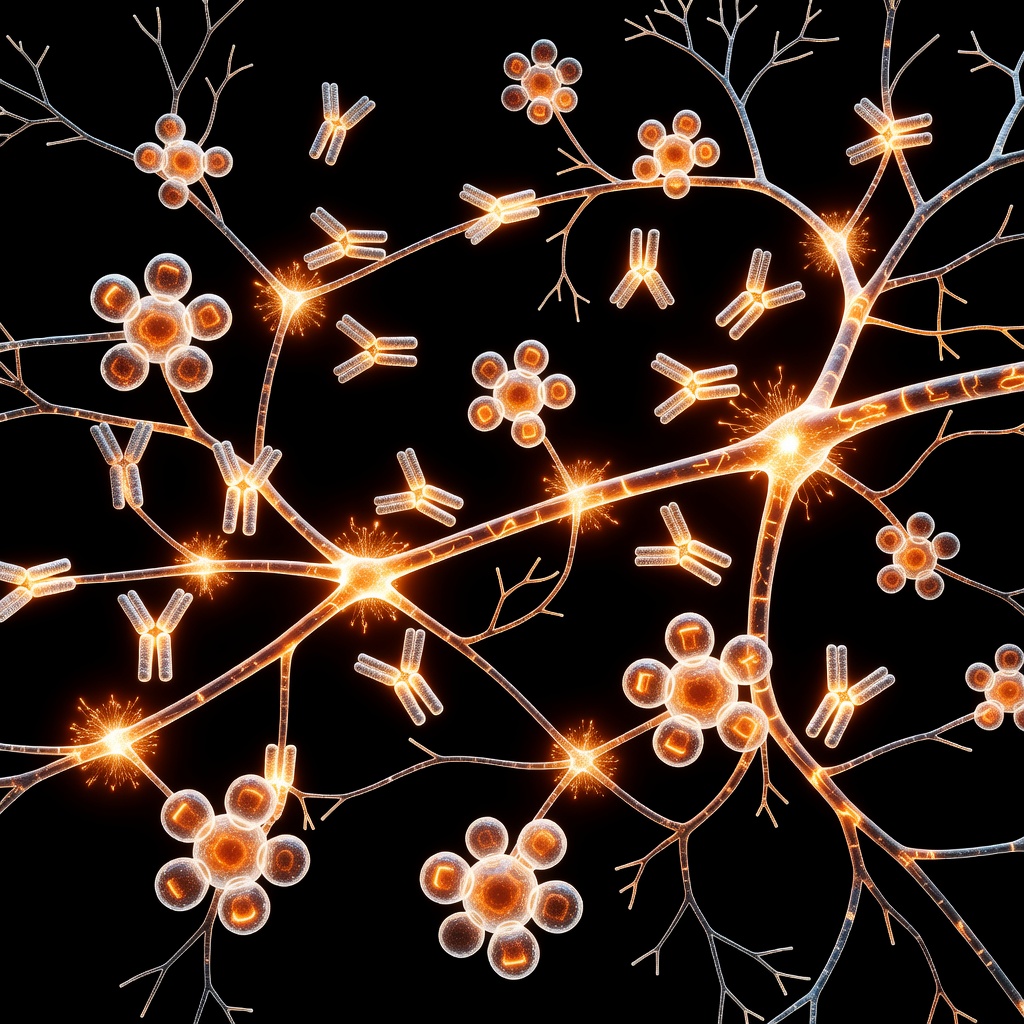
This metabolic disruption leads to the accumulation of reactive oxygen species (ROS), which serves as the primary signal for cellular damage response mechanisms. ## Autophagy: A Double-Edged Sword In the initial phases of cadmium exposure, pulmonary epithelial cells trigger autophagy as a survival mechanism. This process involves the sequestration of damaged organelles—particularly mitochondria—into autophagosomes. While intended to maintain homeostasis, prolonged exposure to cadmium impairs autophagic flux. The inability of the lysosome to process autophagic cargo leads to the accumulation of misfolded proteins and damaged mitochondria, essentially turning a protective process into a contributor to cellular toxicity. ## Apoptosis: The Terminal Response When autophagy fails to mitigate the toxic load, the cell initiates apoptosis (programmed cell death). Cadmium-induced apoptosis in pulmonary cells is heavily mediated by the mitochondrial pathway.
As mitochondrial membrane potential collapses, cytochrome c is released into the cytosol, activating caspase-9 and the subsequent caspase-3 cascade. This systematic dismantling of the cell prevents the survival of mutated or severely damaged tissue, but in the context of chronic inhalation, it leads to the progressive loss of the epithelial barrier, contributing to lung fibrosis and obstructive diseases. ## Clinical Implications for Industrial Workers Chronic exposure to cadmium is linked to emphysema and an increased risk of lung cancer. The continuous induction of apoptosis necessitates constant tissue repair, which can lead to aberrant proliferation and the development of neoplastic transformations. Understanding these pathways provides a target for future therapeutic interventions aimed at chelating cadmium or modulating autophagic flux to protect high-risk workers. ## Conclusion Cadmium is more than a simple toxin; it is a disruptor of fundamental cellular pathways. By forcing pulmonary epithelial cells into cycles of unsustainable autophagy and inevitable apoptosis, it compromises the structural integrity of the lungs.
Education on exposure mitigation remains the paramount priority for industrial health protocols.
This article is provided for informational and educational purposes only. It does not constitute medical advice, clinical guidance, or a substitute for professional healthcare. Information reflects cited research at time of publication. Always consult a qualified healthcare professional before acting on any health information.
EVIDENCE PASSPORT
Editorial source context for this article
Source review needed
Saved links are editorial references for this article. They may support specific claims rather than every sentence. Open and assess each source in context. This passport does not independently verify them.
Editorial context
A complete editorial reading has not been recorded for this article, and no source links are saved on its record.
Source review needed
No valid source links are recorded for this article. Supplementary research, where available, is listed separately below.
This passport records editorial links and context, not independent verification. Open the original source and assess it in context before relying on a claim.
Medical Disclaimer
The information in this article is for educational purposes only and does not constitute medical advice, diagnosis, or treatment. Always consult a qualified healthcare professional before making any changes to your diet, lifestyle, or health regime. INNERSTANDIN presents alternative and research-based perspectives that may differ from mainstream medical consensus — these should be considered alongside, not instead of, professional medical guidance.
Read Full DisclaimerContinue the thread
Keep this question moving.
Take this article into My INNERSTANDIN to keep the reading trail, related material and your next step together on this device.
Explore this in the Body Map
Explore related body structures and their educational pages in the interactive Body Map.
Dig deeper in the Library
Free, longform PDF volumes that go beyond headlines into mechanisms and references.