
The Soil-Human Interface: How Anthropogenic Soil Depletion Alters the Bioavailability of Essential Dietary Minerals
Discuss this resourceUpdated August 2026
An in-depth analysis of how intensive UK agricultural practices are stripping soils of vital minerals, creating a hidden nutritional crisis for the British population.
Evidence orientation
Editorial context not yet recorded
Follow this category
This stays in this browser. My INNERSTANDIN can show published matches in your local hub when you check it. It does not send email, push, or alert notifications.
Local learning review
A private browser aid for revisiting ideas. It is not an alert or a health recommendation.
Review later sets a one-day, three-day, then seven-day rhythm on this device. Choose it only when you want to revisit this article.
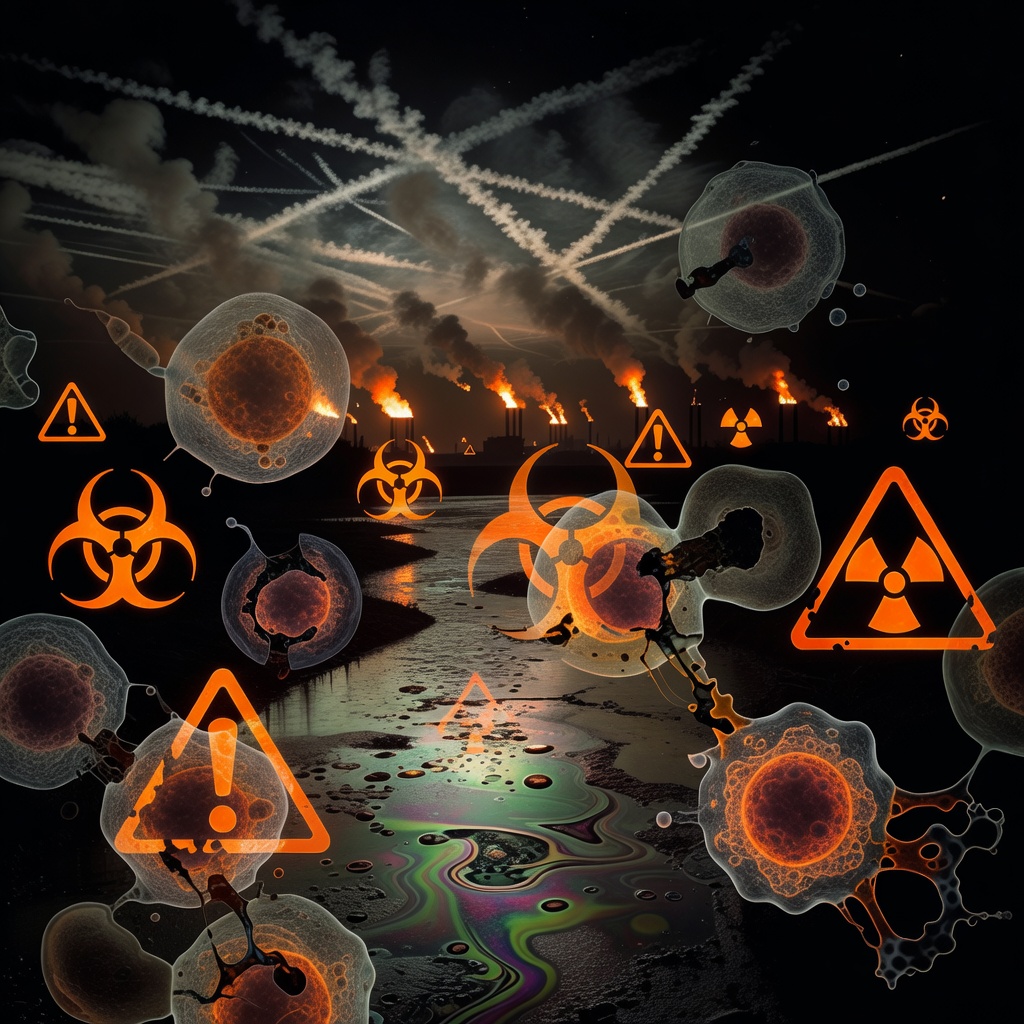
In the modern era, the link between the health of our soil and the health of our bodies has become dangerously severed. As a UK-based health initiative, INNERSTANDING recognises that the rising prevalence of chronic health issues cannot be viewed in isolation from the plummeting mineral density of our agricultural lands. This article explores the soil-human interface and why the British diet is suffering from a fundamental, anthropogenic disconnect.
The Mechanism of Depletion
For decades, UK farming practices—dominated by industrial monoculture, excessive synthetic fertiliser use, and intensive tillage—have prioritised short-term yield over long-term biological integrity. Synthetic NPK (nitrogen, phosphorus, and potassium) fertilisers are designed to keep plants alive, not to nourish them with a full spectrum of minerals. When we rely solely on these chemicals, we bypass the complex microbial networks that actually facilitate mineral uptake. Over time, this exhaustion of the soil microbiome leads to 'mineral hunger' in crops.
The Bioavailability Bottleneck
Mineral bioavailability is not just about the presence of an element in the soil; it is about the capacity for plant roots to access those elements through symbiotic relationships with mycorrhizal fungi and beneficial bacteria. Anthropogenic soil compaction and chemical-induced acidification lock essential micronutrients like magnesium, zinc, and selenium into forms that plant roots cannot absorb. Consequently, a carrot harvested today may have a fraction of the magnesium content of a carrot grown in the 1940s, leading to systemic sub-clinical deficiencies across the British population.
The Human Cost: A Public Health Perspective
When these mineral deficiencies propagate through the food chain, they manifest as widespread fatigue, weakened immune systems, and metabolic dysfunction. Selenium deficiency, for example, is increasingly linked to suboptimal thyroid function, a pervasive issue in the UK. By ignoring the state of our soil, we are effectively 'starving while full'—consuming calories without the micronutrient density required for cellular homeostasis. The solution requires a transition toward regenerative agricultural practices that restore carbon cycles and encourage the biological cycling of essential trace minerals.
This article is provided for informational and educational purposes only. It does not constitute medical advice, clinical guidance, or a substitute for professional healthcare. Information reflects cited research at time of publication. Always consult a qualified healthcare professional before acting on any health information.
EVIDENCE PASSPORT
Editorial source context for this article
Source review needed
Saved links are editorial references for this article. They may support specific claims rather than every sentence. Open and assess each source in context. This passport does not independently verify them.
Editorial context
A complete editorial reading has not been recorded for this article, and no source links are saved on its record.
Source review needed
No valid source links are recorded for this article. Supplementary research, where available, is listed separately below.
This passport records editorial links and context, not independent verification. Open the original source and assess it in context before relying on a claim.
Medical Disclaimer
The information in this article is for educational purposes only and does not constitute medical advice, diagnosis, or treatment. Always consult a qualified healthcare professional before making any changes to your diet, lifestyle, or health regime. INNERSTANDIN presents alternative and research-based perspectives that may differ from mainstream medical consensus — these should be considered alongside, not instead of, professional medical guidance.
Read Full DisclaimerContinue the thread
Keep this question moving.
Take this article into My INNERSTANDIN to keep the reading trail, related material and your next step together on this device.
Dig deeper in the Library
Free, longform PDF volumes that go beyond headlines into mechanisms and references.