
The TGF-Beta Signaling Pathway: Unraveling the Root Cause of Fascial Contraction
Discuss this resourceUpdated August 2026
An in-depth exploration of the TGF-beta signaling pathway, the primary molecular driver behind pathological fascial thickening and conditions like Dupuytren's Contracture.
Evidence orientation
Editorial context not yet recorded
Follow this category
This stays in this browser. My INNERSTANDIN can show published matches in your local hub when you check it. It does not send email, push, or alert notifications.
Local learning review
A private browser aid for revisiting ideas. It is not an alert or a health recommendation.
Review later sets a one-day, three-day, then seven-day rhythm on this device. Choose it only when you want to revisit this article.
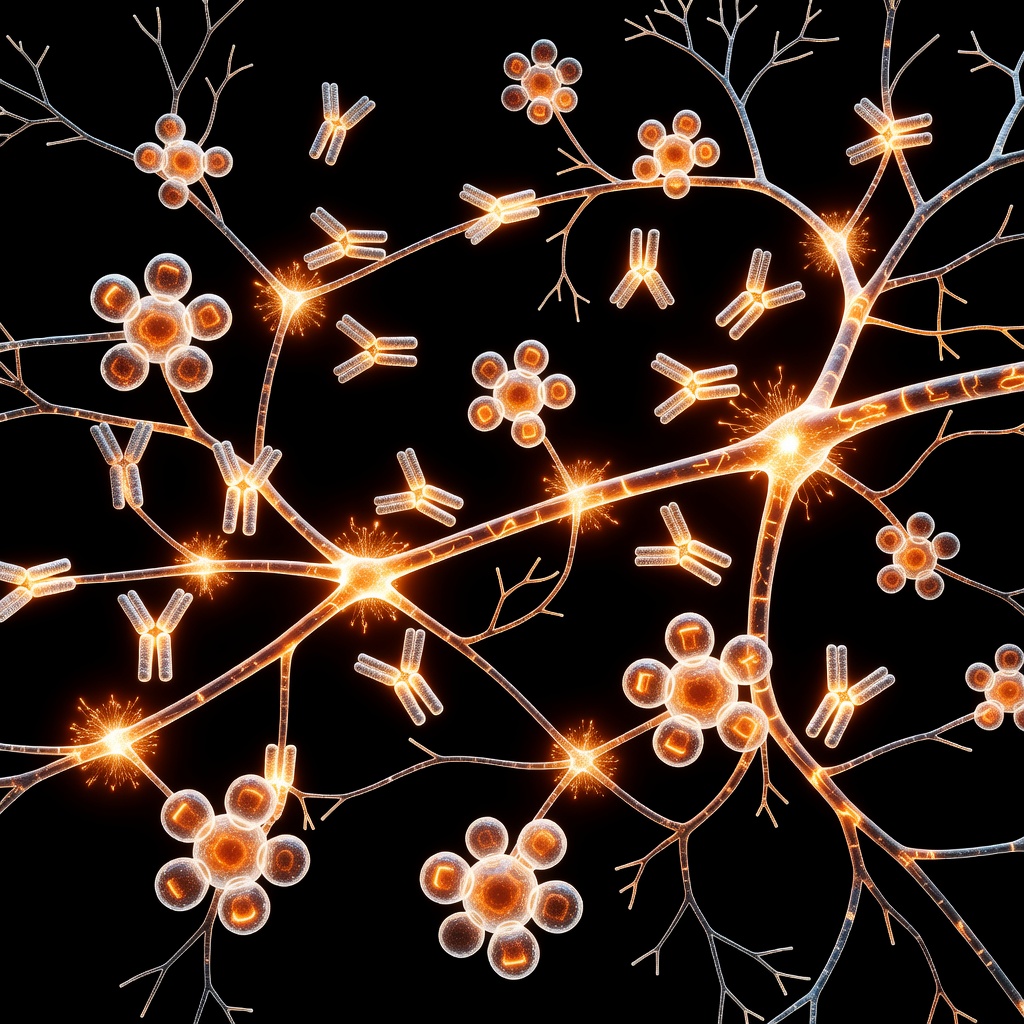
It acts as a signaling molecule that recruits fibroblasts—cells responsible for building the extracellular matrix—to the site of the damage. Once present, fibroblasts transition into myofibroblasts, characterized by alpha-smooth muscle actin (α-SMA) expression. This allows the cells to generate contractile force, effectively pulling the edges of a wound together. Once the wound is closed, these myofibroblasts undergo programmed cell death (apoptosis), and the tissue returns to homeostasis. ## The Shift Toward Pathology. In individuals susceptible to Dupuytren's and other fibrotic conditions, the TGF-beta pathway becomes dysregulated.
Instead of a temporary response, the signaling persists in an auto-activating loop. High levels of TGF-beta1, in particular, keep fibroblasts trapped in a myofibroblast state long after the "wound" should have healed. These cells aggressively deposit disordered type III collagen, leading to the formation of cords and nodules characteristic of fascial contracture. ## The Mechanotransduction Connection. Recent research highlights how TGF-beta does not work in isolation. The physical environment of the fascia—specifically its stiffness—influences how cells interpret TGF-beta signals.
Increased mechanical tension in the fascia actually activates latent TGF-beta stored in the extracellular matrix. This creates a vicious cycle: mechanical tension triggers TGF-beta, which promotes more collagen contraction, which increases tension, further activating more TGF-beta. ## Therapeutic Implications for INNERSTANDING. By understanding this root cause, we can see why invasive surgical interventions often fail or lead to recurrence; they often ignore the underlying biological signaling environment. Current research into TGF-beta inhibitors and mechanotherapy suggests that managing the cellular environment and reducing chronic inflammation are essential for long-term fascial health. Addressing the root cause requires a multidimensional approach: regulating the systemic inflammatory response and managing the physical tension applied to the fascia through targeted movement and manual therapies.
This article is provided for informational and educational purposes only. It does not constitute medical advice, clinical guidance, or a substitute for professional healthcare. Information reflects cited research at time of publication. Always consult a qualified healthcare professional before acting on any health information.
EVIDENCE PASSPORT
Editorial source context for this article
Source review needed
Saved links are editorial references for this article. They may support specific claims rather than every sentence. Open and assess each source in context. This passport does not independently verify them.
Editorial context
A complete editorial reading has not been recorded for this article, and no source links are saved on its record.
Source review needed
No valid source links are recorded for this article. Supplementary research, where available, is listed separately below.
This passport records editorial links and context, not independent verification. Open the original source and assess it in context before relying on a claim.
Medical Disclaimer
The information in this article is for educational purposes only and does not constitute medical advice, diagnosis, or treatment. Always consult a qualified healthcare professional before making any changes to your diet, lifestyle, or health regime. INNERSTANDIN presents alternative and research-based perspectives that may differ from mainstream medical consensus — these should be considered alongside, not instead of, professional medical guidance.
Read Full DisclaimerContinue the thread
Keep this question moving.
Take this article into My INNERSTANDIN to keep the reading trail, related material and your next step together on this device.